Quick answer: Free mini cross stitch patterns use a small stitch count and finish quickly, often in just one or two sittings, making them ideal for ornaments, cards, and beginners testing the craft. Quality varies by source, so checking for a clear color key matters.
Free mini cross stitch patterns have become one of the most popular corners of the stitching world, and it’s easy to see why once you consider how much satisfaction a small, quick project can deliver compared to the time investment it actually requires. A mini pattern typically uses a small fraction of the stitch count found in a full-sized design, which means you can realistically finish one in a single evening or across just a couple of short stitching sessions rather than weeks or months. This guide covers what actually counts as a mini pattern, why they’re such a great fit for beginners, where these small designs are commonly used once finished, how to find quality free versions, and some practical tips for handling the tiny, detailed work these patterns often involve. Whether you’re testing the cross stitch waters for the first time or you’re an experienced stitcher looking for a quick palate cleanser between bigger projects, mini patterns fill a genuinely useful niche. At Bee’s Quilt Shop, we hear from a lot of stitchers who got hooked on the craft specifically because a mini pattern gave them a fast, low-risk first success.
What Counts As A Mini Cross Stitch Pattern
What actually qualifies as a mini cross stitch pattern isn’t governed by any strict rule, but most designs labeled this way fall somewhere under a few thousand total stitches, often considerably less, and physically measure just an inch or two across once finished. The appeal is fairly obvious once you compare that to a full-sized sampler or portrait pattern, which can easily run into the tens of thousands of stitches and take weeks or months of steady work. Mini patterns tend to distill a design down to its simplest, most recognizable elements, using a limited color palette and a compact shape that still reads clearly despite the small scale. Because so little fabric and floss is required, mini patterns are also a low-cost way to experiment with a design style or color combination before committing to a larger, more expensive project built around the same theme. This makes mini patterns a genuinely useful testing ground, letting you get a feel for a color palette or motif style at almost no cost before deciding whether it’s worth a bigger investment of time and materials.
Why Mini Patterns Are Great For Beginners
Mini patterns are genuinely well suited to beginners for a couple of very practical reasons. The most obvious is the low time commitment, since a project you can realistically finish in one or two sittings gives you a real sense of accomplishment without demanding the sustained motivation a bigger project requires, which matters a lot when you’re still deciding whether cross stitch is a hobby you actually want to stick with. The low material cost matters too, since a mini pattern typically needs just a small fabric scrap and a handful of floss colors rather than a full skein set, making it an easy, low-stakes way to try the craft before investing in a larger kit or project. Beginners also benefit from the quicker feedback loop a small project provides, since mistakes and technique issues show up and get corrected within a single project rather than only becoming apparent after investing significant time into something much larger. This quick feedback loop is part of why so many teachers and experienced stitchers recommend mini patterns specifically for anyone teaching a friend, partner, or child the basics of the craft.
Where Mini Patterns Are Commonly Used
Once finished, mini cross stitch designs get used in a lot of creative, small-scale ways that a full-sized piece simply can’t accommodate. Ornaments are probably the most popular application, with finished mini pieces backed with felt and trimmed to hang on a small dowel or ribbon loop, making them a lovely handmade addition to holiday decorating. Greeting cards are another common use, where a small stitched design gets mounted onto card stock to create a genuinely personal handmade card for a birthday, holiday, or other occasion. Magnets, using a small metal or magnetic backing behind a finished mini piece, turn a quick project into a functional keepsake for a fridge or filing cabinet. Jewelry-style finishing, including small pendants or pins, has also grown popular, letting stitchers wear a finished piece rather than just displaying it somewhere in the home. Small stitched patches, sewn onto a bag or jacket, are another popular option that turns a mini design into something genuinely wearable and personal.
Finding Quality Free Mini Patterns
Finding quality free mini patterns takes a bit of the same discernment as free patterns of any size, since not every source produces a clean, accurately charted design. Established crafting blogs and pattern-sharing communities with active stitcher communities tend to be more reliable than a random search result, since errors in a chart or color key usually get flagged and corrected by other users who’ve already stitched the pattern. Checking that a chart includes a clear, properly labeled color key before starting is worth the extra minute, since a mislabeled color on even a small pattern can throw off the whole finished look. Many stitchers also find it helpful to look specifically for patterns shared alongside a finished photo, since comparing your in-progress work to a real completed example makes it much easier to catch a counting mistake early rather than discovering it once you’re nearly done. It’s also worth searching for patterns specifically tagged as mini or small, since some general pattern collections mix in larger designs that only look small in a thumbnail preview.
Tips For Stitching Small, Detailed Designs
Working small, detailed designs comes with its own set of practical challenges that are worth knowing ahead of time. Good lighting becomes even more important than usual, since tiny color changes packed close together are genuinely hard to track accurately in dim light, and a small magnifying lamp or clip-on light can make a real difference for anyone whose eyes tire quickly on close work. Using a higher fabric count, such as 16 or 18-count aida, can actually help keep a mini design’s proportions accurate to the original chart, though it does mean working with correspondingly smaller stitches. Many stitchers find it easier to work mini patterns in small, focused sessions rather than trying to power through the whole thing at once, since fatigue tends to increase counting mistakes on closely packed detail work faster than it does on a more spread-out design. Taking a short break every twenty or thirty minutes, even just to rest your eyes, tends to noticeably reduce errors compared to pushing through in one long stretch.
Finishing Ideas For Mini Cross Stitch Projects
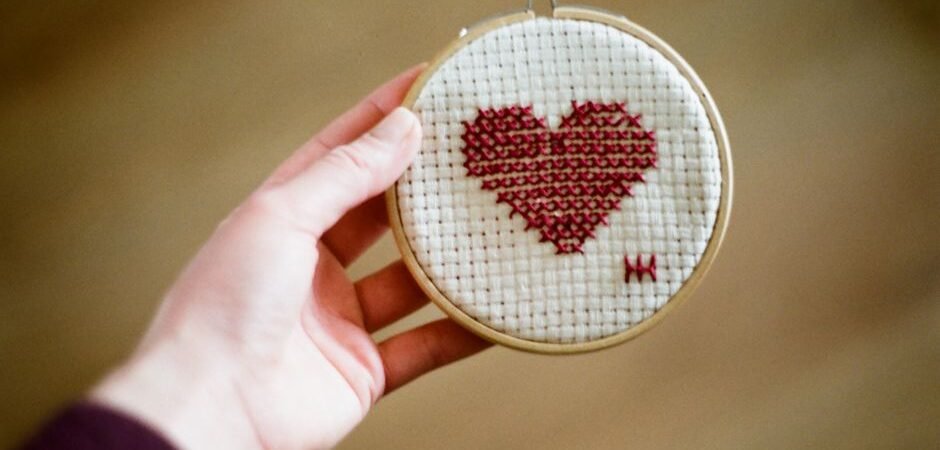
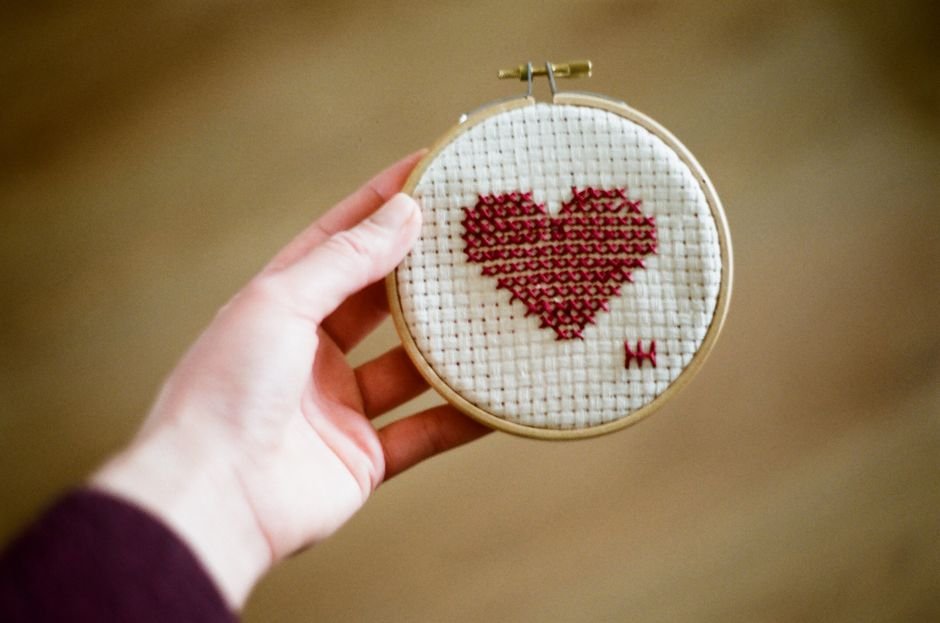
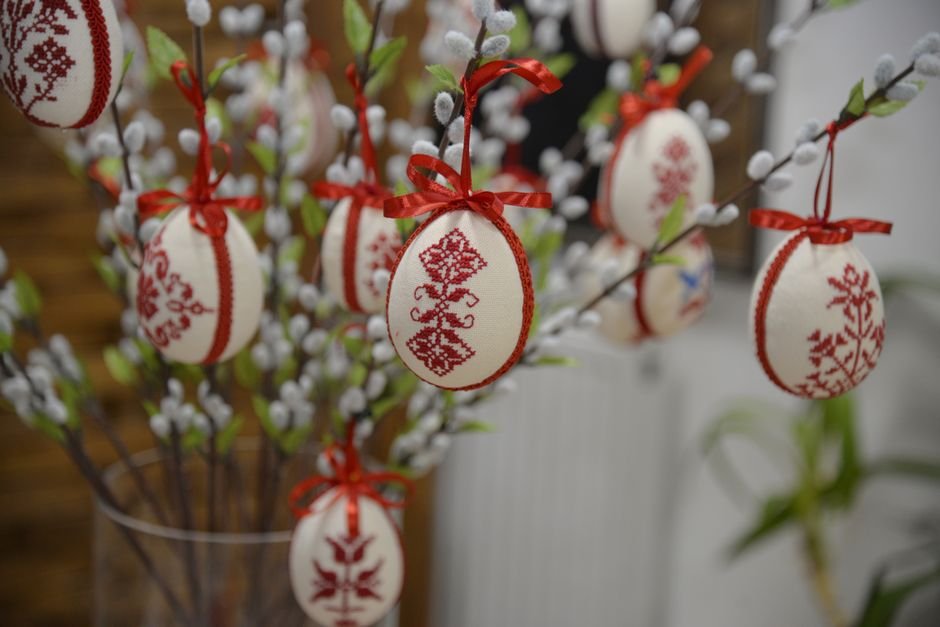
Finishing ideas for mini cross stitch pieces are where a lot of the creative fun really happens, since the small scale opens up presentation options that just aren’t practical for a larger piece. Small embroidery hoops, sometimes as tiny as an inch or two in diameter, make charming, low-commitment display options that suit a mini piece’s proportions perfectly. Shadow box style framing works well for mini pieces intended as keepsakes, especially when paired with a small memento or note related to the occasion the piece commemorates. Grouping several mini pieces together in a small gallery-style arrangement can also create real visual impact on a wall, turning what would be a single small, easy-to-overlook piece into a cohesive collection. Whatever finishing approach you choose, mini patterns are a genuinely satisfying way to build a habit of finishing projects, which is a skill in itself that carries over well once you’re ready to tackle something larger. Many stitchers keep a small collection of finished mini pieces as a visual record of their progress through the hobby, a satisfying reminder of how far their skills have come from that very first quick project, and displaying that small collection together often sparks conversation with visitors who are curious about the craft themselves and want to know where to start. Looking back at that very first tiny piece months or years later, most stitchers are genuinely surprised at how far their tension, counting accuracy, and overall confidence have come since then.
Ready to try a quick new project? Explore our Embroidery and Monogramming guides here at Bee’s Quilt Shop for more stitching advice, and browse our current patterns collection to see what’s available right now. Explore more Embroidery & Monogramming guides on the blog, or browse our Patterns collection to see what is currently available.
Frequently Asked Questions
What counts as a mini cross stitch pattern?
Most designs labeled mini fall under a few thousand total stitches and finish at just an inch or two across. There’s no strict official rule, but that general size range is what most sources mean by mini.
Are mini patterns good for teaching a child to cross stitch?
Yes, the low stitch count and quick finish time make mini patterns genuinely well suited to teaching beginners of any age. A fast first success tends to build confidence better than a large, slow-moving project.
What can I make with a finished mini cross stitch piece?
Ornaments, greeting cards, magnets, and even small jewelry pieces are all popular finishing options for mini designs. The small scale opens up presentation choices that just aren’t practical for a larger piece.
Why is it harder to see my stitches on a mini pattern?
Mini patterns pack color changes closer together, so good lighting and sometimes a magnifying lamp make a real difference for tracking your place accurately. Working in short, focused sessions also helps reduce counting mistakes.
Can I find free mini patterns for specific themes, like animals or flowers?
Yes, most crafting blogs and pattern communities offer mini designs across a wide range of themes, from animals to holidays to simple geometric shapes. Bee’s Quilt Shop suggests searching specifically for mini or small patterns to filter out larger designs.
This article is intended for general educational and informational purposes only, based on common cross stitch practices. Results vary by skill level, materials, and pattern source, so reviewing any free chart carefully before starting is always a good idea. Bee’s Quilt Shop shares this guide as part of our ongoing library of quilting and sewing resources.