Quick answer: Erica Michaels cross stitch patterns are known within the needlework community for a sophisticated, design-forward style. Designs range from moderately accessible to more advanced, so checking stitch and color counts helps match a pattern to your skill level.
Erica Michaels cross stitch patterns have built a strong following within the needlework community, known for a distinctive design sensibility that many stitchers seek out specifically once they’ve moved beyond beginner-level charts. If you’ve spent any time browsing cross stitch pattern shops or stitching forums, there’s a good chance you’ve come across her name attached to designs that stand out from more generic sampler-style charts. This guide introduces who Erica Michaels is within the broader needlework world, what her designs tend to be known for stylistically, the materials commonly paired with patterns like these, how to gauge whether a particular design matches your skill level, and what to keep in mind about availability as designer collections evolve over time. Whether you’re already a fan looking to deepen your understanding or you’re discovering this designer’s work for the first time, this guide covers the practical basics. At Bee’s Quilt Shop, designer pattern lines like this come up often when stitchers are ready to move beyond starter kits into more distinctive, collectible designs.
Who Erica Michaels Is In The Needlework World
Within the needlework world, designers who build a recognizable, consistent style over years of work tend to develop a loyal following among stitchers who specifically seek out their patterns rather than browsing generically. Erica Michaels has built that kind of reputation, known among cross stitch and needlework enthusiasts for a body of work that many stitchers describe as more sophisticated and design-forward than typical mass-market charts. That kind of reputation matters practically because it tends to signal a certain consistency in chart quality, color key clarity, and overall design polish, which can make a real difference for stitchers who’ve been frustrated by inconsistent quality from less established pattern sources. Designer-driven pattern lines like this one also tend to build community around them, with dedicated stitchers sharing finished pieces and progress photos that help newer fans get a feel for what a given design will actually look like once completed.
What Erica Michaels Designs Are Known For
Designer cross stitch collections like this one tend to be known for a particular aesthetic sensibility that sets them apart from more generic, mass-produced charts. Many stitchers describe the general style as leaning toward richer, more layered color palettes and design themes that feel more considered than a typical starter pattern, often drawing on traditional needlework motifs reinterpreted with a distinctive point of view. Rather than relying purely on simple, blocky imagery, designs in this category often incorporate subtler shading and more nuanced color transitions, which rewards stitchers who already have some experience working with a broader palette. It’s worth noting that any individual collection or design can vary quite a bit in theme and complexity, so browsing a range of available charts rather than assuming uniformity across an entire designer’s body of work gives a more accurate sense of what’s actually available at any given time. Comparing several different charts side by side, rather than judging the whole collection from a single design, is a genuinely useful way to figure out which specific style within the broader body of work appeals to you most.
Materials Commonly Paired With These Patterns
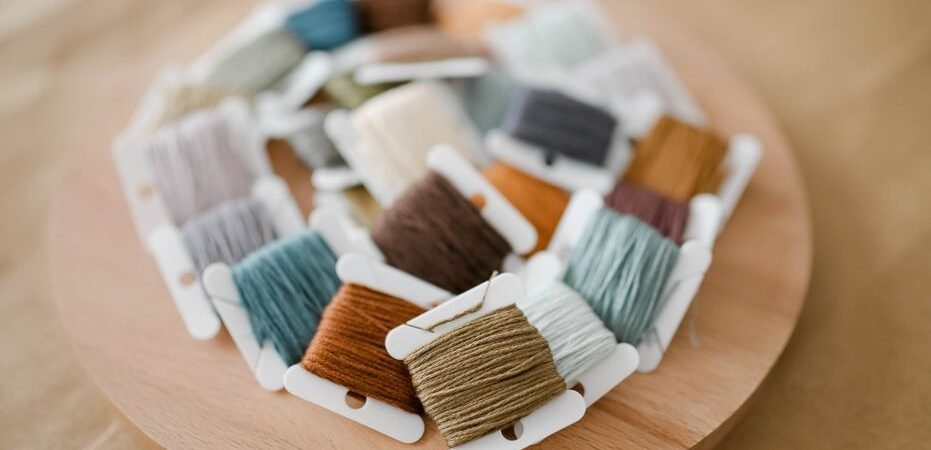
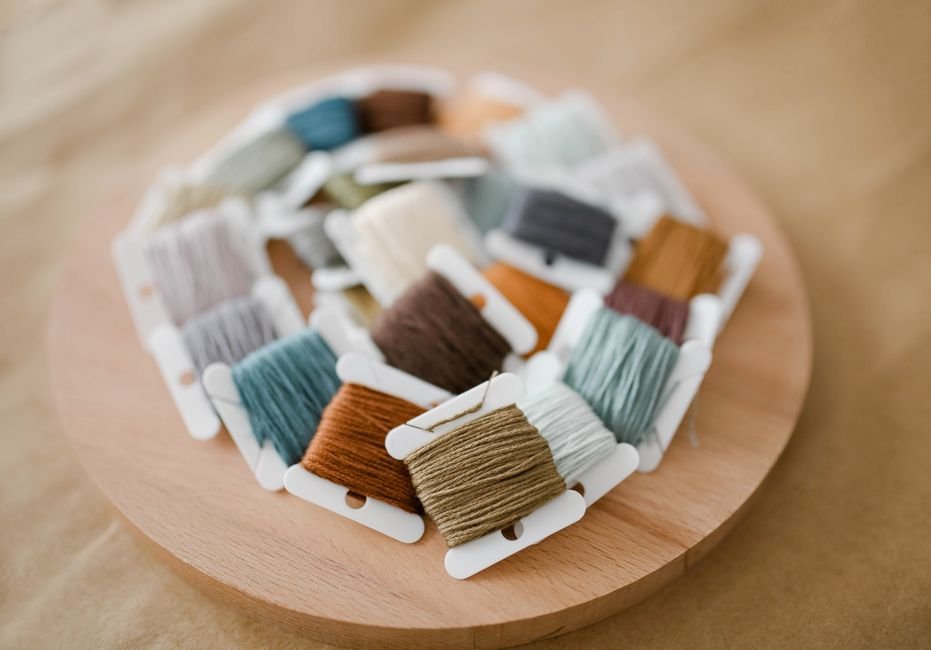
Designer patterns in this style are commonly paired with higher-quality materials than a typical beginner kit might include, largely because the more detailed color work benefits from fabric and floss that hold up well to the additional handling a longer, more involved project requires. Evenweave fabric or higher-count aida is a common choice, since the finer weave supports the more detailed shading and color blending these designs often call for. Higher-quality stranded cotton floss, chosen for consistent dye lots and a smooth finish, helps ensure color accuracy across what can be a fairly large number of individual thread colors in a more elaborate design. Many stitchers working through a designer pattern also invest in a good quality hoop or frame specifically to keep tension even throughout a longer project, since inconsistent tension becomes more visually noticeable in detailed color work than it would in a simpler, blockier design. A comfortable, well-lit workspace matters more too, given how much longer these more detailed patterns typically take to complete compared to a quick beginner project.
Choosing A Pattern By Skill Level
Assessing whether a particular designer pattern matches your current skill level is worth doing honestly before purchasing, since these charts can range fairly widely in complexity. Some designs in a collection like this stay accessible to stitchers with moderate experience, using a manageable color count and straightforward full cross stitch throughout. Others lean considerably more advanced, incorporating partial stitches, extensive color blending, or specialty stitches that assume real comfort with the craft already. Reading through a pattern’s stated stitch count and color count before purchasing, rather than judging complexity purely from the finished photo, gives a more realistic sense of what you’re taking on. Many experienced stitchers suggest starting with a smaller or simpler design from a designer’s collection before committing to one of their larger, more involved pieces, both to get a feel for their charting style and to build confidence before a bigger investment of time. Setting realistic expectations about how long a more advanced designer pattern will actually take also helps, since these charts are meant to be enjoyed at a relaxed pace rather than rushed toward completion.
Where Collections And Availability Can Change
It’s worth understanding that designer pattern lines, like most creative product collections, change and evolve over time, with certain charts going out of print or availability shifting as a designer releases new work. This is simply how creative businesses of this kind typically operate rather than anything unusual, but it does mean that a specific pattern you’ve had your eye on may not always be readily available, and reappearing stock or reprints aren’t something any retailer can promise in advance. If you find a particular design you love, it’s generally worth purchasing it when you see it available rather than assuming it will still be there later. Following a designer’s own channels or checking with retailers periodically is the most reliable way to stay informed about new releases or restocks, since availability patterns can vary quite a bit between different pattern lines and retailers. Signing up for a retailer’s newsletter or following relevant stitching communities online tends to be the most reliable way to hear about new releases before a popular design sells through.
Finishing And Framing Designer Cross Stitch Pieces
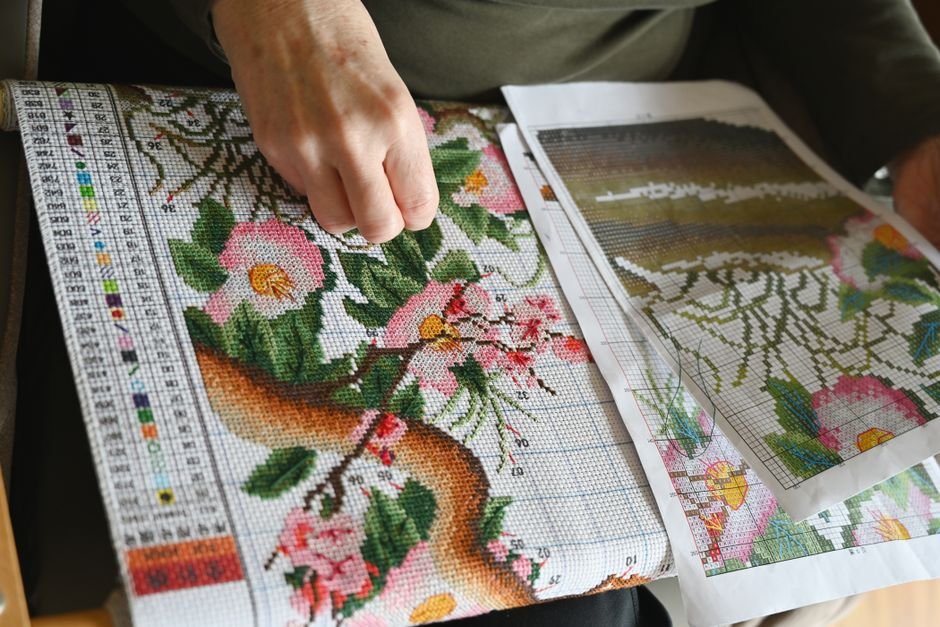
Finished designer cross stitch pieces deserve presentation that matches the care that went into stitching them, and a few finishing approaches tend to suit this more detailed style of work particularly well. Traditional framing under glass with an acid-free mat remains a classic choice, especially for larger, more elaborate pieces where you want the detail to be the clear visual focus without competing decorative elements. For pieces with a more traditional or vintage-inspired aesthetic, a wood frame with a simple profile tends to complement the design better than an overly modern or minimalist frame style. Whatever framing choice you make, using acid-free materials throughout the mounting and framing process helps protect a detailed piece that likely represented weeks or months of stitching time, ensuring the color and fabric hold up well for years of display. Taking a piece to a professional framer who has experience with textile work is worth considering for a particularly involved or sentimental design, since improper mounting can genuinely distort or damage delicate handwork over time. The cost of professional framing can feel like a lot after already investing significant time and thread into a piece, but many stitchers find it’s worth every penny once they see a beloved design properly protected and beautifully presented on the wall for years to come, and it’s a fitting final step for a piece that took real skill and patience to complete. That final presentation is really what turns weeks or months of careful stitching into a piece worth passing down, so it’s worth budgeting for good framing the same way you budgeted time for the stitching itself.
Ready to explore designer cross stitch patterns? Explore our Embroidery and Monogramming guides here at Bee’s Quilt Shop for more stitching advice, and browse our current patterns collection to see what’s available right now. Explore more Embroidery & Monogramming guides on the blog, or browse our Patterns collection to see what is currently available.
Frequently Asked Questions
Are Erica Michaels cross stitch patterns suitable for beginners?
Some designs stay accessible to stitchers with moderate experience, while others lean more advanced with extensive color blending. Checking a pattern’s stated stitch and color count is the best way to gauge whether it fits your current skill level.
What materials work best with designer cross stitch patterns like these?
Higher-count aida or evenweave fabric, along with quality stranded floss, generally suits the detailed color work these patterns often call for. A good hoop or frame also helps keep tension even across a longer project.
Will a specific pattern I love always be available to buy later?
Not necessarily, since designer pattern lines are released and retired over time like most creative product collections. If a specific design catches your eye, purchasing it when you find it in stock is generally the safer choice.
How long does a typical designer cross stitch pattern take to finish?
It varies widely depending on stitch count and color complexity, but these patterns are generally meant to be enjoyed at a relaxed pace rather than rushed. Many stitchers work on a design over several weeks or months.
What’s the best way to frame a finished designer cross stitch piece?
Traditional framing under glass with an acid-free mat works well for most detailed pieces, letting the artwork remain the clear visual focus. A framer experienced with textile work is worth considering for a particularly involved or sentimental design.
This article is intended for general educational and informational purposes only, based on common needlework practices. Results vary by skill level, materials, and pattern choice, so reviewing a pattern’s full details before starting is always a good idea. Bee’s Quilt Shop shares this guide as part of our ongoing library of quilting and sewing resources.