Quick answer: A Floriani embroidery thread color chart helps machine embroiderers match numbered thread codes on a design file to the correct physical spool. It also supports cross-brand substitution and color planning before a project begins.
A Floriani embroidery thread color chart is one of those tools that seems minor until you’re actually staring at a design file full of color codes with no fabric swatches in sight, at which point it quickly becomes indispensable. For machine embroiderers working with digitized designs, matching the exact colors a designer intended, or finding a reasonable substitute when a specific spool isn’t on hand, depends entirely on having a reliable color reference to work from. This guide covers what a thread color chart is actually used for, how numbered color reference systems generally work, how to approach matching colors across different thread brands, practical ways to use a chart while planning a design’s palette, and the tradeoffs between keeping a physical versus digital reference on hand. Whether you’re new to machine embroidery or you’ve been stitching for years but never quite settled on an organized color reference system, this guide covers the practical basics. At Bee’s Quilt Shop, thread organization and color matching are consistently among the most common questions we hear from embroiderers working with digitized designs, especially from stitchers who are newer to machine embroidery and haven’t built a system yet.
What The Floriani Thread Color Chart Is Used For
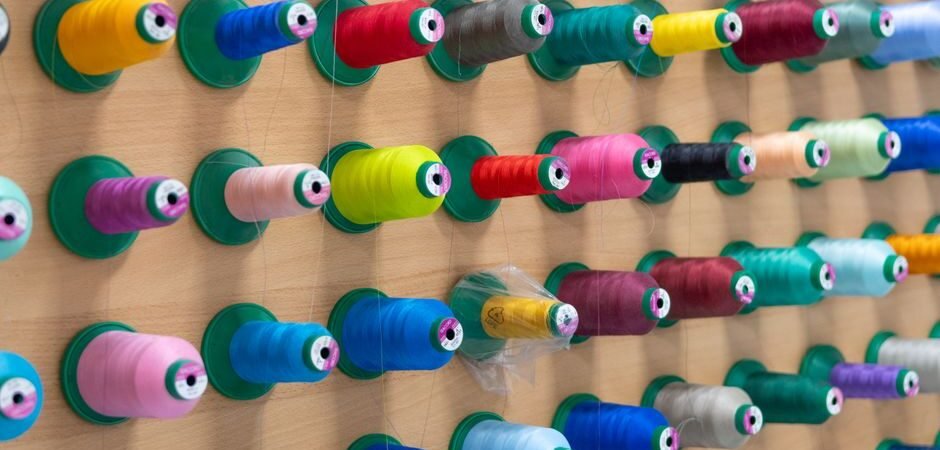
A thread color chart exists to solve a very specific, very common problem: translating a numbered color code on a digitized embroidery design into an actual spool of thread you can load into your machine. Without a reliable chart, embroiderers are left guessing at colors based on a small thumbnail image or a vague color name, which can lead to a finished piece that looks noticeably different from what the designer intended. A good color chart typically shows an accurate representation of each thread color alongside its corresponding reference number, letting you cross-check a design file’s color list against your own available thread inventory before you ever thread the machine. This becomes especially important for anyone stitching a design pulled from an online marketplace or a designer whose specific brand of thread you don’t already stock, since the color codes embedded in most digitized files are brand-specific rather than universal. Keeping a chart on hand essentially removes that guesswork entirely, letting you go straight from a design file’s color list to the correct spool without any trial and error.
Understanding Floriani’s Color Numbering System
Numbered thread color systems generally work by assigning each individual dyed shade a unique reference number, which stays consistent across that brand’s catalog so a specific number always corresponds to the same color regardless of when or where you purchase it. This numbering approach gives embroiderers a reliable, repeatable way to reorder a specific shade without needing to physically match it against a sample every single time, which matters a lot for anyone doing repeat work in a consistent color palette. Rather than describing colors purely by name, which is subjective and varies a lot between individuals, a numbered system provides an objective reference point that removes ambiguity from color selection and reordering. Most thread manufacturers organize their numbering loosely by color family, grouping similar shades together, though the specific logic and range of numbers varies from one brand’s system to another, which is part of why cross-brand matching takes a little extra care. Understanding this general logic, even without memorizing specific numbers, makes it much easier to navigate any brand’s chart quickly once you know roughly where to look for a given color family.
Matching Floriani Colors To Other Thread Brands
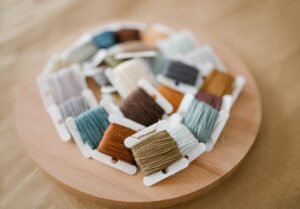
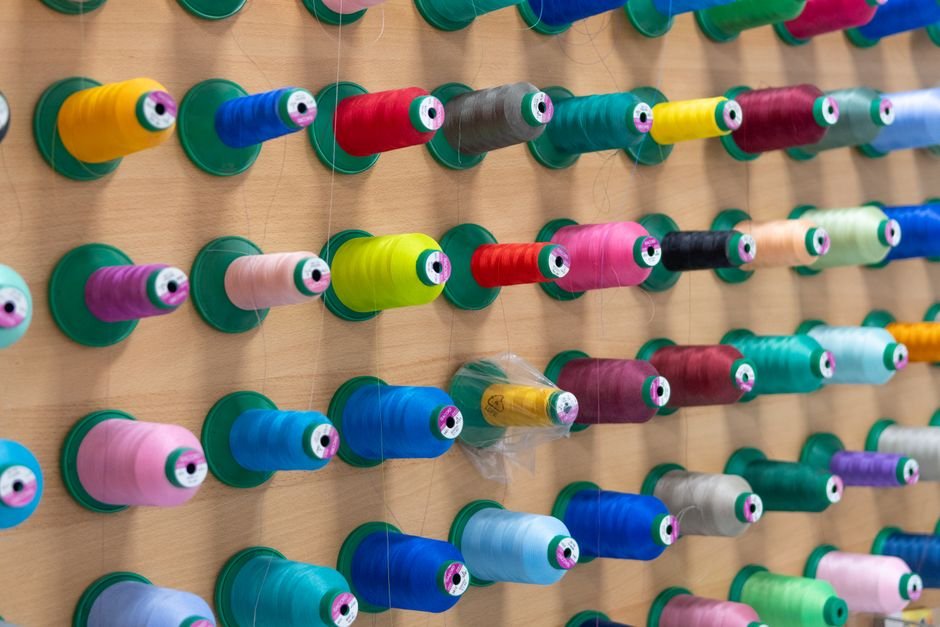
Matching colors across different thread brands is a genuinely common need, especially when a design file specifies a brand you don’t currently stock or when you’re trying to substitute a color you’ve run out of. The general approach involves comparing the visual appearance of the specified color against your available thread, ideally under consistent lighting, since thread color can look surprisingly different under warm indoor light compared to daylight or a color-corrected lamp. Many embroiderers keep a small physical swatch card of their most-used threads specifically for this kind of side-by-side comparison, since screen colors are notoriously unreliable for precise matching. It’s worth accepting upfront that a cross-brand substitution will rarely be an exact match, since different manufacturers use different dye formulations, but a close visual match is generally sufficient for all but the most exacting color-critical work, and most finished designs read just as well with a reasonably close substitute as with the exact originally specified brand. Stitching a small test swatch with your substitute color before committing to the full design is a smart habit, since thread color can shift slightly once it’s actually stitched compared to how it looks on the spool.
Using A Color Chart To Plan A Design
Using a color chart proactively, before you ever start stitching, is one of the more practical habits experienced machine embroiderers develop over time. Rather than discovering partway through a project that you’re missing a specific color, pulling up the design’s full color list against your chart ahead of time lets you gather every needed spool, or plan substitutions, before you’re mid-project and stuck. This is particularly useful for larger, multi-color designs where running out of one shade partway through can mean an awkward pause while you source a replacement or a matching alternative. Some embroiderers also use a color chart creatively during the planning stage, swapping out a designer’s originally specified palette for their own color choices by referencing the chart to select coordinated alternatives that still work well together, rather than sticking strictly to the design file’s defaults. This kind of proactive planning also helps you shop more efficiently, since you can build a complete thread list before ever visiting a shop rather than making several separate trips as you discover missing colors mid-project.
Keeping A Physical Vs Digital Color Reference
Whether to keep a physical printed chart or rely on a digital reference tool comes down mostly to personal workflow preference, and plenty of embroiderers use some combination of both. A physical printed chart has the advantage of being immediately available at the sewing table without needing a device nearby, and printed color swatches, while never perfectly accurate to the actual thread due to the limits of ink printing, still give a reasonably useful visual reference at a glance. Digital tools, whether a manufacturer’s own app or a searchable online chart, tend to stay more current as new colors get added to a line, and many offer search or filter functions that make finding a specific number or color family faster than flipping through a printed booklet. Many embroiderers ultimately land on keeping a physical chart for quick reference during actual stitching sessions, while turning to a digital version for more detailed planning work done away from the sewing machine. Keeping both versions reasonably current, updating a printed chart when new colors are released rather than relying on an outdated copy, avoids the frustration of planning around a color that’s since been discontinued or renumbered.
Storing Thread So It Stays Organized By Color
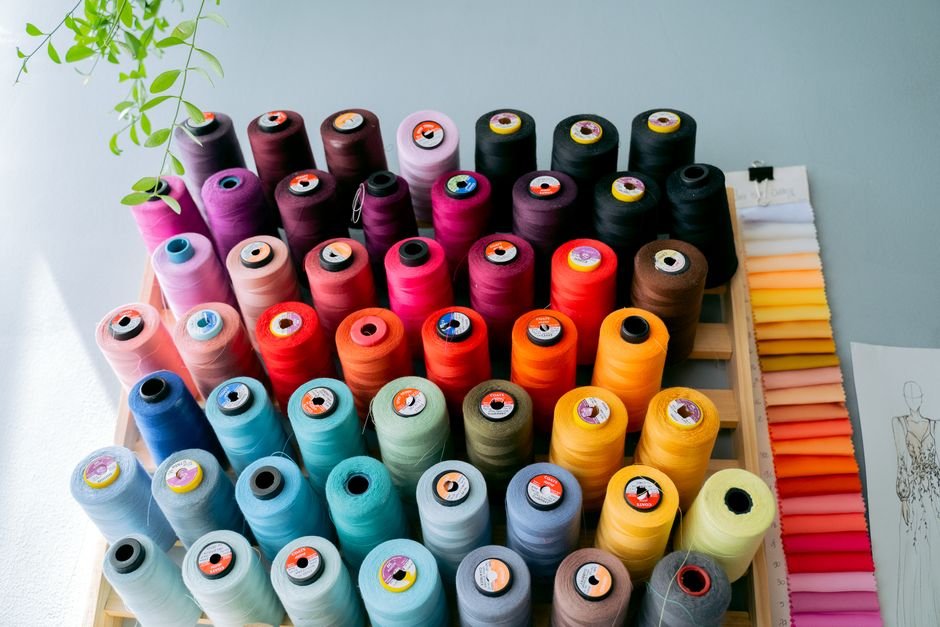
As any thread collection grows, keeping it organized by color becomes genuinely important for actually being able to find what you need without wasting time digging through a disorganized box. Clear storage cases with individual compartments let you sort spools by color family, making it easy to scan visually for a shade rather than reading through faded labels on every single spool. Labeling storage compartments with the corresponding number ranges from your color chart creates a system where restocking and finding thread both stay fast and predictable over time. Many embroiderers also keep a simple written or digital inventory list noting which specific numbers they currently have on hand, updated as spools run low or get replaced, which pairs naturally with the color chart itself to create a complete, genuinely useful reference system for planning future projects. Revisiting that inventory every few months and restocking commonly used colors before they run out entirely helps keep a project from stalling mid-design over one missing spool, and building this habit early saves real frustration once you’re regularly working with larger, more color-intensive designs.
Ready to organize your embroidery thread collection? Explore our Embroidery and Monogramming guides here at Bee’s Quilt Shop for more stitching advice, and browse our current embroidery thread collection to see what’s available right now. Explore more Embroidery & Monogramming guides on the blog, or browse our Embroidery Thread collection to see what is currently available.
Frequently Asked Questions
Why do I need a thread color chart for machine embroidery?
A chart translates the numbered color codes in a digitized design file into the actual spool you need to load, removing guesswork from color matching. Without one, you’re left estimating colors from a small thumbnail image alone.
Can I substitute a different thread brand if I don’t have the exact color specified?
Yes, comparing the visual appearance of the specified color against your available thread under consistent lighting usually gets you a close enough match. A cross-brand substitution is rarely an exact match, but it’s generally sufficient for most projects.
Should I keep a printed chart or use a digital version?
Many embroiderers use both, keeping a physical chart for quick reference at the machine and a digital version for more detailed planning work. Digital tools also tend to stay more current as new thread colors are released.
How should I organize my thread collection using a color chart?
Clear storage cases sorted by color family, labeled with the corresponding number ranges from your chart, make it easy to find what you need quickly. Keeping a simple inventory list of what you currently have on hand also helps with planning purchases.
What if a specific thread color has been discontinued?
Checking an updated color chart for a close replacement number is the most reliable approach, since manufacturers occasionally retire and replace shades over time. Bee’s Quilt Shop suggests keeping your reference materials current for exactly this reason.
This article is intended for general educational and informational purposes only, based on common machine embroidery practices. Results vary by equipment, thread brand, and design file, so testing color matches before a full project is always a good idea. Bee’s Quilt Shop shares this guide as part of our ongoing library of quilting and sewing resources.