Quick answer: Choosing a quilt pattern well means reading it carefully before buying, matching its difficulty and required fabric to your skill level and stash, and knowing how to modify size or colorway to fit your own project.
Choosing your next quilt pattern can feel surprisingly overwhelming given how many options exist across shops, designers, and online marketplaces today, and knowing how to actually evaluate a pattern before buying makes the whole process far less stressful and far more likely to end in a project you’re genuinely happy with from start to finish. A good pattern purchase decision goes well beyond simply liking the finished photo, since the actual construction details, fabric requirements, and skill demands ultimately determine whether the project ends up an enjoyable success or a frustrating struggle that gets abandoned partway through and never truly finished. Building a habit of reading patterns critically before committing to them pays off across every future project you take on, not just the one immediately in front of you at the pattern rack. This guide covers how to read a pattern before buying, the different formats patterns typically come in, matching pattern difficulty to your own skill level, estimating fabric and time commitment from a pattern, modifying a pattern’s size or colorway, and building a useful personal pattern library over time. At Bee’s Quilt Shop, helping quilters choose patterns that actually match their skills and goals is central to what we do, and it’s a conversation we’re always happy to have with a shopper standing in front of the pattern rack unsure where to start looking.
Reading A Quilt Pattern Before You Buy
Reading a pattern carefully before purchasing means looking past the finished photo to the actual details that determine whether the project fits your needs and current abilities as a quilter working through your skills. Check the listed finished size to confirm it matches your intended use, whether that’s a wall hanging, lap quilt, or full bed-size project you’re planning to give as a gift to someone special in your life. Look at the required piecing techniques, since a pattern using curved seams or set-in pieces demands more skill than one built entirely from straight seams, even if both patterns look similarly impressive in the cover photo printed on the package itself. Reviewing customer photos or reviews when available often reveals a more honest sense of actual difficulty than the pattern’s own marketing description provides, since other quilters tend to mention specific sticking points a manufacturer’s copy would never highlight in its own promotional text or cover description.
Pattern Formats: PDF, Printed, And Kits
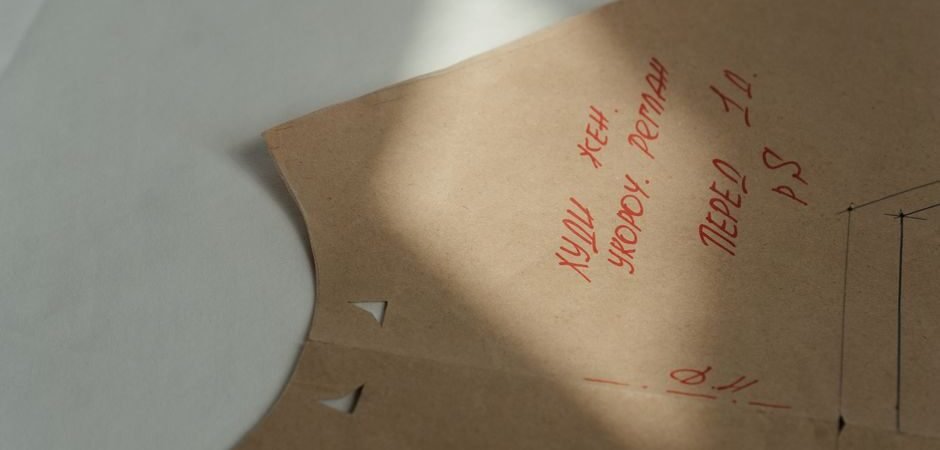
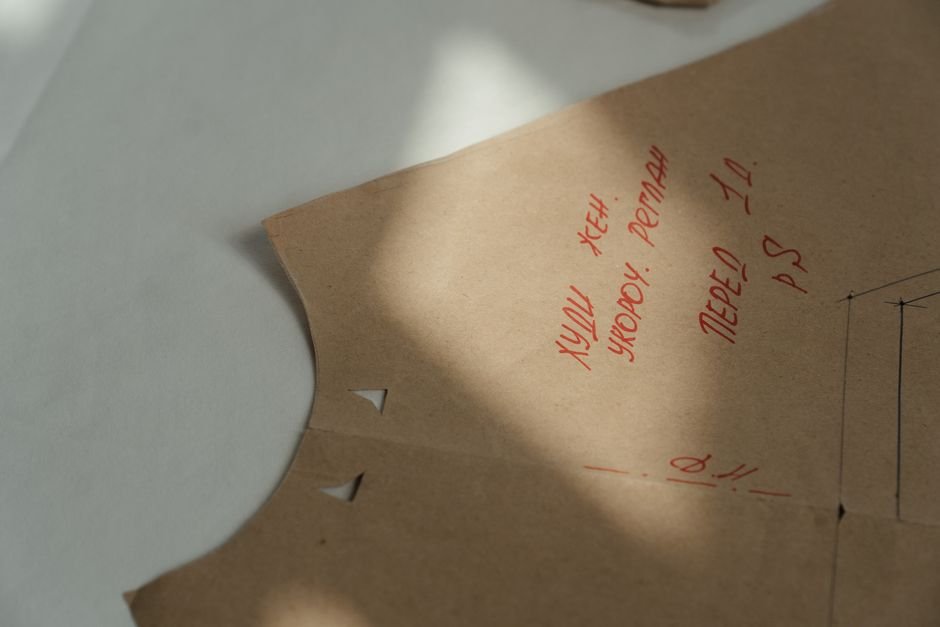
Patterns are generally available in a few common formats, each with distinct tradeoffs worth considering before you decide which one to buy for a given project you’re planning. Printed paper patterns offer a tangible, easy-to-reference format that doesn’t require a device nearby while you work at your sewing table, though they can be lost or damaged over time if you’re not careful about proper storage between different uses. Downloadable PDF patterns offer instant access and easy reprinting if needed, though they require either printing pages yourself at home or working directly from a screen propped up near your sewing machine while you cut and sew each piece. Patterns bundled into kits include precut fabric alongside the instructions, trading a higher price for significant convenience and guaranteed fabric coordination that removes an entire shopping step from the process altogether. Some designers now also offer patterns bundled with instructional video content, which can be genuinely helpful for a technique you haven’t tried before and want to see clearly demonstrated on screen.
Matching Pattern Difficulty To Your Skill Level
Matching a pattern’s difficulty rating to your actual current skill level, rather than the skill level you’re working toward someday in the future, leads to a much more enjoyable project experience overall from cutting through the final binding stitch. Beginner-rated patterns typically rely on straight seams and larger, more forgiving pieces that hide minor inaccuracies well, letting you build confidence without excessive frustration along the way as you learn. Intermediate and advanced patterns introduce techniques like partial seams, curved piecing, or paper piecing that require more practice to execute cleanly and consistently across an entire quilt top made of many repeated blocks sewn together. If a pattern’s rating feels ambiguous or unclear, researching the specific techniques it requires gives you a clearer, more concrete sense of actual difficulty than the label alone, since difficulty ratings aren’t standardized across different pattern designers and publishers in the wider industry.
Estimating Fabric And Time From A Pattern
Estimating fabric needs and realistic time commitment from a pattern helps you plan both your budget and your project timeline accurately before you ever start shopping for fabric at your local quilt shop. Most quality patterns list specific yardage requirements per fabric used, though adding a small cushion beyond the stated minimum protects against cutting mistakes and the occasional need to recut a piece that didn’t come out quite right the first time. Time estimates are trickier since patterns rarely state them explicitly anywhere on the packaging, but counting the total number of pieces and blocks gives you a rough sense of how many piecing sessions the project will realistically require before it’s ready to quilt and bind into a finished piece. Factoring in your own available sewing time honestly, rather than an idealized amount of free time you rarely actually have in a genuinely busy week, produces a far more realistic project timeline you can actually stick to without disappointment.
Modifying A Pattern’s Size Or Colorway
Modifying a pattern’s size or colorway opens up considerably more creative flexibility once you understand the underlying math involved in resizing a design to fit your own specific needs and space. Resizing typically means adjusting either the number of blocks or the finished size of each individual block, both of which require recalculating total yardage and sometimes adjusting border width to keep overall proportions visually balanced across the finished top. Changing a colorway simply means substituting your own fabric choices for the designer’s original selections shown in the pattern photo, which works well as long as you maintain similar contrast and value relationships between different fabric placements in the pattern’s original design layout and structure.
Building A Personal Pattern Library
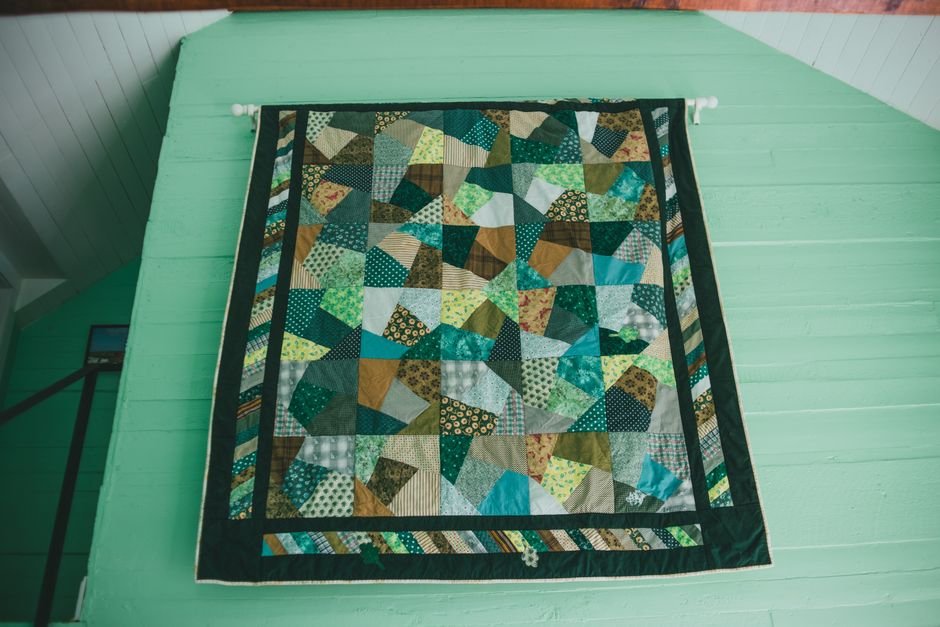
Building a personal pattern library pays dividends the longer you continue quilting, giving you a ready reference for future projects rather than starting your search from scratch every single time inspiration strikes unexpectedly at an odd hour. Organizing patterns by skill level, finished size, and technique type, whether in physical binders or digital folders on your own computer, makes it much easier to find an appropriate pattern quickly when a specific occasion or a sudden burst of free time calls for a brand new project. Over time, a well-organized library becomes a genuinely valuable resource reflecting your own growing skills and evolving taste as a quilter, and many quilters find real satisfaction in revisiting an old favorite pattern years later with newly developed skills they simply didn’t have the first time around when they bought it. Keeping a simple log of which fabrics you used for a given pattern, along with any modifications you made along the way, also turns your library into a genuinely useful record of your own quilting history over the years. Sharing favorite patterns with a local guild or online group can lead to helpful discussion about how others approached the exact same design, sometimes revealing a shortcut or improvement you hadn’t considered on your own the first time through. Photographing your finished project alongside the original pattern, and filing both together, gives future you an honest visual reference of how a specific fabric choice actually turned out once sewn, which is often more useful than trying to remember from a mental impression years later. Over a full quilting lifetime, this kind of simple documentation habit becomes a genuinely rich, personal record of your own growth and changing taste as a maker, one that’s genuinely enjoyable to look back through after many years of active quilting and steady creative growth as a maker over a full quilting lifetime spent thoughtfully choosing, adapting, completing, and reflecting on pattern after pattern along the way.
Ready to find your next quilt pattern? Browse our Quilt Patterns and Blocks guides for more project ideas, or explore our Patterns collection to see what’s currently available.
Frequently Asked Questions
What should I check before buying a quilt pattern?
Look at the finished size, listed skill level, required yardage, and whether it uses precuts, since these details affect both cost and how long the project will take.
What pattern formats are commonly available?
Patterns come as printed booklets, downloadable PDFs, or bundled into kits with fabric included, each offering different levels of convenience and price.
How do I know if a pattern matches my skill level?
Most patterns list a difficulty rating, but reviewing the piecing techniques required, like curved seams or set-in pieces, gives a clearer sense of actual difficulty.
Can I resize a pattern to a different finished size?
Often yes, by adjusting block count or block size, though this requires recalculating yardage and sometimes border proportions to keep the design balanced.
What’s a good way to build a personal pattern library?
Organizing patterns by skill level, size, and technique in labeled folders or binders makes it much easier to find the right one when starting a new project.
This article is intended for general educational and informational purposes only, based on common quilting practices. Pattern instructions and difficulty ratings vary by designer. Bee’s Quilt Shop shares this guide as part of our ongoing library of quilting and sewing resources.