Quick answer: Quilts can be categorized several ways: by construction method like pieced or applique, by overall style like modern or traditional, and by purpose like bed quilts, wall hangings, or tied comforters.
The word “quilt” covers a surprisingly broad range of finished styles and construction methods, and getting a clear overview of how quilts are typically categorized helps you understand where a specific pattern or project you’re considering actually fits within the broader craft as a whole tradition. Rather than one single, uniform style, quilts vary enormously based on how the top is constructed, the overall design aesthetic, and the intended purpose of the finished piece, and a single quilter might genuinely enjoy several very different styles across different projects made over the years. Understanding these categories gives you a useful vocabulary for describing what you want to make and for finding patterns that match your vision, rather than trying to explain a half-formed idea to a shop associate or fellow quilter without any shared terms to work from together clearly. This guide covers quilts categorized by construction method, pieced versus applique quilts, whole cloth and wholecloth-style quilts, modern versus traditional quilts, quilts categorized by purpose, and how to choose a style for your very next project. At Bee’s Quilt Shop, helping quilters find the specific style that resonates with them is a big part of matching people with the right pattern for their skills and interests as those interests grow and change.
Quilts Categorized By Construction Method
One of the most fundamental ways to categorize quilts is by construction method, which describes how the decorative top layer is actually built before it’s ever layered with batting and backing fabric underneath. Pieced quilts assemble the top from individually cut fabric pieces sewn edge to edge, creating patterns through color, shape, and value placement across the piecing throughout the entire finished top. Applique quilts instead stitch fabric shapes onto the surface of a background fabric, building up a design through layering rather than piecing pieces edge to edge against one another directly at the seams. Whole cloth quilts skip both piecing and applique entirely, relying on the quilting stitches themselves, worked into a single fabric surface, to create visual interest through texture alone rather than color or shape placement across the piece.
Pieced Quilts Vs Applique Quilts
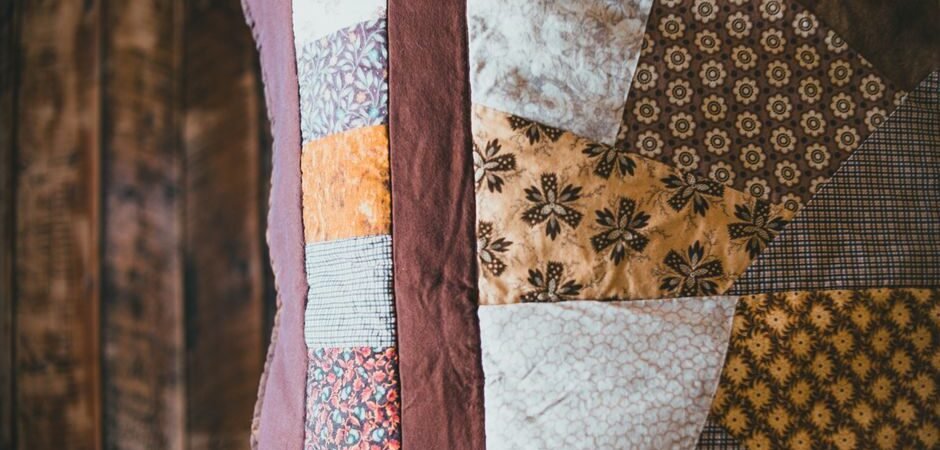
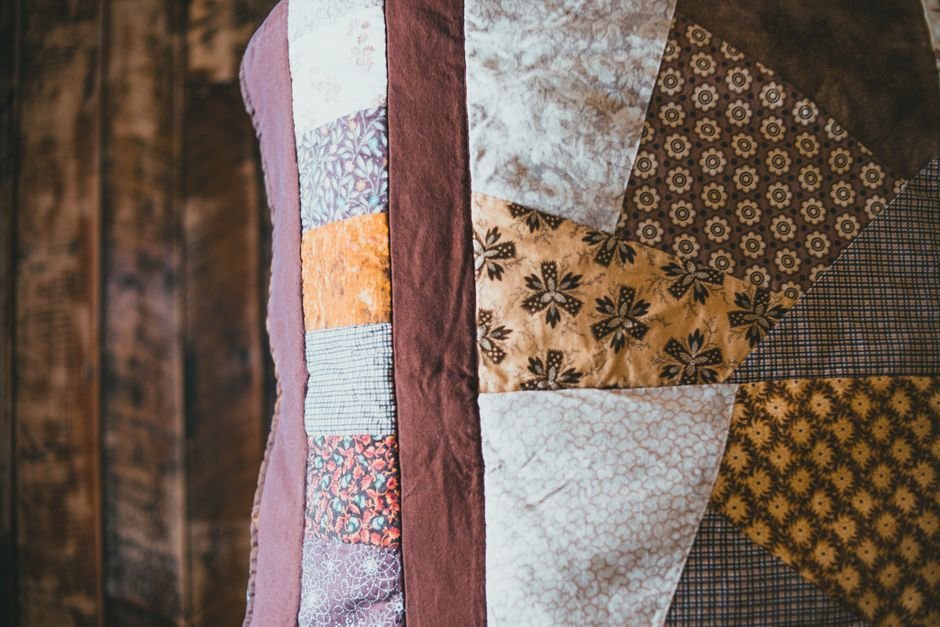
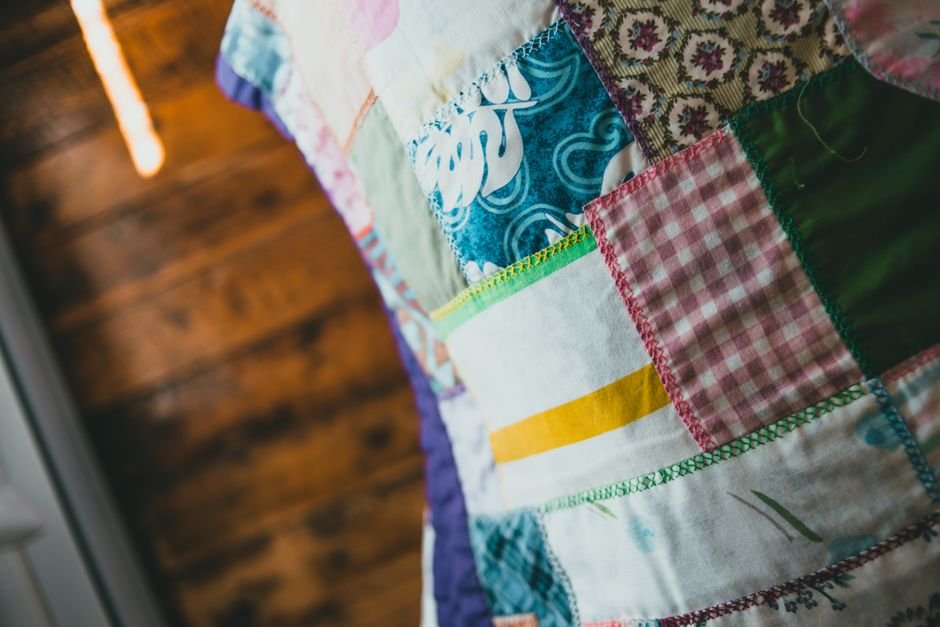
Comparing pieced and applique quilts more closely reveals genuinely different skill sets and aesthetic results worth understanding before choosing between them for a specific upcoming project you’re planning. Pieced quilts tend to favor geometric patterns and rely heavily on cutting and seam accuracy, since misaligned piecing shows clearly in the finished result once every block is assembled together into the completed top layer. Applique quilts favor curved, organic shapes like flowers, leaves, and figurative designs that would be difficult or impossible to achieve through piecing alone, relying instead on careful hand or machine stitching around each applied shape’s edges as it’s attached to the background. Many quilters specialize primarily in one approach or the other over time, though plenty of published patterns genuinely combine both techniques within a single finished project for added visual variety and interest throughout.
Whole Cloth And Wholecloth-Style Quilts
Whole cloth and wholecloth-style quilts represent a distinct category where the visual design comes entirely from dense, decorative quilting stitches rather than fabric piecing or applique at all across the entire surface. A single, often solid-colored fabric serves as the canvas, with elaborate quilting patterns, sometimes stitched by hand and sometimes by long-arm machine, creating texture and shadow that becomes visible primarily through the play of light across the raised and recessed stitching on the surface underneath. This style demands strong quilting skills specifically, since there’s no pieced pattern to distract from any inconsistency in the stitching itself once it’s finally finished, making it a style many quilters approach only after building substantial confidence with basic quilting technique first on simpler, less demanding projects.
Modern Quilts Vs Traditional Quilts
Modern quilts and traditional quilts represent more of an aesthetic distinction than a construction difference, though the two styles do tend to favor somewhat different techniques, colors, and fabric choices overall throughout the design. Modern quilts typically favor bold solid fabrics, generous negative space, and asymmetrical layouts that feel fresh and graphic rather than symmetrical and densely patterned across every inch. Traditional quilts lean toward classic block patterns, coordinated printed fabrics, and often symmetrical, balanced layouts rooted in quilting history stretching back many generations of skilled makers before us. Neither style is inherently more difficult to execute well, and many quilters enjoy moving between both depending on their current mood and the intended recipient of a specific project they’re planning to give away or keep for themselves.
Quilts Categorized By Purpose
Quilts can also be categorized by their intended purpose, which often shapes practical decisions around size, batting choice, and durability considerations well before the design itself is finalized on paper or fabric. Bed quilts prioritize warmth and generous size to cover a mattress fully from edge to edge on every side, often calling for a higher-loft batting suited to everyday use and frequent washing. Wall hangings and art quilts prioritize visual impact over practical warmth, often incorporating more elaborate design elements since they won’t experience the wear of daily use the way a bed quilt inevitably would over time. Baby quilts prioritize soft, washable materials and a smaller, manageable size appropriate for a crib or stroller, since they’ll be washed frequently and handled by small, curious hands on a regular basis.
Choosing A Style For Your Next Project
Choosing a style for your next project comes down to weighing your available time, current skill level, and what you actually want the finished piece to accomplish once it’s complete and put into everyday use. If you’re drawn to intricate detail and don’t mind a slower process, applique or whole cloth quilting might appeal to you despite the steeper learning curve each one genuinely requires before real mastery sets in. If you want a satisfying, relatively quick finish with strong visual impact, a modern pieced quilt using bold solids and simple geometric shapes often delivers striking results without demanding advanced technique, making it a genuinely rewarding choice for a quilter still building confidence in their own developing skills. There’s real value, too, in simply trying a style you haven’t attempted before purely out of curiosity, since a genre that initially feels intimidating on paper often turns out to be more approachable than expected once you actually start working through it block by block. Many quilters look back on a style they once considered “not for them” as one of their favorite completed projects in hindsight, precisely because they gave it an honest try. Sampling a smaller version of an unfamiliar style, like a single applique block or a small whole cloth practice piece, is a low-risk way to test the waters before committing significant time and fabric to a full-size quilt in that same style. Talking with other quilters at a local shop or guild meeting about which styles they personally gravitated toward, and why, often surfaces genuinely useful perspective that a written guide alone can’t fully capture on its own. Seeing several different styles displayed side by side in person, rather than only in photographs online, also tends to reveal genuine texture and scale differences that a screen simply can’t convey accurately. Many quilters describe a specific in-person moment, seeing a particular finished quilt up close for the first time, as the exact point their own style preferences finally became clear to them and their future projects. Quilt shows and guild exhibits, in particular, offer a rare chance to see dozens of different styles displayed together in one place, which makes comparing scale, texture, and overall visual impact far easier than flipping through photos on a screen one at a time. Even a modest local exhibit is well worth the visit for exactly this reason before settling firmly on a single preferred style for your very next project and beyond. Many quilters ultimately settle into a signature style over time while still happily borrowing individual elements from other categories whenever a specific project genuinely calls for it.
Ready to decide which quilt style fits you best? Browse our Quilt Patterns and Blocks guides for more style ideas, or explore our Patterns collection to see what’s currently available.
Frequently Asked Questions
How are quilts typically categorized?
Quilts are often categorized by construction method, such as pieced or applique, by overall design style like modern or traditional, and by intended purpose or use.
What’s the difference between pieced and applique quilts?
Pieced quilts are built from fabric shapes sewn edge to edge, while applique quilts stitch fabric shapes on top of a background fabric to create the design.
What defines a “modern” quilt style?
Modern quilts typically favor bold solids, negative space, and asymmetry, contrasting with traditional quilts that lean toward classic blocks and coordinated prints.
What is a whole cloth quilt?
A whole cloth quilt uses a single piece of fabric for the top rather than pieced blocks, letting the quilting stitches themselves create the main visual design.
How do I choose a quilt style for my first project?
Consider your patience for detail work and available time, since pieced patchwork, applique, and dense whole cloth quilting each demand different skills and time.
This article is intended for general educational and informational purposes only, based on common quilting practices. Style categories can overlap and terminology varies by region. Bee’s Quilt Shop shares this guide as part of our ongoing library of quilting and sewing resources.