Quick answer: Cross stitch kits for adults include coordinated aida cloth, floss, a needle, and a pattern designed with sophisticated colors and themes suited to grown-up taste. They range from simple beginner designs to detailed portrait-style kits for experienced stitchers.
Cross stitch has quietly become one of the most popular crafts for adults over the past several years, and cross stitch kits for adults are a big part of why it’s so easy to get started. Unlike the simplified alphabet samplers many of us stitched as kids, today’s adult-oriented kits lean into sophisticated color palettes, clever wordplay, and design themes that actually appeal to grown-up taste. Whether you’re picking up a needle for the first time since childhood or you’re a longtime crafter looking for a new hobby to fill quiet evenings, a well-chosen kit takes the guesswork out of getting started. This guide walks through what makes adult cross stitch kits different, how to choose one that fits your style and skill level, and what to do once you’ve finished your first piece, including a look at finishing options many beginner guides skip over entirely. At Bee’s Quilt Shop, we hear from stitchers at every stage, from complete beginners to people returning to the craft after years away, and the questions tend to circle back to the same handful of decisions, and having a clear framework for those decisions makes the whole shopping process a lot less overwhelming.
Why Cross Stitch Has Become Popular With Adult Hobbyists
Part of what’s driven the resurgence is that cross stitch offers something a lot of screen-heavy hobbies simply can’t, which is a genuinely tactile, unplugged way to spend an hour. Many adults find that the repetitive motion of stitching helps quiet a busy mind without demanding constant decision-making, unlike a lot of other crafts that require you to solve a new problem every few minutes. It’s also portable in a way that appeals to people with unpredictable schedules, since a small kit fits in a bag and travels well to a waiting room, a commute, or a weekend trip. Social media has played a role too, with stitchers sharing progress photos and finished pieces that showcase just how far the craft has moved beyond old-fashioned samplers. Adult-oriented kits often lean into humor, pop culture references, or minimalist modern design, which gives the hobby a fresh identity that resonates with people who might never have considered cross stitch appealing before. That combination of relaxation, portability, and genuinely appealing design is a large part of why cross stitch kits for adults keep showing up on gift lists and hobby recommendation roundups.
What’s Included In An Adult-Oriented Cross Stitch Kit
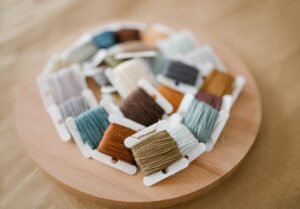
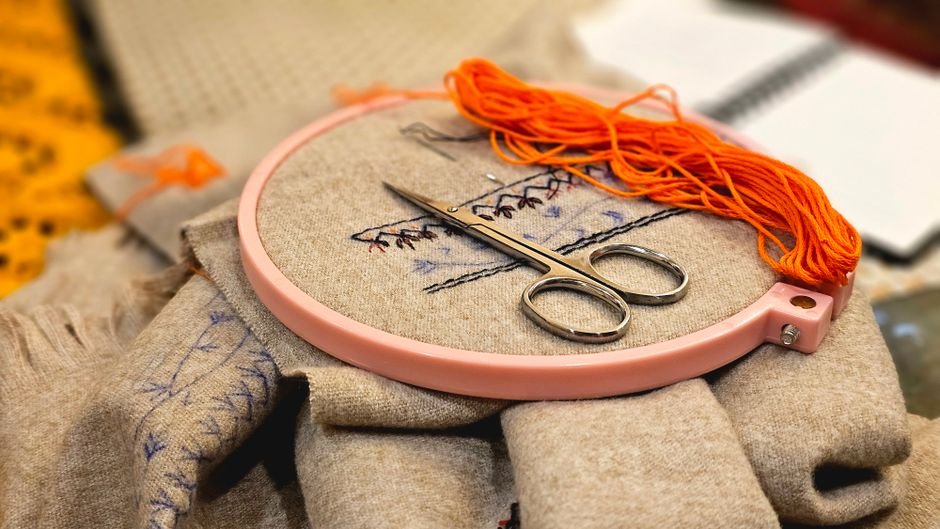
A typical adult-oriented cross stitch kit includes a few consistent components regardless of design theme. You’ll usually find a piece of aida cloth, which is the evenly woven fabric with visible holes that makes it easy to count stitches accurately, sized to accommodate the finished design with a comfortable margin for framing later. Embroidery floss comes next, typically in stranded cotton, pre-sorted or wound onto small cards or bobbins and labeled with color numbers that correspond to a legend on the pattern. A needle suited to the fabric count is included as well, along with the printed or charted pattern itself, which for adult kits tends to include more colors and finer detail than a children’s kit built around a simple, blocky image. Many kits also include a small embroidery hoop to keep the fabric taut while you work, though some stitchers prefer to buy a separate hoop they already like the feel of. The pattern complexity is really where adult kits distinguish themselves, since designers assume a stitcher who’s comfortable following a chart with dozens of colors rather than five or six basic shades. Some higher-end kits also include a small pair of embroidery scissors or a needle threader, which are minor additions but genuinely useful for anyone who doesn’t already own basic stitching tools.
Choosing A Kit Based On Design Style
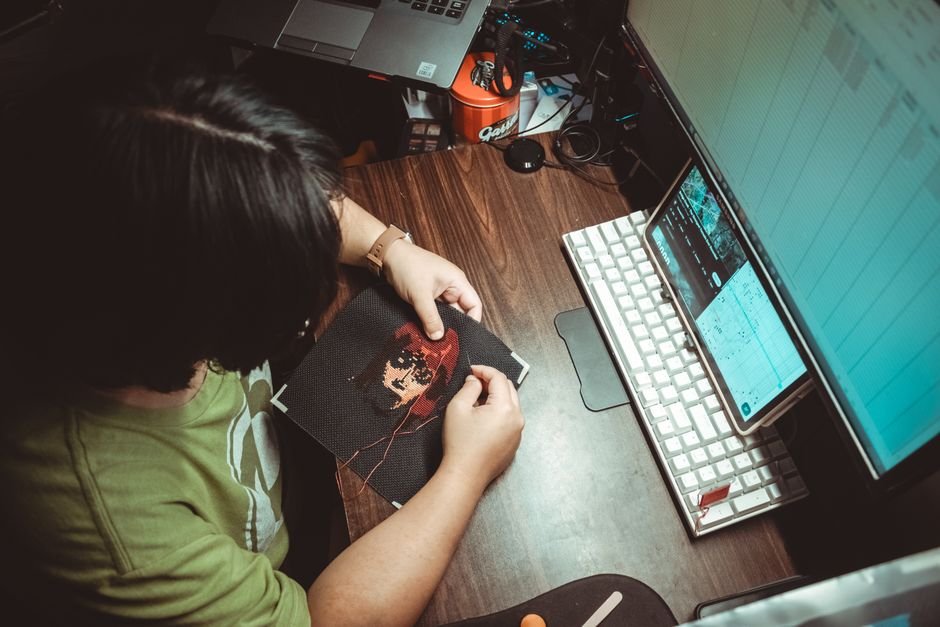
Design style is where personal taste comes into play the most, and the range available now is genuinely wide. Modern, minimalist kits favor clean line work, single-color or limited-palette designs, and often typography-based pieces that read almost like a printed quote. Sarcastic or humor-driven kits have become extremely popular gift items, pairing a cheeky phrase with a small decorative border, and they tend to appeal to stitchers who want a project with personality rather than pure technical challenge. Botanical designs, featuring detailed florals, houseplants, or nature scenes, appeal to stitchers drawn to color blending and shading work. Portrait-style kits, which recreate pets, landscapes, or recognizable scenes in stitched form, tend to sit at the more advanced end because they rely on subtle color gradation to create depth. Most quilters and stitchers find it helpful to browse a few different style categories before committing, since the design you’re excited to display on a wall matters just as much as how enjoyable the stitching process itself is.
Skill Level: Beginner Vs Intermediate Adult Kits
Assessing skill level honestly before buying a kit saves a lot of frustration down the road. Beginner kits typically use a lower stitch count, meaning fewer total stitches across the design, along with a more limited color palette, often under fifteen thread colors, and simpler shapes without much fine detail work. Intermediate kits increase both the stitch count and the color complexity, sometimes introducing partial stitches, French knots, or backstitch outlining in addition to the basic full cross stitch. If you’re newer to the craft, it’s worth resisting the temptation to jump straight into an intricate portrait-style kit just because the finished photo looks appealing, since a design with dozens of similar shades can be genuinely discouraging for a first project. Many experienced stitchers suggest working through at least one or two simpler kits first to build comfort with tension, counting, and finishing technique before tackling something more ambitious.
Cross Stitch As A Mindfulness Or Stress Relief Practice
Cross stitch has also earned a reputation as a mindfulness or stress relief practice, and it’s easy to see why once you spend an evening with a kit in hand. The repetitive, rhythmic motion of pushing a needle through evenly spaced holes gives your hands something steady to do while your mind is free to wander or simply settle. Many stitchers describe the process as meditative in the same way some people describe running or gardening, less about producing something and more about the calm that comes from focused, repetitive movement. That said, it’s worth being realistic rather than overstating things: cross stitch is a relaxing hobby for many people, but it isn’t a substitute for professional support if you’re dealing with genuine stress or anxiety, and a frustrating pattern with confusing color changes can just as easily raise your blood pressure as lower it. Choosing a kit that matches your patience level on a given day is part of what keeps the hobby feeling restorative rather than like one more task on a list. Some stitchers even keep two projects going at once, a simpler one for genuinely low-energy evenings and a more detailed one for when they’re feeling patient and want a real challenge to sink into.
Framing And Displaying Finished Adult Cross Stitch Pieces
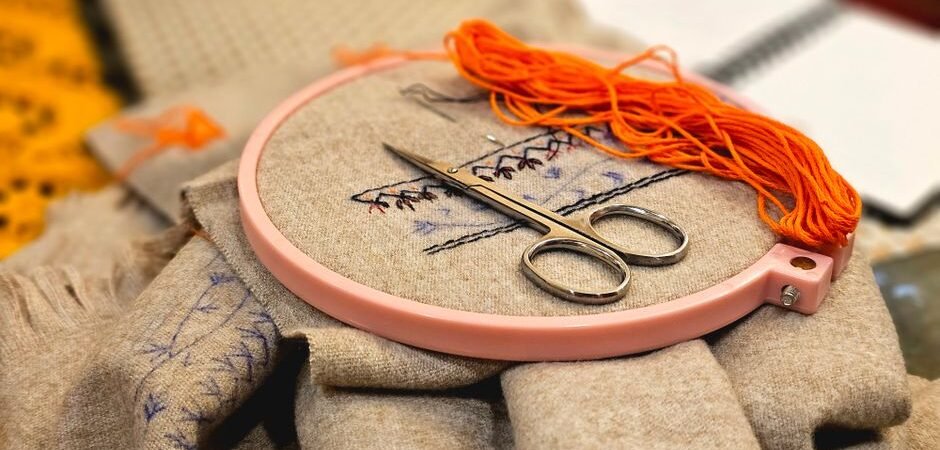
Once a piece is finished, how you frame and display it matters almost as much as the stitching itself. A basic finishing step involves washing the piece gently if needed, pressing it face down on a towel to avoid flattening the stitches, and then either hooping it permanently in a decorative frame or stretching it over acid-free board before framing under glass. Embroidery hoop displays have become popular for their casual, modern look and don’t require the piece to be perfectly squared the way traditional framing does. For pieces meant as gifts, many stitchers choose simple wooden or metal hoop frames that let the fabric edges show slightly, giving a handmade look that suits the craft’s current aesthetic. Whatever finishing method you choose, keeping finished pieces out of direct sunlight helps preserve both the floss color and the fabric over time, since UV exposure gradually fades even quality thread. Many stitchers also like to photograph a finished piece before framing it, both as a record of the work and as a handy reference in case any restitching or repair is ever needed down the road.
Ready to pick out your next cross stitch kit? Explore our Embroidery and Monogramming guides here at Bee’s Quilt Shop for more stitching advice, and browse our current kits collection to see what’s available right now. Explore more Embroidery & Monogramming guides on the blog, or browse our Kits collection to see what is currently available.
Frequently Asked Questions
What’s the difference between a cross stitch kit for kids and one for adults?
Adult kits generally use a more sophisticated color palette, finer detail, and more design themes like modern art, humor, or botanicals, while kids’ kits stick to bigger, simpler shapes and fewer colors. The stitch count and complexity are usually the biggest practical differences between the two.
Do I need any experience to start with a cross stitch kit?
No, most beginner-labeled kits are designed specifically for someone who has never picked up a needle before, with clear instructions and a manageable color count. Many stitchers at Bee’s Quilt Shop got started with exactly this kind of kit.
How long does a typical cross stitch kit take to finish?
It really depends on the stitch count and your available time, but a simple beginner kit might take a few evenings while a detailed portrait-style kit could take weeks or months. Working a little consistently tends to get you there faster than trying to power through in one sitting.
What size hoop or frame do I need for a finished piece?
That depends on your kit’s finished dimensions, so it’s worth checking the pattern’s stated size before buying a hoop or frame. Many kits include a hoop sized specifically for that project already.
Can I substitute floss colors if I don’t like the ones included in a kit?
Yes, many stitchers do this to personalize a design, though it’s worth mapping out your substitutions against the color key first so the overall contrast and shading still work as intended. This is a great way to make a kit feel more like your own.
This article is intended for general educational and informational purposes only, based on common cross stitch practices. Results vary by skill level, materials, and pattern choice, so testing techniques on scrap fabric first is always a good idea. Bee’s Quilt Shop shares this guide as part of our ongoing library of quilting and sewing resources.