Quick answer: A Husqvarna sewing machine, made by the Swedish brand Husqvarna Viking, is known for sturdy engineering and a range spanning mechanical, computerized, and embroidery-capable models. The right fit depends on your budget, sewing style, and access to local dealer support.
A Husqvarna sewing machine tends to come up in conversation the moment someone starts seriously researching their first real machine purchase, and it’s easy to see why the name carries so much weight in sewing and quilting circles. Husqvarna, more formally known today as Husqvarna Viking, is a Swedish sewing machine manufacturer with roots stretching back well over a century, and the brand has built a long-standing reputation for well-engineered machines that hold up to serious, regular use. That reputation doesn’t automatically mean a Husqvarna sewing machine is the right fit for every sewist or every budget, since preferences and needs genuinely vary by project type, skill level, and how much you want to spend. This guide walks through what the brand is generally known for, the range of machines available, and what a beginner should actually pay attention to when considering one. Because it’s a significant purchase for most households, taking a bit of time to understand the landscape before walking into a showroom or browsing listings tends to make for a much more confident decision. Bee’s Quilt Shop has a history with Husqvarna’s parent-adjacent Bernina machines and fields plenty of general sewing machine brand questions from quilters weighing their options.
A Brief Overview Of Husqvarna Sewing Machines
Husqvarna’s general reputation in the sewing and quilting community rests largely on a long history of mechanical engineering, since the company originally built its manufacturing expertise in other precision machinery before moving into sewing machines. That engineering background shows up in how the brand is typically discussed among long-time sewists, often praised for smooth stitch quality, sturdy construction, and machines that hold their calibration well over years of regular use. Like any established brand, opinions genuinely vary among individual sewists, and no single machine or manufacturer works perfectly for everyone’s specific sewing style, project types, or budget, so it’s worth treating brand reputation as one useful data point among several rather than the deciding factor on its own. Husqvarna machines are sold and serviced through a dealer network in many regions, which shapes both the buying experience and the ongoing maintenance relationship in a way that differs from picking up a big-box store machine with no dedicated local support. This can mean a slightly higher upfront investment compared to some entry-level competitors, though many owners find the tradeoff worthwhile once they factor in the value of hands-on setup help and ongoing service down the road.
Types Of Husqvarna Machines Available
The Husqvarna Viking lineup spans a genuinely wide range, from simpler mechanical machines suited to everyday garment sewing and basic quilting, up through computerized models loaded with stitch options, and further still into dedicated embroidery machines built for detailed decorative work. Mechanical models tend to appeal to sewists who prefer straightforward, dial-based controls without a screen or digital menu system to navigate, often valued for their simplicity and, in many cases, a lower price point as an entry into the brand. Computerized machines add programmable stitch settings, on-screen guidance, and often a broader range of built-in stitches and features, appealing to sewists who want more versatility and don’t mind a digital interface. Embroidery-capable machines, sometimes combined with standard sewing functions in a single unit, are aimed specifically at quilters and sewists who want to add machine embroidery to their projects, a genuinely different skill set and use case from straight piecing or garment construction. Because the range spans such different price points and feature sets, narrowing down which category actually fits your sewing habits matters more than fixating on the brand name alone.
Features To Look For As A Beginner
For a beginner considering any sewing machine, including a Husqvarna model, a handful of features are worth prioritizing over flashier extras. Stitch options matter, though a genuine beginner typically needs far fewer stitch types than a loaded machine advertises, so it’s worth thinking honestly about which stitches you’ll actually use rather than being swayed by a large number on a spec sheet. Ease of threading is a practical, often underrated factor, since a machine with a straightforward threading path and a reliable automatic needle threader saves real frustration during the early learning period when rethreading happens often. Included accessories, like a range of presser feet, a hard case or dust cover, and basic maintenance tools, add real value and are worth factoring into a price comparison, since some machines that look similarly priced up front differ quite a bit in what actually comes in the box. Beyond the machine itself, it’s worth researching what kind of local support and dealer network exists in your area for any brand you’re considering, since hands-on troubleshooting help genuinely matters more for a beginner than it might seem at the outset.
Husqvarna Vs Other Machine Brands
Comparing Husqvarna to other sewing machine brands is less about crowning a single objective winner and more about understanding how different manufacturers tend to position themselves. Some brands lean toward more affordable, widely available machines sold through big-box retailers, prioritizing accessibility and lower upfront cost over a dedicated dealer relationship. Other brands, Husqvarna included, tend to position themselves more toward a dealer-supported model, often at a higher price point, with the tradeoff of more hands-on setup, demonstration, and ongoing service support available locally. Preferences here genuinely vary by what a sewist values most, some prioritize saving money upfront and are comfortable troubleshooting independently or through online resources, while others place real value on an in-person relationship with a dealer who can walk through features, offer classes, and handle repairs directly. Neither approach is inherently better, and the right fit depends heavily on budget, how much hands-on support feels valuable, and what’s genuinely accessible in your specific area.
Maintaining A Husqvarna Machine
Maintaining any sewing machine, Husqvarna models included, comes down to a handful of consistent habits that keep it running smoothly for years. Regular cleaning, brushing out lint and thread debris from the bobbin case and feed dog area after significant use, prevents buildup that can eventually interfere with stitch quality or tension. Changing needles regularly, generally every project or two depending on fabric type and how much sewing you’re doing, keeps stitches clean and reduces strain on the machine’s mechanisms from a dull or bent needle. Periodic professional servicing, typically recommended on an annual basis for a machine in regular use, catches internal wear and calibration drift that isn’t always obvious from the outside, and this is exactly the kind of maintenance where a local dealer relationship becomes genuinely valuable. Following the specific maintenance schedule and oiling guidance in your machine’s manual, rather than assuming general sewing machine care applies identically across every model, helps avoid unintentionally causing wear the manufacturer specifically warns against. Keeping a simple log of servicing dates and any recurring issues can also help a dealer diagnose problems faster on future visits, since patterns over time often reveal more than a single isolated symptom.
Finding Support And Parts For Your Machine
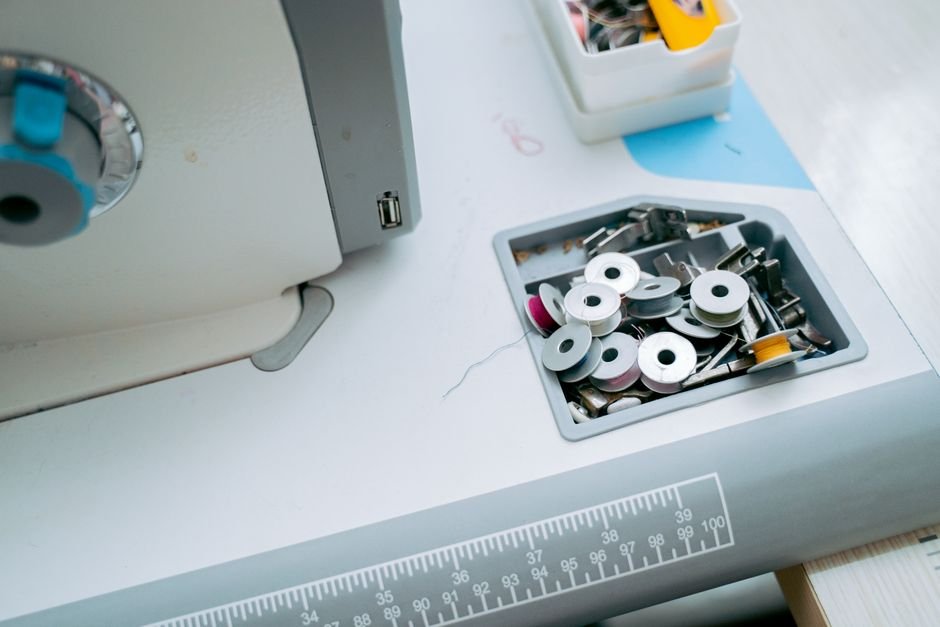
Finding reliable support and genuine parts for a Husqvarna machine matters just as much as the initial purchase decision, particularly a few years down the line when something inevitably needs attention. Authorized dealers offer the most reliable path to genuine replacement parts, accessories designed specifically for your model, and technicians trained on the brand’s particular mechanisms, which matters more for a computerized or embroidery machine than it might for a simpler mechanical model. Buying from an authorized source, rather than an unverified secondhand listing with an unclear service history, reduces the risk of ending up with a machine that’s difficult to get serviced or parts for later on. For sewists without an authorized dealer conveniently nearby, researching regional service options before committing to a purchase is a reasonable step, since a machine that’s wonderful in every other respect becomes a lot less appealing if a simple repair means shipping it a significant distance. As with any major sewing machine purchase, taking the time to understand the ongoing support picture, not just the upfront features, tends to pay off in long-term satisfaction with the machine.
Curious how a Husqvarna machine compares to other options? Explore our Sewing Machines and Repair library here at Bee’s Quilt Shop for more machine-specific advice, and browse our current machine collection to see what’s available. Explore more Sewing Machines & Repair guides on the blog, or browse our Sewing Machines collection to see what is currently available.
Frequently Asked Questions
Is a Husqvarna sewing machine good for beginners?
It can be, particularly the simpler mechanical models, though the brand also offers more advanced computerized and embroidery machines aimed at sewists further along in their skills. Thinking honestly about which features you’ll actually use helps narrow down the right model within the lineup.
How much does a Husqvarna sewing machine typically cost?
Prices vary widely depending on whether you’re looking at a basic mechanical model or a fully loaded computerized or embroidery machine, so it really comes down to which features and capabilities you need. At Bee’s Quilt Shop we always suggest comparing what’s actually included before judging price alone.
Where can I get a Husqvarna machine serviced?
Authorized Husqvarna dealers offer the most reliable path to genuine parts and technicians trained specifically on the brand’s mechanisms. Researching what dealer support exists in your area before buying is a smart step, especially for computerized or embroidery models.
Is Husqvarna better than other sewing machine brands?
No single brand is objectively best for everyone, since preferences vary by budget, sewing style, and how much value you place on dealer support versus independent troubleshooting. Husqvarna tends to be positioned more toward dealer-supported machines compared to some more budget-focused big-box brands.
Can I buy a used Husqvarna sewing machine?
Yes, though buying from a reputable source with a clear service history reduces the risk of ending up with a machine that’s hard to get parts or repairs for later. Checking with a local authorized dealer about a specific used model can help confirm it’s still supported.
This article is intended for general educational and informational purposes only, based on general sewing machine knowledge. Preferences and needs vary by budget, skill level, and project type, so researching your specific options is always a good idea. Bee’s Quilt Shop shares this guide as part of our ongoing library of quilting and sewing resources.