Quick answer: A jelly roll is a bundle of precut fabric strips, typically forty strips at two and a half inches wide, cut from a single coordinated fabric line and rolled together for easy strip-piecing. Jelly rolls save cutting time and remove color-matching guesswork, and one roll commonly yields a lap or twin sized quilt top depending on the pattern chosen.
Jelly roll quilts have become a go-to project for quilters who want a coordinated, fast-moving quilt without the hassle of cutting dozens of individual strips from yardage. If you’ve spotted a roll of fabric strips wound up like a cinnamon bun on the precuts shelf and wondered what it’s actually for, this guide covers what a jelly roll is, why they’re so popular, which patterns suit them well, how much quilt they actually yield, and practical tips for working with the strips themselves. Bee’s Quilt Shop has stocked jelly rolls from a range of fabric lines over the years, and the short version is that they’re one of the friendliest precuts for both brand new quilters and experienced ones looking for a quicker project.
What A Jelly Roll Is
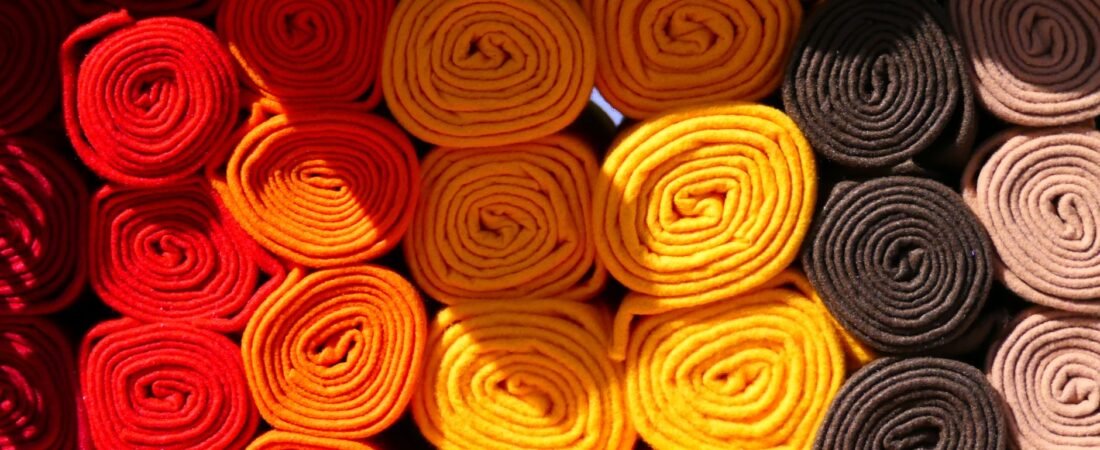
A jelly roll is a bundle of precut fabric strips, typically forty in total, each measuring two and a half inches wide by the fabric’s full width, usually somewhere around forty two inches, rolled together into a cylindrical bundle that resembles a roll of candy or a cinnamon roll, which is where the playful name comes from. The strips are cut from a single coordinated fabric collection, meaning every strip in the roll shares the same color palette and design theme, so the fabric pairing work is already done before you even start cutting into your project. Because the strips are pre-cut to a standard width, jelly rolls save a genuinely significant amount of cutting time compared to buying yardage and cutting your own strips, particularly for quilts that use a lot of thin strip piecing. The width, two and a half inches, is a widely used standard across most major fabric manufacturers, though it’s always worth double checking a specific roll’s listing since a small number of specialty precuts use slightly different strip widths. Jelly rolls also go by a few other names depending on the manufacturer, some brands call their version a strip roll or a rolie polie, and while the branding differs, the underlying format, forty coordinated strips at a standard width, stays consistent enough across most major fabric companies that patterns written for one brand’s jelly roll generally work fine with another’s.
Why Jelly Rolls Are Popular For Quilting
Jelly rolls have become genuinely popular for a few clear reasons, and speed is probably the biggest one, since skipping the fabric selection and initial cutting steps lets quilters get to actual piecing much faster than starting from scratch with yardage. Coordinated fabric lines are another major draw, many quilters find color and pattern matching to be one of the more intimidating parts of starting a new quilt, and a jelly roll removes that decision entirely since the fabric designer already built a cohesive palette into the roll. Beginner-friendliness rounds out the appeal, strip piecing patterns designed around jelly rolls tend to use simple, repetitive construction that’s genuinely approachable for someone newer to quilting, without sacrificing a finished look that feels intentional and polished. It’s worth noting that jelly rolls aren’t only for beginners though, plenty of experienced quilters reach for them specifically to save time on a gift quilt or a quicker project between more involved pieces.
Beginner-Friendly Jelly Roll Quilt Patterns
A handful of pattern styles are especially well suited to jelly rolls and tend to come up again and again as recommended beginner projects. Strip quilts, sometimes called rail fence or simple strip-pieced quilts, sew strips together in straightforward rows or columns, making them one of the fastest and most forgiving patterns to start with. Jelly roll race quilts, a pattern style built specifically around using an entire roll in sequence, are popular for their speed, often completable in a single afternoon of piecing for an experienced sewer. Spiral or pinwheel-style patterns add a bit more visual complexity while still relying primarily on straight seams, giving a more dynamic finished look without requiring advanced piecing skills. It’s worth remembering that these are popular starting points rather than the only options, jelly rolls work with plenty of other patterns too, and browsing a few different styles before committing helps match the finished look to your actual taste.
How Much Fabric A Jelly Roll Actually Yields
Figuring out how much quilt a single jelly roll actually yields comes down to some fairly straightforward math once you know the pattern’s strip requirements. A standard forty-strip roll, with each strip roughly forty two inches long, provides a little over one hundred forty yards of fabric total once you add up the full length of every strip, though usable yardage after trimming selvages runs somewhat lower than that raw figure. For a simple strip quilt using the full width of the strips, one roll often yields a lap-sized or twin-sized quilt top, depending on how the strips are arranged and how much border is added around the pieced center. Larger quilts, queen or king sized, typically need two rolls or a combination of one roll plus some supplemental yardage from the same fabric line, so it’s worth checking a specific pattern’s stated yardage requirements against the finished size you’re aiming for before assuming one roll will stretch to cover a bigger project.
Tips For Working With Jelly Roll Strips
Working with jelly roll strips comes with a few practical tips that make the whole process smoother, especially since the strips are thin enough that small handling mistakes show up more visibly in a finished quilt than they might with wider pieces. Cutting accurately matters more than usual here, since a strip that’s slightly off from two and a half inches will throw off alignment across an entire row once multiple strips are pieced together, so double checking your rotary cutter and ruler measurements before making cuts is worth the extra minute. Pressing seams consistently in one direction, rather than alternating randomly, helps strips nest together neatly when rows are joined, reducing bulk and keeping seams flat rather than lumpy. Chain piecing, sewing multiple strip pairs one after another without cutting the thread between them, speeds up construction significantly on jelly roll projects specifically because there are so many repetitive seams to sew, and it’s a technique well worth learning if you plan to work with precuts regularly. A design wall or even just a clear stretch of floor is genuinely useful too, laying out strips in your intended order before sewing anything helps catch a color placement you’re not happy with while it’s still easy to fix, rather than after several strips are already permanently stitched together.
Jelly Roll Vs Other Precuts
Jelly rolls sit alongside a few other common precut formats, and understanding how they compare helps with choosing the right one for a given project. Charm packs bundle precut squares, typically five inches by five inches, from a single fabric line, and they suit patterns built around squares rather than strips, offering a different piecing rhythm than a jelly roll’s strip-based construction. Layer cakes are similar to charm packs but with larger ten inch by ten inch squares, giving more fabric per piece and suiting patterns that want bigger, bolder blocks of a single print showing in the finished quilt. None of these precut formats is better than the others in any absolute sense, they’re simply cut differently to suit different piecing styles, and many quilters end up owning a mix of all three from favorite fabric lines, reaching for whichever format matches the specific pattern they’re planning to sew next. Mini charm packs, a smaller square precut typically around two and a half inches, and fat quarter bundles, which package quarter-yard cuts rather than strips or squares, round out the broader precut family, and comparing a pattern’s supply list against what’s on hand in your own stash is the easiest way to tell whether a jelly roll is really the right precut for the project you have in mind. Keeping a small binder or folder of empty precut wrappers, noted with the fabric line and yardage they contained, is a simple way to track exactly what has already been used across past projects.
Ready to pick up your first jelly roll? Browse our Fabric Guides here at Bee’s Quilt Shop for more precut advice, and check out our batting guide to plan the rest of your quilt. Explore more Fabric Buying & Precuts guides on the blog, or browse our Fabric collection to see what is currently available.
Frequently Asked Questions
How much fabric is in a jelly roll?
A standard forty-strip jelly roll provides a little over one hundred forty yards of fabric total once you add up every strip, though usable yardage after trimming selvages runs somewhat lower. For a simple strip quilt, one roll often yields a lap-sized or twin-sized quilt top depending on the pattern.
What size quilt can I make from one jelly roll?
It depends heavily on the pattern, but one roll commonly makes a lap-sized or twin-sized quilt top for a simple strip design. Larger quilts, like queen or king sized, typically need two rolls or a combination of one roll plus supplemental yardage.
What is the difference between a jelly roll and a charm pack?
A jelly roll bundles precut fabric strips, typically two and a half inches wide, while a charm pack bundles precut squares, usually five inches by five inches. Both come from the same coordinated fabric line but suit different piecing styles.
Do I need to prewash jelly roll strips before sewing?
Many quilters skip prewashing precuts since the narrow strips can fray significantly in the wash, though it comes down to personal preference and the specific fabric line. If you do prewash, using a mesh bag helps protect the strips from excessive fraying.
What is a beginner-friendly pattern for a jelly roll?
Simple strip quilts, sometimes called rail fence patterns, sew strips together in straightforward rows and are one of the most forgiving patterns for a first jelly roll project. At Bee’s Quilt Shop, we generally suggest starting there before moving on to a jelly roll race or spiral-style pattern.
This article is intended for general educational and informational purposes only, based on common quilting practices. Results vary by fabric line, seam allowance, and pattern, so checking your specific pattern’s yardage requirements is always recommended. Bee’s Quilt Shop shares this guide as part of our ongoing library of quilting and sewing resources.