
Quick answer: Fall fat quarter bundles are coordinated sets of fat quarters, each about 18 by 22 inches, built around autumn colors and themes like leaves, pumpkins, harvest prints, and warm plaids. They give quilters a ready-made seasonal palette for table runners, wall hangings, pillows, and small quilts without having to match each print by hand.
There’s something about cooler weather that makes quilters want to reach for warm colors. Fall fat quarter bundles capture that feeling in a stack of coordinated fabrics, with rusty oranges, golden yellows, deep reds, and earthy browns all ready to go. For many quilters, a fall bundle is the start of a cozy seasonal project, whether that’s a table runner for Thanksgiving or a lap quilt for chilly evenings.
This guide explains what fall fat quarter bundles are and the themes and palettes you’re likely to find. We’ll talk about how to choose a bundle for your project, share project ideas, and look at mixing fall prints with solids and neutrals. We’ll also cover something many seasonal guides overlook, which is how to use fall fabrics so they don’t look out of place the rest of the year. Finally, we’ll compare fall and Christmas bundles to help you plan a seasonal stash. At Bee’s Quilt Shop, autumn collections were always a favorite, and they brought in quilters eager to start something new.
What Are Fall Fat Quarter Bundles
A fat quarter is a quarter yard of fabric cut differently from a standard quarter yard. Instead of a long, narrow strip, it’s cut from a half yard and then split down the middle, giving a piece roughly 18 by 22 inches, depending on the width of the bolt. That shape is more useful for many quilt blocks because it gives you a wider area to cut from.
Fall fat quarter bundles are groups of these pieces chosen to work together around an autumn theme. Some bundles come from a single designer collection, where every print was created to coordinate. Others are curated by a shop or quilter who has pulled fabrics from different lines to create a seasonal mix. Bundle sizes vary widely, from small packs of five or six fat quarters to large sets with twenty or more. The common thread is the palette, which leans toward warm, rich colors and nature-inspired designs. If you’d like a refresher on the exact measurements, our guide to the dimensions of a fat quarter of fabric covers the details.
Popular Fall Fabric Themes and Palettes
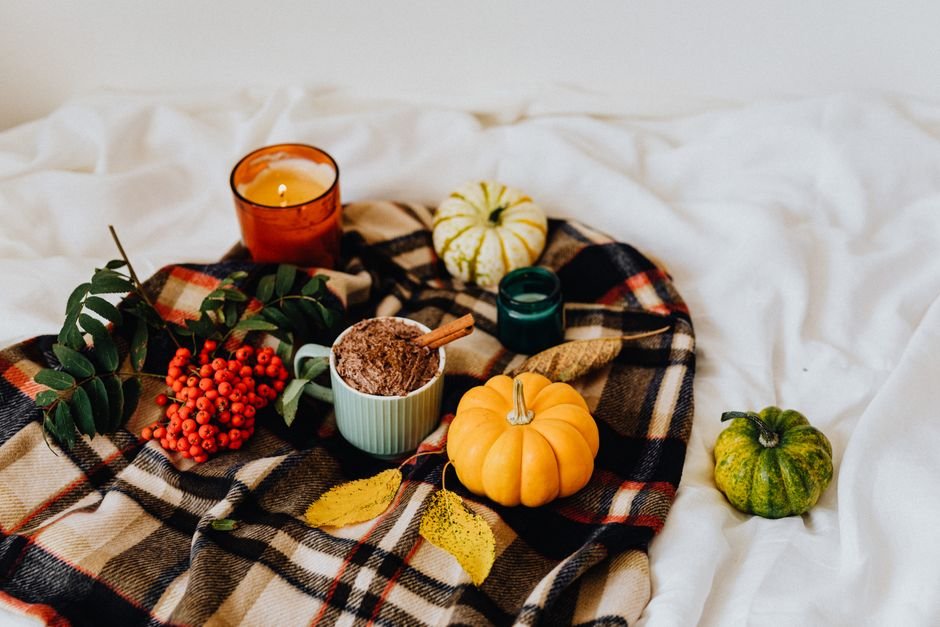
Fall fabric collections tend to draw on a few familiar themes. Harvest prints feature pumpkins, gourds, apples, wheat, and corn, often in a cheerful, homey style. Leaf prints are another staple, from tossed maple and oak leaves to more stylized botanical designs. Woodland themes with acorns, mushrooms, foxes, owls, and pinecones are popular too, especially for quilters who want a cozy, outdoorsy feel.
Plaids and checks show up in many fall bundles, adding a rustic, farmhouse look. Some collections lean toward Thanksgiving with turkeys and table settings, while others blend into Halloween with a few pumpkins and moody colors.
The palettes are just as varied. Traditional fall palettes use deep red, burnt orange, mustard, olive green, and chocolate brown. Softer collections lean toward muted rust, cream, sage, and dusty gold, which suits a more modern or farmhouse style. Some contemporary bundles add unexpected colors like teal or plum for contrast. Knowing which mood you prefer helps narrow your search, since a bright harvest palette and a muted woodland palette create very different finished quilts.
How to Choose a Fall Fat Quarter Bundle
When choosing a fall fat quarter bundle, start with color balance. A good bundle usually includes a mix of lights, mediums, and darks, so your blocks have contrast and the design reads clearly from across the room. If every print is a similar medium tone, the finished quilt can look muddy. Laying out the bundle, or studying the photo carefully if you’re shopping online, helps you spot this.
Print scale matters too. A mix of large, medium, and small prints adds interest, while small-scale prints and tone-on-tone fabrics work well for small pieces where a large motif would get lost. Large-scale prints shine in bigger patches or borders.
Think about your project before you buy. A table runner might only need a small bundle, while a lap quilt could call for a larger one plus extra background fabric. Check your pattern’s requirements first, since many patterns list the number of fat quarters needed. Preferences vary, so choose a bundle whose colors and themes you’ll enjoy living with, because seasonal projects often come out year after year.
Project Ideas for Fall Fat Quarter Bundles
Fall fat quarter bundles lend themselves to all kinds of seasonal projects. Table runners are a favorite because they’re quick, they use a modest amount of fabric, and they bring autumn color right to the dinner table. Wall hangings and mini quilts are another popular choice, letting you show off a few favorite prints in a small, decorative piece.
Fabric pumpkins are a fun, fast project that many quilters make in batches. A single fat quarter can make one or more pumpkins depending on the size, and a bundle lets you create a coordinated patch of them for a mantel or table. Pillow covers, placemats, and coasters are other small projects that use a few fat quarters each.
For something larger, a lap quilt or throw is a cozy way to use a full bundle. Simple patterns built from squares, half square triangles, or strips work well and let the prints do the talking. Leaf and pumpkin block patterns are also widely available for quilters who want a clearly seasonal design. Whatever you choose, starting with a small project is a nice way to enjoy your bundle while you plan something bigger.
Mixing Fall Prints with Solids and Neutrals
Even the prettiest bundle can benefit from a supporting cast of solids and neutrals. Pairing fall prints with a background fabric gives the eye a place to rest and helps the prints stand out. Cream, oatmeal, and soft tan backgrounds feel warm and traditional, while white or light gray can give a fall quilt a fresher, more modern look.
Solids in colors pulled from the bundle are another useful tool. A deep rust or olive solid used for sashing, borders, or binding can tie the whole quilt together. Many quilters bring a fat quarter from the bundle to compare when choosing coordinating yardage.
Mixing in a few tone-on-tone or blender prints adds texture without competing with the main prints. These are fabrics that read almost as solids from a distance but have a subtle pattern up close. Be mindful of value as you mix, aiming for a range of light, medium, and dark. Balancing busy prints with calmer fabrics is a design skill that many quilters develop over time, and fall bundles are a great place to practice it.
Using Fall Fat Quarter Bundles Beyond Autumn
One question many quilters have is whether fall fabrics will only come out for a few weeks a year. The answer depends on how you use them. Prints with obvious pumpkins or turkeys are clearly seasonal, but plaids, leaves, and warm solids can feel at home well beyond autumn.
Choosing a bundle with more general prints, such as plaids, small florals, and tonal textures in warm colors, gives you fabric that works for cozy winter quilts and rustic home decor too. A lap quilt made from earthy reds, browns, and golds can stay on the couch through the colder months without feeling dated once Thanksgiving passes.
Another approach is to set the most seasonal prints aside for small, swappable projects like pillow covers or table runners, while using the more versatile fabrics in a larger quilt. This way, your seasonal pieces can be stored and brought out each fall, and your larger quilt stays useful all year. Planning this way helps fall fat quarter bundles go further and makes the most of fabric you’ve chosen with care.
Fall vs Christmas Fat Quarter Bundles
Fall and Christmas bundles both offer seasonal color, but they serve different moods. Fall bundles lean toward warm, earthy tones and nature-inspired motifs, while Christmas bundles typically center on red, green, white, and metallic accents with holiday themes. Some quilters build a small stash of each so they can rotate seasonal decor through the year.
If you’re planning ahead, it can help to think of the two seasons together. Some fall colors, like deep red, cream, and forest green, overlap with traditional Christmas palettes, so a few fabrics can work in both. Others, like orange and mustard, belong more firmly to autumn.
Seasonal fabrics often appear in shops well before the season itself, so many quilters shop early to get the prints they love. Our guide to Christmas fat quarters covers holiday fabrics in more detail, and it’s a helpful next read if you’re planning both seasons. Enjoy each season’s palette in your own way.
Ready to bring autumn color into your next project? Bee’s Quilt Shop has more guides to help you plan. Explore our Fabric Buying and Precuts guides, browse the Fabric collection for coordinating prints, and read our guide to how big a fat quarter of fabric is before you start cutting.
Frequently Asked Questions
How many fat quarters are in a fall bundle?
It varies widely by collection and seller. Some fall fat quarter bundles include just five or six pieces, while others include twenty or more, so check the listing before you buy.
What can I make with a fall fat quarter bundle?
Popular choices include table runners, wall hangings, fabric pumpkins, pillow covers, and lap quilts. Smaller bundles suit quick decor projects, while larger bundles can make a throw quilt with added background fabric.
What colors go well with fall fabric?
Cream, tan, and oatmeal backgrounds feel warm and traditional, while white or light gray gives a fresher look. Solids pulled from the bundle, like rust or olive, work well for borders and binding.
Can I use fall fabric for a quilt I’ll use all year?
Yes, if you focus on versatile prints like plaids, leaves, and warm tonals rather than obvious holiday motifs. Bee’s Quilt Shop often suggested saving the most seasonal prints for small decor pieces you can swap out.
When do fall fabric collections usually come out?
Seasonal collections often arrive in shops well ahead of the season itself. Many quilters shop early in the year’s cycle to get the prints they love before they sell through.
This article is intended for general educational and informational purposes only and reflects common quilting practices. Bundle sizes, fabric collections, and availability vary by manufacturer and retailer, and results vary by skill level, fabric, and equipment. Bee’s Quilt Shop shares this guide as part of our ongoing library of quilting and sewing resources.