Quick answer: A fat eighth bundle is a set of fat eighths, which are pieces of fabric about 9 by 22 inches, or half the size of a fat quarter, grouped from one collection or color story. Fat eighth bundles give you many prints for less money and less storage space, which makes them a favorite for scrappy quilts, small patchwork, and accessories.
If you love variety but don’t need much of any one fabric, a fat eighth bundle might be your new favorite precut. These smaller cuts let you collect a whole range of prints without committing to a fat quarter of each. They’re perfect for scrappy quilts, small projects, and anyone who likes having lots of options on hand.
This guide explains what a fat eighth bundle is and how fat eighths compare with fat quarters. We’ll cover the types of fat eighth bundles you’ll find, projects that suit them, and how to cut fat eighths efficiently. We’ll also cover something many guides skip, which is checking pattern requirements carefully before buying, since fat eighths can be easy to confuse with other cuts. Finally, we’ll help you decide whether a fat eighth bundle is right for you. At Bee’s Quilt Shop, smaller cuts were always popular with quilters who loved scrappy designs.
What Is a Fat Eighth Bundle
A fat eighth is an eighth of a yard of fabric cut in a wider, more useful shape. A regular eighth yard is a long, narrow strip, about 4.5 inches tall by the width of the fabric. A fat eighth is cut differently, usually by cutting a fat quarter in half, giving a piece about 9 by 22 inches.
Some fat eighths are cut the other way, about 11 by 18 inches, depending on how the fat quarter is divided. Both are called fat eighths, so it’s worth checking the listing to see which shape you’re getting. The 9 by 22 inch version is the most common.
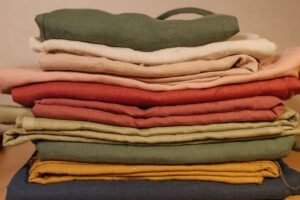
A fat eighth bundle is a group of fat eighths sold together. Like fat quarter bundles, they’re usually made from a single fabric collection, with one fat eighth of each print, or curated around a color or theme. Bundles can include a handful of pieces or a full collection. Fat eighth bundles are a cost-effective way to get variety, since you get the same range of prints as a fat quarter bundle in a smaller amount.
Fat Eighth vs Fat Quarter
The main difference between a fat eighth and a fat quarter is size. A fat quarter is about 18 by 22 inches, while a fat eighth is about 9 by 22 inches, roughly half the area. That means a fat eighth bundle gives you about half the fabric of a fat quarter bundle with the same number of pieces.
Yield matters when planning projects. A fat quarter can yield larger pieces, like 10 inch squares or big rectangles, while a fat eighth is better for smaller pieces like 2.5 inch strips, 4 inch squares, and small triangles. If your pattern calls for large pieces, a fat eighth may not be big enough.
Each cut makes sense in different situations. Fat quarters suit projects with larger pieces, bags, and quilts with bigger blocks. Fat eighths suit scrappy quilts with many small pieces, mini quilts, and projects where variety matters more than quantity. Fat eighths are also great for sampling a collection before buying larger cuts. Many quilters keep both in their stash, using each where it fits best. For more on the larger cut, our guide to the fat quarter bundle covers the details.
Types of Fat Eighth Bundles
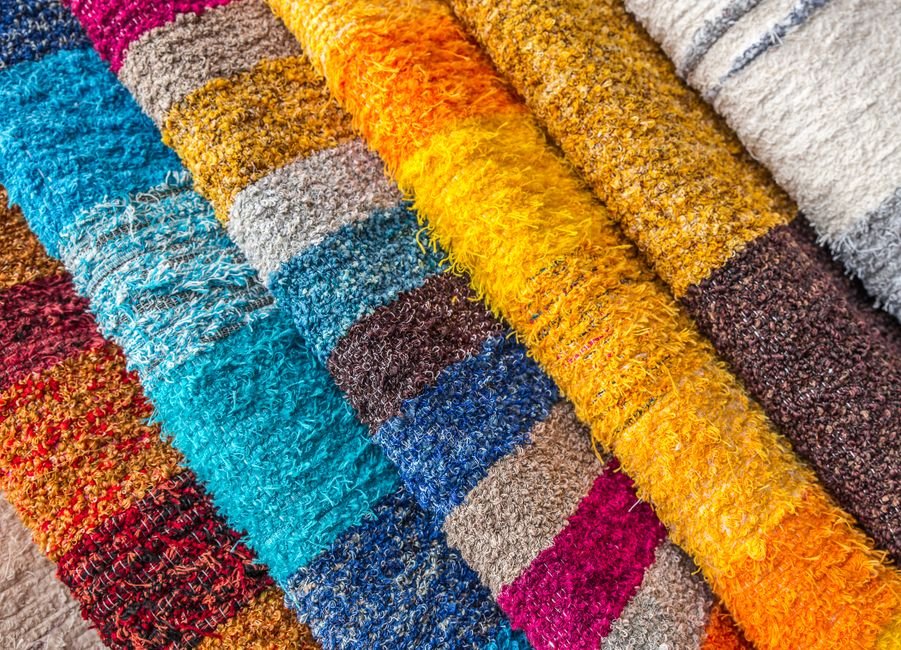
Fat eighth bundles come in several types. Collection bundles include one fat eighth of each print in a designer’s fabric line. They offer a cohesive look and are great for showcasing a collection.
Mixed bundles are curated from different collections around a color, theme, or style. They create a scrappy, eclectic look and can be a fun way to discover new fabrics. Solid bundles feature a range of solid colors, often arranged as a rainbow or a color family. They’re useful for modern designs and for pairing with prints.
Themed bundles focus on a subject, such as florals, holidays, children’s prints, or reproduction fabrics. Reproduction fat eighth bundles, featuring prints inspired by earlier eras, are especially popular with quilters making traditional scrappy quilts. Some bundles focus on low-volume fabrics, which are light prints that work as background or neutral fabrics. Choosing a bundle type depends on your project and style, and many quilters collect a few different types to keep their options open.
Projects That Suit Fat Eighth Bundles
Fat eighth bundles shine in projects that use many small pieces. Scrappy quilts are a natural fit. Patterns with many small squares, triangles, or strips make the most of the variety in a fat eighth bundle, creating a lively, colorful quilt.
Small quilts are another great use. Mini quilts, wall hangings, doll quilts, and table toppers often use small pieces and benefit from variety. Fat eighths also work well for English paper piecing, where you need many small fabric pieces in a range of prints.
Accessories like zipper pouches, pincushions, needle books, coasters, and mug rugs use small amounts of fabric and make great gifts. Appliqué projects can also benefit from a fat eighth bundle, since appliqué shapes are often small and varied. Patchwork pillows, small table runners, and ornaments are other fun options. If you’re planning a larger project, a fat eighth bundle can be paired with background fabric or larger cuts to create a bigger quilt. The key is choosing projects where variety matters more than large pieces.
How to Cut and Use Fat Eighths Efficiently
Cutting fat eighths efficiently starts with planning. Before you cut, look at your pattern’s cutting instructions and sketch how pieces will fit on each fat eighth. Cutting larger pieces first and smaller pieces from what’s left helps reduce waste.
Squaring up is important. Fat eighths may not be perfectly square, so trim one edge straight using a rotary cutter and ruler before measuring. Pay attention to the grain, cutting along the straight grain where possible for stable pieces.
Many quilters cut fat eighths into common sizes for scrappy projects, such as 2.5 inch strips, 2.5 inch squares, or 5 inch squares, and store them for future quilts. This approach makes it easy to pull pieces for a new project. Saving scraps is another smart habit. Even small leftovers can be used for appliqué, small patchwork, or scrappy binding. Labeling pieces or storing them by size keeps them organized. With careful planning, very little of a fat eighth bundle goes to waste.
Checking Pattern Requirements Before You Buy a Fat Eighth Bundle
One of the most common surprises with a fat eighth bundle is discovering the pieces aren’t quite big enough for a pattern. Because fat eighths and fat quarters look similar in photos, and because fat eighths can be cut in two different shapes, it’s easy to buy the wrong cut.
Before buying, read your pattern’s fabric requirements carefully. Patterns usually say whether they’re designed for fat quarters, fat eighths, or a specific precut. If a pattern calls for fat quarters, a fat eighth bundle will likely not work without adjustments. If a pattern is fat eighth friendly, check whether it expects 9 by 22 inch pieces or 11 by 18 inch pieces, since the different shapes affect cutting.
Also check the number of pieces required. A fat eighth bundle may have fewer pieces than your pattern needs, so you might need two bundles or additional fabrics. Checking the largest piece size in the cutting chart helps you see whether your fat eighths can accommodate it. Taking a few minutes to confirm these details saves frustration and extra trips to the fabric store.
Is a Fat Eighth Bundle Right for You
A fat eighth bundle is a great choice if you love variety, enjoy scrappy quilts, or like small projects. It’s also helpful if you want to sample a collection without buying larger cuts, or if you’re short on storage space. Fat eighth bundles offer many prints at a lower cost than fat quarter bundles, making them a budget-friendly way to build a varied stash.
On the other hand, if your projects use large pieces, or you want enough fabric to repeat prints throughout a quilt, fat quarters or yardage may be a better fit. Fat eighths can feel limiting for larger blocks or bags.
Many quilters find a mix works best, using fat eighth bundles for scrappy and small projects and fat quarter bundles or yardage for larger ones. Thinking about your favorite projects and how you like to work helps you decide. Our guide to the fat quarter bundle is a helpful comparison as you choose.
Bee’s Quilt Shop loves helping quilters make the most of every cut. Explore our Fabric Buying and Precuts guides, browse the Fabric collection for coordinating background fabric, and read our guide to 5 inch charm packs for another scrappy-friendly precut.
Frequently Asked Questions
What size is a fat eighth?
A fat eighth is usually about 9 by 22 inches, made by cutting a fat quarter in half. Some are cut to about 11 by 18 inches, so check the listing.
How many fat eighths make a fat quarter?
Two fat eighths equal one fat quarter in area. The shape of each fat eighth depends on how the fat quarter is cut.
What can I make with a fat eighth bundle?
Fat eighth bundles are great for scrappy quilts, mini quilts, English paper piecing, appliqué, and small accessories like pouches and pincushions. They also pair well with a background fabric for a larger scrappy quilt.
Can I use fat eighths for a fat quarter pattern?
Usually not without adjustments, since fat eighths are half the size. Bee’s Quilt Shop always suggested checking the pattern’s largest cut size before buying.
Are fat eighth bundles good for beginners?
Yes, especially for small projects and scrappy quilts. They offer lots of variety at a lower cost, which makes experimenting with color fun.
This article is intended for general educational and informational purposes only and reflects common quilting practices. Cut sizes, bundle contents, and availability vary by manufacturer and retailer, and results vary by skill level, fabric, and equipment. Bee’s Quilt Shop shares this guide as part of our ongoing library of quilting and sewing resources.