Quick answer: A puff quilt, also called a biscuit quilt, is built from individually stuffed fabric squares sewn together edge to edge, giving the finished piece a dimensional, pillow-like texture unlike a standard flat quilt. Each unit is stuffed and finished before being joined to its neighbors, so the construction order genuinely differs from traditional quilting from the very first step.
A puff quilt trades the flat, smooth surface of a traditional pieced quilt for a genuinely three-dimensional, textured effect, built from individually stuffed fabric squares that give the whole finished piece a soft, biscuit-like appearance. If you’ve come across a quilt that looks like a grid of small pillows sewn together rather than a flat pieced surface, you’ve likely seen a puff quilt, sometimes called a biscuit quilt, and the construction behind that texture is genuinely different from standard quilting. This guide covers what a puff quilt actually is, how it differs from traditional flat quilts, fabric and stuffing choices, the basic construction steps, common challenges the technique presents, and how to care for a finished piece. Bee’s Quilt Shop sees renewed interest in puff quilts periodically as quilters look for a project that stands apart texturally from typical flat piecing, and the short version is that the technique rewards patience more than advanced piecing skill. The name biscuit quilt actually comes from this same puffed resemblance, and both terms are used interchangeably enough across patterns and tutorials that it is worth recognizing them as the same technique when browsing for inspiration or instructions.
What A Puff Quilt Is
A puff quilt, also known as a biscuit quilt, is constructed from individual fabric units, each one essentially a small stuffed pillow, sewn together edge to edge to build up a larger quilt surface with pronounced three-dimensional texture across every single square. Each unit typically consists of a smaller top square and a larger bottom square, gathered or pleated at the corners to fit the top piece, with stuffing enclosed between the two layers before the unit is finished and joined to its neighbors. Some patterns vary the size of individual units across a single quilt, mixing larger and smaller puffed squares for added visual rhythm, though a uniform grid of matching units remains the more common and generally more approachable starting choice. The resulting texture is genuinely unlike anything a standard flat pieced quilt produces, every square puffs up individually, creating a tactile, dimensional surface that reads almost like a grid of tiny pillows stitched together into one continuous quilt. This distinctive look has made puff quilts popular for baby quilts and decorative throws specifically, where the soft, dimensional texture adds a genuinely different sensory quality compared to a standard flat quilt.
How Puff Quilts Differ From Traditional Flat Quilts
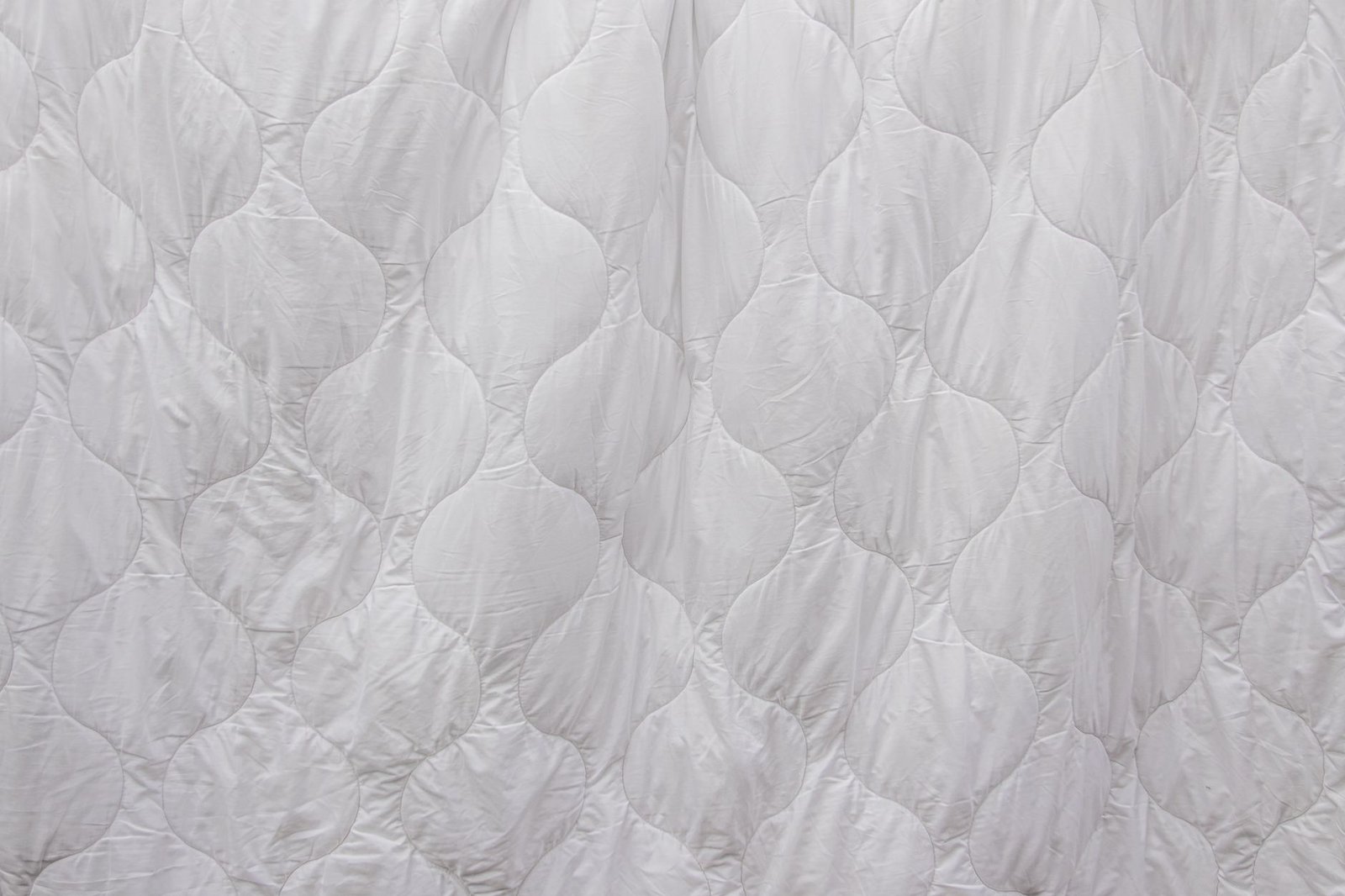
The construction difference between puff quilts and traditional flat quilts goes well beyond just the finished look, the entire building process works differently from standard piecing. A traditional pieced quilt is assembled as one continuous flat top, then layered with batting and backing afterward and quilted as a single unit through all three layers together. A puff quilt, by contrast, builds each individual stuffed square as its own separate, essentially complete little unit before ever joining them together, meaning the stuffing and enclosing happens square by square rather than as a single batting layer added at the end. This unit-by-unit construction is part of why puff quilts don’t typically get quilted in the traditional sense afterward, the stitching that joins each stuffed unit to its neighbors is functionally what holds the whole piece together, rather than a separate quilting step stitching through pre-layered fabric and batting.
Fabric And Stuffing Choices For Puff Quilts
Fabric and stuffing choices for a puff quilt affect both how the finished texture looks and how manageable the construction process feels along the way. Lighter to medium weight quilting cotton generally works best for both the top and bottom pieces of each unit, since a fabric that’s too heavy adds unnecessary bulk and makes gathering the corners of each unit noticeably more difficult to execute cleanly. Polyester fiberfill is the most common stuffing choice, prized for being lightweight, washable, and easy to work with in small quantities per unit, though some quilters use cotton batting scraps or wool roving for a different weight and feel to the finished puff. The amount of stuffing used in each unit directly affects how pronounced the final texture reads, a lightly stuffed unit gives a subtler, softer puff, while more generous stuffing creates a bolder, more dramatic three-dimensional effect across the finished quilt. Testing a single sample unit before committing to a full quilt worth of stuffing is genuinely worth the extra few minutes, since it lets you compare a couple of stuffing amounts side by side and settle on the exact texture you want before repeating the process across dozens of units.
Basic Puff Quilt Construction Steps
The basic construction process for a puff quilt follows a consistent sequence across most patterns, even though specific measurements vary by project. Cutting the top and bottom squares to their specified sizes comes first, with the bottom square typically cut noticeably larger than the top to provide the extra fabric needed for gathering at the corners. Gathering the bottom square’s corners around the smaller top square, then stuffing the resulting small pocket before stitching it closed, forms each individual unit, and this step is where the technique’s signature three-dimensional shape actually comes together. Joining completed units together, typically sewing them edge to edge in rows and then joining rows together, builds up the larger quilt surface, with careful attention paid to keeping the stuffed units from shifting or bunching awkwardly as adjacent units are stitched together.
Common Challenges With Puff Quilts
Puff quilts present a handful of genuine challenges that differ from the difficulties encountered in standard flat quilting, and knowing what to expect helps set realistic expectations before starting. Bulk is probably the most persistent challenge throughout the entire project, since every single unit adds real thickness, and by the time a full quilt’s worth of stuffed units are joined together, the finished piece is considerably heavier and bulkier than a comparably sized flat quilt. Sewing machine strain is a related concern, since feeding multiple layers of stuffed, gathered fabric through a machine repeatedly puts more stress on the machine than typical flat piecing does, and using a heavier duty needle along with slowing your stitching speed down through thick sections helps reduce wear on both the machine and the thread. Stuffing evenness across dozens or hundreds of individual units takes real conscious effort to maintain, since a puff quilt with noticeably inconsistent stuffing amounts from unit to unit reads as uneven and unintentional rather than deliberately varied, so many quilters find it helpful to pre-measure stuffing amounts by weight or volume rather than eyeballing each unit individually.
Caring For A Finished Puff Quilt
Caring for a finished puff quilt requires a bit more thought than standard flat quilt care, given its unique dimensional construction. Washing gently, ideally by hand or on a delicate machine cycle, helps protect both the gathered seams at each unit’s corners and the enclosed stuffing from excessive agitation that could shift or compress it unevenly over repeated washes. Air drying flat, rather than machine drying with heat, prevents the stuffing inside each unit from clumping or shifting in ways that could flatten the puffed texture that makes this quilt style distinctive in the first place. Storing a puff quilt loosely folded or, ideally, rolled rather than tightly compressed under other items, helps preserve the dimensional puff over time, since sustained pressure on the stuffed units can gradually flatten texture that’s genuinely difficult to fully restore once compressed for an extended period. A cedar block or lavender sachet tucked nearby during storage is a nice extra step for keeping a puff quilt smelling fresh through a long stretch of not being used. Checking on a stored piece every few months, unfolding it briefly to let the stuffed units breathe and regain their loft, helps the texture bounce back more fully once the quilt comes back into regular use. This small habit takes only a few minutes and meaningfully extends how long the dimensional puff stays looking its best. Spot cleaning small marks rather than washing the entire quilt, when that’s a realistic option, further protects that dimensional texture from unnecessary wear over the piece’s lifetime.
Ready to try a puff quilt for yourself? Browse our Fabric Guides here at Bee’s Quilt Shop for more quilting advice, and check out our batting guide since puff quilts use stuffing differently than a standard flat quilt. Explore more Quilt Patterns & Blocks guides on the blog, or browse our Patterns collection to see what is currently available.
Frequently Asked Questions
What is the difference between a puff quilt and a regular quilt?
A puff quilt is built unit by unit, with each individual square stuffed and finished before being joined to its neighbors, while a traditional quilt is assembled as one flat top and layered with batting afterward. The construction order is genuinely different between the two.
What stuffing should I use for a puff quilt?
Polyester fiberfill is the most common choice, prized for being lightweight, washable, and easy to work with in small quantities per unit. Some quilters use cotton batting scraps or wool roving for a different weight and feel.
Why is my puff quilt so heavy?
Bulk is one of the most persistent challenges with this technique, since every stuffed unit adds real thickness, and a full quilt’s worth of units together is considerably heavier than a comparably sized flat quilt. This is expected and simply comes with the dimensional texture.
How do I wash a finished puff quilt?
Washing gently, ideally by hand or on a delicate machine cycle, protects both the gathered seams and the enclosed stuffing from excessive agitation. Air drying flat rather than using heat also helps preserve the puffed texture.
Is a puff quilt the same as a biscuit quilt?
Yes, biscuit quilt is another name for the same technique, and both terms are used interchangeably enough across patterns and tutorials that it is worth recognizing them as one and the same. At Bee’s Quilt Shop, we use both names since stitchers search for the technique both ways.
This article is intended for general educational and informational purposes only, based on common quilting practices. Results vary by fabric, stuffing, and unit size, so checking your specific pattern’s instructions is always recommended. Bee’s Quilt Shop shares this guide as part of our ongoing library of quilting and sewing resources.