Quick answer: A quilt coat is a wearable coat or jacket made from quilted fabric, either pieced specifically for the garment or repurposed from an existing quilt. Choosing a relaxed, boxy silhouette, lower loft batting, and careful seam trimming all help manage the extra bulk quilted fabric brings to garment sewing.
A quilt coat has become one of the most exciting crossover projects between quilting and garment sewing over the past several years, turning pieced or repurposed quilted fabric into a genuinely wearable statement piece rather than something meant only for a bed or wall. It’s a project that lets quilters show off piecing skills in a completely different context, and it’s sparked a lot of renewed interest in both quilting and garment construction among sewists who might not have combined the two before. This guide covers what a quilt coat actually is, the choices involved in making one from scratch versus repurposing a vintage piece, and how to construct and care for a finished coat that’s both beautiful and comfortable to wear. Few projects blend craft and everyday function quite so visibly, since a quilt coat gets worn and admired out in the world rather than folded away or hung on a single wall.
What A Quilt Coat Is
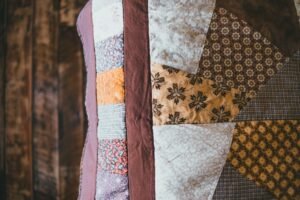
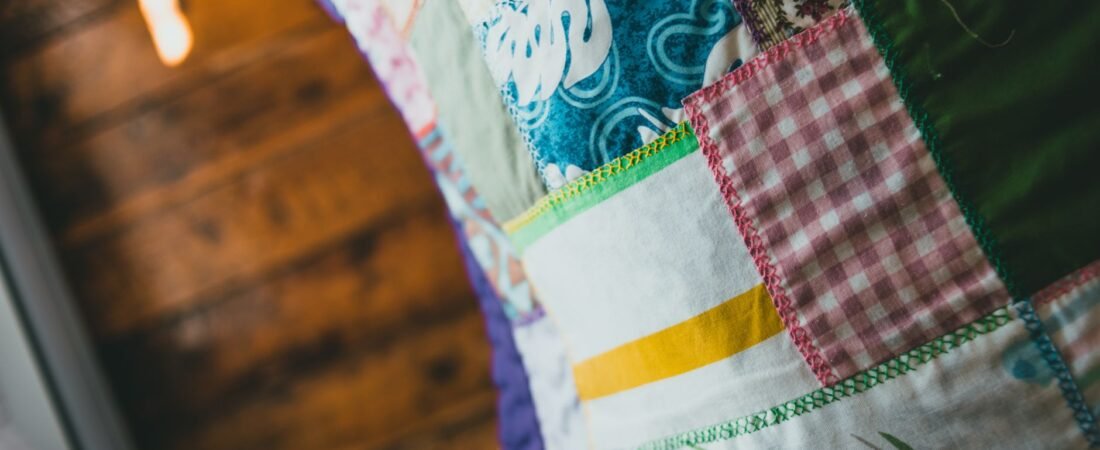
A quilt coat is exactly what it sounds like, a wearable coat or jacket made from quilted fabric, whether that’s a pieced patchwork design constructed specifically for the garment or an existing quilt repurposed into a wearable form. What sets it apart from a standard fabric coat is that quilted layered structure, a pieced top, batting, and backing sewn together with visible or subtle quilting stitches, giving the finished garment both visual texture and a bit of extra warmth compared to a coat made from a single layer of fabric. The trend has grown considerably in recent years, appearing everywhere from small independent pattern designers to larger sewing publications, and it’s brought a genuinely fresh audience of garment sewists into quilting techniques they might not have tried otherwise, and vice versa for quilters curious about garment construction. Social media has played a real role in that growth too, with finished quilt coats photographing especially well and spreading quickly among sewing communities looking for a fresh, personal alternative to mass-produced outerwear.
Making A Quilt Coat From A Vintage Quilt Vs New Fabric
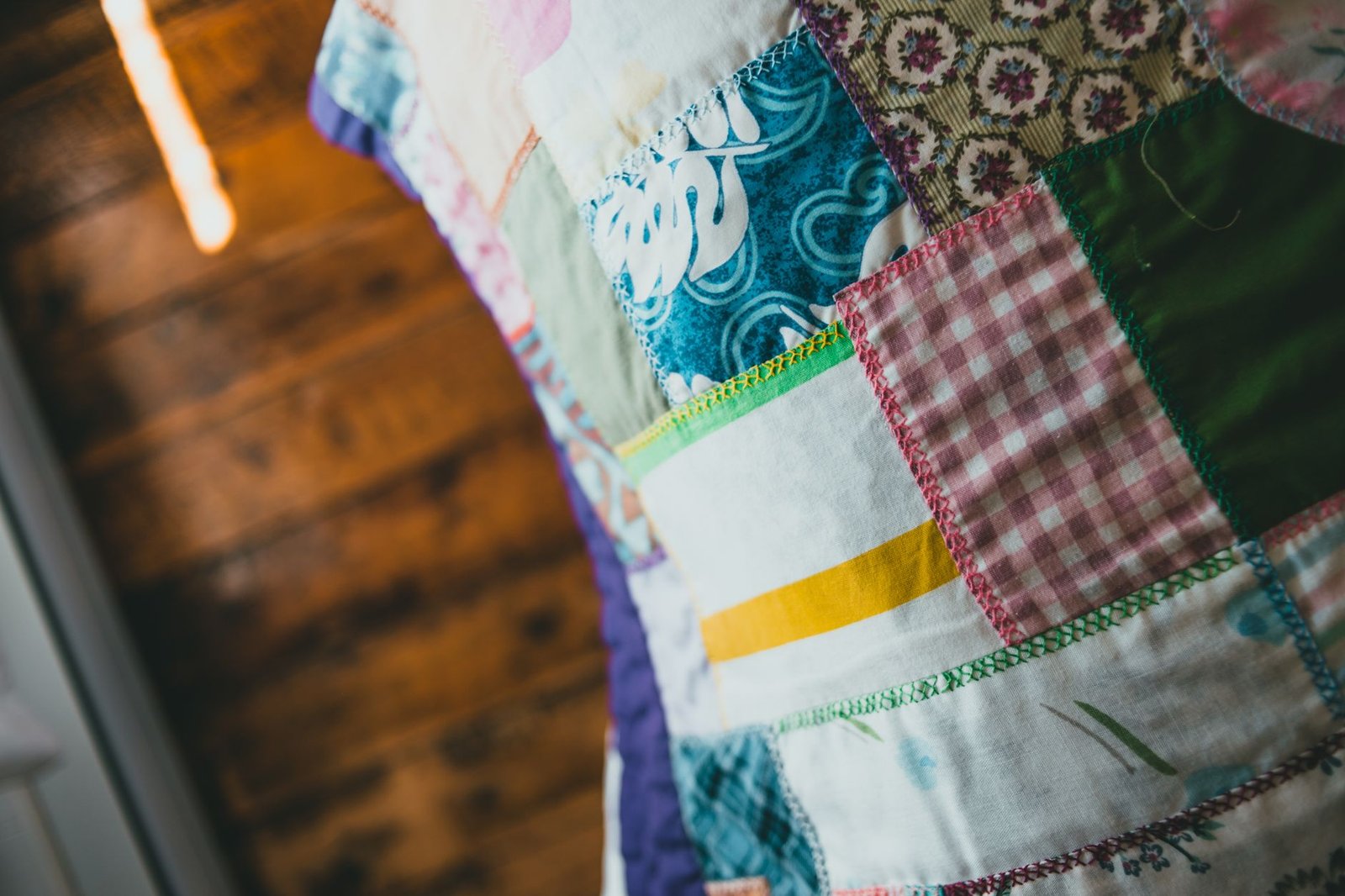
Deciding whether to make a quilt coat from a vintage quilt or from new fabric is one of the first and most personal decisions in this kind of project, and each approach carries real tradeoffs worth thinking through. Repurposing a vintage or well-loved quilt gives a finished coat genuine sentimental value and a one-of-a-kind, already-aged patina that new fabric simply can’t replicate, though it does mean permanently altering a piece that can never be restored to its original quilt form, which is a real consideration for anything with family history or significant age. Building from new fabric gives you complete creative control over color, pattern, and piecing design specifically tailored to a garment shape, without the emotional weight or physical constraints of working within an existing quilt’s dimensions and pattern layout. Many quilters use a damaged or well-worn quilt, one that’s already past being usable as a functional bed quilt anyway, specifically because that context makes the decision to cut into it feel less fraught than repurposing a quilt still in good, usable condition. Photographing a vintage quilt thoroughly before cutting into it, documenting the original layout and any visible history, is a small step some makers take to preserve a record of the piece even after it’s transformed into something new.
Choosing A Pattern For Your Skill Level
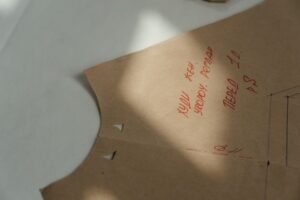
Choosing a pattern for your skill level matters just as much with a quilt coat as with any other garment sewing project, and it’s worth being realistic about where quilted fabric adds genuine complexity beyond a standard coat pattern. Beginner-friendly quilt coat patterns typically feature simpler, more relaxed silhouettes, boxy or kimono-style shapes that don’t require precise garment fitting, which sidesteps some of the trickier aspects of garment construction while still showcasing quilted fabric beautifully. More fitted or structured patterns, involving set-in sleeves, collars, or precise tailoring, add real garment construction complexity on top of managing quilted fabric’s extra bulk, and are generally better suited to sewists who already have some garment sewing experience under their belt. Many quilters new to garment construction specifically choose a quilt coat as their entry point into wearable sewing precisely because a relaxed, boxy silhouette forgives a lot of the fit precision that more tailored garments demand. Sizing up slightly from your usual garment size is also common advice for a first attempt, since a coat meant to be layered over other clothing benefits from a bit of extra ease that a snugly fitted pattern wouldn’t allow.
Fabric And Batting Considerations For A Wearable Coat
Fabric and batting considerations shift somewhat for a wearable coat compared to a bed quilt, since drape, weight, and comfort against the body matter in ways they simply don’t for something that just lies flat on furniture. A lower loft batting, meaning a thinner, less puffy batting than you might choose for a cozy bed quilt, tends to work better for a coat since it keeps the garment wearable and comfortable rather than stiff or overly bulky. Fabric weight also matters more here, quilting cotton works fine for the pieced exterior, but pairing it with a breathable, comfortable lining fabric on the interior makes a real difference in how pleasant the finished coat actually feels to wear against skin or clothing. Some quilt coat makers choose to skip batting in warmer weather versions entirely, relying on the pieced exterior and lining alone for a lighter, more transitional-season garment. Testing your fabric, batting, and lining combination in a small sample swatch before cutting into a full garment is worth the extra time, since the drape of that exact combination is hard to judge accurately from the materials alone.
Sewing Tips For Managing Bulky Seams In A Coat
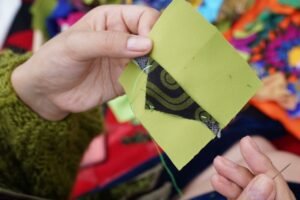
Sewing tips for managing bulky seams become genuinely important once you’re working with quilted, layered fabric in garment construction, since the extra thickness from batting adds real bulk exactly where garment seams need to lie flat and comfortable. Trimming seam allowances down after stitching, sometimes more aggressively than a standard garment pattern would call for, helps reduce bulk at seam intersections, which matters especially at points like collar corners or sleeve seams where multiple seams converge. Pressing seams open rather than to one side, where the pattern allows for it, can also help distribute bulk more evenly rather than creating a noticeably thick ridge along one side of a seam. Some sewists use a walking foot throughout garment construction, not just during the quilting stage, since it helps feed the layered, quilted fabric evenly through the machine and reduces the shifting that can happen when regular garment fabric and quilted fabric behave differently under a standard presser foot. Grading seam allowances, trimming each layer within a seam to a slightly different width, is another technique borrowed from tailoring that helps a bulky quilted seam taper down more gradually rather than ending in one thick, abrupt edge.

Styling And Caring For A Finished Quilt Coat
Styling and caring for a finished quilt coat rounds out the project, and a bit of thoughtful care helps a piece that likely took considerable time and effort stay looking good for years of wear. Quilt coats tend to work well as a statement layering piece over simpler, more neutral outfits, letting the coat’s pieced pattern and color genuinely stand out rather than competing with a busy outfit underneath. For washing, hand washing or a gentle machine cycle in cold water, followed by air drying laid flat rather than hung, generally helps preserve both the quilted structure and the coat’s shape better than a standard hot wash and dryer cycle would. Many quilters at Bee’s Quilt Shop find that treating a finished quilt coat a bit like the heirloom quilts it’s related to, gentle care and thoughtful storage, helps it remain a genuinely wearable piece of art for years rather than showing wear prematurely from more casual handling. Storing a finished quilt coat on a padded hanger, rather than folded for extended periods, also helps it keep its shape and avoid the sharp crease lines that folding a bulky, layered garment tends to create.
Ready to sew your own quilt coat? Explore our Quilt Patterns and Blocks library here at Bee’s Quilt Shop for more wearable quilting inspiration, and browse our current fabric collection to see what’s currently available. Explore more Quilt Patterns & Blocks guides on the blog, or browse our Patterns collection to see what is currently available.
Frequently Asked Questions
Should I cut up a vintage quilt to make a quilt coat?
It depends on the quilt’s condition and sentimental value, many quilters choose a damaged or well-worn quilt specifically so the decision feels less fraught. Bee’s Quilt Shop generally suggests thinking carefully before repurposing anything still in good, usable condition.
What’s the best pattern for a first-time quilt coat maker?
A relaxed, boxy or kimono-style silhouette tends to be the most forgiving starting point, since it avoids the fitting precision more tailored patterns demand. This makes it a popular entry point into garment sewing for quilters specifically.
What batting should I use for a quilt coat?
A lower loft batting, thinner than what you might choose for a cozy bed quilt, generally keeps the coat comfortable and wearable rather than stiff or bulky. Some makers skip batting entirely for a lighter, warmer weather version.
How do I deal with bulky seams when sewing a quilt coat?
Trimming seam allowances more aggressively than a standard pattern calls for, and pressing seams open where possible, both help reduce bulk at seam intersections. A walking foot can also help feed the layered fabric evenly through the machine.
How do I wash a finished quilt coat without damaging it?
Hand washing or a gentle cold cycle followed by air drying laid flat generally helps preserve both the quilted structure and the coat’s shape. Treating it a bit like an heirloom quilt with gentle care tends to help it last for years.
This article is intended for general educational and informational purposes only, based on common garment and quilting practices. Results vary by fabric, batting, and construction technique, so testing seam and pressing methods on a sample before a full project is always a good idea. Bee’s Quilt Shop shares this guide as part of our ongoing library of quilting and sewing resources.