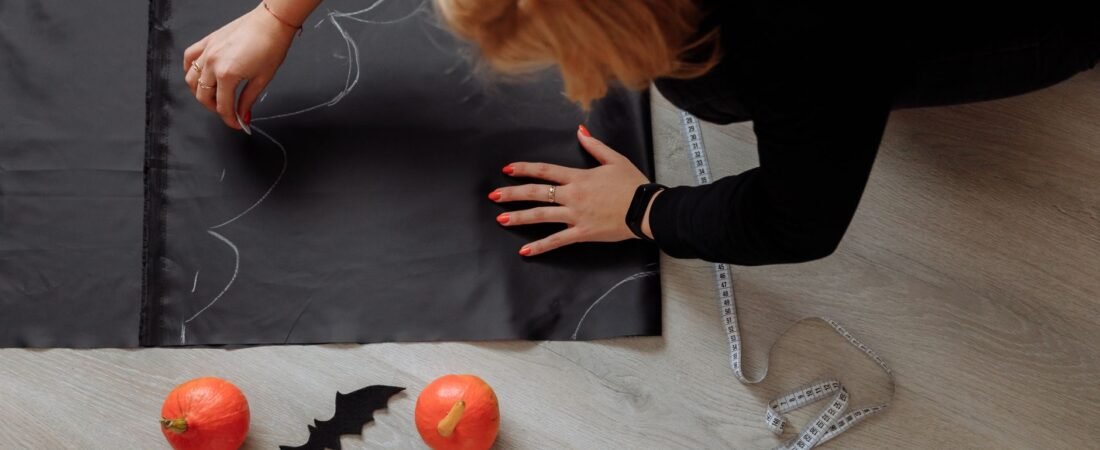
Quick answer: A Halloween quilt brings the holiday’s bold orange, black, and purple palette into a project that decorates a home for weeks rather than a single evening, using pieced or appliqued pumpkin, ghost, and bat motifs. Starting a full-sized quilt in July or August and choosing a pattern that fits your actual timeline are the biggest factors in finishing before the holiday arrives.
A Halloween quilt brings the holiday’s bold, playful energy into a project that can decorate a home for weeks rather than just a single evening, and it’s become one of the most popular seasonal quilting projects year after year. Whether you’re drawn to a spooky, dramatic palette or a friendlier, more whimsical take on the theme, Halloween’s strong color identity and wide range of motifs make it a genuinely rewarding quilt theme to explore. This guide covers why Halloween quilts are such a popular seasonal project, choosing a pattern that fits your timeline, fabric choices, block styles that suit the theme well, timing your project realistically, and displaying and storing a finished piece between seasons. Bee’s Quilt Shop sees Halloween quilt interest build steadily every year starting in late summer, and the short version is that this is a project worth starting earlier than the calendar might suggest. Halloween quilts also tend to become recurring favorites once a household owns one, many families bring the same quilt out year after year rather than retiring it after a single season, which makes the upfront time investment feel especially worthwhile over the piece’s long working life.
Why Halloween Quilts Are A Popular Seasonal Project
Halloween quilts have carved out a genuinely dedicated following among seasonal quilters, and their appeal comes down to a few clear factors. Seasonal decor is the most obvious draw, a Halloween quilt draped over a couch or displayed on a wall brings holiday character into a home for the entire fall stretch, offering considerably more staying power than decorations meant for just a single day. Gifting is another major factor, a handmade Halloween quilt makes a genuinely memorable gift for a fellow enthusiast of the holiday, whether given as a finished quilt or started as a collaborative project with a quilting friend or family member. The holiday’s visual identity also gives quilters a lot to work with creatively, the combination of a strong, recognizable color palette and a wide range of motifs, from classic pumpkins to more elaborate haunted themes, means a Halloween quilt rarely feels like a repeat of a project you’ve already made in a previous year.
Choosing A Halloween Quilt Pattern
Choosing a Halloween quilt pattern comes down largely to honestly weighing complexity against your available timeline before the holiday actually arrives. A simpler pattern, built from larger pieced shapes or a smaller number of applique elements, is a genuinely sensible choice if you’re starting later in the season or don’t have a lot of dedicated sewing time available before October. More elaborate patterns, involving dense piecing, multiple applique layers, or intricate quilting designs, are worth reserving for years when you’re starting well ahead of schedule, since rushing a complex Halloween quilt pattern to meet the holiday deadline tends to produce a more stressful process and a less satisfying finished result than choosing a project genuinely suited to the time available. It is also worth remembering that a Halloween quilt does not need to be finished by a specific date to still feel like a success, a piece completed after the holiday has already passed simply becomes ready and waiting for next year, rather than a wasted effort. Many quilters keep a running list of half-finished seasonal projects for exactly this reason, picking each one back up as the right October rolls around. A dedicated bin for in-progress seasonal projects, kept separate from everyday sewing supplies, makes it much easier to pick a Halloween quilt back up exactly where you left off the following year. Attaching a simple note to that bin describing exactly what step comes next also saves real time re-orienting yourself after months away from the project, especially on a piece with several coordinated fabric prints to keep straight and a construction sequence that genuinely takes more than one sitting to finish from start to end.
Fabric Choices For Halloween Quilts
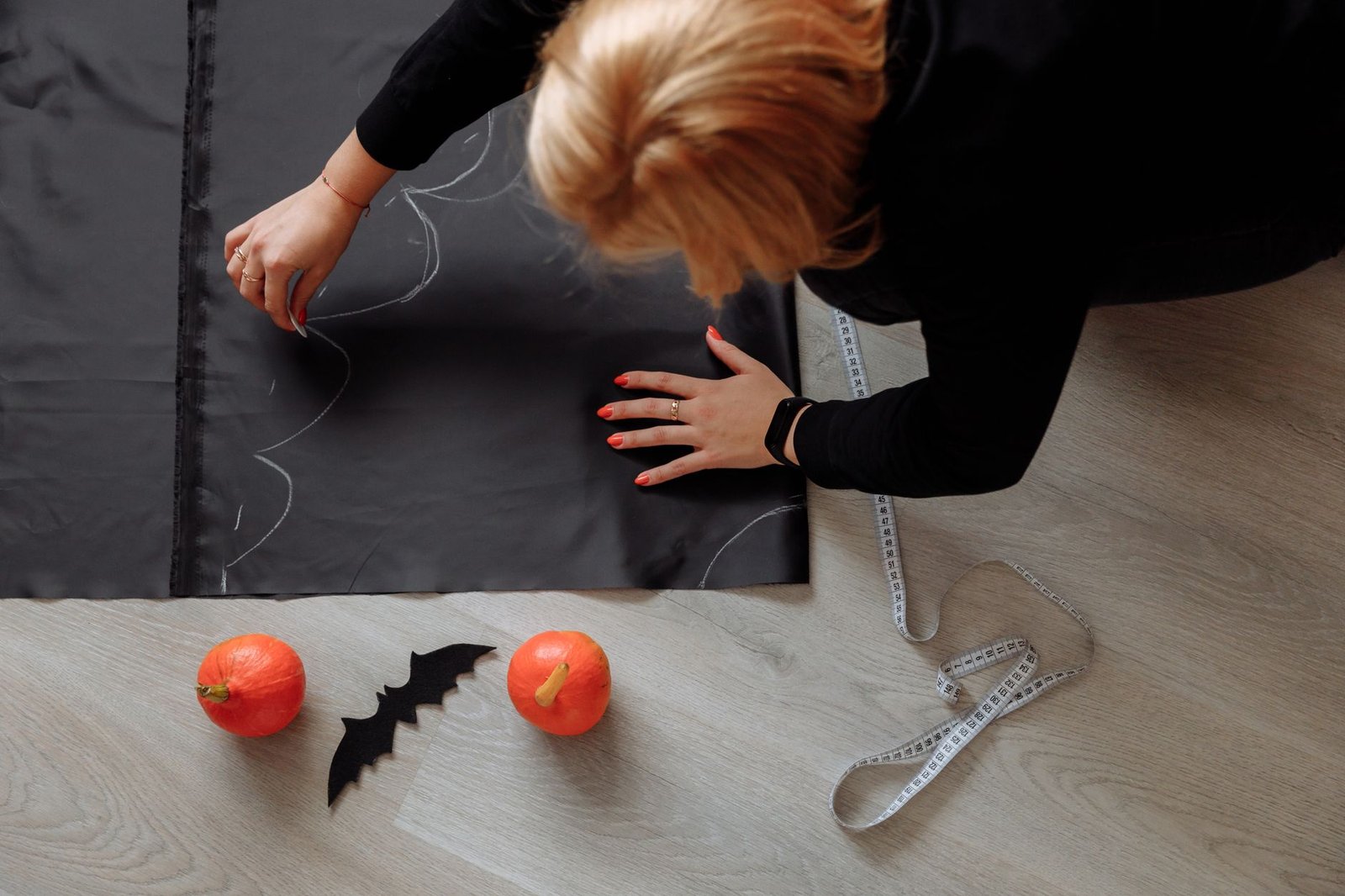
Fabric choices for a Halloween quilt shape the finished piece’s overall tone as much as the pattern itself, and a bit of intentional planning goes a long way here. Print selection sets the initial direction, whether leaning into classic Halloween motifs, pumpkins, bats, spiderwebs, or working with a more abstract, color-driven approach using solids and blenders in the holiday’s signature orange, black, and purple palette. Color palette decisions matter beyond just print selection too, a Halloween quilt built almost entirely from deep, saturated colors reads as more dramatic and spooky, while incorporating lighter accent colors or cream backgrounds softens the overall effect toward a friendlier, more approachable feel. Coordinating solids, chosen to complement rather than compete with a busier novelty print, give the eye some visual rest across a finished quilt top, preventing the design from feeling overwhelming even when the print fabrics themselves are fairly bold.
Block Styles That Work Well For Halloween Themes
A handful of block styles and construction approaches suit the Halloween theme especially well, and picking one that matches both your skill level and desired look is worth some upfront thought. Border and sashing choices deserve a bit of consideration too, a black or deep purple border reads as noticeably more dramatic than a lighter frame, and even small choices at the finishing stage can shift a quilt further toward spooky or friendly depending on the overall effect you are going for. Simple pieced shapes, a triangular pumpkin silhouette or a basic geometric bat shape built from squares and triangles, translate the theme into a graphic, quilted look that’s genuinely approachable for quilters at most skill levels. Applique block approaches allow for more organic, detailed shapes, a more realistic pumpkin outline or a curved ghost silhouette, and suit quilters comfortable with the extra technique applique requires over straightforward piecing. Combining both approaches within a single quilt, a mix of simpler pieced blocks alongside a few more detailed applique focal blocks, is a genuinely popular way to balance visual interest against overall construction time for a seasonal project with a real deadline.
Timing Your Halloween Quilt Project
Timing a Halloween quilt project realistically matters more than most other seasonal quilts, given the holiday’s fixed, non-negotiable date. For a full-sized quilt, starting in July or August gives comfortable room to work through piecing, quilting, and binding without a stressful last-minute rush, particularly important since Halloween quilting projects often compete for time with other summer commitments. A smaller lap quilt or wall hanging can reasonably start later, into September, and still finish comfortably before the holiday, though it’s always worth building in a buffer beyond your best-case estimate, since quilting projects have a well-earned reputation for taking longer than initially planned. Many experienced Halloween quilters work backward from the holiday date itself, mapping out rough weekly progress milestones, which helps catch a timeline that’s slipping while there’s still time to adjust the plan rather than discovering the shortfall only in the final week.

Displaying And Storing A Halloween Quilt
Displaying and storing a Halloween quilt properly keeps it looking its best across years of seasonal use. During its display season, rotating a quilt’s position periodically, if it’s draped somewhere that gets direct sunlight, helps prevent uneven fading across the fabric from prolonged sun exposure in one specific area. Storing a Halloween quilt between seasons in a breathable cotton storage bag, rather than a sealed plastic bin, allows the fabric to breathe and helps prevent the musty smell or potential mildew issues that can develop in fully sealed plastic storage over many months. Folding a stored quilt along different lines each year, rather than always folding in exactly the same spots, prevents permanent crease lines from setting into the fabric over repeated seasons of the same storage pattern, keeping the quilt looking crisp and well cared for well into future Halloweens. At Bee’s Quilt Shop, we like reminding customers that a favorite seasonal quilt genuinely improves with a bit of yearly maintenance, checking bindings, spot cleaning as needed, and storing it thoughtfully between seasons, rather than being treated as a one-and-done project that goes untouched between each October.
Ready to start your own Halloween quilt? Browse our Fabric Guides here at Bee’s Quilt Shop for more seasonal advice, and check out our halloween pattern guide for smaller project ideas too. Explore more Quilt Patterns & Blocks guides on the blog, or browse our Halloween Fabric collection to see what is currently available.
Frequently Asked Questions
When should I start a Halloween quilt to finish in time?
For a full-sized quilt, starting in July or August gives comfortable room to work through piecing, quilting, and binding without a stressful last-minute rush. A smaller lap quilt can reasonably start later, into September.
What block style works best for a Halloween quilt?
Simple pieced shapes, like a triangular pumpkin silhouette, translate the theme into an approachable, graphic look, while applique allows for more organic shapes like a curved ghost silhouette. Combining both is a popular way to balance visual interest against construction time.
What colors are traditional for a Halloween quilt?
Orange, black, and purple form the holiday’s signature palette, though incorporating lighter accent colors or a cream background softens the overall effect toward a friendlier, less dramatic feel.
How do I store a Halloween quilt between seasons?
Storing it in a breathable cotton storage bag, rather than a sealed plastic bin, allows the fabric to breathe and helps prevent a musty smell or mildew developing over many months. Folding along different lines each year also prevents permanent crease lines.
What if I do not finish my Halloween quilt in time?
A Halloween quilt does not need to be finished by a specific date to still feel like a success, a piece completed after the holiday simply becomes ready and waiting for next year. At Bee’s Quilt Shop, we know plenty of quilters who keep a running list of half-finished seasonal projects for exactly this reason.
This article is intended for general educational and informational purposes only, based on common seasonal quilting practices. Results vary by pattern, fabric, and skill level, so checking your specific pattern’s instructions is always recommended. Bee’s Quilt Shop shares this guide as part of our ongoing library of quilting and sewing resources.