Quick answer: A floral quilt ranges from a quilt made entirely of printed floral fabric to pieced flower blocks to fully appliqued blossoms, all sharing the same broad theme with very different levels of construction detail. Balancing busy floral prints against calm solids and a limited color palette is what keeps a floral quilt feeling cohesive rather than overwhelming.
A floral quilt is one of the most enduringly popular quilt themes out there, spanning everything from a simple quilt made entirely with printed floral fabric to an elaborately hand-appliqued garden of pieced blossoms built block by block. The range within this single theme is genuinely enormous, which is exactly why floral quilts remain such a staple across generations of quilters rather than feeling tied to any one specific style or era. Floral fabric lines are also among the most consistently released across the industry, with new floral collections arriving every season, which means quilters drawn to this theme rarely run out of fresh print options to work with, even after years of returning to the same broad idea. This guide covers what actually makes a quilt floral, popular floral quilt styles, choosing fabric for the theme, block patterns that showcase floral fabric well, color palette guidance, and how to care for a finished floral quilt. Bee’s Quilt Shop has watched floral quilts stay consistently popular across every season and every generation of quilter who walks through our doors, and the short version is that the theme’s flexibility is really what keeps it feeling perpetually fresh.
What Makes A Quilt Floral
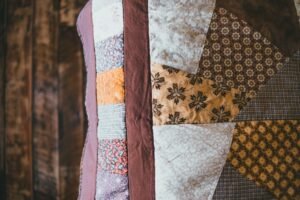
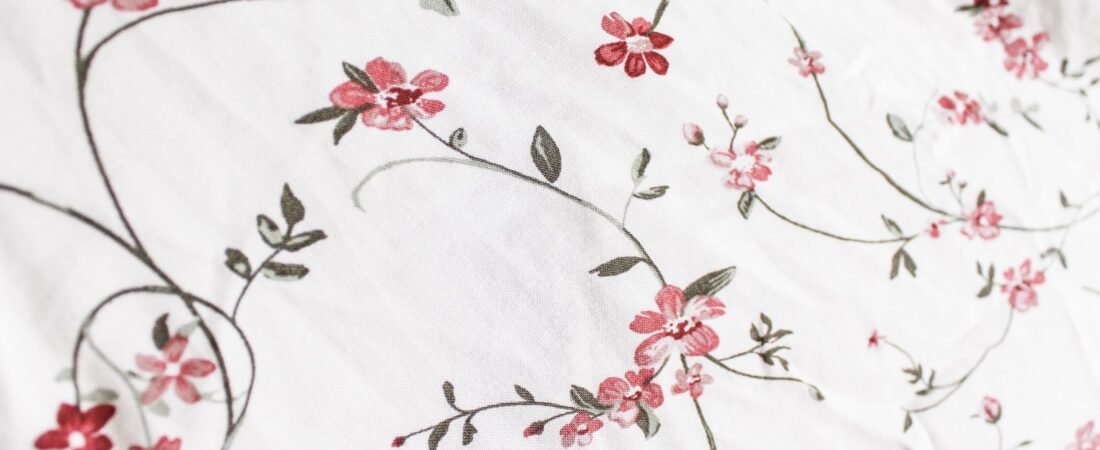
What actually makes a quilt floral spans a genuinely wide range, from the simplest approach all the way to the most involved. At the simple end, a quilt made entirely from printed floral fabric, arranged in a straightforward pieced pattern that doesn’t require any special floral-specific technique, lets the fabric itself carry the entire floral impression. At a more involved level, pieced flower blocks, built from geometric shapes arranged to represent a stylized blossom, translate the floral theme into the quilting technique itself rather than relying purely on printed fabric. At the most detailed end, appliqued flower blocks, with individually cut and stitched petal, leaf, and stem shapes, allow for the most realistic, dimensional floral representation a quilt can achieve, though at real cost in construction time and technical skill compared to the simpler approaches.
Popular Floral Quilt Styles
A handful of popular floral quilt styles have developed real followings over the years, each offering a genuinely different approach to the same broad theme. The classic garden-style floral quilt, built from a wide variety of coordinating floral prints arranged in a scrappy, abundant layout, evokes an overflowing cottage garden and tends to favor a busier, more layered visual approach. Single flower block quilts, featuring one repeated pieced or appliqued flower design across the entire quilt top, offer a more graphic, uniform look, letting one specific block’s design carry the whole quilt’s visual identity. Botanical-inspired quilts, favoring a more restrained, editorial approach with one or a few carefully rendered blooms surrounded by generous negative space, have grown in popularity among quilters drawn to a cleaner, more contemporary floral aesthetic. None of these approaches is inherently better, they simply serve genuinely different tastes, from maximalist and abundant to restrained and modern.
Choosing Fabric For A Floral Quilt
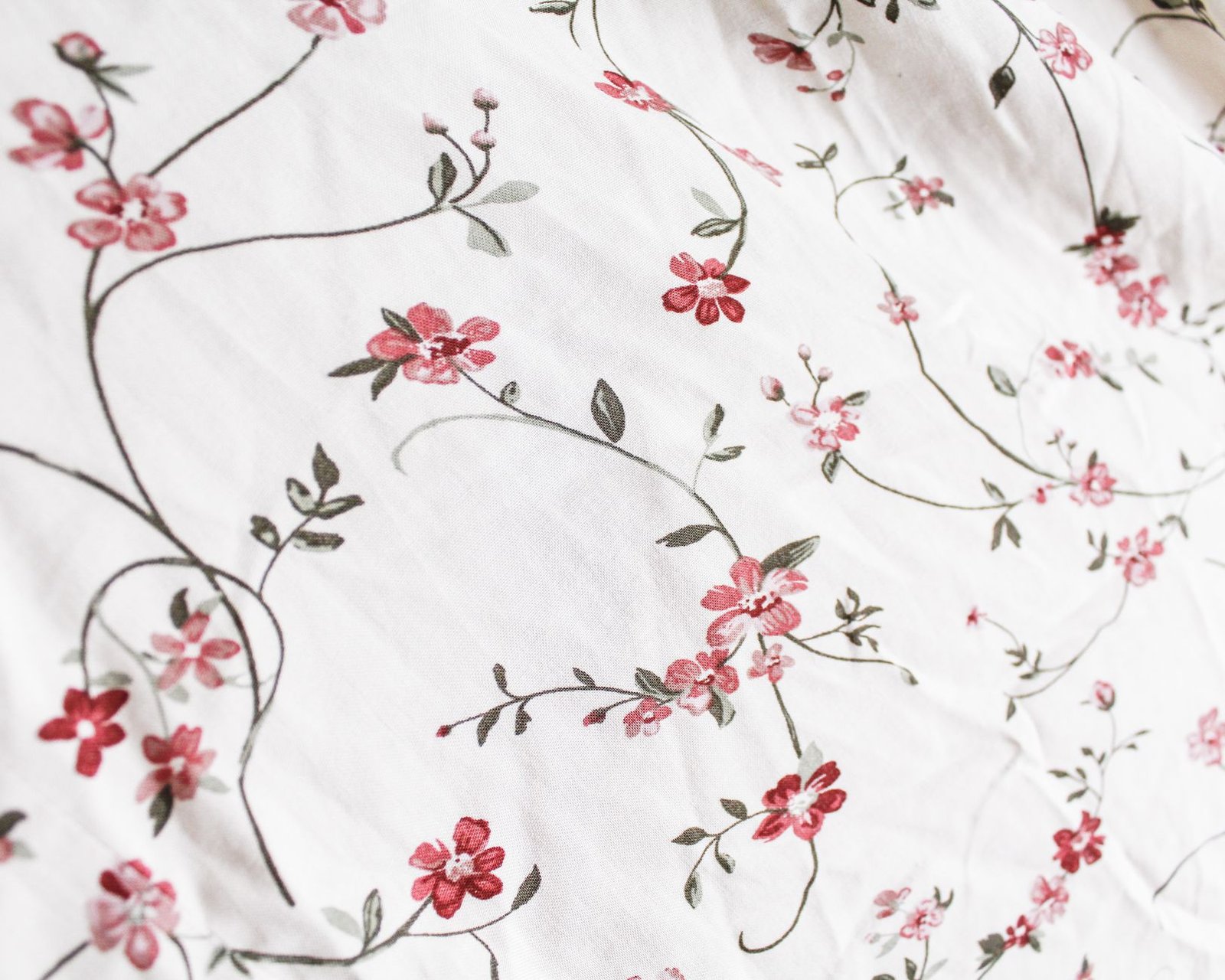
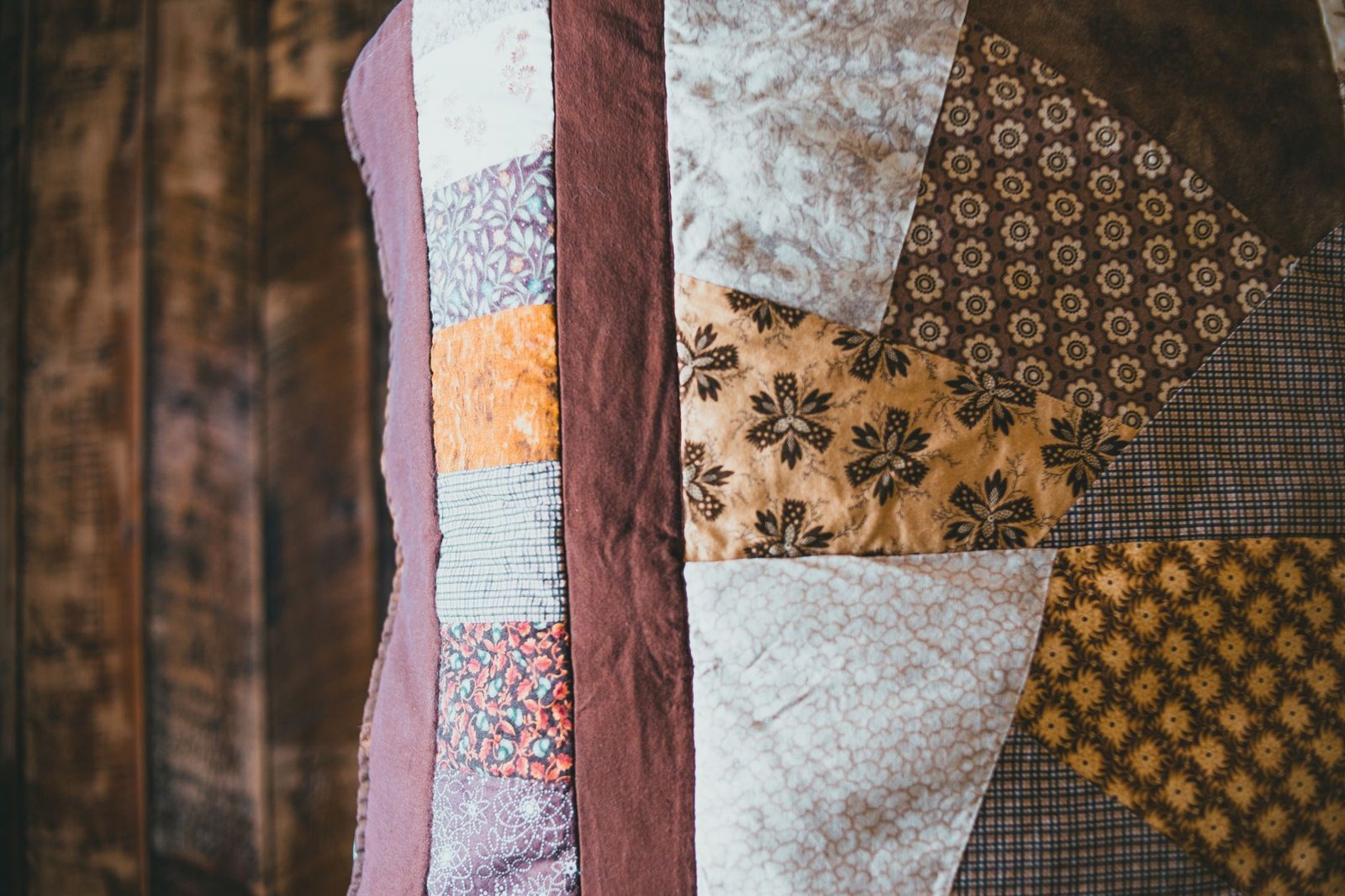
Choosing fabric for a floral quilt involves genuinely thoughtful mixing of floral prints with coordinating solids and blender fabrics, since an entire quilt built purely from busy floral prints can quickly become visually overwhelming without some quieter fabric to balance it. Solids give the eye somewhere to rest between busier floral sections, and choosing a solid that echoes one of the dominant colors within your floral prints usually creates a more cohesive palette than an unrelated accent color competing for attention. Blender fabrics, prints with enough texture or subtle pattern to read as nearly solid from a normal viewing distance, split the difference nicely, adding a bit of visual interest without competing directly with the quilt’s main floral fabrics. Working with fabric from a single coordinated collection is the most straightforward path to a cohesive floral palette for quilters newer to fabric selection, since collection designers have already done the color and scale coordination work, though mixing florals from multiple different lines can produce a genuinely striking, more personalized scrappy look for quilters comfortable making those pairing decisions themselves. Keeping a small physical swatch collection of favorite florals you have used before, even just a labeled folder of trimmed fabric edges, makes it easier to shop for new coordinating pieces later without needing to remember exact colorways from memory alone.
Block Patterns That Showcase Floral Fabric Well
Certain block patterns are especially well suited to showcasing floral fabric, and choosing the right block for your specific fabric can make a meaningful difference in how the finished quilt reads. Large, simple block shapes, big squares or rectangles, let a large-scale floral print’s full design show clearly without chopping it into small, hard-to-read fragments across many tiny pieces. Fussy cutting, deliberately centering a specific motif from a floral print within a cut piece rather than cutting randomly across the fabric, is a technique many floral quilters rely on heavily, letting a single perfect bloom sit centered within a block rather than leaving that placement to chance. Simpler block designs overall tend to serve bold floral prints better than intricate, densely pieced blocks, since a busy pieced pattern combined with a busy floral print can compete visually rather than complementing each other, so restraint in block choice often produces a more polished result when working with strong floral fabric.
Color Palette Tips For Floral Quilts
Color palette decisions carry real weight in a floral quilt’s overall success, and balancing busy prints against calmer tones is where a lot of that success actually comes from. Limiting an overall palette to a handful of coordinated colors, even when working with many different individual floral prints, keeps a scrappy, varied quilt from feeling chaotic despite the fabric variety involved. Background fabric choice matters enormously too, a calm, low-contrast background lets busier floral blocks stand out as clear focal points, while a busier or higher-contrast background can visually compete with the floral motifs for attention rather than supporting them. Stepping back periodically during the fabric selection and layout process, viewing potential combinations from across the room rather than just up close, helps catch a color or contrast imbalance while it’s still easy to adjust before pieces are cut and sewn.
Caring For A Finished Floral Quilt
Caring for a finished floral quilt generally follows standard quilt care guidance, though a few considerations matter more for pieces with a lot of colorful, potentially dye-sensitive floral fabric. Washing in cool water, ideally with a gentle or quilt-specific detergent, helps protect vibrant floral print colors from fading or bleeding over repeated washes, and a color catcher sheet added to the wash is a simple extra precaution worth taking for a quilt with a lot of deeply saturated floral colors. Air drying or a low-heat tumble dry setting helps preserve both the fabric’s color vibrancy and the quilt’s overall shape, since high heat can accelerate fading and cause more shrinkage over time than a gentler drying approach. Displaying a floral quilt out of direct, prolonged sunlight, whether draped on furniture or hung on a wall, protects those saturated floral colors from the gradual fading that sustained UV exposure causes, keeping a finished floral quilt looking vibrant for many years of enjoyment. Rotating between a couple of favorite quilts for everyday display, rather than leaving the same piece out continuously year round, is a simple habit that further extends how long those colors stay looking fresh and true to their original saturation. Storing an off-season floral quilt folded loosely in a breathable cotton bag, rather than a sealed plastic bin, also helps protect both the colors and the fabric itself over long stretches between uses. Refolding a stored quilt along slightly different lines every so often, rather than leaving it compressed in the exact same position for years, further reduces the risk of a permanent crease setting into the floral fabric over time. That small rotation habit, repeated once or twice a year, is an easy way to keep a favorite floral quilt looking its best for decades of continued use and enjoyment.
Ready to start your own floral quilt? Browse our Fabric Guides here at Bee’s Quilt Shop for more floral fabric advice, and check out our flower patterns guide for more piecing and applique technique. Explore more Quilt Patterns & Blocks guides on the blog, or browse our Fabric collection to see what is currently available.
Frequently Asked Questions
What makes a quilt count as floral?
It ranges widely, from a quilt made entirely of printed floral fabric with no special technique, to pieced flower blocks built from geometric shapes, to fully appliqued blossoms with individually cut petals. All three approaches count as floral.
What block style shows off a large floral print best?
Large, simple block shapes, like big squares or rectangles, let a large-scale floral print’s full design show clearly without chopping it into small, hard-to-read fragments. Fussy cutting, centering a specific motif within a cut piece, is another popular technique.
How many floral prints should I mix in one quilt?
There is no fixed rule, but limiting the overall palette to a handful of coordinated colors, even when using many different individual prints, keeps a scrappy quilt from feeling chaotic. Working from a single coordinated fabric line is the simplest path to a cohesive look.
What background fabric works best behind busy floral blocks?
A calm, low-contrast background lets busier floral blocks stand out as clear focal points, while a busier or higher-contrast background can compete with the floral motifs for attention instead.
How do I keep floral quilt colors from fading?
Washing in cool water with a gentle detergent and adding a color catcher sheet helps protect vibrant floral colors from bleeding. At Bee’s Quilt Shop, we also recommend displaying a floral quilt out of direct, prolonged sunlight to prevent gradual fading.
This article is intended for general educational and informational purposes only, based on common quilting practices. Results vary by fabric, dye, and pattern, so checking your specific fabric’s care instructions is always recommended. Bee’s Quilt Shop shares this guide as part of our ongoing library of quilting and sewing resources.