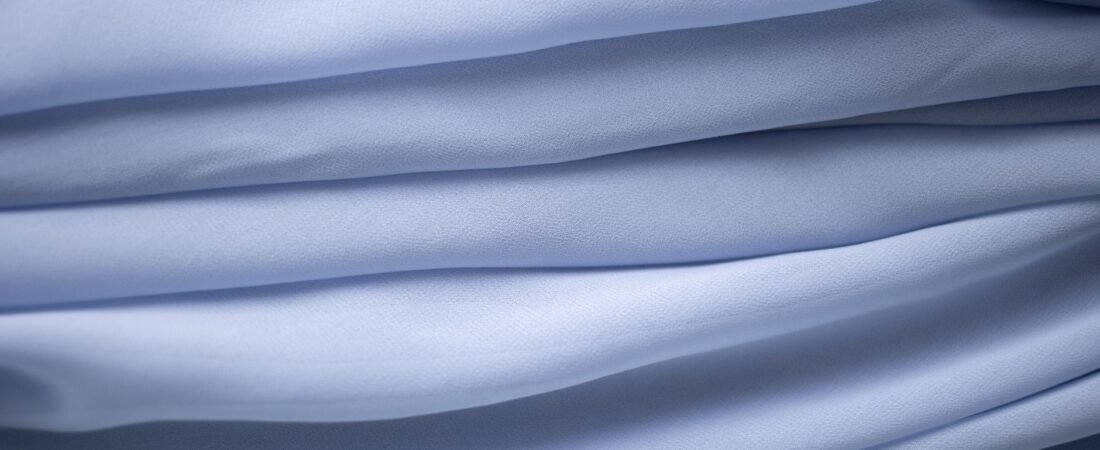
Quick answer: Chambray color comes from a plain weave with a colored warp thread and a white or undyed weft thread, giving it a soft, heathered look rather than one flat, solid shade. Classic blue is most common, but chambray is now widely available in pastels and neutrals too, and the shade you choose should depend on your project and how you want it to wear over time.
Chambray color is one of those things that sounds simple until you actually start shopping for it and realize how much variation hides under that one word. Most people picture a soft, slightly faded blue when they hear chambray, and that classic denim-adjacent shade is still the most common, but chambray fabric today comes in a much wider range than most beginners expect. This guide breaks down what actually creates chambray’s signature color, the variations you’ll run into while shopping, and how to choose the right one for your next project.
What Gives Chambray Its Signature Color
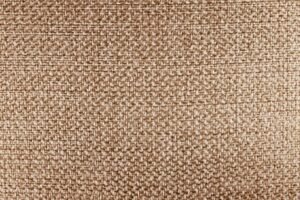
Chambray gets its distinctive heathered look from its weave structure rather than from a single solid dye, and that’s the detail most people miss when they’re trying to understand why it looks different from a plain-dyed fabric. It’s a plain weave fabric made with a colored warp thread running one direction and a white or undyed weft thread running the other, so up close you’re actually seeing tiny alternating threads of two different colors rather than one uniform shade. That construction is what gives chambray its soft, slightly hazy appearance instead of the flat, even color you’d get from a solid-dyed cotton, and it’s also why chambray tends to look a little different depending on the angle and lighting it’s viewed in. This weave-based color is the same basic principle behind denim, just with chambray’s threads spun and woven to be noticeably lighter in weight. Because the color comes from the interaction of two different threads rather than a single flat dye, chambray can also look subtly different depending on the specific ratio and tone of its warp and weft, which is why two bolts labeled the same general color, like blue chambray, can actually look noticeably different once you compare them side by side under the same lighting. This is also why swatch cards and small cuts are worth requesting before buying yardage sight unseen for a project where color matching matters, since a chambray color that reads accurately on one monitor can shift warmer or cooler on another, and the weave’s subtle texture rarely photographs with complete accuracy under typical retail lighting.
Common Chambray Color Variations
Classic blue chambray, ranging from a pale, almost powdery blue to a deeper mid-tone, is still the most widely available and recognizable option, and it’s the shade most sewists picture first when the fabric comes up. Beyond blue, though, manufacturers now produce chambray in a genuinely wide range of colorways, including soft pastels like blush pink or pale yellow, and quieter neutrals like grey, tan, or off-white. Some of these newer colorways use the traditional colored-warp-and-white-weft construction just like classic blue chambray, while others use two closer-in-value threads for a more subtle heathered effect that reads almost as a solid from a distance. This wider color range is genuinely useful for garment sewists who love chambray’s breathable, lightweight feel but want something beyond the expected denim-blue look. It’s worth checking product photos carefully or, better yet, ordering a swatch when shopping for chambray online, since screen displays can shift a pale pastel chambray color noticeably compared to how it actually looks in person once it arrives.
Chambray Vs Denim Color Differences
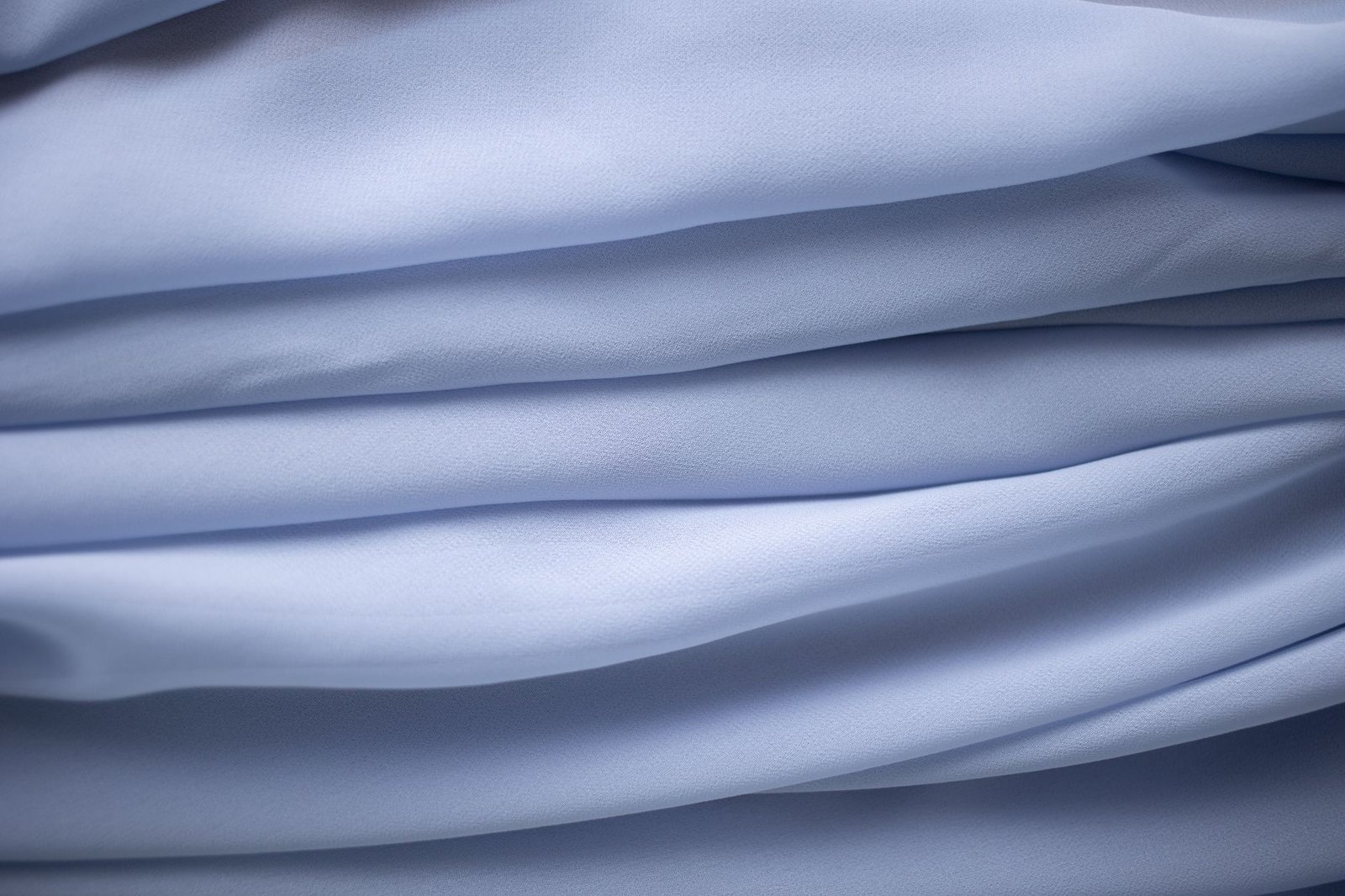
A common point of confusion for newer sewists is sorting out how chambray color differs from denim color, since the two fabrics can look deceptively similar in photos. Denim is a twill weave, which creates that diagonal ribbing you can feel and often see, while chambray is a plain weave, so it lies flatter and drapes more softly with no diagonal texture. Denim is also typically heavier and stiffer, often starting quite dark and fading with wear and washing over time, while chambray tends to start out closer to its finished color and stays fairly consistent through normal washing since it’s a lighter weight fabric to begin with. If you’re standing in front of two similar-looking blue fabrics and can’t tell them apart, running your fingers over the surface to check for that diagonal twill texture is usually the fastest way to know which one you’re holding. Holding the fabric up to light can also help, since chambray’s plain weave tends to let a bit more light through than the denser, more tightly woven twill structure denim relies on, another quick, practical way to sort the two apart when labels or bolts get mixed up on a cutting table.
Choosing A Chambray Color For Your Project
Choosing a chambray color really comes down to what you’re making and how the finished piece will be worn or used. For garments meant to be everyday basics, like a button-down shirt or a simple dress, the classic blue tones tend to pair easily with the widest range of other colors in a wardrobe, which is part of why that shade remains so popular. For quilting projects, lighter or more neutral chambray colorways often blend more naturally as a background or blender fabric, since the softer heathered texture reads as visual interest without pulling focus from a pieced design. It’s also worth considering weight alongside color, since chambray comes in a range of weights, and a lighter weight in a pale color can read as almost sheer, while a heavier weight in the same shade will look and behave quite differently. Many sewists find it helpful to buy a small swatch or a quarter yard before committing to a full project’s worth of a specific chambray color and weight combination, since photos and even in-store lighting don’t always translate perfectly to how a finished, worn garment will actually look. Pairing a chambray color against the actual thread, buttons, or trim you plan to use before cutting into a full project is another small step that saves disappointment later, since undertones that look neutral in isolation can suddenly clash once every component of a finished garment or quilt block sits side by side.
How Chambray Color Behaves After Washing
How chambray color behaves after washing is honestly part of its appeal for a lot of people rather than a downside to work around. Because of the two-tone weave, chambray tends to soften and gently fade over repeated washing in a way that looks intentional rather than worn out, similar in spirit to how a favorite pair of jeans breaks in over time. Washing in cool water and avoiding harsh bleach helps preserve the original color balance for longer, though many sewists actually prefer letting chambray fade naturally since that gentle transition is part of what gives finished garments their lived-in, comfortable character. If you want a project to stay as close to its original color as possible, a gentler wash cycle and air drying will slow that natural fading process down. Sorting chambray pieces separately from other laundry for at least the first several washes also helps, since newer chambray can release a bit of loose dye early on, and keeping it away from lighter colored fabrics during that initial settling period is a simple precaution worth taking.
Pairing Chambray With Other Fabrics And Prints
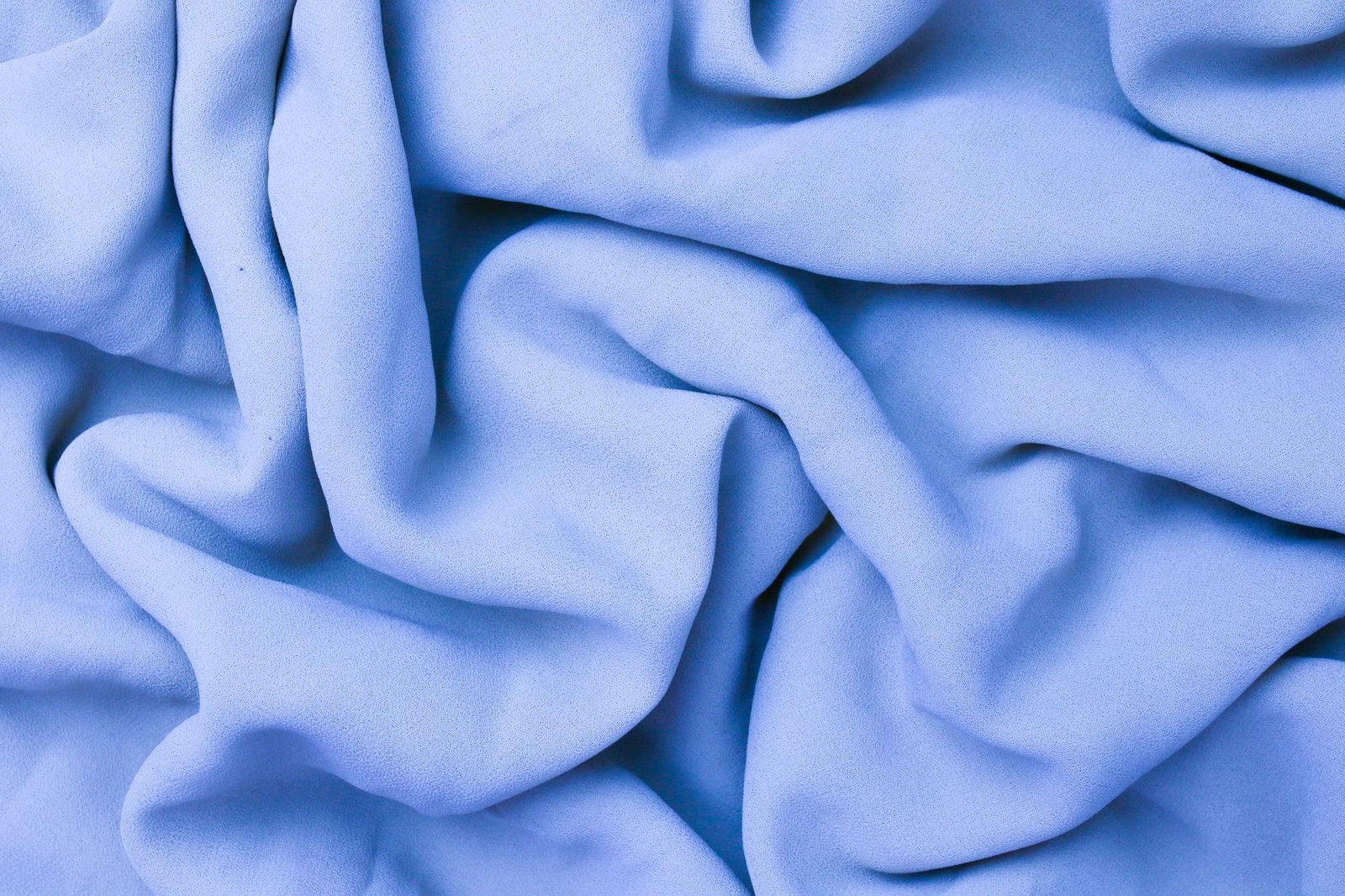
Pairing chambray with other fabrics and prints comes fairly naturally once you know its texture reads as a soft neutral rather than a bold statement piece. It works well alongside quilting cotton prints as a calming blender, letting busier patterns stand out while chambray fills in background or binding roles. In garment sewing, chambray pairs easily with denim for a tonal, monochromatic look, or with contrasting solids and prints for pops of color against its softer, more muted base. Because chambray’s heathered texture already carries some visual interest on its own, many sewists find it works best paired with either solids or fairly simple prints rather than combining it with something equally busy, which is a helpful rule of thumb whether you’re piecing a quilt or cutting out a garment pattern. Chambray also layers nicely alongside linen and lightweight canvas in mixed-fabric garment projects, since all three share a similarly relaxed, textural quality even though their weave structures differ, something Bee’s Quilt Shop often points out to sewists building a coordinated wardrobe fabric collection.
Ready to pick out a chambray shade for your next project? Explore our Fabric Types and Guides library here at Bee’s Quilt Shop for more fabric-specific advice, and browse our current fabric collection to see what’s currently in stock. Explore more Fabric Types & Guides guides on the blog, or browse our Fabric collection to see what is currently available.
Frequently Asked Questions
Is chambray color the same as denim color?
They can look similar in photos, but chambray is a plain weave while denim is a twill weave, which gives denim its diagonal texture and heavier feel. Chambray tends to lie flatter and stay closer to its original color through washing, while denim often fades more dramatically over time.
Why does chambray look like two colors mixed together up close?
That’s the weave doing its job, chambray uses a colored warp thread running one direction and a white or undyed weft thread running the other, so up close you’re seeing tiny alternating threads rather than one solid dyed color. This construction is what gives chambray its soft, heathered appearance.
Does chambray color fade a lot after washing?
It does soften and lighten gradually with repeated washing, similar in spirit to how denim breaks in, though usually less dramatically since chambray starts out lighter weight and closer to its finished shade. Many sewists actually like this gentle fading since it gives finished pieces a comfortable, lived-in look.
What chambray color works best for a beginner sewing project?
Classic blue tends to be the easiest starting point since it’s widely available and pairs with almost anything else in a wardrobe or fabric stash. At Bee’s Quilt Shop we also point beginners toward lighter neutral chambray colorways if they want something that blends easily into a quilting project as a background fabric.
Can I use chambray in a quilt, or is it only for garments?
Chambray works well in quilting too, especially as a background or blender fabric since its soft heathered texture adds visual interest without competing with a busier pieced design. Just keep an eye on the weight, since chambray runs lighter than standard quilting cotton and may need to be paired thoughtfully with heavier fabrics in the same project.
This article is intended for general educational and informational purposes only, based on common sewing and quilting practices. Results vary by fabric weight, dye lot, and care routine, so testing a swatch before committing to a full project is always a good idea. Bee’s Quilt Shop shares this guide as part of our ongoing library of quilting and sewing resources.