
Quick answer: Quilting Treasures is a long-running brand of 100% cotton quilting fabric known for novelty prints, holiday and seasonal collections, wildlife designs, and printed panels. The line is connected to Cranston Print Works and is now presented as QT Fabrics, so you’ll find the same family of prints under both names.
Quilting Treasures is a name many quilters remember fondly. Its fabric has shown up in quilt shops, fabric stores, and stashes for years, often in the form of fun novelty prints, holiday designs, and panels that make gift quilts come together quickly. If you’ve inherited a stash or bought fabric from a quilt shop, there’s a good chance you have a few of its prints.
This guide gives a general introduction to Quilting Treasures, describes the kinds of collections associated with the brand, and explains who tends to choose it. We’ll share brand-neutral tips for evaluating any fabric line and coordinating printed fabric with solids and blenders. We’ll also cover a common source of confusion many guides skip: searching for the fabric under its current name. Finally, we’ll point you to official sources for current collections. At Bee’s Quilt Shop, we always liked helping quilters understand fabric brands so they could shop with more confidence and less guesswork.
A Brief Introduction To Quilting Treasures
Quilting Treasures is a brand of quilting fabric connected to Cranston Print Works, an American textile printing company whose history, according to industry and retailer sources, goes back to the early 1800s. Trademark records describe Quilting Treasures by Cranston as a mark owned by Cranston Print Works, and trade articles have described Quilting Treasures as a division of that company.
Over the years, the quilting line became widely recognized under the Quilting Treasures name, and today it’s presented as QT Fabrics. Retailers commonly describe the brand as producing 100% cotton quilting fabric, with designs created by in-house designers and licensed artists. Like most fabric companies, it sells mainly through quilt shops and fabric retailers. Corporate details can change over time, so the company’s official website is the best place to confirm current information. What’s clear is that the brand has a long history of printed quilting cotton aimed at hobby quilters, which is why the name is so familiar to so many sewists. If you’ve ever picked up a bolt with a bright themed print and a recognizable selvage, you may have met the brand already.
The Kind Of Collections Associated With Quilting Treasures
The kinds of collections associated with Quilting Treasures tend to be printed cotton with clear, recognizable themes. Novelty prints are a big part of its reputation, with fabrics featuring animals, hobbies, sports, travel, food, and other fun subjects. Holiday and seasonal collections are also common, covering Christmas, Halloween, Thanksgiving, spring, and patriotic designs.
Wildlife and nature themes appear often, with realistic animal and outdoor imagery that appeals to quilters making gifts for outdoor lovers. Printed panels are another strength, with many collections offering a large panel along with coordinating prints. Blenders and tonal prints are often included to round out a collection, making it easier to build a whole quilt from one line. Exact themes and designs change with each release, so browsing current collections is the best way to see what’s available. Without describing specific artwork, it’s fair to say the brand is known for cheerful, theme-driven fabric that makes it easy to create personalized projects.

Who Tends To Choose This Brand
Quilting Treasures often appeals to quilters who enjoy themed projects. If you’re making a quilt for a grandchild who loves trucks, a friend who enjoys fishing, or a family celebration, themed fabric can make the project feel personal and fun. Panels are especially popular with quilters who want a quick, impressive result.
Beginners often like panel projects because much of the design is already done, letting them focus on borders, quilting, and binding. Charity quilters and those who make many gift quilts may appreciate the variety of themes. Experienced quilters might use novelty prints as accents in scrappy quilts, fussy-cut motifs for block centers, or use panels as the center of a more complex design. Seasonal decorators often reach for holiday collections to make table runners, wall hangings, and pillows. Of course, the brand isn’t the right choice for every quilt, and many quilters mix fabrics from multiple brands depending on the project. Personal taste is always the best guide, and the most memorable quilts usually come from fabric the maker genuinely loves working with.
How To Evaluate A Fabric Line Before You Commit
Before committing to any fabric line, it helps to check a few things. Start with the hand, or how the fabric feels. Quilting cotton should feel smooth and soft, with enough body to hold its shape. Some fabrics feel stiff on the bolt because of finishes that wash out, so the hand may change after washing.
Next, look at weight and weave. Hold the fabric up to the light to check for an even weave without obvious gaps. Fabric that looks very thin may wear faster or allow batting to beard through. Then examine the print. Look for crisp lines, even color, and a print that’s aligned with the grain. Check the back of the fabric to see how well the color penetrated. For panels, check that the printed image is reasonably square on the fabric, since that affects trimming. These checks apply to every brand, including Quilting Treasures, and they help you choose fabric that will look and wear well in your finished quilt. Over time, you’ll develop a feel for the brands you trust.
Coordinating Brand Fabric With Solids And Blenders
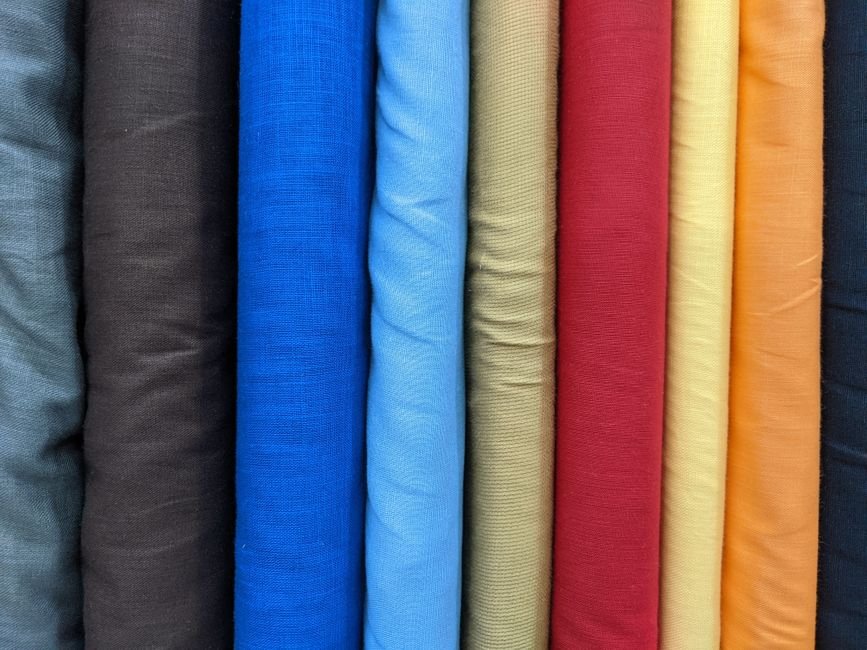
Bold, themed collections often look best when balanced with solids and blenders. A printed collection can be busy on its own, and solids give the eye a place to rest while making the prints stand out. Pull a color from the main print for your solids, such as a deep green from a forest print or a bright red from a holiday design.
Blenders, which are fabrics that read as almost solid from a distance, add texture without competing. Tone-on-tone prints, small dots, and subtle textures are good options. Many collections include their own blenders, but you can also mix in blenders from other brands as long as the weight and hand are similar. Lay fabrics out together in natural light to check how they work. Take a photo and view it in black and white to check value contrast. A good palette usually includes a range of light, medium, and dark values. Building a palette around a themed print is one of the most satisfying parts of planning a quilt, and it lets the main fabric take center stage.
Searching For Quilting Treasures Fabric Under Its Current Name
Here’s something many guides skip: if you’re searching for Quilting Treasures fabric today, you may need to look under its current name. The brand is now presented as QT Fabrics, and many retailers list newer collections under that name. Some stores mention both, describing the brand as QT Fabrics, formerly Quilting Treasures.
If you’re trying to find a specific older print, the selvage is your best tool. It usually shows the company name, collection name, and design number. Searching with the design number often finds the fabric even if the retailer uses a different brand name. Our separate guide to QT Fabrics covers the brand under its current name. Discontinued prints can be hard to find, but quilting groups, fabric swaps, and online marketplaces sometimes have older Quilting Treasures fabric available, though availability is never guaranteed. Knowing both names makes the search much easier.
Finding Current Collections From Official Sources
Fabric collections change constantly. New lines are released, older ones sell out, and reprints aren’t guaranteed. That means any list of specific collections eventually goes out of date, and a print you saw a few years ago may no longer be produced.
For the most current information, check the manufacturer’s official website, where fabric companies usually show current and upcoming collections, often with lookbooks and sometimes free project ideas. Authorized retailers, including quilt shops and established online fabric stores, are also reliable sources, since they stock current collections and can sometimes help locate older prints. Keep selvage information from fabrics you love, since collection names and design numbers make searching much easier. If you’re planning a large project, buying enough fabric at once helps avoid running short after a collection sells out. Staying flexible and open to substitutes is often the most practical approach.
Knowing a brand’s history helps you find the fabric you love, and Bee’s Quilt Shop has more guides to explore. Visit our Fabric Types and Guides section, learn about fabric panels and how to use them, or browse the Fabric collection for prints and solids.
Frequently Asked Questions
Is Quilting Treasures still in business?
The brand’s quilting fabric is now presented as QT Fabrics, and many retailers still mention the Quilting Treasures name. Check the company’s official website for current details.
Who makes Quilting Treasures fabric?
Trademark and trade sources connect Quilting Treasures with Cranston Print Works, an American textile printing company. Corporate details can change, so confirm with official sources.
Is Quilting Treasures fabric 100% cotton?
Retailers commonly describe the brand’s quilting fabric as 100% cotton. Always check the bolt or product listing for the fiber content of a specific fabric.
How can I find an old Quilting Treasures print?
Look at the selvage for the collection name and design number, then search using that information. Quilting groups and fabric swaps can sometimes help with discontinued prints.
What kind of quilts suit Quilting Treasures fabric?
Many quilters use the brand’s themed prints and panels for gift quilts, baby quilts, and seasonal décor. Bee’s Quilt Shop always suggested pairing bold prints with solids to give them room to shine.
This article is intended for general educational and informational purposes only. Brand details, collections, and availability change over time, so please confirm current information with the manufacturer. Results vary by skill level, fabric, and equipment. Bee’s Quilt Shop is an independent resource and is not affiliated with Quilting Treasures or QT Fabrics, and we share this guide as part of our ongoing library of quilting and sewing resources.