
Quick answer: What is batik? Batik is a wax-resist dyeing technique in which wax is applied to fabric to block dye, so the waxed areas stay their original color while the rest absorbs dye. Layering wax and dye builds up rich, multi-colored patterns, and batik has deep roots in Indonesia, especially Java, while batik-style fabrics are now loved by quilters worldwide.
Batik fabrics are some of the most vibrant, eye-catching fabrics in any quilt shop. Their glowing colors, organic patterns, and subtle crackle effects make them stand out on the shelf and in finished quilts. But what is batik, exactly, and why does it look the way it does?
This guide answers that question in depth. We’ll explain the wax-resist dye technique, walk through how batik fabric is made, and share a respectful overview of batik’s origins and cultural background, sticking to well-documented facts. We’ll help you tell the difference between hand-dyed batik and printed batik-style fabric, and offer tips for sewing and quilting with batik. We’ll also cover something many guides skip, which is what batik pairs best with in a quilt. Finally, we’ll share tips for choosing batik fabric. At Bee’s Quilt Shop, batiks were always a favorite, and our Batiks collection reflects that long-standing love.
What Is Batik
What is batik at its core? Batik is a method of decorating fabric using wax and dye. The basic idea is simple. Wax is applied to areas of the fabric that should resist the dye. When the fabric is dyed, the waxed areas stay their original color, while the unwaxed areas absorb the dye.
The process can be repeated many times. After the first dye bath, more wax can be applied to protect the new color, and the fabric can be dyed again in a different color. Each layer of wax and dye adds complexity, creating multi-colored designs with rich depth. When the process is finished, the wax is removed, revealing the full pattern.
A characteristic feature of many batiks is crackle, fine lines where dye has seeped into small cracks in the wax. Some artisans encourage crackle for effect, while others avoid it. The word batik is also used more broadly to describe fabrics made with this technique or fabrics designed to look like it. For quilters, batik usually refers to cotton fabrics made with wax-resist methods, known for their vivid color and tight weave.
How Batik Fabric Is Made
Batik fabric is made through a series of steps. First, a design is planned and sometimes sketched onto the fabric. Then hot wax is applied to the areas that should stay the original color. Traditionally, artisans use a canting, a small tool with a copper spout and a handle, to draw fine lines of wax by hand. This hand-drawn method is known as batik tulis in Indonesia and can be very time-consuming.
Another method uses a cap, a copper stamp shaped into a pattern. The cap is dipped in hot wax and pressed onto the fabric, allowing patterns to be repeated more quickly. This is often called stamped or cap batik. Many batik fabrics combine both methods.
After waxing, the fabric is dyed. Once dry, more wax may be applied and the fabric dyed again. Finally, the wax is removed, often by boiling or scraping, and the fabric is washed. The result is a fabric with color that penetrates both sides. Many modern batik fabrics for quilting are made with stamping methods, which allow larger quantities while keeping the distinctive look.

Batik Origins and Cultural Background
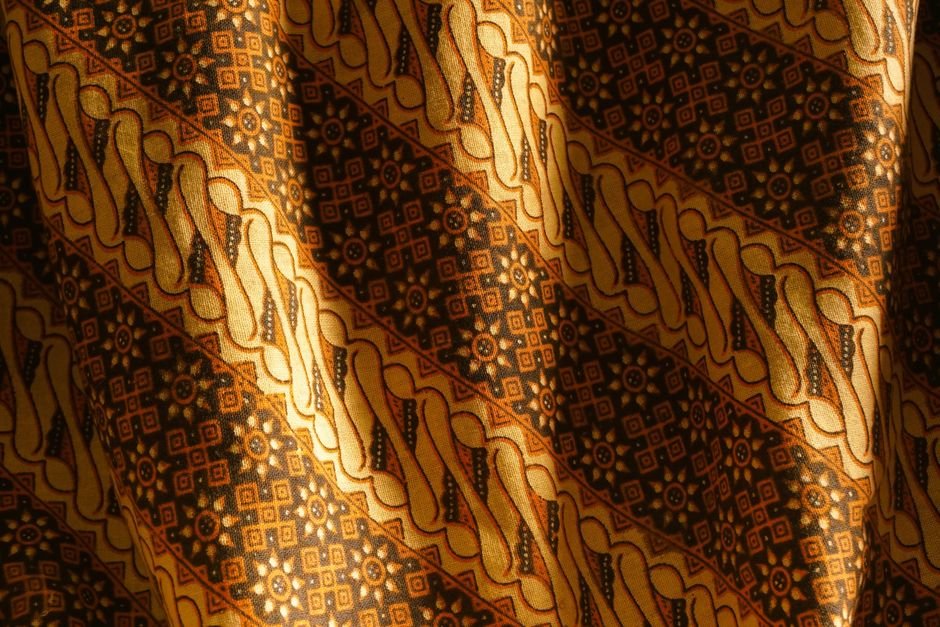
Wax-resist dyeing has been practiced in many parts of the world, including parts of Asia and Africa, but batik is most closely associated with Indonesia, particularly the island of Java. Javanese batik has a long, rich history, with traditional patterns, motifs, and colors that carry cultural meaning. Some patterns were historically associated with specific regions, occasions, or social standing.
In 2009, UNESCO inscribed Indonesian Batik on its Representative List of the Intangible Cultural Heritage of Humanity. This recognition highlights batik’s importance to Indonesian culture and identity, including its role in ceremonies and daily life.
Batik is also practiced in other countries, such as Malaysia, and wax-resist textiles have traditions in parts of Africa and elsewhere. Each tradition has its own techniques and styles. When using batik fabrics, many quilters appreciate learning about these traditions and the skill of the artisans who make them. Respecting batik’s cultural roots means valuing it as more than a trend and recognizing the craftspeople behind it. Historical details vary between sources, so this overview focuses on well-documented points.
Hand-Dyed Batik vs Printed Batik
True batik is made using wax-resist methods, while printed batik-style fabrics imitate the look using printing techniques. Knowing the difference helps you choose fabric and understand pricing.
The back of the fabric is the best clue. In true batik, the dye penetrates the fabric, so the back looks very similar to the front, with nearly the same color intensity. In printed fabrics, the back is usually noticeably lighter or less detailed, since the print sits on the surface.
Texture and variation offer more clues. Hand-dyed and stamped batiks often have slight irregularities, crackle lines, and color variations, giving each piece a handmade feel. Printed batik-style fabrics tend to be more uniform. True batiks often have a smooth, tightly woven base fabric, which is another hallmark.
Both types have their place. Printed batik-style fabrics can be more affordable and offer consistent designs. True batiks offer depth, richness, and a connection to a traditional craft. Preferences vary, and many quilters use both. Reading product descriptions carefully helps you know which you’re buying.
Sewing and Quilting with Batik
Sewing and quilting with batik is a pleasure, but batiks have a few unique traits. Batik fabrics are usually made on a tightly woven cotton with a high thread count. This makes them crisp, durable, and resistant to fraying, which is great for precise piecing and appliqué.
That tight weave also means needle choice matters. A sharp, fine needle, such as a microtex or sharp needle in a smaller size, helps pierce the fabric cleanly and reduces skipped stitches. Hand quilting through batik can be harder than through regular cotton, so many quilters prefer machine quilting for batik quilts.
Prewashing is common with batiks. Because batiks are often dyed with saturated colors, some may bleed, especially in the first wash. Many quilters prewash batiks and use a color catcher, or test a small piece by wetting it and pressing it against white fabric. Prewashing also removes any leftover wax residue. Pressing batiks well before cutting helps ensure accuracy. With these simple steps, batiks are reliable and rewarding to sew.
What Is Batik Best Paired With in a Quilt
What is batik best paired with in a quilt? Batiks have rich, saturated colors and organic patterns, so pairing them thoughtfully helps a quilt look cohesive. Many quilters pair batiks with other batiks, since they share a similar look and color depth. Batik collections often coordinate well, creating vibrant quilts with flowing color.
Solids are another great partner. A solid background, such as white, cream, black, or a deep color, can make batiks glow. Solids give the eye a place to rest and help batik patterns stand out. Tone-on-tone fabrics also pair well, adding subtle texture without competing.
Pairing batiks with regular quilting cotton prints can work, but it takes a little more care. Batiks have a distinctive look and a tighter weave, and some prints can look flat next to batik’s depth. Choosing prints with similar color saturation helps. Value contrast remains important. Sorting batiks from light to dark ensures your design reads clearly. Experimenting with combinations on a design wall can help you find pairings you love.
Choosing Batik Fabric
Choosing batik fabric starts with color. Batiks come in every color imaginable, from soft pastels to deep jewel tones. Consider your project’s palette and how the batiks will work together. Many quilters choose batiks with color gradations or blended effects that add movement.
Quality is worth considering. Look for a tight, even weave and rich, consistent color. Checking the back of the fabric helps you tell true batik from printed styles. Reputable manufacturers and well-reviewed sources are a good starting point.
Think about project use. Batiks are great for quilts, especially landscape, nature-inspired, and modern designs, as well as appliqué, since their tight weave resists fraying. They’re also lovely for bags, table runners, and wall hangings. Batik precuts, such as jelly rolls and fat quarter bundles, make it easy to collect a variety. Our guide to jelly roll fabrics covers batik strips in more detail. Preferences vary, so choose batiks that inspire you.
Bee’s Quilt Shop has a long love of vibrant, hand-crafted fabrics. Explore our Fabric Types and Guides section, browse the Batiks collection for color inspiration, and read our guide to quilting cotton fabrics to compare batik with other cottons.
Frequently Asked Questions
What is batik fabric?
Batik is fabric decorated using a wax-resist dyeing technique, where wax blocks dye from certain areas. Layering wax and dye creates rich, multi-colored patterns.
Where does batik come from?
Batik is most closely associated with Indonesia, especially Java, and Indonesian Batik is recognized by UNESCO as Intangible Cultural Heritage. Wax-resist dyeing also has traditions in other parts of the world.
How can I tell if batik is real?
Check the back of the fabric. True batik usually looks almost as vivid on the back as on the front, while printed batik-style fabric is lighter on the back.
Should I prewash batik fabric?
Many quilters prewash batiks because saturated dyes can bleed and prewashing removes wax residue. Bee’s Quilt Shop often suggested using a color catcher in the first wash.
What needle should I use for batik?
A sharp, fine needle such as a microtex helps pierce batik’s tight weave cleanly. It can reduce skipped stitches and give neater seams.
This article is intended for general educational and informational purposes only. Historical and cultural details are summarized from widely documented sources and may vary between references. Fabric types and results vary by skill level, fabric, and equipment. Bee’s Quilt Shop shares this guide as part of our ongoing library of quilting and sewing resources.