
Quick answer: The gingham meaning most people reach for today is a crisp checked fabric made by crossing a white yarn with one colored yarn in an even weave, creating light, mid, and dark squares. The word is commonly traced to a Malay term for striped cloth, and the fabric has since become a symbol of country charm, picnics, and fresh, cheerful style.
Few patterns feel as instantly familiar as gingham. Red and white checks on a picnic blanket, blue gingham on a summer dress, black and white checks in a modern kitchen. It’s one of those fabrics that seems to have always been around. But what is the gingham meaning, exactly, and where did this cheerful check come from?
This guide explores the gingham meaning from every angle. We’ll look at what the word and pattern mean, share a brief history based on what’s well documented, and explain how gingham is made. We’ll cover check sizes and colors, then share tips for sewing and quilting with gingham. We’ll also cover something many guides blur together, which is how gingham differs from plaid, tartan, and buffalo check. Finally, we’ll look at gingham’s symbolism and style uses. At Bee’s Quilt Shop, gingham was a timeless favorite, and it’s a fabric that fits beautifully into both traditional and modern projects. For a quick fabric overview, our guide on what gingham is is a handy companion.
Gingham Meaning: What the Word and Pattern Mean
In fabric terms, gingham is a woven cloth with an even check pattern, usually made from a white yarn and one colored yarn. Where the colored threads cross each other, the square is fully colored. Where white crosses white, the square is white. Where colored and white cross, the square is a blended, lighter tone. This creates the characteristic three-tone check that makes gingham so recognizable.
Gingham checks are even, meaning the stripes are the same width in both directions, which makes the squares square. This sets gingham apart from many plaids, which use stripes of different widths and multiple colors.
The word gingham is commonly traced to a Malay word, often given as genggang, which is generally described as meaning striped. Early gingham fabrics were reportedly striped rather than checked, and the checked pattern became the dominant style later. Today, when most people say gingham, they mean the classic even check. The gingham meaning has also expanded beyond fabric, becoming shorthand for a cheerful, wholesome, and slightly nostalgic style.
A Brief History of Gingham
Gingham’s history is often told through trade. Cotton and cotton blend cloth from South and Southeast Asia was traded by European merchants, including Dutch and English traders, in the 1600s and 1700s, and the word gingham entered English during that period. Early references describe gingham as a striped cloth.
Over time, textile production in Europe grew, and English mills, particularly in the Manchester area, became known for producing gingham. As production expanded, the checked version became the most popular. By the 1800s, gingham was widely used for everyday clothing, aprons, and household linens in Europe and North America, since it was durable, affordable, and easy to launder.
In the twentieth century, gingham gained fame through film and fashion. Dorothy’s blue gingham dress in The Wizard of Oz, released in 1939, became an iconic image. In 1959, actress Brigitte Bardot wore a pink gingham wedding dress, which helped popularize gingham in fashion. Since then, gingham has moved in and out of trend while remaining a classic. Some historical details vary between sources, so this overview sticks to the most widely documented points.
How Gingham Is Made
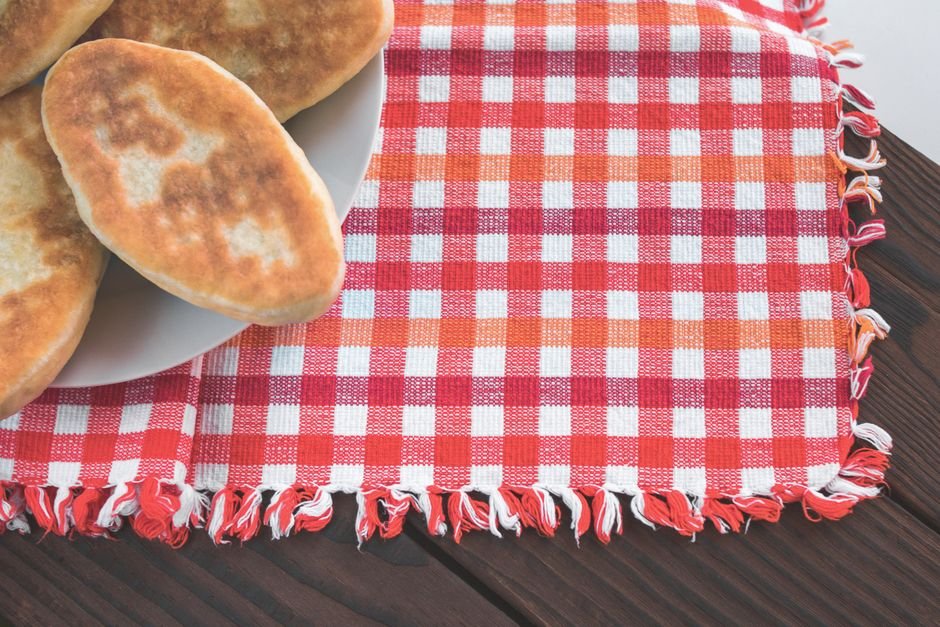
Traditional gingham is a woven fabric, and the pattern comes from the yarns themselves. It’s usually yarn-dyed, meaning the threads are dyed before weaving. The weaver alternates bands of colored and white yarns in both the warp, the lengthwise threads, and the weft, the crosswise threads. Where they cross, they create the check. Because the pattern is woven in, yarn-dyed gingham looks the same on both sides.
Gingham is typically a plain weave, where each weft thread passes over and under one warp thread at a time. This creates a lightweight, crisp, and breathable fabric. Cotton is the most common fiber, though gingham is also made in cotton blends, polyester, and linen.
Printed gingham is another option. In printed gingham, the check pattern is printed onto the fabric’s surface rather than woven in. Printed gingham is often less expensive and can be found in quilting cotton collections, but the back of the fabric is usually lighter or plain. It’s easy to tell the difference by looking at the back. Woven gingham looks the same on both sides, while printed gingham doesn’t.
Gingham Check Sizes and Colors
Gingham comes in a range of check sizes. Mini gingham, sometimes called micro or baby check, has very small squares, often an eighth of an inch or smaller. It reads almost as a texture from a distance and is popular for children’s clothing and quilt blocks.
Classic gingham has medium checks, often around a quarter inch. This is the size most people picture when they think of gingham, and it’s widely used for shirts, dresses, and tablecloths.
Larger checks, an inch or more, are bold and graphic. Large checks in the style of buffalo check are popular for home decor and modern projects, though true buffalo check is usually a different weave, as we’ll explain later.
Gingham comes in nearly every color. Red and white, blue and white, and black and white are the classics. Pink, yellow, green, lavender, and orange are also common. Pastel ginghams have a soft, vintage feel, while bold colors feel modern and playful. Some ginghams combine two colors instead of a color and white. Choosing a check size and color depends on your project and the style you want.
Sewing and Quilting with Gingham
Sewing with gingham is enjoyable, but matching checks takes a little planning. When cutting garment pieces, align the checks at seams, especially center fronts, side seams, and pockets. Cutting pieces in a single layer, rather than folded, helps you match the pattern precisely. Buying extra fabric allows room for matching.
Grainline is important. Woven gingham is usually cut on the straight grain, which keeps checks straight. Cutting on the bias, at a 45 degree angle, creates a diagonal check, which can be a fun design detail for pockets, yokes, or binding. Gingham bias binding is a classic finishing touch on quilts and aprons.
In quilting, gingham adds a cheerful, country feel. Small checks work well in blocks and as background fabric, while larger checks shine in borders and backings. Because gingham is a regular pattern, accurate cutting and piecing help keep checks aligned. Project ideas include aprons, dresses, shirts, tablecloths, napkins, curtains, baby quilts, and picnic blankets. If you’re curious about specific colors, our guide to baby blue gingham explores one favorite.
Gingham vs Plaid, Tartan, and Buffalo Check
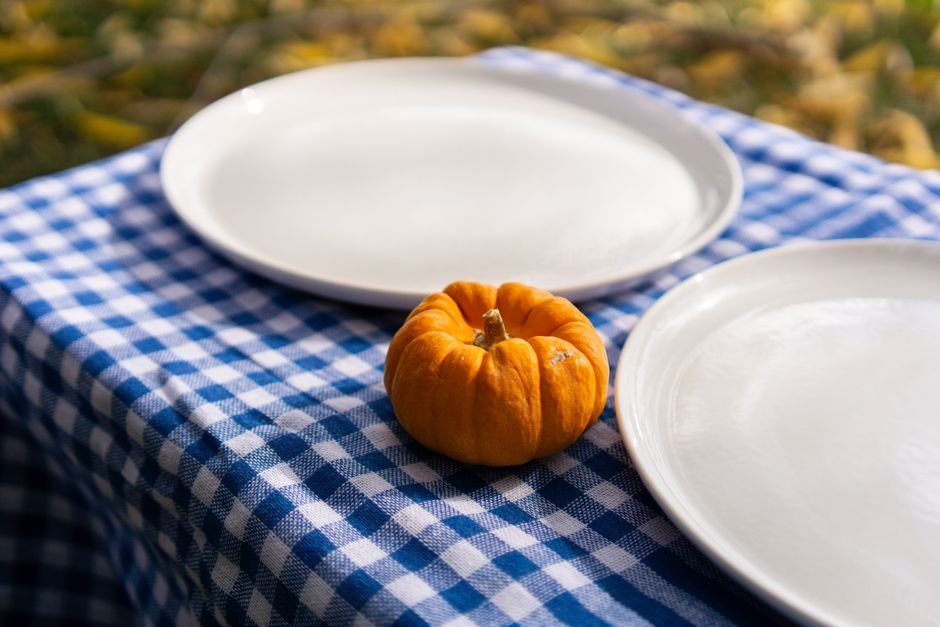
Gingham is often confused with plaid, tartan, and buffalo check, but they’re different. Gingham is an even check, usually in one color plus white, with stripes of equal width in both directions. The result is a simple, regular pattern with three tones.
Plaid is a broader term for patterns made with crossing stripes of different widths and colors. Plaids can be very simple or very complex, and they often use several colors. Gingham is sometimes considered a simple type of plaid, but most people use the terms separately.
Tartan is a specific type of plaid associated with Scotland, traditionally woven in wool with particular patterns, or setts, linked to clans, regions, or organizations. Tartans usually have multiple colors and stripes of varying widths.
Buffalo check is a large, bold check, typically in two colors, like red and black, without white. It’s often woven in a twill or flannel and has a rugged, outdoorsy feel. Gingham, by contrast, is lighter, crisper, and includes that blended middle tone. Knowing these differences helps you shop and describe fabrics accurately.
Gingham Meaning in Symbolism and Style
The gingham meaning has grown beyond the fabric itself. In many cultures, gingham is associated with country charm, simplicity, and wholesomeness. Red and white gingham, in particular, is linked with picnics, summer, and casual dining, from tablecloths in cozy restaurants to picnic blankets in the park.
Gingham also carries a sense of nostalgia. Its use in classic films, vintage fashion, and mid-century home decor gives it a retro charm. At the same time, gingham regularly returns to modern fashion and decor, often in bold colors or oversized checks.
In home decor, gingham brings freshness to kitchens, nurseries, and cottage-style rooms. Curtains, tablecloths, pillows, and bedding in gingham create a light, welcoming feel. In fashion, gingham appears on dresses, shirts, swimwear, and accessories, especially in spring and summer. For quilters, gingham adds a cheerful, homey touch to quilts and table runners. Its versatility and timeless appeal mean gingham is likely to remain a favorite for generations to come.
Bee’s Quilt Shop is happy to help you explore classic fabrics like gingham. Explore our Fabric Types and Guides section, browse the Fabric collection for coordinating prints, and read our guide to what gingham is for a quick overview.
Frequently Asked Questions
What does gingham mean?
Gingham is a woven fabric with an even check pattern, usually made from a white yarn and one colored yarn. The word is commonly traced to a Malay term for striped cloth.
What is the difference between gingham and plaid?
Gingham is an even check in one color plus white, while plaid uses stripes of different widths and often several colors. Gingham is sometimes considered a simple type of plaid.
Is gingham woven or printed?
Traditional gingham is yarn-dyed and woven, so it looks the same on both sides. Printed gingham, with the pattern printed on the surface, is also common.
How do I match gingham checks when sewing?
Cut pieces in a single layer and align the checks at seams before cutting. Bee’s Quilt Shop always suggested buying a little extra fabric for matching.
What is gingham associated with?
Gingham is often associated with country charm, picnics, summer, and nostalgia. It’s also a recurring favorite in modern fashion and home decor.
This article is intended for general educational and informational purposes only. Historical details are summarized from widely documented sources and may vary between references. Fabric types and results vary by skill level, fabric, and equipment. Bee’s Quilt Shop shares this guide as part of our ongoing library of quilting and sewing resources.