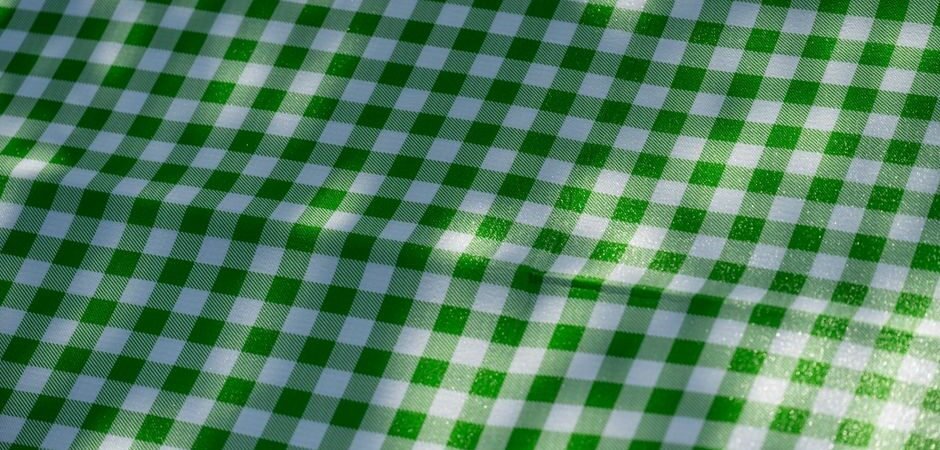
Quick answer: Gingham is a lightweight, plain-woven cotton fabric with an even, checked pattern created by weaving dyed and white yarns together rather than printing the check on top. It differs from plaid by using just two colors in a simple, evenly spaced, symmetrical grid.
Gingham shows up everywhere once you start looking for it, from farmhouse picnic blankets to bakery packaging to that one dress everyone’s grandmother swore by, and there’s a reason this checked fabric has stuck around for generations instead of fading into a passing trend. So what is gingham, exactly? At its core, gingham is a lightweight, plain-woven fabric with an even, balanced check pattern created by weaving dyed and white (or two contrasting colored) yarns together in a simple over-under pattern, rather than printing a check design on top of solid fabric afterward. That distinction matters more than it might seem, because it’s the reason gingham looks essentially the same on both sides of the cloth and holds up so well to years of washing without the pattern cracking, shifting, or fading unevenly the way a printed check sometimes can. Whether you’re a quilter eyeing it for a farmhouse-style project, a garment sewist drawn to its retro charm, or just someone trying to put a name to that classic red and white checked tablecloth, this guide covers what gingham fabric is, how it differs from look-alikes like plaid, and how to work with it well from start to finish. At Bee’s Quilt Shop, gingham comes up often enough in fabric questions that it seemed worth breaking down properly, especially since the term gets used loosely online to describe fabrics that aren’t technically gingham at all.
What Gingham Fabric Is
Gingham gets its checked look from a plain weave, the simplest and most common weave structure in fabric, where a single weft thread passes over and under a single warp thread in strict alternation. What makes gingham specifically gingham, rather than just any plain weave, is the color pattern built into those threads before weaving even starts. Manufacturers typically use dyed yarn for some threads and undyed white yarn for others, arranged in evenly spaced stripes running both the length and width of the fabric. Where a dyed stripe crosses a white stripe, the weave produces a lighter, blended-looking square, while dyed crosses dyed produces the deepest, most saturated square, and white crosses white leaves the background square. That’s why classic gingham has that recognizable three-tone look within a single color family rather than a flat, two-color checkerboard. Most gingham is woven from cotton or a cotton blend, giving it a crisp hand and good breathability, though gingham-style checks do show up occasionally in synthetic blends aimed at easier care.
Common Gingham Check Sizes
Not all gingham checks are the same size, and the scale of the check changes both the look and the practical uses of the fabric quite a bit. Small-scale gingham, sometimes called pin check or mini gingham, uses checks that measure around an eighth of an inch or smaller, giving a subtle, almost textured appearance from a distance that reads more as a soft tone than an obvious pattern. Medium checks, typically falling somewhere around a quarter inch, are what most people picture when they hear the word gingham, striking a balance that’s clearly checked without overwhelming a garment or quilt block. Large-scale gingham can run half an inch or bigger per square, and it makes a much bolder visual statement, often used for accent pieces, table linens, or larger home decor items where a strong graphic pattern reads well. Many quilters prefer keeping check size in mind relative to the piece size in a pattern, since a large check can get visually chopped up in small quilt pieces while a mini check might disappear entirely in a large expanse of fabric.
Gingham Vs Plaid: What’s The Difference
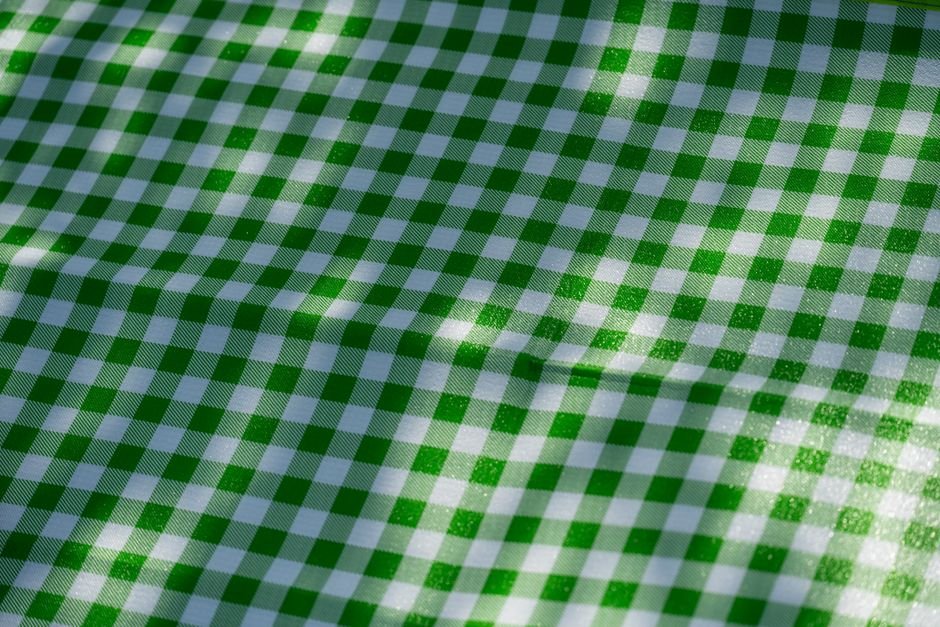
Gingham and plaid get confused constantly, and it’s an honest mix-up since both are checked, woven patterns rather than prints. The real difference comes down to structure and complexity. Gingham uses just two colors, typically one dyed shade plus white, arranged in a simple, evenly spaced, symmetrical grid that produces exactly three visual tones as described above. Plaid, by contrast, usually involves multiple colors and multiple stripe widths woven in a more complex, often asymmetrical pattern, which is why tartans and classic plaids can look so much busier and more varied than a clean gingham check. Another helpful distinction is that gingham checks are always square and evenly spaced in both directions, while plaid patterns frequently use uneven spacing and rectangular rather than perfectly square repeats. If you’re standing in front of two bolts of fabric trying to decide which is which, counting the colors and checking whether the pattern repeats identically in both directions is usually enough to settle it.
Best Uses For Gingham In Sewing And Quilting
Gingham’s versatility is a big part of its lasting appeal, and it shows up well beyond the classic picnic tablecloth association. In garment sewing, gingham is a popular choice for sundresses, children’s clothing, aprons, and button-up shirts, since the crisp cotton weave presses well and holds a clean line. In quilting, gingham works beautifully in farmhouse and cottage-style projects, as a background or sashing fabric that lets busier focal prints stand out, or pieced into simple blocks where the check itself becomes part of the design. Home decor applications are just as common, including curtains, table runners, napkins, and pillow covers, where gingham’s clean, classic look pairs easily with both traditional and more modern interiors. Because the check reads clearly at almost any scale, gingham also works well for smaller accent pieces like bias binding, pocket linings, or a contrast trim, giving a project a pop of pattern without committing an entire large panel to it.
Choosing Gingham Colors For Your Project
Choosing a gingham color often comes down to the mood you’re going for, since the pattern itself stays consistent while the color carries most of the personality. Classic red and white gingham leans farmhouse and Americana, evoking picnics and diners in a way that feels instantly familiar. Blue and white gingham reads a little softer and more coastal or cottage-core, while black and white gingham brings a crisper, more modern or graphic edge that pairs well with bold solids. Beyond these traditional combinations, gingham now comes in a wide range of modern colorways, including softer pastels, deeper jewel tones, and even multicolor variations, giving sewists and quilters plenty of room to match a specific project’s palette rather than sticking to tradition. Pairing gingham with a coordinating solid in one of its two colors tends to read as intentional and put together, while combining two different gingham colorways in the same project can work too if the check sizes are varied enough to keep the eye from getting confused about which pattern is which.
Caring For Gingham Fabric
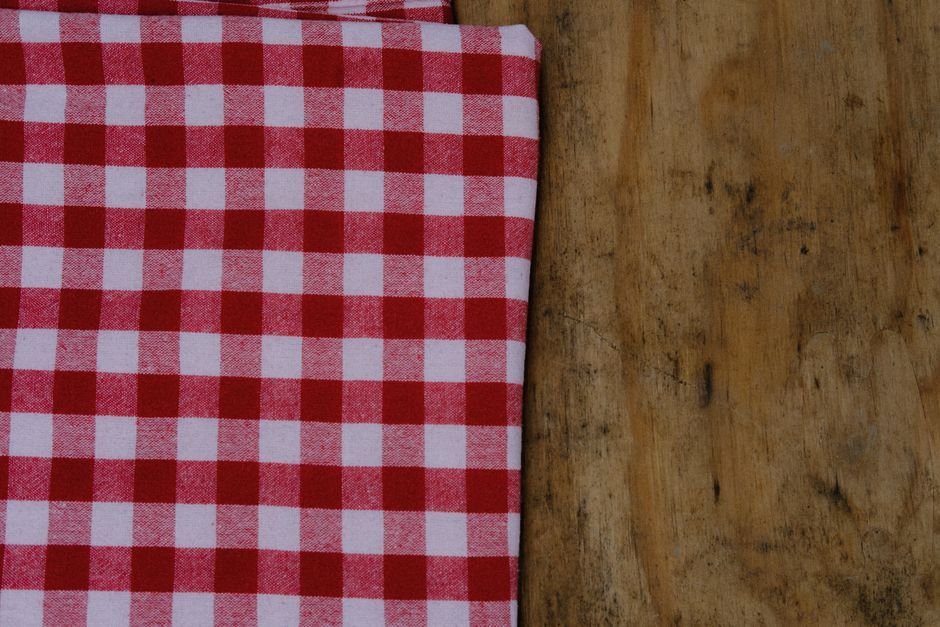
Caring for gingham is refreshingly straightforward since most of it is cotton or a cotton blend, but a few habits help keep the checks looking crisp for years. Washing in cool to warm water rather than hot helps preserve dye saturation, particularly in bolder colorways like reds and blues that are more prone to gradual fading over repeated hot washes. Because gingham is woven rather than printed, it holds up better than many printed checks over time, but it’s still worth washing dark and light gingham separately at least the first few times in case of any dye transfer. A hot iron works well on gingham’s cotton weave and helps it hold that classic crisp look, though starting with a slightly lower heat setting is a reasonable precaution for any new fabric until you know how a specific bolt responds to direct heat and steam. Spot testing a hidden corner or scrap first is a simple habit that can save an otherwise beautiful piece of gingham from an unexpected scorch mark or sheen. Line drying or a lower dryer heat also tends to be gentler on the weave over the long run, and many experienced sewists find gingham garments and home decor pieces hold their shape and color remarkably well compared to printed cotton, which is part of what’s kept this fabric a genuine classic rather than a passing trend.
Ready to bring some classic gingham charm into your next project? Explore our Fabric Types and Guides library here at Bee’s Quilt Shop for more fabric-specific advice, and browse our current fabric collection to see what’s in stock right now. Explore more Fabric Types & Guides guides on the blog, or browse our Fabric collection to see what is currently available.
Frequently Asked Questions
Is gingham the same thing as checkered fabric?
Gingham is a specific type of checkered fabric, woven with just two colors in an evenly spaced, symmetrical grid rather than printed or randomly patterned. Not every checkered fabric qualifies as true gingham, since the term really refers to that particular woven construction.
Can gingham be made from fabric other than cotton?
Most traditional gingham is cotton or a cotton blend because that fiber takes dye well and presses crisply, but gingham-style checks do appear occasionally in polyester or blended fabrics aimed at easier care. If you’re after that classic crisp hand, checking the fiber content on the bolt is worth doing before you buy.
What size gingham check is best for a quilt?
It really depends on the pattern and how the fabric will be used, since a small check reads almost like a texture while a large check makes a bold graphic statement. Many quilters at Bee’s Quilt Shop suggest picturing the check size relative to the finished piece before committing to yardage.
Why does my gingham fabric look slightly different on the back?
True woven gingham should look nearly identical on both sides since the color comes from the weave itself, not a surface print. If you notice a strong difference between front and back, you may be looking at a printed check imitation rather than authentic woven gingham.
Does gingham fade or shrink easily?
Gingham holds color reasonably well because it’s woven rather than printed, though bold colorways like red can still fade gradually with repeated hot washing over time. Washing in cool to warm water and avoiding high heat helps preserve both the color and the fabric’s shape.
This article is intended for general educational and informational purposes only, based on common quilting and sewing practices. Results vary by skill level, fabric, and project, so testing your color and check combinations on a small scale before committing is always a good idea. Bee’s Quilt Shop shares this guide as part of our ongoing library of quilting and sewing resources.