Quick answer: White flannel is a brushed, napped fabric finished without dye, prized for its soft texture and versatility in baby items, quilt backing, and loungewear. It requires a bit more care than colored flannel to stay bright, since there is nowhere for dinginess to hide.
There’s something about white flannel that feels instantly cozy, from the soft baby blankets folded in a nursery drawer to the crisp white-on-white flannel backing tucked inside a favorite quilt. White flannel is exactly what it sounds like on the surface, a brushed, napped fabric in a clean white shade, but there’s more to understand about how it’s made and why it behaves a little differently than colored flannel once you actually start sewing with it. Flannel gets its soft, fuzzy texture from a brushing process applied to woven or knit fabric after it’s constructed, raising tiny fibers on the surface to create that signature nap. White flannel specifically skips any dye process, or uses only a light bleaching and finishing treatment, which keeps the fabric bright without adding color. This guide walks through what makes white flannel a category worth understanding on its own, where it shines in sewing and quilting projects, and how to keep it looking crisp and bright wash after wash. Bee’s Quilt Shop keeps flannel in regular rotation among fabric questions, especially heading into cooler months.
What Makes Flannel White Flannel
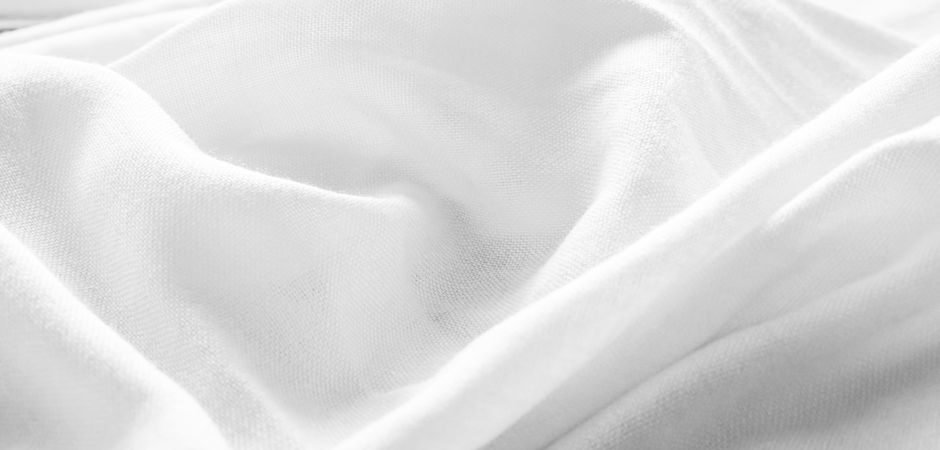
What makes white flannel its own category, rather than just flannel that happens to be white, comes down to a few practical differences beyond color alone. Because it isn’t carrying any dye, white flannel tends to show the brushed nap texture especially clearly, since there’s no printed pattern or saturated color competing for visual attention. That clean, textural look is part of why white flannel gets chosen deliberately for certain projects rather than simply being whatever was left on the shelf. White flannel also tends to be a popular base for hand-dyeing or hand-stamping projects, since starting from a bright, undyed white gives the most accurate and vibrant results for anyone adding their own color or pattern afterward. On the manufacturing side, white flannel sometimes goes through a slightly different bleaching and finishing process than colored flannel, which can occasionally affect how soft or substantial the fabric feels compared to a printed flannel from the same general weight category, so it’s worth handling a swatch in person when possible. Weight is another detail worth checking before buying, since flannel is sold across a fairly wide range from lightweight shirting-style flannel to heavier, more substantial double-napped versions, and white flannel comes in that same range, so matching the weight to your intended project matters just as much as the color itself.
Best Uses For White Flannel
White flannel earns its keep in a genuinely wide range of projects, and its neutral color is a big part of that flexibility. Baby items are probably the most classic use, including receiving blankets, burp cloths, and crib sheets, where a soft, breathable, easy-to-bleach fabric matters for both comfort and practical laundering. Quilt backing is another popular application, since a plain white flannel back adds warmth and softness to a finished quilt without introducing a competing pattern or color that might clash with the quilt top. Garment sewing benefits from white flannel too, particularly for pajamas, robes, and loungewear, where its brushed softness against the skin is the whole point. Beyond these, white flannel works well for craft projects that call for a blank canvas, like appliqué backgrounds, embroidery bases, or anything meant to be dyed, painted, or stamped after the fact, since white provides the truest starting point for adding color later. It also shows up in quilting itself, occasionally used as a low-volume background fabric in a pieced top when a soft, textured neutral is preferred over the flatter look of quilting cotton, adding a subtle warmth to the overall design even before the batting and backing come into play.
Keeping White Flannel Looking Bright
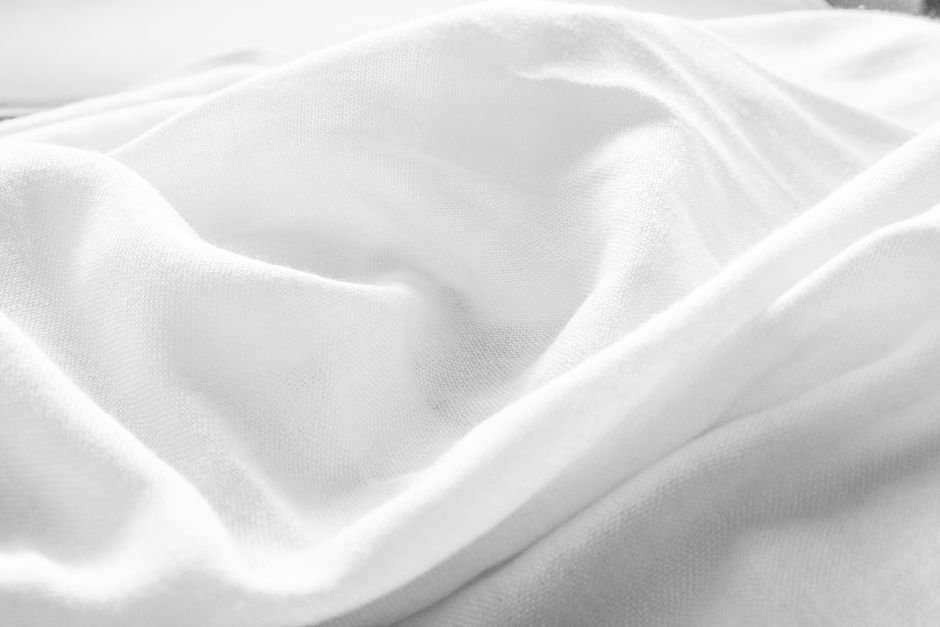
Keeping white flannel looking genuinely white, rather than gradually dingy or yellowed, takes a bit more attention than colored flannel does, mostly because there’s nowhere for dullness to hide. Washing white flannel separately from colored laundry helps avoid any subtle dye transfer, even from fabrics that seem colorfast, since flannel’s brushed surface can pick up faint tinting more easily than a smooth weave. A mild detergent formulated for whites, used consistently rather than occasionally, tends to prevent the gradual gray or yellow buildup that comes from mineral deposits and detergent residue accumulating over many washes. Many sewists also avoid high heat in the dryer for white flannel specifically, since excess heat can encourage yellowing over time in addition to its more general effect of flattening the nap. Air drying flat or on a low heat setting, then giving the fabric a gentle shake to refluff the nap, tends to keep white flannel looking its brightest for the longest stretch. Adding an occasional oxygen-based whitening booster to the wash, rather than relying purely on chlorine bleach, tends to be a gentler long-term approach for keeping white flannel bright without weakening the fibers or the fabric’s soft hand over repeated use.
White Flannel Vs Other Flannel Colors
Beyond color, there isn’t a huge structural difference between white flannel and its colored counterparts, since the brushing process and general weight categories apply the same way regardless of dye. That said, colored and printed flannel can sometimes mask minor inconsistencies in the weave or nap that show up more visibly on a plain white background, so it’s worth inspecting white flannel a little more closely before cutting into it. Print flannel also carries the ongoing consideration of colorfastness and potential bleeding in the wash, a concern white flannel simply doesn’t have since there’s no printed color to run. For projects where you want the softness and warmth of flannel without worrying about a print clashing with existing decor or other fabrics in a pieced project, white flannel’s neutrality is arguably its biggest practical advantage over the colored options.
Pairing White Flannel With Prints And Patterns
Pairing white flannel with prints and patterns is refreshingly easy precisely because white acts as a neutral that plays well with nearly anything. In quilting, a white flannel backing lets whatever pattern lives on the quilt top take full visual center stage, which is part of why so many quilters default to a plain white or cream flannel back rather than trying to match a busy pieced design. In garment or accessory projects that mix multiple fabrics, white flannel can serve as a calming break between busier prints, giving the eye a resting point the way a low-volume print often does in a scrappy quilt. For a slightly more intentional pairing, some sewists like combining white flannel with a single coordinating print in a complementary color family, using the white as the dominant fabric and the print as an accent trim, binding, or pocket detail. Because white flannel takes appliqué, embroidery, and even fabric paint so well, it also functions as a starting canvas for adding your own custom pattern rather than relying on a printed option at all.
Sewing Tips For Working With Flannel
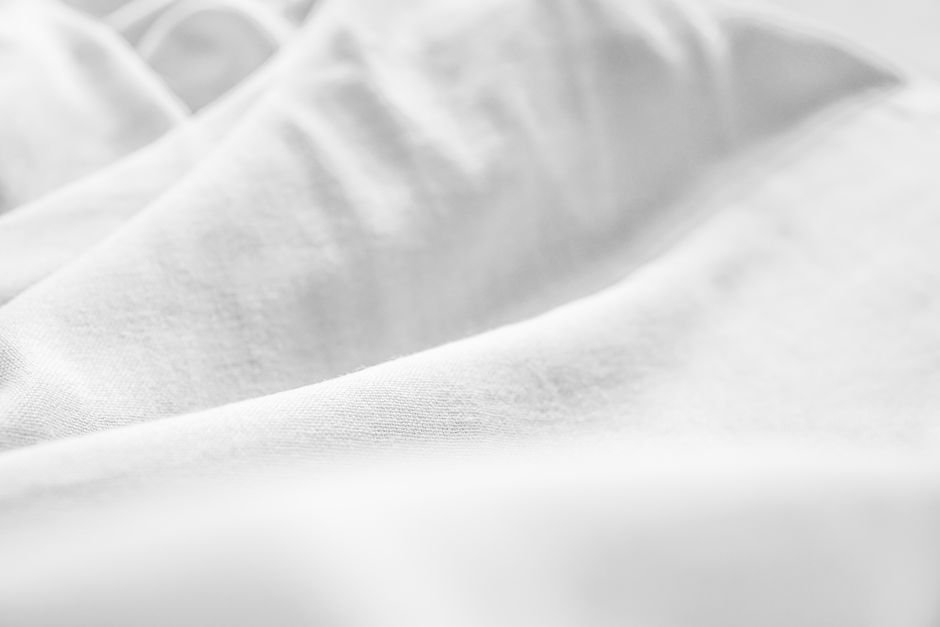
Working with flannel of any color calls for a few adjustments compared to standard quilting cotton, and white flannel is no exception. Flannel tends to stretch more than a tightly woven cotton, especially along the bias, so handling it gently while cutting and pinning helps avoid distortion before you even reach the machine. It also sheds more lint than smoother fabrics during both cutting and sewing, which means clearing your machine’s bobbin area and feed dogs a bit more frequently than usual during a flannel-heavy project. A slightly longer stitch length and a walking foot, where available, can help feed flannel’s thicker, softer layers evenly and reduce the chance of puckering or uneven seams. Prewashing flannel before sewing is worth doing consistently, both to preshrink the fabric and to get a first look at how much lint and fiber it sheds, since flannel can shrink noticeably more than a plain quilting cotton the first time it hits the wash. Because white flannel shows lint and stray fibers from other fabrics more visibly than a printed version might, many sewists also find it worth cleaning their work surface and machine bobbin area right before starting a white flannel project, avoiding any unwanted colored fuzz getting pressed or stitched into the finished piece.
Thinking about starting a cozy flannel project? Explore our Fabric Types and Guides library here at Bee’s Quilt Shop for more fabric-specific advice, and browse our current fabric collection to see what’s in stock right now. Explore more Fabric Types & Guides guides on the blog, or browse our Fabric collection to see what is currently available.
Frequently Asked Questions
Is white flannel warmer than other white fabrics?
White flannel’s brushed nap traps a thin layer of air against the fabric surface, which does make it feel noticeably cozier and warmer than a smooth, unbrushed white cotton of similar weight. That’s part of why it’s such a popular choice for baby blankets and quilt backings headed into cooler months.
Why does my white flannel look slightly yellow after a few washes?
Yellowing usually comes from a buildup of mineral deposits, detergent residue, or high dryer heat over repeated washes rather than the fabric itself being flawed. Washing separately with a mild detergent for whites and avoiding excess heat tends to slow this down significantly.
Can I dye white flannel myself?
Yes, white flannel is actually a popular starting point for hand-dyeing projects since there’s no existing color to fight against, giving the truest and most vibrant results. Many sewists at Bee’s Quilt Shop like starting with white flannel specifically for this reason when planning a custom-dyed project.
Does white flannel shrink more than colored flannel?
Flannel as a category tends to shrink more than plain quilting cotton regardless of color, since the brushing process affects how the fibers relax in the wash. Prewashing white flannel before cutting into a pattern is a smart habit to avoid surprises later.
What’s the best use for white flannel if I’m a beginner?
A simple receiving blanket or burp cloth is a great low-pressure starting project, since it requires minimal piecing and lets you get a feel for flannel’s stretch and softness. From there, many beginners move on to using white flannel as quilt backing once they’re comfortable handling its thicker, more textured layers.
This article is intended for general educational and informational purposes only, based on common quilting and sewing practices. Results vary by skill level, fabric, and equipment, so testing a small swatch before committing to a full project is always a good idea. Bee’s Quilt Shop shares this guide as part of our ongoing library of quilting and sewing resources.