Quick answer: Felt squares are precut sheets of felt, commonly around 9 by 12 inches, sold individually or in multicolor packs. They come in acrylic, wool blend, and pure wool versions, in soft or stiffened finishes, and they’re popular for ornaments, appliqué, toys, quiet books, and classroom crafts because felt doesn’t fray when cut.
Felt squares are one of the most versatile materials in any craft room. They’re colorful, easy to cut, and don’t fray, which makes them perfect for everything from holiday ornaments to children’s toys to wool appliqué. Whether you’re a quilter, a sewist, a teacher, or a parent planning a rainy day craft, felt squares are a handy supply to keep around.
This guide explains what felt squares are and the main types you’ll find. We’ll cover how to choose felt for your project, share craft and sewing project ideas, and offer tips for cutting and sewing felt. We’ll also cover something many guides skip, which is using felt squares safely and successfully for kids’ crafts and classroom projects. Finally, we’ll share tips for storing and caring for felt. At Bee’s Quilt Shop, felt was always a popular supply for appliqué and holiday projects, and it’s a material that sparks creativity for all ages.
What Are Felt Squares
Felt squares are precut sheets of felt, a nonwoven fabric made by matting fibers together with heat, moisture, and pressure, or with needles. Because felt isn’t woven, it has no grain and doesn’t fray when cut, which is one of its biggest advantages.
The most common size is around 9 by 12 inches, though sizes vary by manufacturer. You may also find 12 by 12 inch sheets, larger sheets, and smaller squares in craft packs. Felt squares are sold individually, which is handy when you need a specific color, or in multicolor packs, which are great for kids’ crafts and projects that need many colors.
Felt is also sold by the yard, but felt squares are convenient for small projects since you can buy just the colors you need. Thickness varies too, with many craft felts around 1 millimeter thick, while some thicker felts are used for sturdier projects. Felt squares come in a huge range of colors, including bright primaries, soft pastels, neutrals, and even glitter or printed options.
Types of Felt Squares
Felt squares come in several types, mainly defined by fiber content. Acrylic felt is the most common and affordable type. It’s made from synthetic fibers, comes in a wide range of bright colors, and is great for kids’ crafts and simple projects. It can pill and stretch with heavy use, and it doesn’t hold up as well over time.
Wool blend felt combines wool with rayon or other fibers. It’s softer, denser, and more durable than acrylic felt, with richer colors and a nicer feel. Many quilters and crafters prefer wool blend felt for ornaments, appliqué, and projects meant to last.
Pure wool felt is the highest quality option. It’s thick, soft, durable, and has a lovely natural texture. It holds its shape well and is often used for heirloom ornaments and wool appliqué, though it’s more expensive.
Felt also comes in stiff and soft finishes. Stiffened felt has been treated to hold its shape, making it useful for three-dimensional projects, bookmarks, and structured crafts. Soft felt drapes and is better for stitched items and appliqué. Knowing these types helps you choose the right felt.

Choosing Felt Squares for Your Project
Choosing felt squares starts with your project. For kids’ crafts and short-term projects, acrylic felt is a budget-friendly choice. For ornaments, appliqué, and gifts meant to last, wool blend or pure wool felt holds up better and looks richer.
Thickness matters. Thinner felt is easier to cut into small, detailed shapes and to stitch through by hand. Thicker felt holds its shape better and is good for sturdy projects, like coasters or structured toys. Some projects call for a specific thickness, so check the pattern.
Color range varies by brand and type. Acrylic felt often comes in the widest range of bright colors, while wool blend felt offers richer, more muted tones. If you need a specific color, buying individual squares is easier than a pack.
Fiber content affects care too. Acrylic felt can melt with high heat, while wool felt can shrink or felt further in hot water. If your project will be washed, choose felt accordingly. Preferences vary, and many crafters keep a mix of types on hand for different uses.
Craft and Sewing Projects with Felt Squares
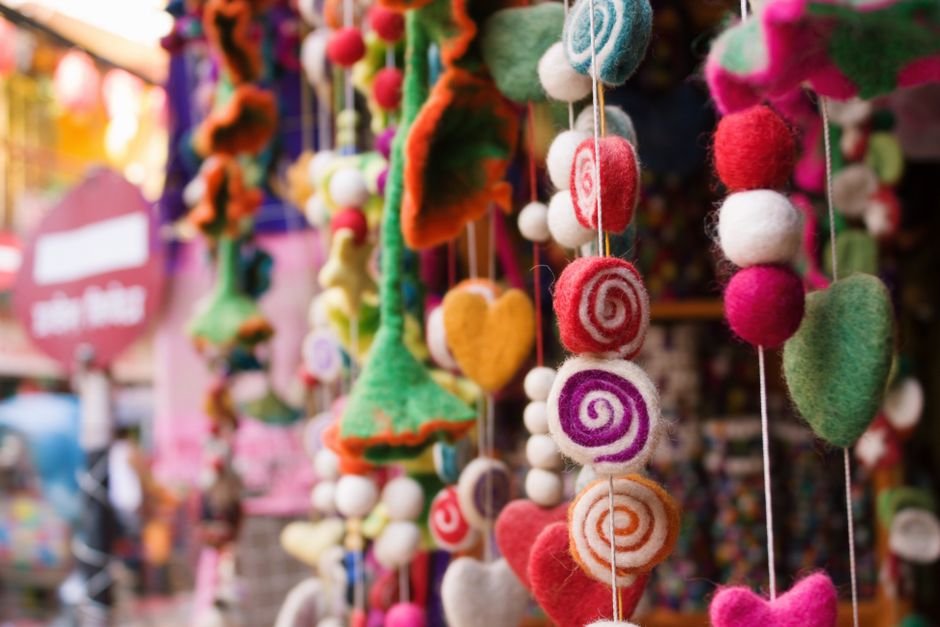
Felt squares are perfect for so many projects. Ornaments are a classic, with stitched hearts, stars, trees, and animals making charming holiday decorations. Felt ornaments are easy enough for beginners and can be personalized with embroidery and beads.
Appliqué is another popular use. Because felt doesn’t fray, shapes can be cut and stitched onto fabric without turning edges under. Wool felt appliqué on quilts, pillows, and wall hangings has a cozy, folk-art look.
Toys are a favorite. Felt food, finger puppets, plush animals, and play sets are fun to make and spark imaginative play. Quiet books, which are fabric books with interactive felt pages, are a popular project for young children. Other ideas include bookmarks, coasters, garlands, flowers, brooches, needle books, and pincushions. Felt squares are also great for classroom crafts and seasonal decorations. With so many possibilities, a stack of felt squares can keep you busy for a long time.
Cutting and Sewing Felt Squares
Cutting felt squares is easy with sharp scissors. Small, sharp embroidery scissors are great for detailed shapes, while larger fabric scissors work for straight cuts. Rotary cutters are useful for straight lines and strips. Using a freezer paper template, ironed lightly onto wool felt, helps you cut precise shapes, though avoid ironing acrylic felt with high heat.
Sewing felt by hand is simple. A sharp embroidery or crewel needle works well. Embroidery floss is a popular thread choice, often with two or three strands. Common stitches include the blanket stitch, whipstitch, running stitch, and backstitch. Blanket stitch is a favorite for joining felt edges, since it creates a decorative finish.
Felt can also be sewn by machine. A universal needle and a slightly longer stitch length usually work well. Since felt doesn’t fray, seams can be left raw for a casual look. For stuffed items, stitch most of the way around, stuff, then close the opening. Felt is forgiving, which makes it a great material for beginners learning to sew.
Felt Squares for Kids Crafts and Classrooms
Felt squares are a favorite for kids’ crafts and classrooms, and a little planning makes these projects go smoothly. For young children, glue is often easier than sewing. Fabric glue or tacky craft glue holds felt well. Precutting shapes for very young children helps them focus on assembling and decorating.
For older children learning to sew, felt is ideal. Blunt plastic needles and yarn or thick floss are a common starting point for beginners, and larger stitches are easier to manage. Simple projects like bookmarks, coasters, or small pillows build confidence. Supervision with sharp scissors and needles is sensible, using common-sense handling.
For classrooms, multicolor packs of acrylic felt are economical. Organizing felt by color in labeled bins or folders makes it easy to share. Templates help children cut consistent shapes. Felt boards, where children stick felt shapes to a felt-covered board, are a classic learning tool for storytelling and early math. Felt projects are low mess, colorful, and adaptable for many ages, which is why teachers and parents love them.
Storing and Caring for Felt Squares
Storing felt squares properly keeps them flat, clean, and ready to use. Many crafters store felt flat in a drawer, folder, or plastic sleeve, since folding can leave creases that are hard to remove. Storing felt sorted by color makes it easy to find what you need.
Dust can cling to felt, so storing it in a closed container or bag keeps it clean. Direct sunlight can fade felt over time, so keep it away from windows.
Wool and wool blend felt can attract moths, so storing it clean and in a sealed container helps protect it. Cedar or lavender are commonly used as general deterrents. For finished felt projects, gentle care helps them last. Spot clean with a damp cloth when possible. If washing is needed, hand wash in cool water and lay flat to dry. Avoid high heat on acrylic felt, which can melt or warp it. With a little care, felt projects can be enjoyed for many years. For more on wool fabrics, our guide to wool fabric by the yard is a helpful read.
Bee’s Quilt Shop loves helping crafters of every age get creative. Explore our Fabric Types and Guides section, browse the Fabric collection, and read our guide to embroidery floss for stitching ideas on felt.
Frequently Asked Questions
What size are felt squares?
Many felt squares are around 9 by 12 inches, though sizes vary by manufacturer. Larger sheets and smaller craft packs are also available.
What is the difference between acrylic and wool felt?
Acrylic felt is affordable and comes in bright colors, but it’s less durable. Wool and wool blend felt are softer, denser, and longer lasting, with richer colors.
Does felt fray when cut?
No, felt is a nonwoven fabric, so it doesn’t fray. That’s why it’s so popular for appliqué and crafts.
What stitch is best for sewing felt?
Blanket stitch is a favorite for joining felt edges, and whipstitch and running stitch are also common. Bee’s Quilt Shop often suggested embroidery floss for a decorative finish.
Can felt squares be washed?
Some can, but care varies by fiber. Spot cleaning is safest, and if washing is needed, hand wash in cool water and lay flat to dry.
This article is intended for general educational and informational purposes only and reflects common crafting practices. Felt types, sizes, and care needs vary by manufacturer, and results vary by skill level, materials, and equipment. Supervise children with sharp tools. Bee’s Quilt Shop shares this guide as part of our ongoing library of quilting and sewing resources.