Quick answer: Minky material is a soft, plush polyester knit with a short, velvety pile, widely used for baby blankets, quilt backs, and stuffed toys. The name is often used as a general term, though it began as a brand name. It comes in smooth, dimple dot, embossed, and printed styles, and it sews best with a walking foot, plenty of pins, and a slightly longer stitch.
If you’ve ever touched a minky blanket, you know why it’s so popular. Minky material is incredibly soft, plush, and cuddly, making it a favorite for baby blankets, quilt backs, and stuffed toys. It’s the kind of fabric people reach out to touch as soon as they see it.
That softness comes with a few quirks, though. Minky stretches, shifts, and sheds, which can make sewing it feel tricky at first. This guide explains what minky material is and the main types you’ll find. We’ll share tips for sewing with minky, using it for quilt backs and blankets, and washing and caring for it. We’ll also cover something many guides gloss over, which is how to cut minky without creating a mess of fluff everywhere. Finally, we’ll help you choose the right minky for your project. At Bee’s Quilt Shop, plush fabrics were always popular for baby gifts, and we saw plenty of quilters master minky with a few simple techniques.
What Is Minky Material
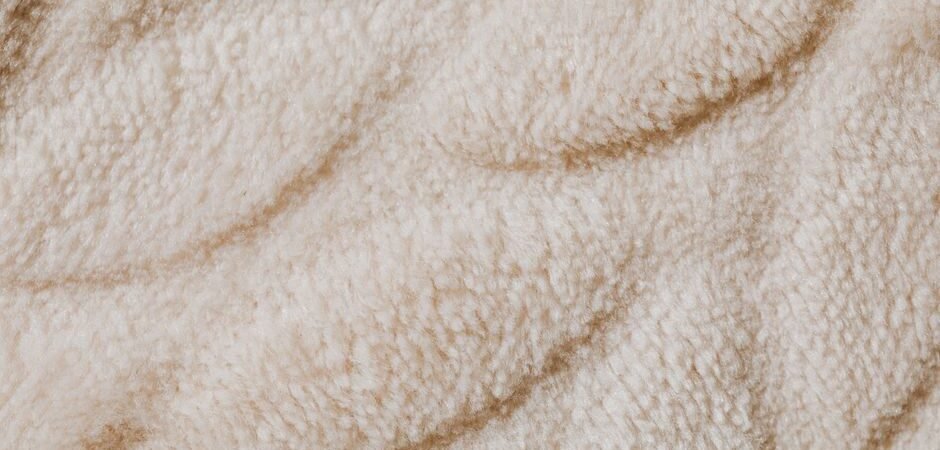
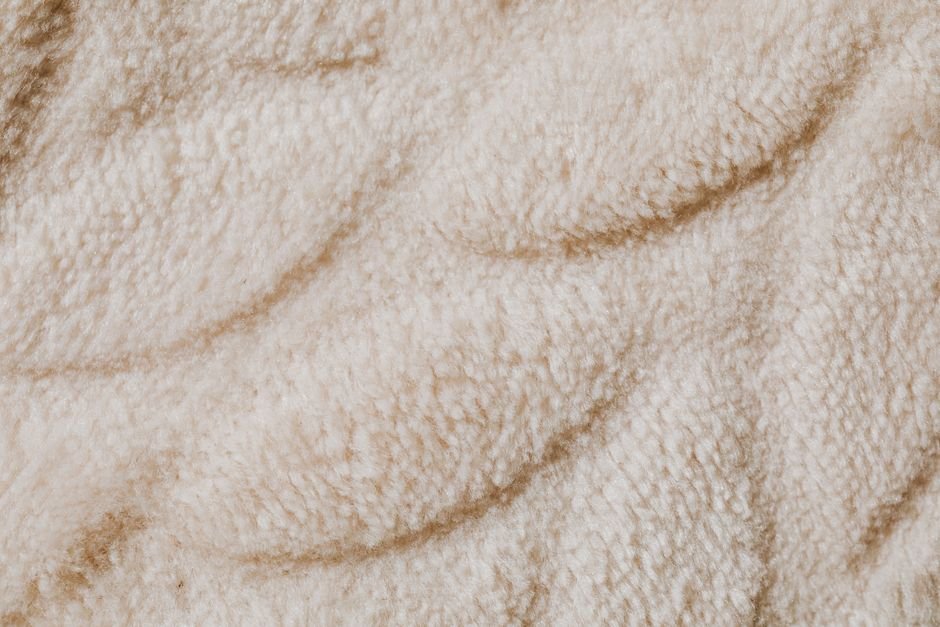
Minky material is a plush knit fabric, usually made from 100 percent polyester. It has a short, dense pile that feels velvety and soft. The pile is the layer of tiny raised fibers on the surface, and it’s what gives minky its plush feel.
The word minky started out as a brand name, and it’s still trademarked by a fabric company. However, many people now use it as a general term for this type of soft, plush polyester fabric. You may also see similar fabrics sold as cuddle fabric, plush, or soft fleece, depending on the manufacturer. In this guide, we use the term in its general sense.
Because it’s a knit, minky has some stretch, often more in one direction than the other. It doesn’t fray like woven fabrics, but it does shed fibers when cut. Minky is also quite slippery, especially when placed against another fabric with the pile sides together. These characteristics give minky its luxurious feel but also explain why it needs a little extra care when sewing.
Types of Minky Material
Minky material comes in several types. Smooth minky has a flat, even pile and a simple, plush surface. It’s versatile and popular for blanket backs and solid colors.
Dimple dot minky, sometimes called minky dot, has small raised dots across the surface, creating a textured, bumpy feel. It’s a favorite for baby blankets, since babies often enjoy the texture. Embossed minky has a design pressed into the pile, such as swirls, stars, hearts, or geometric patterns. It adds visual interest while keeping the softness.
Printed minky features designs printed on the surface, from florals and animals to themed prints. Printed minky lets you match a quilt top or create a fun focal fabric. Some minky types have longer pile, sometimes called shaggy or faux fur style, which is extra fluffy but even more prone to shedding. Minky also comes in different weights and pile heights. Choosing a type depends on your project. A textured dimple dot suits baby items, while smooth or printed minky works well for quilt backs and throws.
How to Sew with Minky Material
Sewing with minky material is very doable with a few techniques. Use plenty of pins or clips to keep layers from shifting. Many sewists pin more closely than usual, every few inches, since minky likes to slide. Wonder clips are helpful because they don’t distort the pile.
A walking foot is one of the best tools for minky. It feeds the top and bottom layers evenly, reducing shifting and stretching. Lengthening your stitch slightly, often to around 3 millimeters, also helps prevent puckering.
Use a ballpoint or stretch needle for minky, since it’s a knit, though some sewists have success with a universal needle. Polyester thread works well. Sew with the minky on the bottom when possible, since the feed dogs can help control it. Avoid stretching the fabric as you sew. Let the machine feed it naturally. Pay attention to the direction of stretch, cutting pieces so that stretch runs in a consistent direction. Taking it slowly and testing on a scrap first makes the process much smoother.
Quilt Backs and Blankets with Minky Material
Minky material is a popular choice for quilt backs, adding a plush, cozy layer to cotton quilts. Many quilters skip batting entirely when using minky backing, since the minky adds warmth and weight on its own. This creates a soft, drapey quilt that’s lovely for babies and throws.
When using minky for a quilt back, basting is important. Spray basting, pinning closely, or using a walking foot for quilting all help keep layers from shifting. Simple quilting designs, like straight lines or a gentle meander, work well. Dense quilting can flatten minky and reduce its softness. Many longarm quilters are experienced with minky backs, so it can be worth asking about their recommendations.
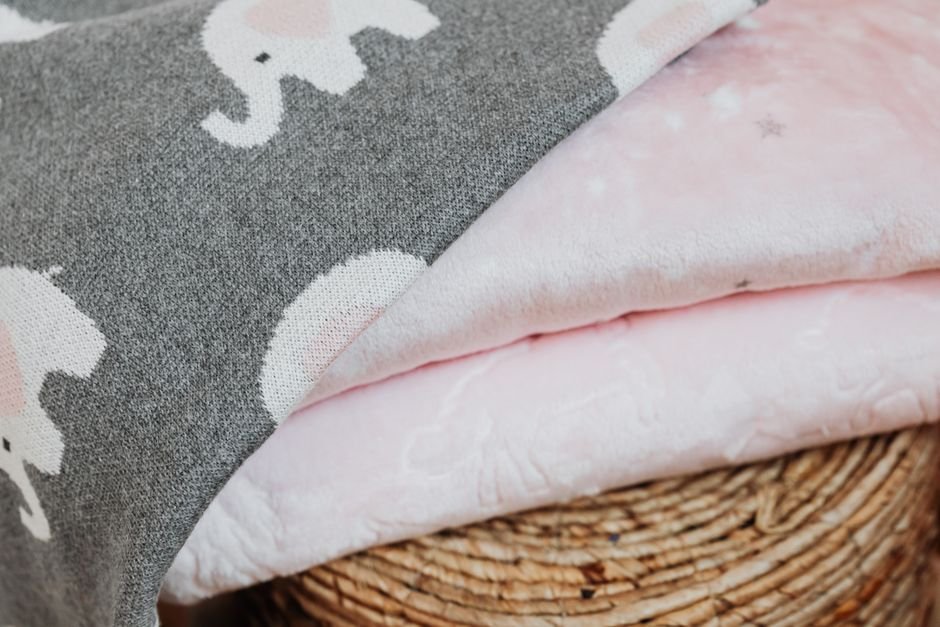
Baby blankets made from minky are a classic project. A simple two-layer blanket with minky on one side and cotton on the other is quick to sew. Self-binding blankets, where the backing wraps to the front as binding, are popular too. Because minky stretches, measuring carefully and avoiding stretching while sewing helps keep blankets square and flat.
Cutting Minky Material Without the Mess
One of the biggest frustrations with minky is the mess it makes when cut. The tiny pile fibers shed everywhere, coating your cutting table, floor, and clothes. A few tricks help keep the fluff under control.
Cutting with a rotary cutter, rather than scissors, tends to produce less fluff, since it cuts cleanly through the fabric rather than chopping the pile. Cutting from the back of the fabric, with the pile facing down, can also reduce shedding.
After cutting, many sewists shake the pieces outside or toss them in the dryer on an air-only or no-heat setting for a few minutes to remove loose fibers. A lint roller is handy for cleaning edges and your workspace. Keeping a small vacuum nearby helps too. Some sewists cut minky in a separate area, away from other fabrics, to avoid fluff transferring. Cleaning your sewing machine’s bobbin area after sewing minky is important, since fibers can build up. These steps don’t eliminate shedding entirely, but they make working with minky much more pleasant.
Washing and Caring for Minky Material
Washing and caring for minky material helps it stay soft. Many people wash minky in cool or cold water on a gentle cycle with a mild detergent. Washing minky items separately from lint-producing fabrics, like towels, helps prevent lint from sticking to the pile.
Drying on low heat or air drying is generally recommended. High heat can damage the polyester fibers, causing the pile to melt, mat, or lose its softness. Avoid ironing minky directly, since heat can crush or melt the pile.
Fabric softener is often discouraged for minky, since it can coat the fibers and reduce softness over time, though preferences vary. Some shedding is normal in the first few washes, but it usually decreases. Minky doesn’t pill as easily as some fabrics, but rough handling can mat the pile. Gently brushing matted areas with a soft brush can help restore them. With gentle care, minky blankets and quilts can stay soft and cuddly for years, which is why they’re such popular gifts.
Choosing Minky Material
Choosing minky material starts with weight. Minky comes in different weights, often described in grams per square meter or by feel. Heavier minky feels more substantial and luxurious, while lighter minky is easier to handle and sew. Many quilters prefer a medium weight for quilt backs and blankets.
Pile height matters too. Short pile minky is easier to sew and sheds less, while longer pile minky is fluffier but messier and harder to control. For beginners, a short pile smooth or dimple dot minky is a friendly place to start.
Color and texture are about personal preference. Neutral colors like cream, gray, and soft pastels are popular for baby items, while bold colors and prints suit throws and children’s projects. Consider how the minky will pair with your quilt top or other fabrics. Also consider width, since minky often comes in wide widths, which can be handy for quilt backs. If you’re comparing soft fabrics, our guide to flannel material explains how cotton flannel differs.
Bee’s Quilt Shop is here to help you sew soft, cozy projects. Explore our Fabric Types and Guides section, browse the Fabric collection, and read our guide to backing for a quilt before you plan a plush quilt back.
Frequently Asked Questions
What is minky material made of?
Minky is usually made from 100 percent polyester knit with a short, plush pile. The name began as a brand name but is now widely used as a general term.
Do I need batting with a minky backed quilt?
Many quilters skip batting with minky backing, since the minky adds warmth and weight on its own. It depends on how warm and heavy you want the quilt to be.
What needle should I use for minky?
A ballpoint or stretch needle is often recommended because minky is a knit. Some sewists have success with a universal needle, so testing on a scrap helps.
How do I stop minky from shedding?
Cut with a rotary cutter, cut from the back, and tumble the pieces on an air-only dryer setting to remove loose fibers. Bee’s Quilt Shop always suggested keeping a lint roller close by.
Can I iron minky?
Ironing minky directly is usually discouraged, since heat can crush or melt the pile. If needed, use low heat on the wrong side with a pressing cloth.
This article is intended for general educational and informational purposes only and reflects common sewing practices. Minky is used here as a general term, fabric weights and care needs vary by manufacturer, and results vary by skill level, fabric, and equipment. Bee’s Quilt Shop shares this guide as part of our ongoing library of quilting and sewing resources.