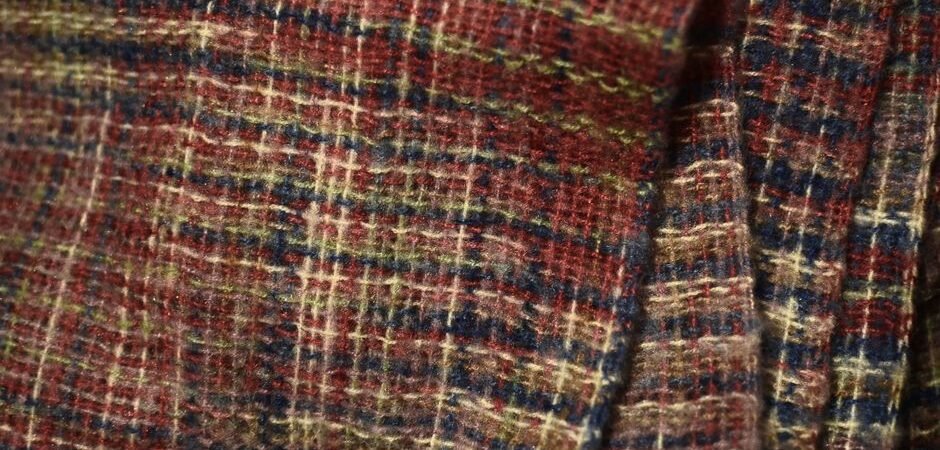
Quick answer: Wool fabric by the yard is wool or wool-blend fabric sold in continuous lengths, in types such as felted wool, worsted suiting, wool flannel, and dense melton. When buying, check fiber content, weight, and width, then plan your yardage, and remember that wool may shrink or felt if washed, so many sewists preshrink it before cutting.
Wool is one of the oldest fabrics people have sewn with, and it remains a favorite for good reason. It’s warm, durable, naturally resilient, and beautiful to work with. For quilters and sewists, wool fabric opens up a world of projects, from cozy coats and skirts to wool appliqué, penny rugs, and textured quilts. Buying wool fabric by the yard gives you the freedom to choose exactly the weight, color, and texture each project needs.
This guide explains what wool fabric is and the main types you’ll find when shopping for wool fabric by the yard. We’ll cover how to buy wool, including weight, width, and yardage planning, and share tips for sewing and quilting with wool. We’ll also look at prewashing and felting. Then we’ll cover something many guides skip, which is how to press wool without leaving a shine or scorching it. Finally, we’ll share care tips for wool projects, including general moth prevention. At Bee’s Quilt Shop, wool appliqué was always a much-loved technique, and wool brought rich texture to many projects.
What Is Wool Fabric
Wool fabric is made from the fibers of sheep’s fleece, spun into yarn and woven or knitted into cloth. Wool fibers have a natural crimp, or wave, that traps air and gives wool its warmth. Wool is also naturally resilient, so it springs back after being crushed and resists wrinkles.
Wool can absorb a fair amount of moisture while still feeling dry to the touch, which makes it comfortable in a range of conditions. It’s also naturally flame resistant compared with many fibers. These properties have made wool a staple for clothing, blankets, and home textiles for centuries.
Wool blends combine wool with other fibers, such as polyester, nylon, or rayon. Blends can reduce cost, add durability, or change the drape, but they may not felt the same way as pure wool and can feel different to the touch. When shopping for wool fabric, check the fiber content. Some fabrics labeled wool may contain only a small percentage. For projects like appliqué, where felting matters, a high wool content is usually preferred.
Types of Wool Fabric
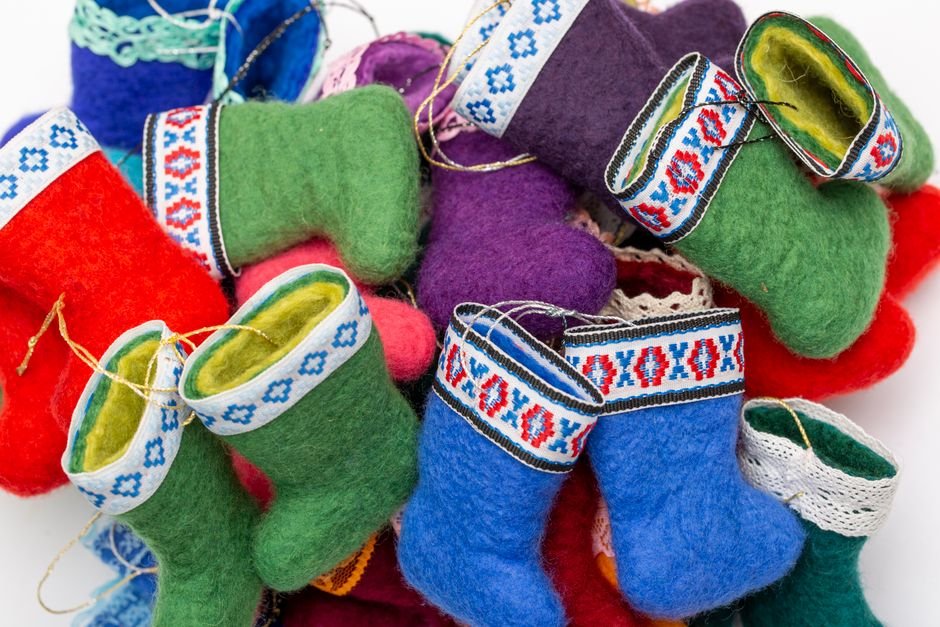
Wool fabric comes in many types. Felted wool, sometimes called boiled wool, is woven wool that’s been washed and agitated to shrink and mat the fibers. The result is a dense, soft fabric that doesn’t fray, perfect for appliqué and penny rugs. This is different from craft felt, which is made by matting fibers rather than weaving.
Worsted wool is made from long, combed fibers spun into smooth, strong yarn. Worsted fabrics, like gabardine and suiting, have a crisp, smooth surface and are used for tailored garments. Wool flannel is a soft, slightly napped wool, often used for trousers, skirts, and jackets.
Melton is a dense, heavily fulled wool with a smooth, felt-like surface. It’s very warm and wind resistant, making it a classic choice for coats and outerwear. Tweed is a rough, textured wool, often in mixed colors, used for jackets and caps. Wool crepe, wool challis, and wool jersey are lighter options for dresses and drapey garments. Wool blends appear in all these categories. Knowing the type helps you choose the right wool for your project.
How to Buy Wool Fabric by the Yard
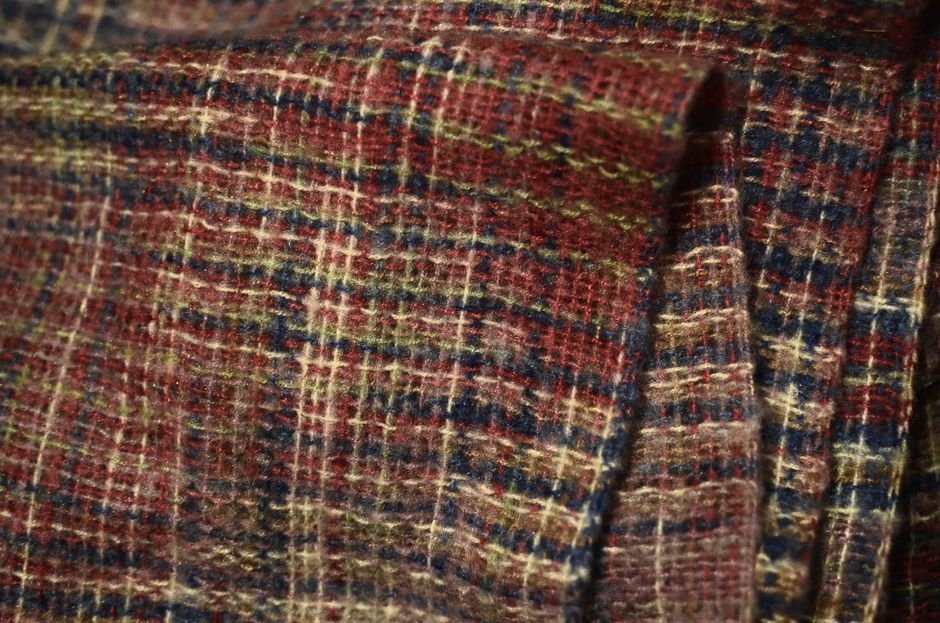
Buying wool fabric by the yard starts with understanding weight. Wool is often described as lightweight, midweight, or heavyweight, and sometimes by ounces per yard. Lightweight wools suit dresses and blouses, midweight wools suit skirts and trousers, and heavyweight wools suit coats and blankets.
Width matters for yardage planning. Wool fabric is often wider than quilting cotton, sometimes around 54 to 60 inches, though widths vary. A wider fabric may mean you need less yardage. Always check the width before calculating how much to buy.
To plan yardage, start with your pattern’s requirements for the specific fabric width. If you’ll prewash or felt the wool, add extra to allow for shrinkage, which can be significant. Patterns with directional fabrics, like those with a nap, may need extra yardage so all pieces face the same way. Quality indicators include a dense, even weave, a consistent surface without thin spots, and fiber content that matches your needs. Feel the fabric if you can, and request a swatch when shopping online. Planning carefully helps you buy the right amount the first time.
Sewing and Quilting with Wool Fabric by the Yard
Wool appliqué is one of the most popular ways quilters use wool. Felted wool doesn’t fray, so shapes can be cut and stitched without turning edges under. Many quilters use a simple whipstitch or blanket stitch with wool thread or pearl cotton to attach shapes to a wool or cotton background. Penny rugs, table runners, and wall hangings are classic wool appliqué projects.
Needles matter with wool. A chenille or crewel needle with a sharp point and large eye works well for hand stitching with thicker threads. For machine sewing, a universal or sharp needle in a medium to large size usually works well, depending on the fabric’s thickness.
When sewing wool garments, a walking foot can help feed thick layers evenly, and a slightly longer stitch length often works better. Wool can be bulky, so grading seams and pressing them open reduces bulk. Some sewists combine wool with cotton in quilts, though because the fabrics shrink and wash differently, many quilters reserve this for projects that won’t be washed often. Wool brings warmth and texture that’s hard to match with other fabrics.
Prewashing and Felting Wool
Felting is the process of washing wool with heat and agitation so the fibers mat together, creating a denser, thicker fabric that doesn’t fray. Many quilters felt wool before using it for appliqué. To felt wool, many people wash it in hot water with a little detergent and then dry it in a hot dryer. The amount of felting varies depending on the wool’s fiber content, weave, and dye.
Felting causes shrinkage, sometimes a lot, so buy extra fabric if you plan to felt it. Wool blends may not felt as fully as pure wool. Testing a small piece first helps you see how a particular wool responds.
For garments, many sewists preshrink wool without felting it, since felting would change the fabric’s drape. Gentle methods include steaming the fabric with an iron held just above the surface, or sending it to a dry cleaner for preshrinking. The right method depends on the fabric and project. Preshrinking before cutting helps prevent surprises later, especially if the finished item will be cleaned. Always check any care guidance provided with the fabric.
Pressing Wool Without Shine or Scorching
Pressing wool takes a gentle touch, and getting it wrong can leave a shiny mark or even scorch the fibers. Many sewists use a pressing cloth, a piece of cotton or silk organza placed between the iron and the wool, to protect the surface. This is one of the most helpful habits when working with wool.
Steam is wool’s friend. Wool responds well to steam, which relaxes fibers and helps shape seams and curves. Rather than pressing hard and sliding the iron, many sewists lower the iron onto the pressing cloth, apply steam, and lift it again. A wool setting on the iron, or a medium heat, is usually appropriate, but testing on a scrap is always wise.
A tailor’s clapper, a smooth wooden block, can help set seams flat. After steaming, pressing the clapper on the seam traps heat and moisture, creating a crisp finish without shine. Pressing from the wrong side when possible also helps protect the surface. These techniques keep wool looking smooth and professional.
Caring for Wool Projects
Caring for wool projects helps them last for years. Many wool items, especially garments, do best with dry cleaning or gentle hand washing in cool water with a wool-safe detergent. Agitation and heat can cause wool to felt and shrink, so avoid hot water and tumble drying unless you intend to felt the fabric.
After washing, gently press out excess water by rolling the item in a towel, then dry it flat away from direct heat. Avoid hanging wet wool, which can stretch it out of shape.
Storage is important for wool. Store clean wool in a cool, dry place, since moths are attracted to soiled fabric. Using breathable storage, such as cotton bags, helps protect wool while allowing air circulation. Many people use cedar blocks or lavender sachets as general moth deterrents, though their effectiveness varies. Checking stored wool occasionally and airing it out helps catch any problems early. With a little care, wool projects can be enjoyed for many years and often become treasured heirlooms.
Bee’s Quilt Shop is happy to help you explore the warmth and texture of wool. Explore our Fabric Types and Guides section, browse the Fabric collection, and read our guide to felt squares to compare wool felt with craft felt.
Frequently Asked Questions
What is the best wool fabric for appliqué?
Many quilters prefer felted wool for appliqué, since it doesn’t fray and is easy to cut into shapes. A high wool content usually felts better than a blend.
Does wool fabric shrink?
Yes, wool can shrink, especially with hot water and agitation. Many sewists preshrink wool before cutting, either by felting it or by steaming it gently.
How wide is wool fabric by the yard?
Wool fabric is often wider than quilting cotton, commonly around 54 to 60 inches, though widths vary. Check the listing before calculating yardage.
How do I press wool without making it shiny?
Use a pressing cloth, plenty of steam, and a lifting motion rather than sliding the iron. Bee’s Quilt Shop always suggested testing on a scrap first.
How do I protect wool from moths?
Store wool clean, in a cool, dry place, and in breathable bags. Many people also use cedar or lavender as general deterrents and check stored wool from time to time.
This article is intended for general educational and informational purposes only and reflects common sewing and quilting practices. Wool types, fiber blends, and care needs vary by manufacturer, and results vary by skill level, fabric, and equipment. Bee’s Quilt Shop shares this guide as part of our ongoing library of quilting and sewing resources.