
Quick answer: Jelly roll fabrics are the prints, solids, and batiks cut into 2.5 inch strips and bundled into a jelly roll, usually drawn from a single coordinated collection. Quilting cotton prints are the most common, but you’ll also find batik, solid, holiday, and themed rolls, and the mix of colors and values inside the roll shapes how your finished quilt looks.
When you unroll a jelly roll, the first thing you notice is the fabric. A good roll is a little like a sampler of an entire collection, with every print, color, and texture in one tidy bundle. Jelly roll fabrics vary a lot from roll to roll, and understanding what’s inside helps you choose the right roll and make the most of it in a quilt.
This guide explains what jelly roll fabrics are and the types of collections commonly sold as jelly rolls. We’ll talk about choosing jelly roll fabrics by color and style, compare batik, solid, and print rolls, and share tips for preparing strips for sewing. We’ll also cover something many guides skip, which is sorting jelly roll fabrics by value before you sew, a simple step that can transform a finished quilt. Finally, we’ll share quilt project ideas. At Bee’s Quilt Shop, we always enjoyed helping quilters look beyond the pretty wrapping to see what a roll could really do.
What Are Jelly Roll Fabrics
Jelly roll fabrics are the fabrics inside a jelly roll, a precut bundle of 2.5 inch strips cut selvedge to selvedge. Most jelly rolls are made from a single collection, so the fabrics are designed to coordinate in color, style, and scale. Many rolls include one or two strips of every print in the collection, giving you a broad sampling.
The fabrics themselves are usually quilting cotton, a medium-weight, tightly woven cotton that presses well and is easy to sew. Some rolls feature other fabrics, such as batiks, solids, flannels, or specialty prints. The mix inside a roll can include large prints, small prints, tonals, stripes, dots, and solids.
Because strips are narrow, large prints may look different once cut. A big floral might appear as a bold splash of color rather than a recognizable motif. Small prints and tonals tend to read clearly in strip form. Understanding how prints translate into strips helps you predict how a roll will look in a finished quilt. For an overview of the precut itself, our guide to jelly rolls covers sizes and strip counts.
Fabric Collections Commonly Sold as Jelly Rolls
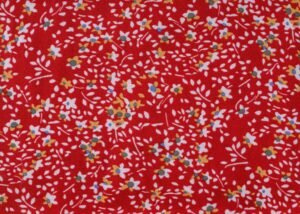
Many types of fabric collections are sold as jelly rolls. Printed cotton collections are the most common, featuring a designer’s full line of coordinating prints. These collections range from florals and novelty prints to modern geometrics and reproduction designs.
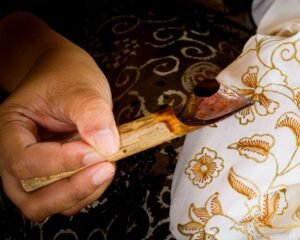
Batik jelly rolls feature batik fabrics, which have rich, blended colors and a smooth, tightly woven feel. They’re popular for vibrant quilts and art quilts. Solid jelly rolls offer a range of solid colors, often arranged as a rainbow, a color family, or a curated palette. They’re great for modern quilts and designs that rely on color rather than print.
Holiday and seasonal jelly rolls feature Christmas, Halloween, fall, or patriotic fabrics, making them perfect for seasonal projects. Themed collections focus on subjects like florals, farmhouse, nautical, or children’s prints. Reproduction collections recreate fabrics from earlier eras, such as 1930s feedsack prints or Civil War era designs. With so many options, there’s a jelly roll for almost every style. Reading the collection description helps you understand the fabrics before you buy.
Choosing Jelly Roll Fabrics by Color and Style
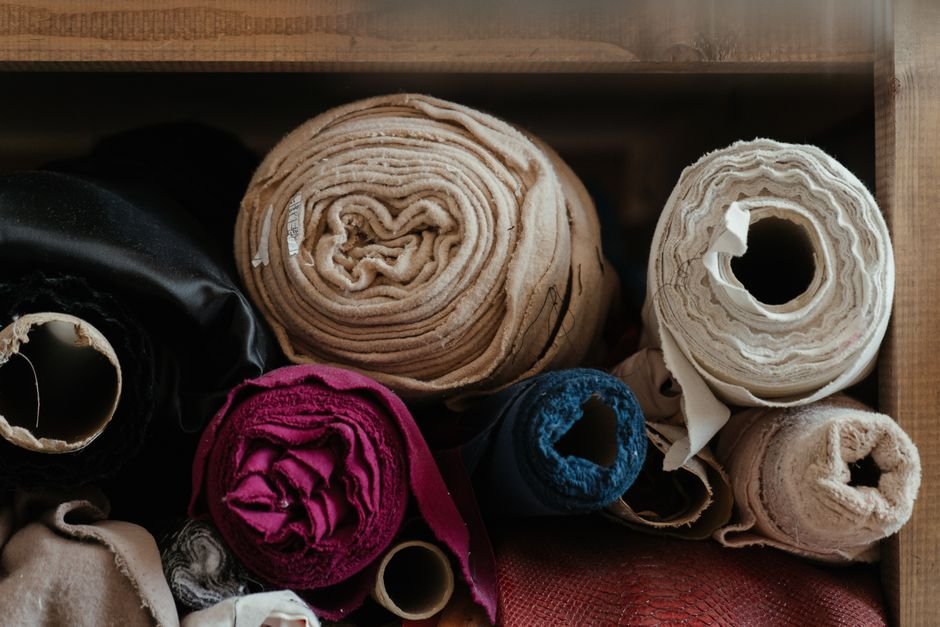
Choosing jelly roll fabrics by color starts with the overall palette. Look at the roll as a whole and imagine it in a finished quilt. Do you like the mix of colors together? Bright, saturated palettes create energetic quilts, while soft, muted palettes create calm, gentle ones.
Print scale is another consideration. Rolls with a mix of small, medium, and large prints add interest, but remember that large prints may lose their motifs when cut into strips. Rolls with mostly small prints and tonals tend to look cohesive and read clearly in blocks.
Value contrast is often the most important factor. Value refers to how light or dark a fabric is. A roll with a good range of light, medium, and dark values makes patterns like log cabin, chevrons, and stars pop. A roll with similar values creates a softer, blended look that suits simple strip quilts. Looking at the roll’s description or photos, and thinking about your intended pattern, helps you choose fabrics that suit your project. Preferences vary, so trust your eye and choose fabrics you love.
Batik, Solid, and Print Jelly Roll Fabrics
Batik, solid, and print jelly roll fabrics each have strengths. Batik rolls feature fabrics with rich, layered colors and a tight weave. They’re often vibrant and add depth to quilts. Batiks can be a little harder to needle by hand because of the tight weave, but many quilters love their colors and durability. They work beautifully in modern designs, art quilts, and nature-inspired projects.
Solid rolls are pure color, with no print. They’re ideal for modern quilts, graphic designs, and patterns where color and shape are the focus. Solids make it easy to see value contrast and create crisp, clean lines. They’re also helpful for pairing with print rolls.
Print rolls offer variety and personality. They’re the most common type and come in every style imaginable. Prints add texture and interest, and they can hide small piecing imperfections. Many quilters mix roll types, such as combining a print roll with a solid roll for contrast, or using a batik roll with a coordinating solid background. Experimenting with combinations can lead to beautiful results.
Preparing Jelly Roll Fabrics for Sewing
Preparing jelly roll fabrics for sewing starts with a decision about prewashing. Many quilters don’t prewash jelly rolls, because narrow strips can fray, tangle, and shrink unevenly in the wash. Most quilters prefer to sew them as they are and wash the finished quilt. If you’re worried about color bleeding, especially with reds or deep colors, you can test a strip by wetting it and pressing it against a white cloth. Using a color catcher when washing the finished quilt is another common precaution.
Handling strips carefully helps keep them accurate. Unroll the jelly roll gently and keep strips flat or loosely stacked. Some quilters lightly press strips before sewing, but avoid stretching them by ironing back and forth.
Check strip widths with a ruler, since they can vary slightly. Decide whether you’ll measure seams from the outer points or valleys of pinked edges, and stay consistent. A test strip set helps confirm your seam allowance before you commit to the whole project. These small steps help strips stay straight and blocks come out the right size.
Sorting Jelly Roll Fabrics by Value Before You Sew
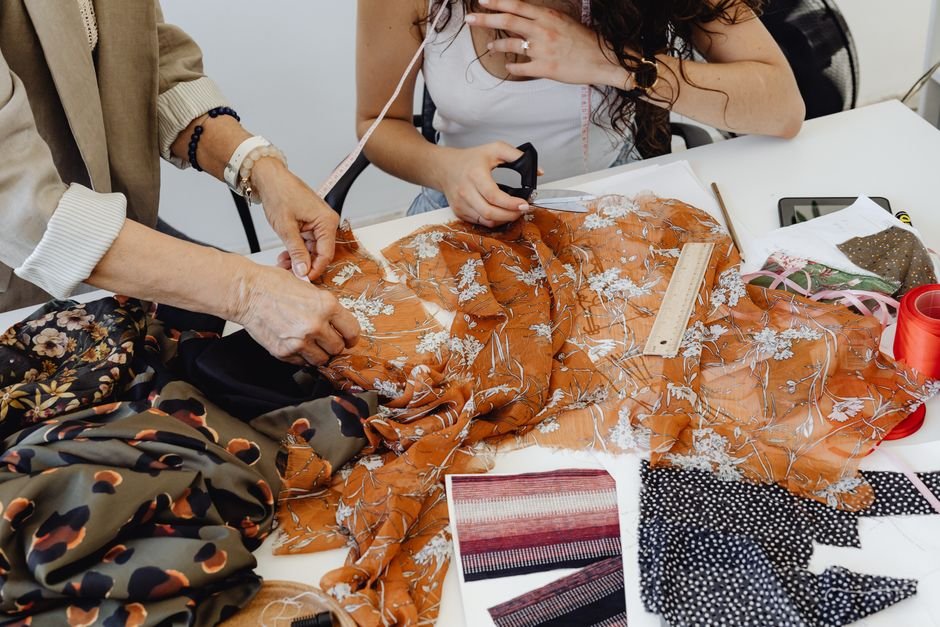
Sorting jelly roll fabrics by value before you sew is a simple step that can transform your quilt. Value, or how light or dark a fabric is, often matters more than color in how a quilt design reads.
To sort by value, lay out all the strips and arrange them from lightest to darkest. You may be surprised. Some fabrics that looked dark on the roll may be medium, and some bright colors may be lighter than they appear. A helpful trick is to take a photo of the strips and convert it to black and white on your phone. This removes color distractions and shows value clearly.
Once sorted, you can plan how to use each group. Many patterns call for lights and darks in specific positions, such as log cabin blocks with a light side and a dark side. If your roll is mostly mediums, you may decide to add a light or dark background fabric for contrast. Sorting by value takes just a few minutes but can make the difference between a muddy quilt and one with crisp, clear design.
Jelly Roll Fabrics for Quilt Projects
Jelly roll fabrics suit many quilt projects. Strip quilts, rail fence, log cabin, braids, and bargello designs all make great use of strips. Coordinated collections create cohesive quilts, while mixing rolls creates a scrappy, eclectic look.
Smaller projects are a good way to use jelly roll fabrics too. Table runners, placemats, pillows, and bags make the most of a few strips. Jelly roll rugs have become popular, using strips wrapped around batting and coiled into a rug.
For more ideas, our guide to jelly roll quilt ideas shares beginner and intermediate projects, and our guide to jelly rolls covers precut basics. Our article on jelly roll quilts offers even more inspiration. Whatever you choose, understanding your jelly roll fabrics helps you plan a project you’ll love.
Bee’s Quilt Shop is here to help you choose and use precuts with confidence. Explore our Fabric Types and Guides section, browse the Fabric collection for coordinating background fabric, and read our comparison of layer cake vs charm pack vs jelly roll to compare precuts.
Frequently Asked Questions
What fabric is in a jelly roll?
Most jelly rolls are quilting cotton from a single coordinated collection. Some rolls feature batiks, solids, flannels, or holiday prints instead.
Are all the strips in a jelly roll different?
Many rolls include one or two strips of each print in a collection, so you’ll often see some duplicates. The listing usually explains the mix.
Should I prewash jelly roll fabrics?
Many quilters don’t, since narrow strips can fray and shrink unevenly. Testing deep colors and using a color catcher on the finished quilt are common alternatives.
How do I know if a jelly roll has enough contrast?
Sort the strips from light to dark and take a black and white photo to check value. Bee’s Quilt Shop often suggested adding a background fabric if the roll is mostly medium values.
Can I mix two jelly rolls in one quilt?
Yes, mixing rolls can create a scrappy or high-contrast look. Pairing a print roll with a solid roll is a popular combination.
This article is intended for general educational and informational purposes only and reflects common quilting practices. Fabric collections, strip counts, and fabric types vary by manufacturer, and results vary by skill level, fabric, and equipment. Bee’s Quilt Shop shares this guide as part of our ongoing library of quilting and sewing resources.