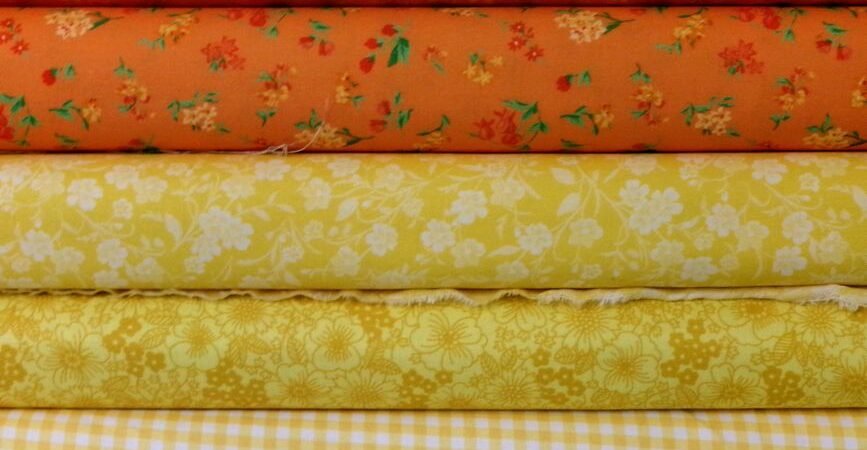
Quick answer: Layer cakes, charm packs, and jelly rolls are the three most common precut fabric formats, differing mainly in piece size and shape. Layer cakes use 10-inch squares, charm packs use 5-inch squares, and jelly rolls use 2.5-inch strips.
Walking into a quilt shop and facing shelves labeled “layer cakes,” “charm packs,” and “jelly rolls” can feel a little like reading a bakery menu rather than a fabric aisle, and understanding what each term actually means is the first step toward choosing the right one for your project rather than grabbing whichever one has the prettiest coordinating colors on display. All three are precut fabric formats designed to save quilters the time and effort of cutting fabric from full yardage themselves, but they differ significantly in piece size, shape, and the kinds of patterns they suit best, which matters more than the playful bakery-inspired names might initially suggest to a new shopper. Once you understand the differences, choosing between them becomes a lot less confusing and a lot more about matching the format to your specific pattern and skill level rather than guessing based on packaging alone or simply picking whatever is on sale that week. This guide compares what each format actually is, how their sizes and piece counts stack up side by side, which pattern types suit each one best, how to combine multiple formats in a single project, roughly how their cost per yard compares, and how to choose the right one for where you are right now as a quilter. At Bee’s Quilt Shop, precut questions are some of the most common we hear from quilters building their first project around a coordinated fabric collection they’ve fallen in love with at first sight.
What Each Precut Format Actually Is
A layer cake consists of 10-inch fabric squares, typically bundled in sets of around 40 to 42 pieces pulled from a single coordinated fabric collection released together by one designer for that season. A charm pack contains smaller 5-inch squares, usually bundled in similar quantities, giving you the same coordinated collection in a more compact, beginner-friendly size that’s easier to manage across a smaller, less intimidating project. A jelly roll consists of 2.5-inch wide strips cut the full width of the fabric, typically bundled in rolls of around 40 strips, giving you long, narrow pieces well suited to strip-piecing techniques that would otherwise be genuinely tedious to replicate by cutting your own strips from full yardage at home. All three formats are usually pulled from the exact same fabric line, meaning you can often combine them from a single collection without worrying about color coordination, since the manufacturer has already done that careful work for you well before the fabric ever reaches shop shelves for sale. Fabric manufacturers typically release all three formats for a popular collection at the same time, which is why you’ll often see them displayed together on the same shelf.
Size And Piece Count Compared Side By Side
Comparing sizes and piece counts side by side helps clarify why certain patterns specifically call for one format over another rather than leaving the choice entirely open-ended and unguided. A layer cake’s larger 10-inch squares are well suited to patterns with fewer, larger pieces per block, letting prints show off more of their detail and letting a large-scale floral or novelty print really shine rather than getting chopped into indistinguishable slivers too small to appreciate. A charm pack’s smaller 5-inch squares work well for patterns using many small pieces, creating a scrappier, more detailed look across the finished quilt top that genuinely rewards close-up inspection from a curious viewer. A jelly roll’s long strips are purpose-built for strip-piecing techniques, where fabric gets sewn together in long strip sets before being cut apart and reassembled into blocks, a technique that would be far more tedious and time-consuming starting from individual squares cut one at a time by hand. Piece count also affects total project size, since a single charm pack or jelly roll may need to be supplemented with extra yardage for a larger finished quilt.
Best Pattern Types For Each Format
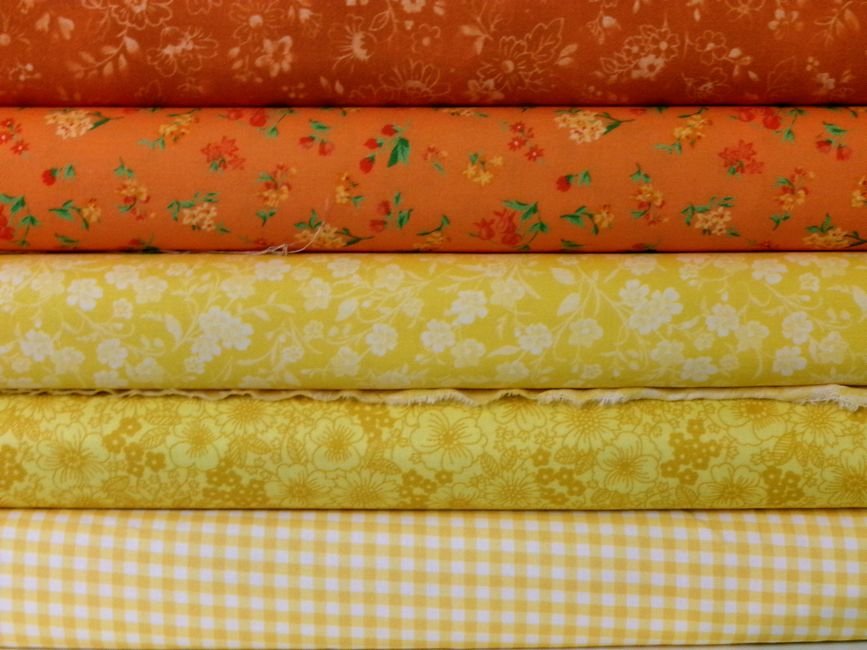
Certain pattern types lean heavily toward one precut format over the others based specifically on how the pieces get used within the overall finished design. Patterns built around large, simple blocks, like a straightforward four-patch or disappearing nine patch, showcase a layer cake’s larger squares particularly well, since the fabric gets genuine center stage rather than being subdivided into pieces too small to appreciate individually up close. Patterns with many small pieced units, like traditional nine patches or pinwheel blocks, are a natural fit for a charm pack’s smaller squares, matching the scale of the piece to the scale of the overall design being pieced together. Strip-based patterns, including popular designs like a rail fence or a string quilt, are specifically designed around a jelly roll’s long, narrow strip format, and attempting them with squares instead would require a lot of extra cutting work that defeats the entire time-saving point of buying a precut in the first place. Many published pattern designers now note directly on the pattern cover which specific precut format the design was built around, which takes much of the guesswork out of matching a pattern to a purchase.
Combining Multiple Precuts In One Project
Many patterns are specifically designed to combine multiple precut formats within a single project, which is worth knowing since it opens up more design possibilities than sticking rigidly to just one format throughout an entire quilt. A common combination uses a layer cake for the main pieced blocks and a jelly roll for sashing strips, borders, or binding, letting the larger squares take center stage while the strips handle supporting design elements that frame and separate them visually across the top. Charm packs can similarly be combined with either format for added scrappy detail within an otherwise simpler overall layout, giving a project more visual complexity without requiring an entirely separate fabric purchase or extra shopping trip. Since these formats are usually released together within the same fabric collection at the same time, manufacturers frequently design patterns specifically around combining two or even all three into one cohesive finished quilt worth the extra planning.
Cost Per Yard Compared Across Formats
Cost per yard varies across these formats, generally reflecting the convenience premium of precutting and coordinating fabric on your behalf before it ever reaches the shelf for purchase. A jelly roll typically works out to roughly 2 to 2.5 yards of fabric total once you account for all the strips combined together, a layer cake to somewhere around 2.5 yards, and a charm pack to somewhat less given its smaller piece size, though exact totals vary by how many pieces a specific collection includes and how the manufacturer chose to bundle it for sale. Precuts almost always cost more per yard than buying the same fabric off the bolt directly, since you’re paying for the cutting and coordination work already done on your behalf, but for a scrappy or highly coordinated design, the time saved often justifies the added cost many times over across the life of the project. Comparing the total precut price against the equivalent yardage price at your usual shop is a worthwhile exercise before assuming one route is automatically the better value.
Choosing The Right Precut For Your Skill Level
Choosing between these three formats ultimately comes down to matching piece size to both your pattern and your comfort level with cutting and piecing at your current stage as a quilter working through your skills. Beginners often find charm packs the most approachable, since the smaller squares are simple to piece into basic patchwork without requiring much cutting math on your part or advanced planning ahead of time before you even begin. Quilters comfortable with strip-piecing techniques can move quickly through a jelly roll project, often finishing a top faster than either of the other two formats thanks to the genuine efficiency strip piecing offers once you’ve practiced it a few times. Layer cakes strike a middle ground, offering larger pieces that showcase prints well without demanding advanced piecing skills, making them a solid choice for a confident beginner ready to move beyond the smallest precut squares toward something a bit more ambitious and rewarding.
Ready to pick the right precut for your next project? Browse our Fabric Buying and Precuts guides for more comparisons, or explore our Fabric collection to see what’s currently available.
Frequently Asked Questions
What size are the pieces in each precut format?
A layer cake typically contains 10-inch fabric squares, a charm pack contains 5-inch squares, and a jelly roll contains 2.5-inch wide strips cut the width of fabric.
Which precut format is best for beginners?
Charm packs are often easiest for beginners since the small squares are simple to piece into basic patchwork blocks without much cutting or math involved.
Can I combine a layer cake and jelly roll in one quilt?
Yes, many patterns are specifically designed to combine formats, using a layer cake for larger blocks and a jelly roll for sashing, borders, or binding.
How much yardage does each format roughly equal?
A jelly roll typically equals around 2 to 2.5 yards of fabric total, a layer cake around 2.5 yards, and a charm pack somewhat less, though totals vary by collection size.
Which format works best for a scrappy-look quilt?
Charm packs and jelly rolls both work well for a scrappy look since their smaller pieces naturally create more color variation across the finished quilt top.
This article is intended for general educational and informational purposes only, based on common quilting practices. Precut sizes and collection counts can vary slightly by manufacturer. Bee’s Quilt Shop shares this guide as part of our ongoing library of quilting and sewing resources.