Quick answer: A prayer quilt is made with the specific intention of offering comfort and support to someone going through a hard time, often finished by a group tying knots while sharing a blessing or well wish. Simple block patterns and calming colors are common choices since the goal is usually a heartfelt, timely gift rather than an intricate showcase piece.
A prayer quilt carries a different kind of weight than most quilting projects, since it’s usually made not just for warmth or decoration but as a tangible way of wrapping someone in support during a difficult time. These quilts show up across a lot of different communities and traditions, often built collectively rather than by a single quilter working alone, which gives them a genuinely different creative and emotional process than a typical solo project. This guide covers what a prayer quilt generally is, common traditions associated with them, and how to plan and organize one, whether you’re making it solo or coordinating a group effort. Even quilters who’ve made dozens of ordinary quilts often find that a prayer quilt asks for a slightly different mindset, one focused less on technical perfection and more on making sure the finished piece genuinely carries the warmth it’s meant to deliver.
What A Prayer Quilt Is
A prayer quilt is generally understood as a quilt made with the specific intention of offering comfort, support, or well wishes to someone going through a hard time, whether that’s illness, loss, or another significant life challenge. The practice shows up across a range of communities and faith traditions, and while it’s closely associated with congregational or church groups in many parts of the country, the core idea, a handmade quilt given specifically as a gesture of care and support, resonates well beyond any single specific tradition or group. Secular groups, workplaces, and even informal friend circles have adopted versions of the same idea, sometimes under a different name, but built around that same core gesture of a handmade item given collectively as a show of care. What sets a prayer quilt apart from simply gifting any quilt is really that intentionality behind its creation, the quilt is made with the recipient specifically in mind, often by a group who wants that person to feel surrounded by community support even from a distance. Prayer quilts are given for a wide range of circumstances beyond illness too, including a difficult diagnosis, the loss of a loved one, a major life transition, or simply a season where someone could use a visible, physical reminder that people are thinking of them.
Common Prayer Quilt Traditions
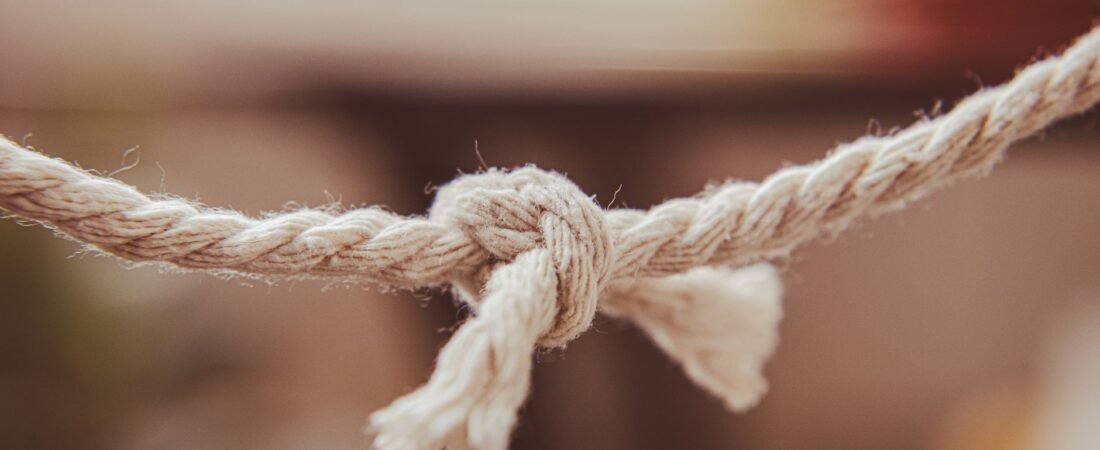
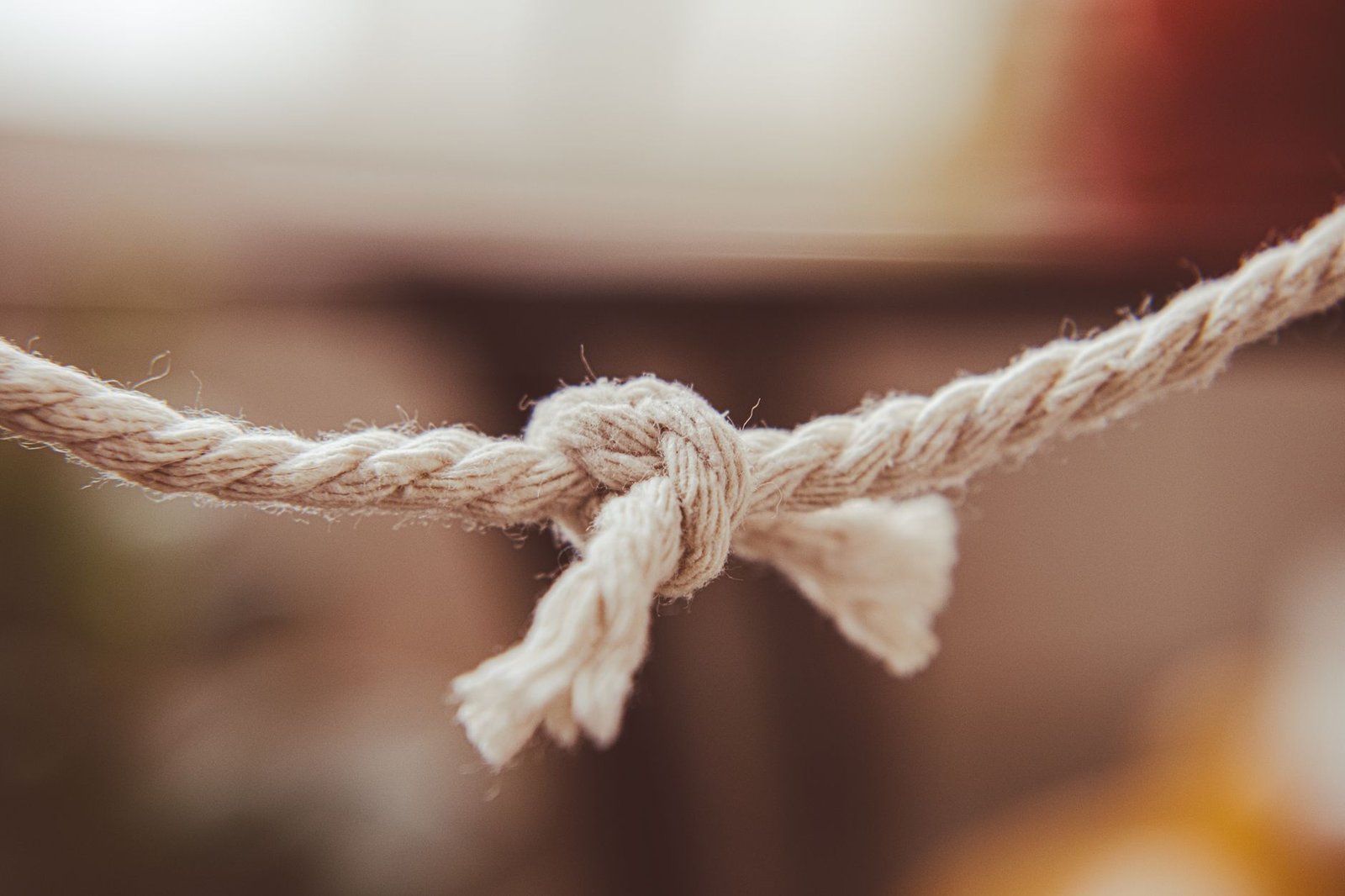
One of the most widespread traditions associated with prayer quilts involves tying knots into the quilt while saying a blessing, a well wish, or a moment of quiet thought for the recipient, rather than finishing the quilt with standard machine or hand quilting stitches. This practice, often called a tied or tacked quilt, uses individual knots spaced across the quilt surface to hold the layers together, and it lends itself naturally to a group setting since many hands can each tie a few knots, each contributing their own personal thought or wish as they go. This tradition isn’t universal to every prayer quilt, plenty are quilted in the more conventional sense by a single maker, but the knot-tying approach remains one of the most recognizable and widely practiced versions of the tradition specifically because it invites communal participation in the finishing process itself. Embroidered names or short messages stitched near a knot are another common addition, giving the recipient a lasting, readable record of exactly who was thinking of them during that tying session. A permanent fabric marker or embroidery floss in a color that shows up clearly against the quilt background works well for this, and some groups even keep a master list matching each name to its approximate location on the finished quilt.
Choosing Fabric And Colors For A Prayer Quilt
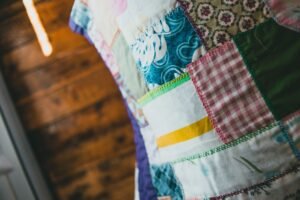
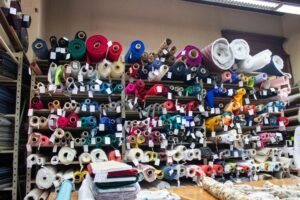
Choosing fabric and colors for a prayer quilt often leans toward calming, comforting choices rather than bold or busy prints, though this really comes down to what feels right for the specific recipient rather than a strict rule. Soft, muted colors, gentle blues, warm neutrals, or soft florals, tend to be popular choices since they suit a wide range of tastes and feel soothing rather than overwhelming, which matters for a quilt meant to provide comfort during a hard time. Flannel or a soft, well-loved cotton also tends to be a popular fabric choice for the actual feel of the quilt, prioritizing softness and coziness over a crisp, formal finish. If the quilt is being made for someone specific whose favorite colors or interests are known, personalizing the fabric choice around that person specifically often means more than sticking to any generic “comforting” palette. Asking a close family member for input on favorite colors, without necessarily revealing the full surprise of the project, is a simple way to personalize a group quilt when the intended recipient can’t be consulted directly. Avoiding anything with a strong seasonal or occasion-specific print also tends to be wise, since a prayer quilt is often kept and used for years, well past whatever season it was originally gifted in.
Simple Patterns That Work Well For Group Projects
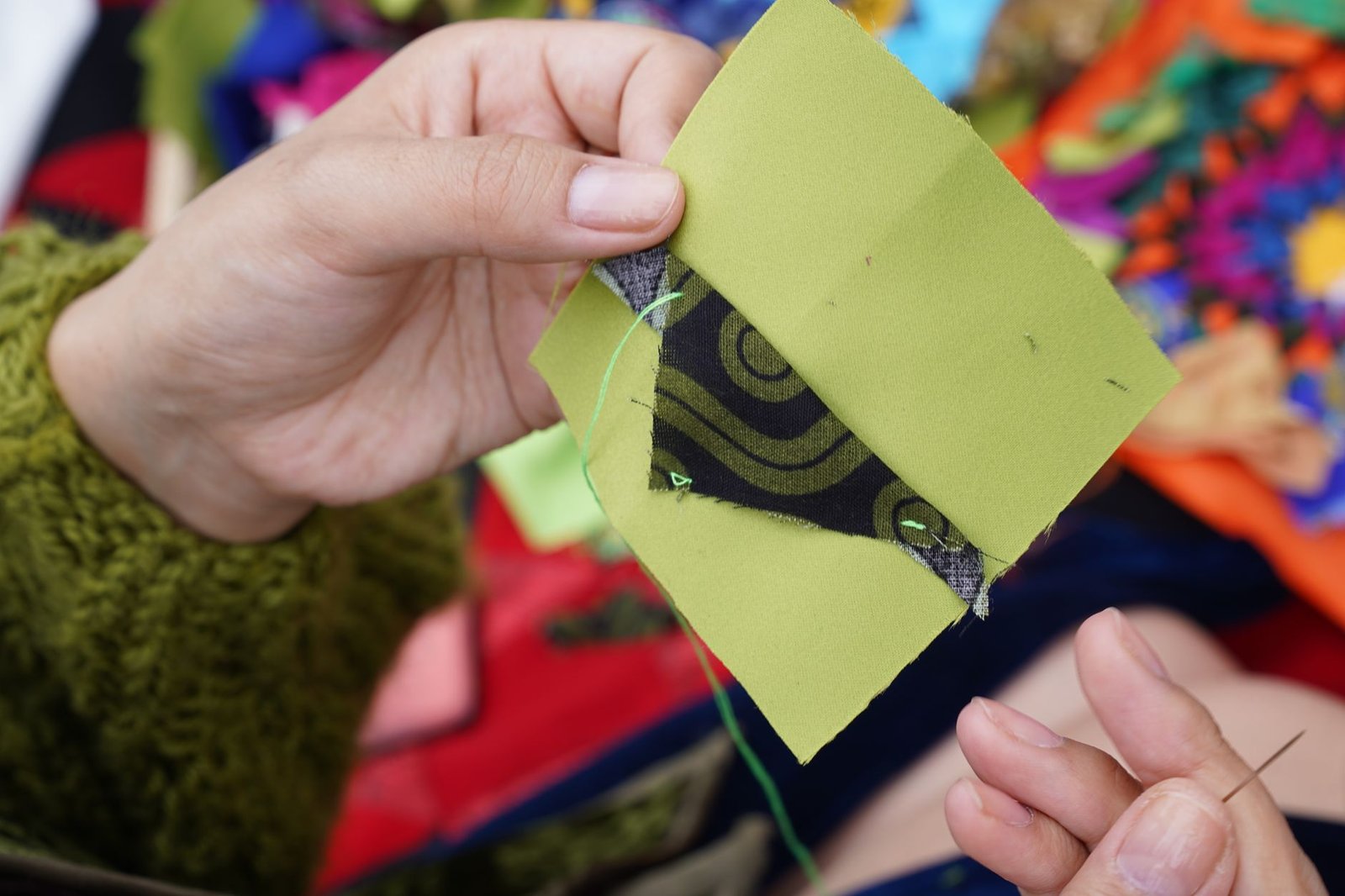
Simple, beginner-friendly block patterns tend to work best for prayer quilts, especially group projects, since the goal is usually a heartfelt, timely gift rather than an intricate showcase piece. Basic squares, simple four-patch or nine-patch blocks, or an easy strip quilt design let contributors of varying skill levels participate meaningfully without needing advanced piecing experience, which matters a lot when a group project includes people who may not sew regularly. Simplicity in the pattern also tends to speed up construction, which is often genuinely important for a prayer quilt meant to reach someone during an active difficult time rather than months later once an elaborate design is finally finished. Pre-cutting fabric ahead of a group gathering also helps enormously, letting participants spend their time piecing, tying, or embroidering rather than measuring and cutting during limited shared time together. Choosing a pattern with clearly repeatable units also makes it easy to divide the work among several people simultaneously, so a group can produce enough blocks for a full quilt in a single gathering rather than needing several separate sessions.
Organizing A Group Prayer Quilt Project
Organizing a group prayer quilt project takes a bit of coordination, but the payoff of a genuinely collective, meaningful gift makes the extra planning worthwhile. Assigning specific roles, someone to gather and coordinate fabric, someone to handle the actual piecing and assembly, and a plan for the tying or finishing session where the group gathers to add their individual knots and well wishes, helps a group project stay organized rather than stalling out from too many cooks without clear direction. Setting a realistic timeline matters too, especially if the quilt is meant to reach someone during a specific window of need, so working backward from a target delivery date helps keep each stage of the process on track. Many groups also find it meaningful to include a card or note explaining the tradition behind the quilt, especially if the recipient isn’t familiar with the practice, so the gesture behind the gift is clear even without the group physically present. Keeping a simple list of who contributed, and how, also gives the recipient something meaningful to hold onto and revisit long after the quilt itself has been delivered. Checking in periodically as the deadline approaches, rather than assuming every assigned task is on track, helps a coordinator catch and resolve any gaps well before the planned delivery date arrives.
Gifting And Presenting A Finished Prayer Quilt
Gifting and presenting a finished prayer quilt is worth a little thought beyond just handing it over, since the presentation itself can add to the meaning of the gift. Some groups choose to deliver the quilt in person as a small gathering, giving the recipient a chance to hear from at least some of the people who contributed, while others mail or deliver it with a written note explaining the tradition and who was involved, especially when distance or circumstances make an in-person gathering difficult. Including a simple care label or note with basic washing instructions is a thoughtful practical touch, since a recipient going through a difficult time may appreciate not having to guess how to care for a handmade gift. At Bee’s Quilt Shop, we’ve heard from many quilters that seeing a prayer quilt actually in use, wrapped around someone during a hard season, tends to be one of the most rewarding outcomes a quilting project can offer, far beyond what any purely decorative or technically ambitious project could ever provide in return. That lasting impact is really the whole point of a prayer quilt, and it’s worth remembering during every stage of planning, cutting, piecing, and tying that the finished result matters far less than the care poured into making it.
Ready to plan a prayer quilt for someone in your life? Explore our Quilt Patterns and Blocks library here at Bee’s Quilt Shop for more beginner-friendly patterns, and browse our current fabric collection to see what’s currently available. Explore more Quilt Patterns & Blocks guides on the blog, or browse our Patterns collection to see what is currently available.
Frequently Asked Questions
What is the tradition of tying knots on a prayer quilt?
It’s a widely practiced way of finishing the quilt where individuals tie a knot into the fabric while sharing a blessing or well wish for the recipient, often done as a group activity. Not every prayer quilt uses this method, but it’s one of the most recognizable traditions.
Do I need advanced sewing skills to help make a prayer quilt?
Not usually, most group prayer quilt projects use simple, beginner-friendly block patterns specifically so contributors of varying skill levels can participate meaningfully. Bee’s Quilt Shop often suggests basic squares or a simple strip design for exactly this reason.
What colors work best for a prayer quilt?
Soft, calming colors like gentle blues or warm neutrals are popular choices, though personalizing the fabric to the recipient’s favorite colors often means even more. There’s no strict rule, it really comes down to what feels right for that specific person.
How do I organize a group prayer quilt project?
Assigning clear roles for fabric gathering, piecing, and the finishing or tying session helps a group project stay on track. Setting a realistic timeline is especially important if the quilt needs to reach someone during a specific window of need.
Is a prayer quilt tied to one specific religion?
The tradition shows up across many communities and faith traditions, and while it’s closely associated with congregational groups in a lot of places, the core idea of a handmade quilt given as support resonates well beyond any single group.
This article is intended for general educational and informational purposes only, based on common community quilting practices. Traditions vary by group and region, so adapting this guide to fit your specific community’s approach is always a good idea. Bee’s Quilt Shop shares this guide as part of our ongoing library of quilting and sewing resources.