Quick answer: A quilted duffle bag combines a pieced fabric exterior with heavier interfacing, sturdy hardware, and load-bearing straps to withstand real travel and daily use. Choosing a pattern that matches your bag-making skill level and following recommended stabilizer weight closely both make a big difference in the finished result.
A quilted duffle bag takes everything satisfying about a quilted purse and scales it up considerably, both in size and in the amount of durability a finished bag actually needs to survive regular use as real travel or gym gear rather than an occasional-use accessory. It’s a genuinely rewarding project for a quilter ready to move beyond smaller bags, but it also demands more planning around structure and materials than a smaller project would. This guide covers what makes a duffle bag quilted, how to choose a pattern for your skill level, and the fabric, hardware, and piecing decisions that determine whether a finished bag actually holds up to real use. A well-made quilted duffle can genuinely rival a store-bought bag in durability while offering something no off-the-shelf option ever could, a design that’s entirely your own and built exactly the way you wanted it.
What Makes A Duffle Bag Quilted
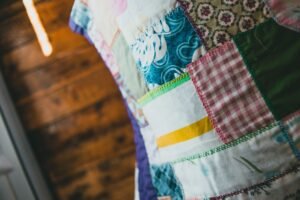
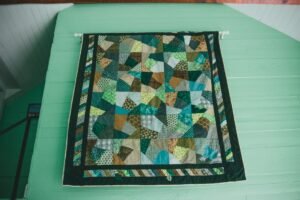
What makes a duffle bag quilted comes down to combining pieced fabric panels, built the same way a quilt block is constructed, with the structured bag construction that a functional duffle genuinely requires to hold its shape and stand up to being packed, carried, and set down repeatedly. That pieced exterior can range from a simple strip-pieced panel to a more elaborate pattern featuring multiple fabrics and shapes, but the quilted element specifically refers to that patchwork treatment on the bag’s surface rather than any particular duffle shape or size. Underneath that pieced exterior, a genuinely sturdy duffle bag relies on structural layers, heavier interfacing, sometimes a rigid base insert, and quality lining, that give it the shape retention and durability to function as actual luggage rather than a soft, floppy fabric tote. A rigid base insert in particular, whether a purchased plastic base or a simple cardboard or foam-core cutout wrapped in fabric, makes a noticeable difference in how a packed duffle sits upright rather than slumping over once weight is added.
Choosing A Pattern For Your Skill Level
Choosing a pattern for your skill level matters even more with a duffle bag than with a smaller quilted purse, simply because the scale of the project means mistakes take longer to fix and the fabric and hardware investment tends to be higher. Beginner-friendly duffle patterns typically feature simpler shapes, fewer pockets, and more basic hardware like a single zipper closure and fixed straps, letting a first-time bag maker focus on the fundamentals of larger scale bag construction without juggling too many advanced elements simultaneously. More advanced patterns might include structured end panels, multiple interior and exterior pockets, adjustable or removable straps, and more complex hardware, producing an impressively functional finished bag but requiring real bag-making experience to execute well. Many quilters at Bee’s Quilt Shop suggest completing a smaller bag project first, even a simple zippered pouch or a quilted purse, before attempting a full duffle, since the core skills transfer directly but the smaller scale makes early mistakes far less costly. That smaller warm-up project also gives you a chance to test a specific fabric and interfacing combination on a manageable scale before committing to the considerably larger yardage a full duffle requires.
Fabric And Stabilizer Choices For Durability
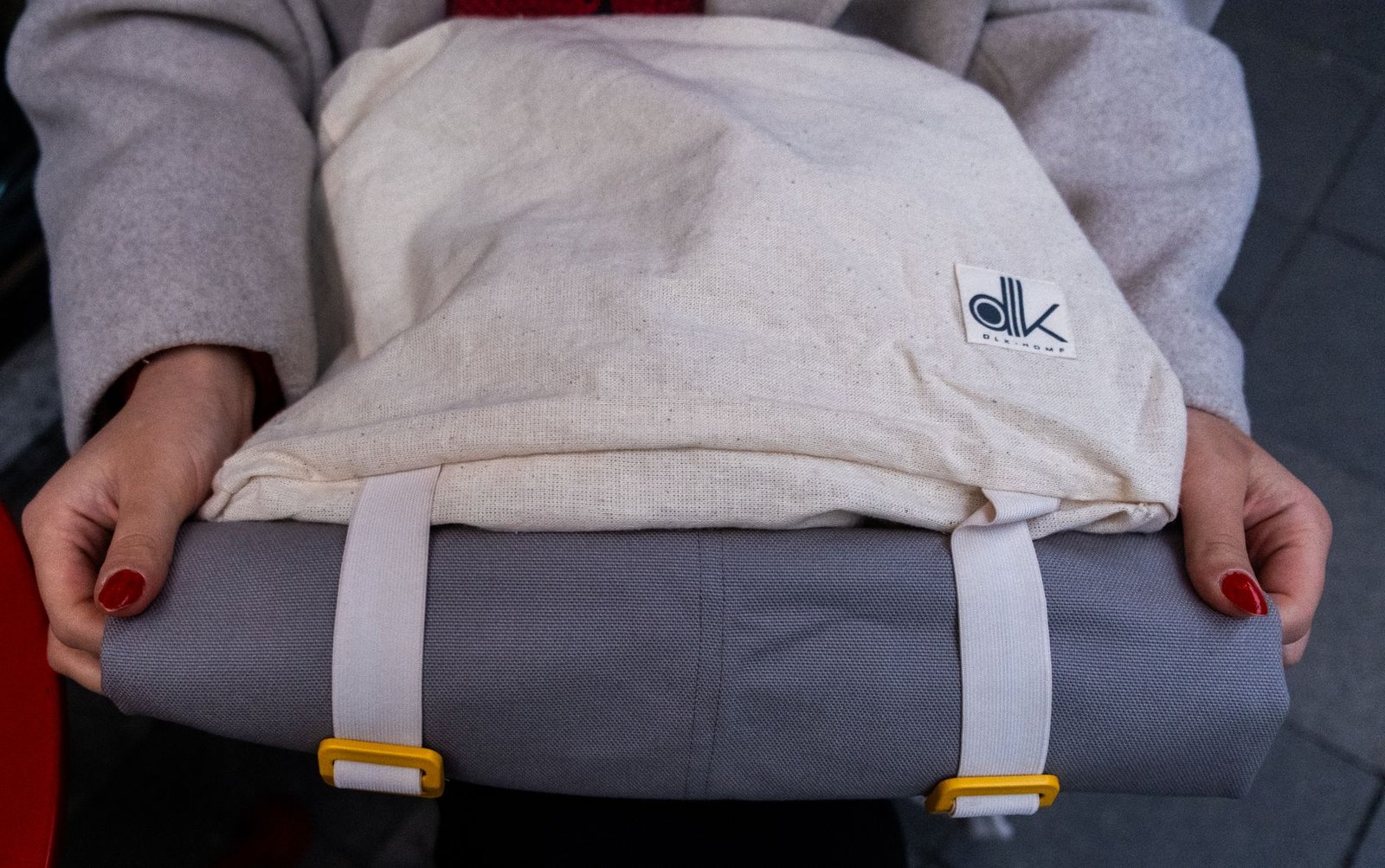
Fabric and stabilizer choices matter enormously for a duffle bag specifically because it needs to withstand considerably more wear and stress than most other quilted projects, being packed full, set on rough surfaces, and generally handled less delicately than a decorative quilt ever would be. Medium to heavyweight quilting cotton or a home decor weight fabric tends to hold up better than lighter quilting cotton for the exterior panels, offering the durability a well-used duffle genuinely needs over time. Heavier interfacing and stabilizer layers, often a combination of fusible fleece for body and a stiffer foam or plastic-based stabilizer for structure, particularly along the base and sides, are what allow a duffle bag to actually stand up on its own and resist collapsing when set down, which matters considerably more for a large duffle than for a smaller purse. Following a specific pattern’s recommended stabilizer weight closely is especially important here, since under-stabilizing a project this size is one of the most common reasons a finished duffle ends up disappointingly floppy despite a beautifully pieced exterior. When in doubt, sizing up to a slightly heavier stabilizer than a pattern recommends tends to be the safer choice for a bag headed for genuinely rough, regular use.
Hardware, Straps, And Zippers To Consider
Hardware, straps, and zippers deserve real consideration for a duffle bag, since these functional elements see heavy use and genuinely affect both how the bag performs and how long it lasts. A quality separating zipper, long enough to allow the bag to open widely for easy packing, is worth the investment over a cheaper option, since zipper failure on a heavily used duffle is a genuinely common and frustrating problem with lower quality hardware. Strap hardware built for load-bearing use, sturdy D-rings, swivel clips, and webbing rated for the weight a packed duffle might carry, matters more here than on a lighter purse, since a duffle strap needs to comfortably support real weight over a shoulder for extended periods without stretching or failing. Adjustable straps add genuine versatility, letting the bag convert between a hand carry and a crossbody or shoulder carry depending on how it’s being used, which many quilters find is worth the extra construction step for a bag meant for regular travel use. Reinforcing strap attachment points with extra stitching or a small fabric or leather tab is another detail worth the few extra minutes, since that’s typically the first spot to show stress on a heavily loaded bag.
Piecing Tips For Large Quilted Panels
Piecing tips for large quilted panels differ somewhat from smaller scale bag piecing, mostly because a duffle’s bigger surface area means small piecing inconsistencies have more room to accumulate before they’re trimmed to a pattern’s final size. Working in manageable sections, piecing a panel a bit larger than needed and trimming it down accurately to the pattern piece afterward, helps account for the slight shrinkage that happens during pressing on a larger pieced surface. Pressing thoroughly and consistently throughout construction matters just as much on a large panel as a small one, though the larger scale means it’s worth double-checking that seams stay flat and consistent across the entire panel rather than just spot-checking a few seams. Working with a design wall or large flat table to lay out an entire large panel before final assembly helps catch any color or placement issues on a project where unpicking a large pieced section is considerably more time consuming than it would be on a smaller purse. Labeling pieced sections as you go, especially on patterns with several differently shaped panels, also prevents confusion during final assembly on a project with considerably more pieces than a small pouch or purse involves.
Caring For A Finished Quilted Duffle Bag
Caring for a finished quilted duffle bag comes down to balancing its role as functional, heavily used gear with the care a pieced fabric exterior typically wants to look its best. Spot cleaning with a damp cloth and mild soap is generally the safest approach for most quilted duffle bags, particularly ones with substantial interfacing and structural elements that a full wash cycle could distort or damage. For a duffle used for genuinely dirty activities, like sports gear or travel, checking whether the specific fabric and interfacing combination can tolerate a gentle machine wash, and testing on a hidden seam or small area first, helps avoid an unpleasant surprise on a bag that took real time to construct. Letting a duffle bag air dry fully and reshaping it gently by hand while still damp, rather than tossing it in a dryer, also helps preserve both its structure and its pieced fabric exterior over years of regular use. A quick wipe-down after particularly dirty trips, rather than waiting for a full wash, also helps keep a well-loved travel or gym duffle looking presentable between deeper cleanings.
Ready to piece together a quilted duffle bag of your own? Explore our Quilt Patterns and Blocks library here at Bee’s Quilt Shop for more bag-making inspiration, and browse our current patterns collection to see what’s currently available. Explore more Quilt Patterns & Blocks guides on the blog, or browse our Patterns collection to see what is currently available.
Frequently Asked Questions
Should I make a quilted purse before attempting a duffle bag?
Many quilters find it genuinely helpful to complete a smaller bag project first, since the core skills transfer directly but mistakes are far less costly at a smaller scale. Bee’s Quilt Shop suggests this especially for a first duffle attempt.
Why does my quilted duffle bag feel floppy instead of structured?
This usually comes from under-stabilizing the project, since a duffle needs heavier interfacing and stabilizer than a smaller purse to hold its shape under real use. Following the pattern’s specific recommended stabilizer weight closely helps avoid this.
What zipper is best for a quilted duffle bag?
A quality separating zipper long enough to open the bag widely for packing is worth the investment, since cheaper zippers are a common point of failure on heavily used duffle bags. It’s one area where higher quality hardware genuinely pays off.
Can I use any quilting cotton for a duffle bag exterior?
Medium to heavyweight quilting cotton or a home decor weight fabric tends to hold up better than lighter cotton, since a duffle sees considerably more wear than most quilted projects. Combining it with proper interfacing matters just as much as the fabric weight itself.
How do I wash a quilted duffle bag without damaging it?
Spot cleaning with a damp cloth and mild soap is generally the safest approach given the interfacing and structural elements involved. Testing a hidden area first before attempting a full wash helps avoid an unpleasant surprise.
This article is intended for general educational and informational purposes only, based on common bag-making practices. Results vary by fabric, interfacing, and hardware choices, so testing techniques on a small sample before a full project is always a good idea. Bee’s Quilt Shop shares this guide as part of our ongoing library of quilting and sewing resources.