Quick answer: Fall quilts lean into warm autumn colors like orange, burnt red, and gold, along with familiar motifs like leaves, pumpkins, and plaid-inspired prints. Starting a fall quilt project in mid to late summer gives comfortable time to piece, quilt, and bind it before the season actually arrives.
Fall quilts hold a special place in a lot of quilters’ hearts, and it’s easy to see why once the weather turns and everyone starts craving something warm, colorful, and cozy to throw over a couch or a chilly bed. There’s something about translating autumn’s warm palette and familiar motifs into fabric that feels especially satisfying compared to other seasonal quilting projects. This guide covers why fall remains such a favorite quilting theme, the motifs and colors that define it, and how to plan and time a fall quilt project so it’s ready when the season actually arrives. Year after year, fall quilts remain one of the most requested seasonal projects at Bee’s Quilt Shop, and once you see the palette and motifs laid out clearly, it’s easy to understand exactly why. Few other seasonal themes translate quite so naturally into fabric, and that natural fit is a big part of why fall quilting projects stay consistently popular year after year across quilters of nearly every skill level, background, and personal style preference alike, year in and year out.
Why Fall Is A Favorite Quilting Season Theme
Fall has become one of the most beloved quilting season themes for reasons that go beyond just the calendar, and a lot of it comes down to how naturally the season’s colors and mood translate into fabric. The warm, rich color palette associated with autumn, deep oranges, burnt reds, golden yellows, and earthy browns, tends to photograph and display beautifully in a finished quilt, giving even a fairly simple pattern real visual warmth and presence. There’s also a genuine emotional pull to fall as a season, the shift toward cozy indoor time, holiday gatherings, and slower days, that makes a handmade quilt feel especially fitting, almost like the finished piece embodies the season’s mood rather than just referencing it visually. Many quilters also find fall quilting projects a satisfying way to mark the changing seasons in their home, swapping out a lighter summer quilt for something that visually and physically feels warmer as the weather cools. That rotation itself has become a genuine tradition in a lot of households, with fall quilts brought out each year alongside other seasonal decor rather than staying in permanent year-round use. That anticipation, waiting all year for the moment a favorite fall quilt comes back out of storage, is part of what makes the seasonal ritual feel genuinely special rather than routine year after year.
Popular Fall Quilt Motifs
Popular fall quilt motifs tend to draw from a fairly consistent, recognizable set of autumn imagery, which makes shopping for fabric and planning a design noticeably easier once you know what to look for. Leaves, whether realistically rendered or more stylized and graphic, are probably the most universally recognized fall motif, showing up across countless fabric collections in every shade from bright orange to deep burgundy. Pumpkins are another perennial favorite, ranging from cute, simplified pumpkin shapes perfect for applique to more detailed printed pumpkin fabric used as a focal print. Plaid-inspired designs, evoking the cozy, layered look associated with flannel shirts and autumn wardrobes, round out the most common fall motifs, often incorporated as a background or blender fabric that ties a more colorful focal print together. Acorns, wheat stalks, and harvest imagery like baskets or gourds round out the motif lineup for quilters looking for something a bit less common than the ubiquitous leaf and pumpkin prints.
Choosing A Fall Color Palette
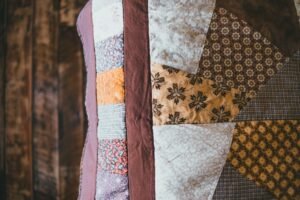
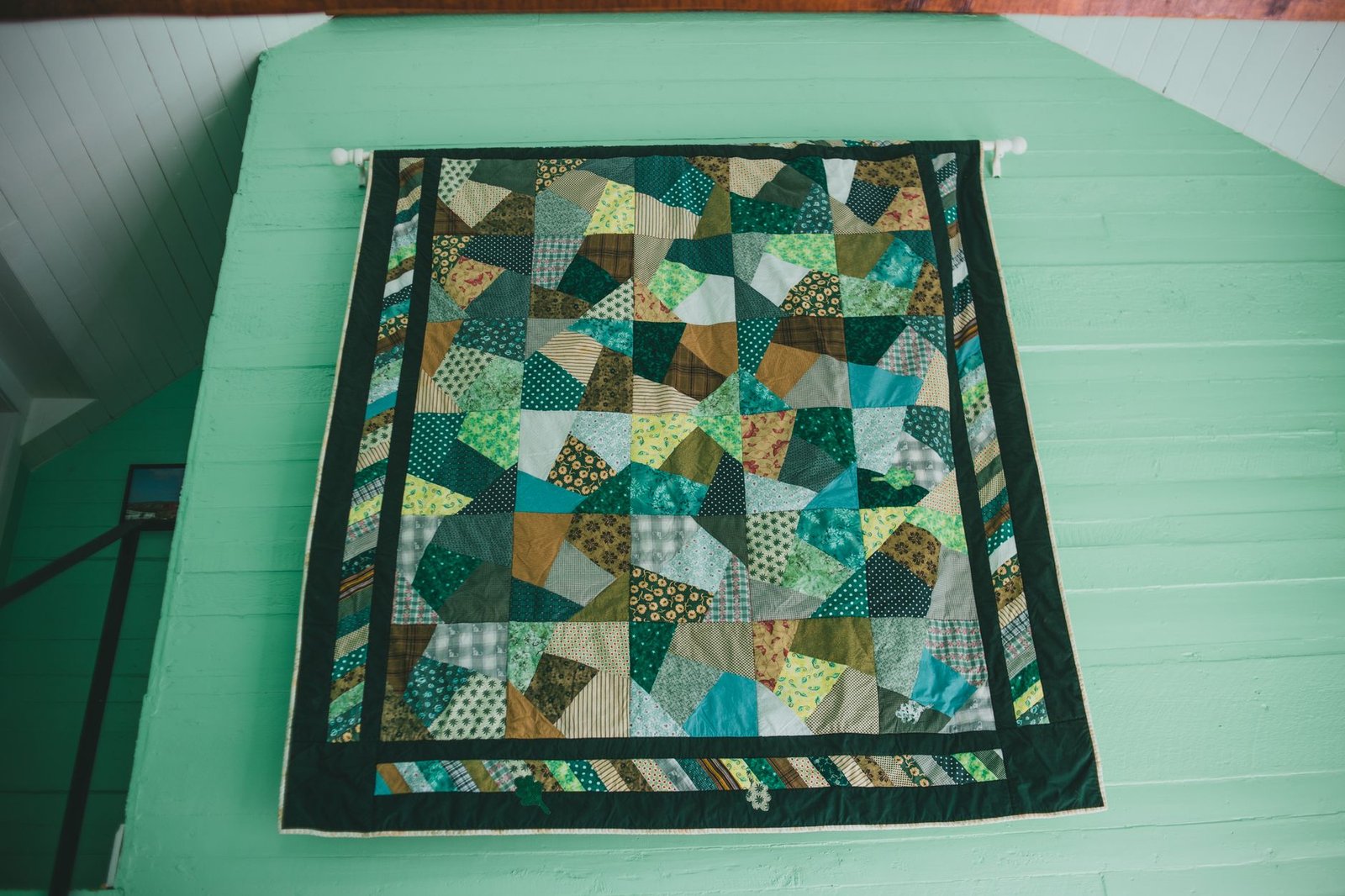
Choosing a fall color palette really comes down to deciding how warm and saturated you want the finished quilt to feel, since “fall colors” actually covers a fairly wide range once you start looking closely. Working with warm oranges, browns, and deep reds as your primary palette gives a quilt that unmistakable, classic autumn feeling, and these colors tend to pair naturally with each other since they all sit close together on the warm side of the color wheel. Adding a muted gold or mustard yellow as an accent brightens up a heavier brown and red palette without pulling it away from that cozy, warm feeling. Some quilters lean toward a more muted, sophisticated fall palette using deeper, dustier versions of these same colors, while others prefer a bolder, more saturated take, and both approaches genuinely work well, it really comes down to personal taste and how the finished piece will fit into its intended space. Testing a fabric pull against your actual living space before finalizing a palette also helps, since a combination that looks striking on a cutting table can read quite differently once it’s spread across a couch or bed in your existing decor.
Block Patterns That Suit Fall Themes Well
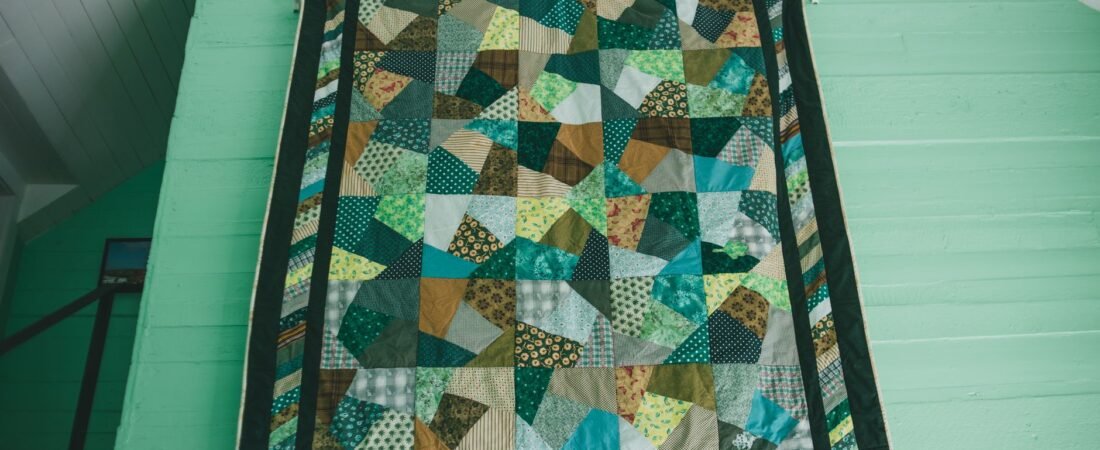
Certain block patterns pair especially naturally with fall themed fabric, letting the season’s motifs and colors take center stage without a busy pieced design competing for attention. Simple, larger scale blocks, like a basic square in a square or a straightforward rail fence pattern, work well when you’re using a focal fall print, like a pumpkin or leaf fabric, since the simpler piecing lets that print really shine as the star of the show. Traditional autumn-associated blocks, like a maple leaf block or a pumpkin-shaped applique block, lean directly into the seasonal theme through the pieced or appliqued shape itself rather than relying purely on fabric print to carry the fall feeling. Scrappy patterns using a wide variety of warm-toned fabric scraps also work beautifully for fall quilts, since the slightly varied, imperfect mix of warm colors echoes the natural variation you’d see in an actual pile of autumn leaves. A log cabin block, with its rings of alternating light and dark strips, is another classic choice that adapts beautifully to a fall palette, letting the warm and cooler tones within your fabric pull create their own visual movement across the quilt top.
Timing A Fall Quilt Project
Timing a fall quilt project matters more than a lot of quilters initially expect, especially if the goal is having a finished piece ready to display or gift right as the season begins. Starting a fall quilt project in mid to late summer gives comfortable breathing room for piecing, quilting, and binding without the time pressure of trying to finish right as autumn actually arrives, which is exactly when most quilters want to actually enjoy using the finished piece rather than still be working on it. For anyone planning to sell or gift fall quilts specifically, starting even earlier, sometimes as early as spring, allows time to source fabric before popular fall-themed collections potentially sell out, since seasonal fabric lines are often only in production for a limited window each year. Working backward from your target completion date, accounting for piecing time, quilting, and binding, is a reliable planning approach regardless of how far in advance you decide to start. Building in a small buffer beyond your own estimate is also wise, since even experienced quilters run into the occasional unexpected delay, a fabric reorder, a mistake that needs unpicking, or simply a busier week than planned.
Displaying And Storing Seasonal Fall Quilts
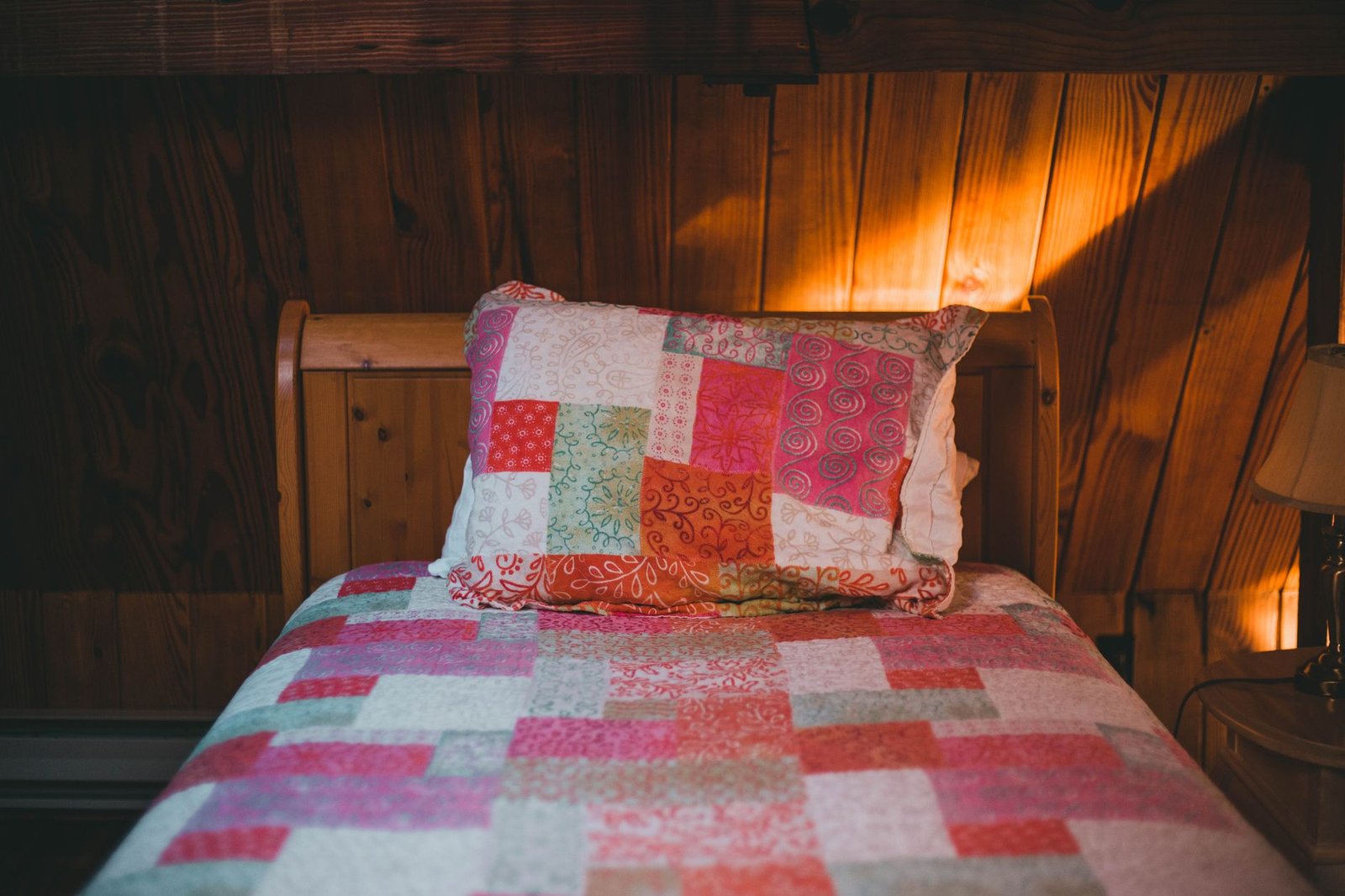
Displaying and storing seasonal fall quilts properly helps them stay looking their best across years of rotating seasonal decor. During the season itself, keeping a fall quilt away from prolonged direct sunlight helps preserve its rich, saturated colors, since sun exposure can fade fabric noticeably over repeated seasons of display. Once fall winds down, storing the quilt clean, folded loosely rather than tightly compressed, and in a breathable cotton storage bag rather than sealed plastic, helps prevent creasing and allows the fabric to breathe between uses, which many quilters at Bee’s Quilt Shop find keeps a beloved seasonal piece looking fresh and vibrant year after year rather than developing permanent fold lines or musty storage odors. Adding a cedar block or a sachet of dried lavender to the storage bag is a simple extra step some quilters take to keep stored fall quilts smelling fresh through the many months they spend tucked away each year.
Ready to start planning your fall quilt? Explore our Quilt Patterns and Blocks library here at Bee’s Quilt Shop for more seasonal inspiration, and browse our current fabric collection to see what’s currently available. Explore more Quilt Patterns & Blocks guides on the blog, or browse our Patterns collection to see what is currently available.
Frequently Asked Questions
When should I start a fall quilt to have it ready in time?
Starting in mid to late summer gives comfortable breathing room for piecing, quilting, and binding without rushing right as the season begins. Bee’s Quilt Shop suggests starting even earlier if you’re planning to sell or gift fall quilts specifically.
What colors are considered classic fall quilt colors?
Warm oranges, burnt reds, golden yellows, and earthy browns form the core palette most people picture as classic fall colors. Adding a muted gold or mustard accent can brighten a heavier brown and red combination nicely.
What block pattern works best for a fall focal print?
Simple, larger scale blocks like a square in a square or rail fence pattern let a bold fall focal print, like pumpkins or leaves, really stand out. Busier pieced patterns can sometimes compete with a strong seasonal print instead of showcasing it.
Can I use fall fabric for a quilt that isn’t leaf or pumpkin themed?
Absolutely, plaid-inspired prints and warm solid colors can evoke a cozy fall feeling without needing literal seasonal imagery. Many quilters build fall quilts around color and texture alone rather than specific autumn motifs.
How should I store a fall quilt during the rest of the year?
Storing it clean, folded loosely, and in a breathable cotton storage bag rather than sealed plastic helps prevent creasing and musty odors. Keeping it away from prolonged direct sunlight during display also helps preserve its colors longer.
This article is intended for general educational and informational purposes only, based on common quilting practices. Results vary by fabric availability, personal timeline, and skill level, so planning ahead for seasonal projects is always a good idea. Bee’s Quilt Shop shares this guide as part of our ongoing library of quilting and sewing resources.