Quick answer: Quilt shops typically offer fabric, notions, classes, and sometimes sewing machines, with local shops providing hands-on browsing and community connection while online quilt shops offer wider selection and convenience. Most quilters use a mix of both depending on the project and what they’re shopping for.
Quilt shops occupy a unique place in the sewing and crafting world, somewhere between a specialty retailer and a genuine community hub, and understanding what makes a good one, and how to make the most of your time in or shopping through one, genuinely improves your experience as a quilter. Whether you’re a longtime quilter with a favorite local shop or someone just discovering the world of dedicated quilting retailers, this guide covers what quilt shops typically offer, how local and online options compare, and how to get the most out of the relationships and resources they provide. Not every quilt shop offers exactly the same mix of products and services, so understanding the general landscape helps you figure out what to actually look for as you gradually build your own personal shopping habits and preferences over the many years ahead of you. Loyalty programs, punch cards, and seasonal sales are also worth watching for, since even small discounts add up meaningfully over time for a quilter buying fabric and notions on a regular, ongoing basis throughout the year.
What A Quilt Shop Typically Offers
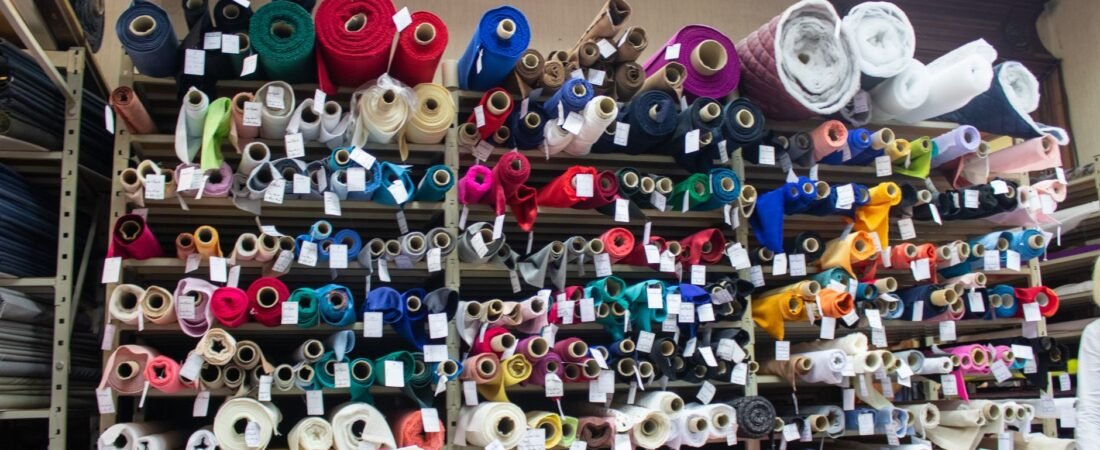
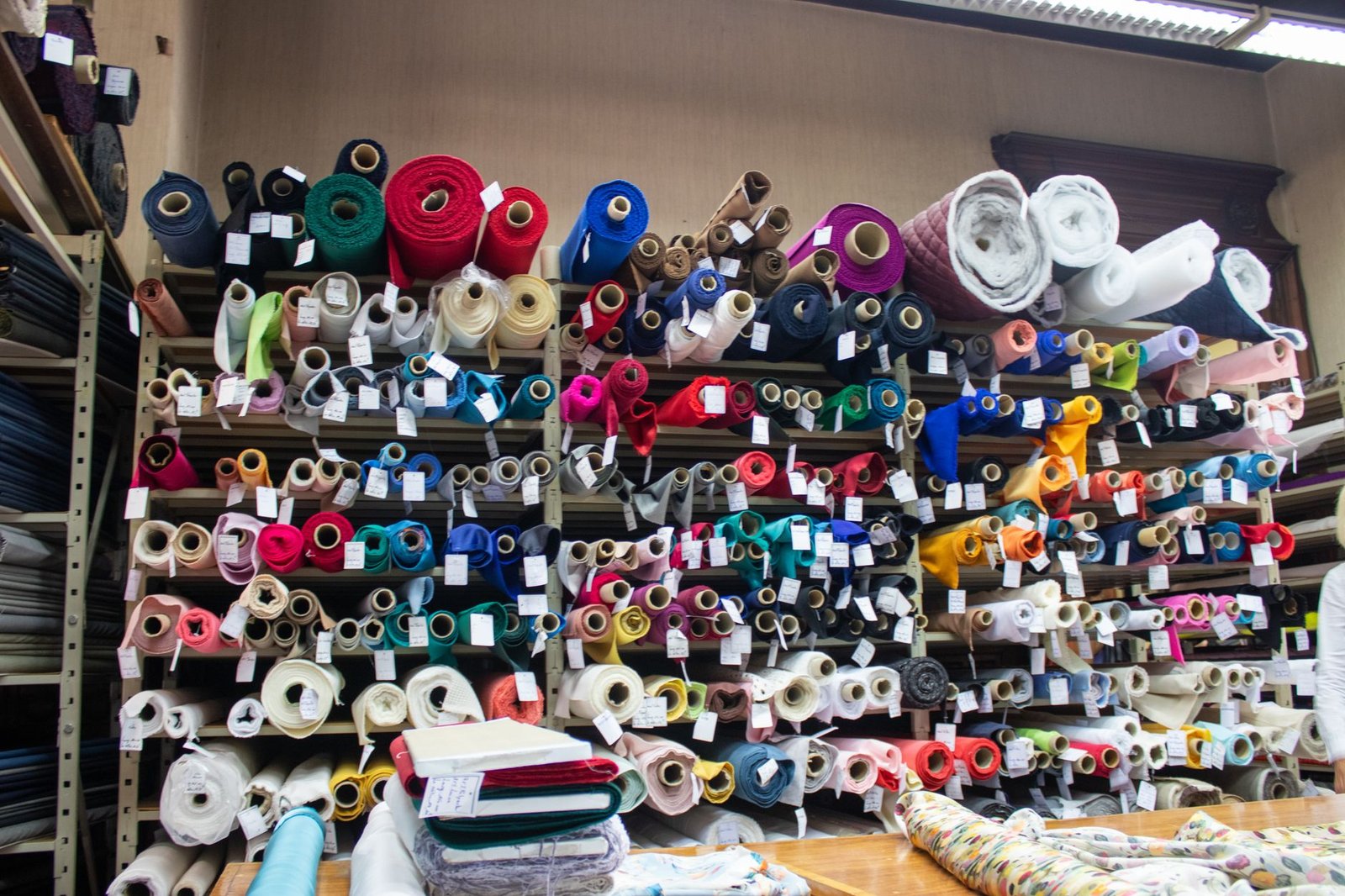
Quilt shops typically offer a fairly consistent core set of products and services, even though the specific selection and personality varies enormously from one shop to the next. Fabric selection sits at the heart of most quilt shops, usually including a rotating mix of designer collections, solids, and blenders that a general craft store’s more limited quilting section simply can’t match in depth or variety. Notions, meaning the smaller tools and supplies like thread, pins, rulers, and rotary cutting equipment, round out the everyday shopping needs most quilters have, and a good shop typically stocks a genuinely useful range of these rather than just the most basic options. Classes are another common offering that sets a dedicated quilt shop apart from general retail, giving quilters access to in-person instruction, technique workshops, and often a structured way to build skills progressively over time. Many quilt shops also sell sewing machines, sometimes representing a specific brand as an authorized dealer, along with the machine servicing and support that a general retailer typically can’t provide. Many quilt shops also curate their own kits and patterns, bundling fabric, instructions, and sometimes notions together into a single ready-to-sew package that saves customers the extra step of sourcing everything separately.
Local Quilt Shops Vs Online Quilt Shops
Local quilt shops and online quilt shops each offer genuinely different experiences, and most quilters end up using both depending on what a specific purchase or project calls for. A local shop lets you actually see and touch fabric in person, checking color accuracy, weight, and hand feel in a way that a photo online simply can’t replicate, which matters enormously for a fabric that’s going to be a project’s focal point. Online quilt shops offer considerably wider selection and the convenience of shopping from home, often including access to specific collections or specialty items that a smaller local shop might not have room to stock. Many quilters develop a pattern of buying staples and quick necessities online while saving in-person shop visits for projects where color matching and fabric feel genuinely matter, or simply for the experience of browsing and discovering fabric they wouldn’t have thought to search for specifically. Return policies and shipping costs are also worth comparing between online quilt shops before buying in bulk, since these details vary considerably and can meaningfully affect the total cost of an order.
What To Look For In A Good Quilt Shop
Knowing what to look for in a good quilt shop, whether you’re choosing a local shop to become a regular at or evaluating an online retailer, helps you find a source that genuinely fits your needs as a quilter. Fabric selection depth and how frequently new collections arrive matters for anyone who likes staying current with new fabric releases, while a shop with a smaller but more curated selection might suit someone who prefers a simpler shopping experience. Staff knowledge is a genuinely underrated factor, especially for a local shop, since knowledgeable staff can offer real project advice, troubleshoot a technique problem, or suggest fabric substitutions in a way that shopping online simply can’t replicate. Class offerings, if that’s something you’re interested in, vary considerably in both quality and variety between shops, so checking reviews or asking other local quilters about their class experiences can help you find a shop whose teaching style and course selection genuinely fits your learning goals. Return and exchange policies are worth understanding too, especially for online quilt shops, since cut fabric often can’t be returned once shipped, making an accurate initial order more important than it would be for most other purchases.
Making The Most Of A Quilt Shop Visit
Making the most of a quilt shop visit, particularly a local shop you’re visiting for the first time or don’t visit often, comes down to a bit of preparation and being open to actually asking questions while you’re there. Bringing a fabric swatch or a clear photo of your project in progress helps staff give more specific, useful color matching or fabric weight advice than a vague description alone would allow. Asking questions, even ones that feel basic, tends to be genuinely welcomed by quilt shop staff, who are typically there specifically because they enjoy helping quilters work through project questions and fabric decisions. Taking a bit of time to browse without a specific purchase goal in mind, rather than always shopping with a rigid list, is also how a lot of quilters end up discovering fabric or notions they wouldn’t have thought to search for online, which is one of the genuine advantages a physical shop offers that online shopping generally can’t replicate. Visiting during quieter weekday hours rather than a busy weekend, when possible, also tends to give staff more time to chat and offer the kind of detailed, unhurried advice a packed Saturday afternoon rarely allows for.
Supporting Quilt Shops In Your Community
Supporting quilt shops in your community, when you have access to one, offers real value beyond the products themselves, and it’s worth considering as part of why a local shop remains worth visiting even when online shopping is often more convenient. Local shops provide access to hands-on classes and in-person troubleshooting help that’s genuinely hard to replicate through any online resource, no matter how detailed a video tutorial might be. They also tend to function as a genuine gathering point for a local quilting community, hosting sew days, guild meetings, or informal gatherings that connect quilters with each other in a way that shopping alone, whether in person or online, simply doesn’t provide. Many quilters find that even occasional purchases from a local shop, alongside regular online shopping for staples, help keep that resource available in their community for the classes and connection it provides. Independent quilt shops in particular tend to operate on tighter margins than large retailers, which makes even modest, consistent local support genuinely meaningful to a shop’s ability to stay open long term.
Building A Relationship With Your Go-To Quilt Shop
Building a relationship with a go-to quilt shop, whether that’s a specific local shop or a trusted online retailer you return to repeatedly, offers genuine benefits that go beyond convenience alone. A shop that knows your general taste and project history can offer more tailored suggestions and alert you to new arrivals that genuinely match what you tend to buy, rather than treating every visit as a first interaction. Becoming a regular, whether through consistent purchases, taking classes, or simply being a friendly recurring presence, often means better access to staff time and advice when you’re working through a tricky project decision. Bee’s Quilt Shop grew out of exactly this kind of relationship-driven, community-centered approach to quilting, and while we now serve quilters online rather than as a physical storefront, that same spirit of building an ongoing relationship with quilters, rather than treating every visit as a one-time transaction, still shapes how we approach sharing guides and resources today.
Ready to explore more quilting resources? Explore our Quilt Patterns and Blocks library here at Bee’s Quilt Shop for more guides and inspiration, and browse our current fabric collection to see what’s currently available. Explore more Quilt Patterns & Blocks guides on the blog, or browse our Patterns collection to see what is currently available.
Frequently Asked Questions
What’s the difference between a local quilt shop and an online one?
A local shop lets you see and feel fabric in person, which matters a lot for color matching, while online shops typically offer wider selection and shopping convenience. Many quilters use both depending on the specific project.
What should I look for in a good quilt shop?
Fabric selection depth, staff knowledge, and class offerings are all worth considering, though what matters most really depends on your own shopping and learning preferences. Bee’s Quilt Shop finds staff knowledge especially valuable for troubleshooting a tricky project.
Do quilt shops only sell fabric?
No, most also carry notions like thread, pins, and rulers, and many offer classes or even sell sewing machines. A well-rounded shop typically covers most of what a quilter needs beyond just fabric alone.
Why should I support a local quilt shop instead of just shopping online?
Local shops provide hands-on classes, in-person troubleshooting, and a genuine community gathering point that’s hard to replicate online. Many quilters mix occasional local purchases with regular online shopping to help keep that resource available.
How do I make the most of a quilt shop visit?
Bringing a fabric swatch or photo of your project helps staff give more specific advice, and asking questions is genuinely welcomed rather than seen as a bother. Taking time to browse without a strict list is also how many quilters discover fabric they wouldn’t have searched for online.
This article is intended for general educational and informational purposes only, based on common quilting shopping practices. Availability of specific products, classes, and services varies by shop, so checking directly with a specific retailer is always a good idea. Bee’s Quilt Shop shares this guide as part of our ongoing library of quilting and sewing resources.