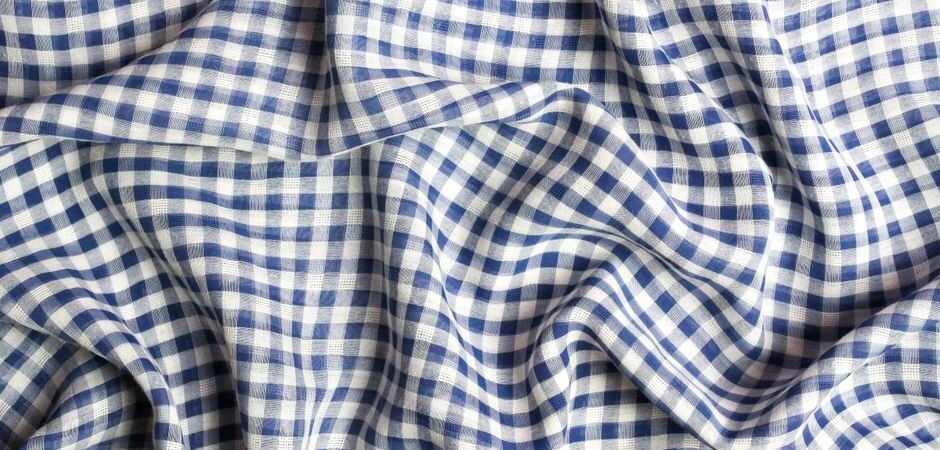
Quick answer: Baby blue gingham combines gingham’s classic checked weave with a soft, pale blue colorway, making it a nursery decor favorite. Smaller check sizes suit tiny baby items best, while medium checks work well on larger quilts.
Baby blue gingham holds a special, enduring place in nursery decor and children’s sewing, combining a classic checked weave with one of the softest, most soothing colors in the entire fabric world. There’s something about this particular pairing, structured pattern and gentle color, that reads as instantly welcoming and appropriate for baby items in a way that busier prints or bolder colors sometimes struggle to match. This guide covers what actually makes a gingham qualify as baby blue, why this specific combination has become such a nursery favorite, the check sizes worth considering for smaller baby-scale projects, how to pair this fabric with coordinating prints and solids, the best projects suited to this particular fabric weight and style, and how to care for finished baby blue gingham items given the extra washing baby items tend to receive. Whether you’re planning a baby quilt, bibs, or a full nursery decor set, this guide covers the practical basics. At Bee’s Quilt Shop, gingham in general is a perennial favorite, and the baby blue colorway specifically sees a real spike in interest from anyone expecting or shopping for a new arrival. It’s one of those fabrics that shows up in nursery planning conversations again and again, whether someone is building a full themed room or simply looking for one coordinating fabric to anchor a handful of handmade baby gifts. Even shoppers who’ve never sewn a stitch in their lives seem to instinctively recognize this particular color and pattern combination as the classic baby fabric, which says a lot about how deeply this look has settled into the culture around welcoming a new baby.
What Makes A Gingham Baby Blue
What makes any gingham baby blue specifically comes down to combining the classic checked weave construction with a particular soft, pale shade of blue rather than the deeper, more saturated blues found elsewhere in the color family. Structurally, this fabric is still true woven gingham, built from dyed and white yarns woven together in the same even, symmetrical grid pattern that defines gingham more broadly, so it holds all of gingham’s practical qualities: it looks the same on both sides, resists fading better than a printed check would, and has that crisp, classic cotton hand. The specific pale blue shade is really what sets this colorway apart, landing somewhere between a true sky blue and a much lighter powder blue, gentle enough to read as soothing and nursery-appropriate rather than bold or attention-grabbing. This particular combination of structure and color has become so closely associated with babies and nurseries that many shoppers picture this exact fabric the moment baby blue comes up in conversation about children’s sewing.
Why Baby Blue Gingham Is A Nursery Favorite
Baby blue gingham’s popularity in nursery settings comes down to a combination of tradition and genuinely practical visual appeal. The color carries a long-standing cultural association with baby boys specifically, though plenty of modern nurseries and gender-neutral spaces use it regardless of the baby’s sex, simply because the soft shade works so well in a calm, restful room. Beyond tradition, the fabric’s crisp, classic look photographs beautifully, which matters a lot to parents documenting a new baby’s early months, and it pairs easily with an enormous range of nursery decor styles, from traditional to modern farmhouse. Many quilters and sewists also appreciate that gingham in general reads as timeless rather than trendy, meaning a baby blue gingham quilt or decor piece won’t look dated the way a fabric tied to a specific passing trend eventually might. That timelessness matters a lot for baby items specifically, since a handmade quilt or keepsake is often kept and treasured for decades, passed down or brought out again for a future sibling or grandchild, and a classic fabric choice ages far more gracefully in old photographs than a fabric tied tightly to whatever happened to be fashionable in nursery decor during one particular year.
Check Sizes To Consider For Baby Projects
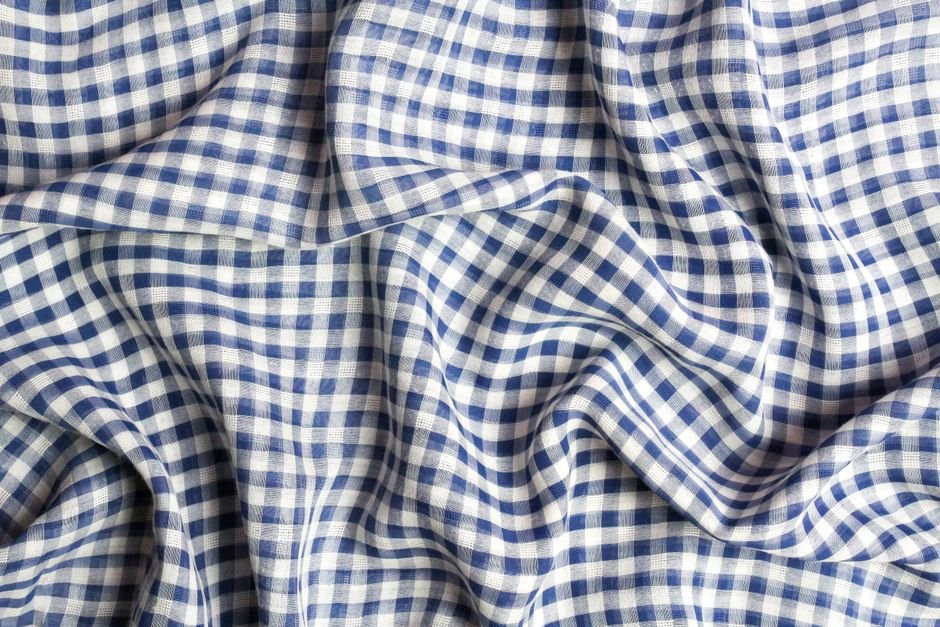
Check size matters more on small-scale baby projects than it does on larger adult garments or home decor pieces, since a check that reads as a lovely, subtle texture on a full-sized quilt can look either too subtle or too overwhelming once scaled down to a small bib or baby garment. Smaller checks, sometimes called mini or pin gingham, tend to suit tiny items particularly well, since the reduced scale keeps the pattern from overwhelming a small piece of fabric the way a larger check inevitably would on something as compact as a bib or burp cloth. Medium checks work beautifully on larger baby items like quilts and blankets, where there’s enough surface area for the classic, recognizable gingham check to read clearly without looking chopped up or awkwardly cropped. Considering the finished item’s actual size before choosing a check size, rather than picking based on a swatch alone, helps avoid an unexpected mismatch between the fabric’s scale and the project’s proportions once everything is cut and assembled. It’s a genuinely easy mistake to make when shopping online, where a small fabric swatch photo gives very little sense of true scale, so cross-referencing the check size measurement listed in a product description against your specific project’s finished dimensions is worth the extra minute before adding anything to your cart.
Pairing Baby Blue Gingham With Other Fabrics
Pairing baby blue gingham with other fabrics for a cohesive nursery-themed project is genuinely easy given how versatile this particular color and pattern combination is. Simple white or cream solids provide classic, clean contrast that lets the gingham check remain the visual focus without competing for attention. Soft florals, small-scale animal prints, or gentle stripes in coordinating colors add variety to a multi-fabric nursery project while staying within the same soothing, baby-appropriate mood the gingham itself establishes. For a slightly more elevated look, pairing baby blue gingham with a warm cream or soft gray, rather than stark white, often produces a more sophisticated finished result that still reads as clearly nursery-appropriate. Wood-tone accents in nursery furniture and decor also tend to pair beautifully with this fabric combination, since the warm, natural tones of wood furniture soften what could otherwise read as a slightly cool, clinical palette if the room leaned too heavily on blue and white alone.
Best Projects For Baby Blue Gingham
This particular weight and style of fabric suits a predictable range of baby-focused projects especially well. Baby quilts are perhaps the most obvious application, whether gingham serves as the entire quilt top, a sashing fabric between busier printed blocks, or a coordinating backing fabric. Bibs and burp cloths take advantage of gingham’s crisp cotton hand and easy laundering, making it a genuinely practical choice for items that see constant use and frequent washing. Garment applications, including simple baby rompers, dresses, or bonnets, also suit this fabric weight well, since gingham presses cleanly and holds a neat line even on small, detailed garment pieces. Simple accessories, like fabric-covered headbands, soft baby shoes, or a coordinating diaper bag pocket lining, round out the smaller-scale projects where a little bit of this fabric goes a genuinely long way toward tying a handmade baby gift collection together.

Caring For Baby Blue Gingham Items
Caring for baby blue gingham items properly matters more than usual given how frequently baby items get washed compared to typical adult clothing or home decor. Washing in cool to warm water, rather than hot, helps preserve the pale blue color’s saturation over what will likely be dozens of washes throughout a baby’s first year alone. Because gingham is woven rather than printed, it holds up better to this frequent washing than a printed check fabric would, but it’s still worth using a gentle, baby-safe detergent free of harsh brighteners that could gradually affect the fabric’s soft coloring over time. Air drying or using a lower dryer heat setting whenever practical also helps both the color and the crisp texture hold up through the frequent laundering that baby items inevitably require. Pretreating any stubborn spit-up or feeding stains promptly, rather than letting them set through a full wash and dry cycle, also makes a real difference in how long a pale fabric like this one keeps looking fresh and bright throughout a busy first year.
Ready to start a nursery sewing project? Explore our Fabric Types and Guides library here at Bee’s Quilt Shop for more fabric-specific advice, and browse our current fabric collection to see what’s in stock right now. Explore more Fabric Types & Guides guides on the blog, or browse our Fabric collection to see what is currently available.
Frequently Asked Questions
What makes gingham count as baby blue specifically?
It’s the classic woven checked construction paired with a particular soft, pale blue shade, landing between true sky blue and powder blue. This specific combination has become closely associated with nurseries and baby projects.
What check size works best for small baby items like bibs?
Smaller or mini checks tend to suit tiny items well, since the reduced scale keeps the pattern from overwhelming a small piece of fabric. Medium checks work better on larger items like quilts and blankets.
What fabrics pair well with baby blue gingham?
Simple white or cream solids provide classic contrast, while soft florals or gentle stripes add variety while staying within the same soothing mood. A warm cream instead of stark white often looks more sophisticated.
What projects suit baby blue gingham best?
Baby quilts, bibs, burp cloths, and simple garments like rompers or bonnets all take advantage of gingham’s crisp cotton hand and easy laundering. It presses cleanly even on small, detailed pieces.
How do I keep baby blue gingham looking bright through frequent washing?
Washing in cool to warm water with a gentle, baby-safe detergent helps preserve the pale color through what will likely be dozens of washes. Bee’s Quilt Shop recommends pretreating stains promptly rather than letting them set.
This article is intended for general educational and informational purposes only, based on common quilting practices. Results vary by fabric source, project type, and laundering routine, so testing a small swatch first is always a good idea. Bee’s Quilt Shop shares this guide as part of our ongoing library of quilting and sewing resources.