Quick answer: Choosing quilt cotton fabric well comes down to matching weight, weave, and print style to your specific pattern, then buying enough yardage with some margin for cutting errors and shrinkage after prewashing.
Choosing quilt cotton fabric well is one of those skills that seems simple at first glance but genuinely improves with a bit of guided experience, since the sheer number of prints, weights, and coordinating options available can make even a straightforward shopping trip feel overwhelming for someone still building confidence in their own eye for fabric. Getting comfortable evaluating weight, weave, and print style against your specific pattern, rather than buying based on color alone, tends to produce noticeably better finished results and fewer surprises once you start cutting into the fabric you’ve chosen and committed to for a project. Whether you’re a first-time buyer standing in front of a wall of fabric bolts or an experienced quilter refining your process after years of trial and error, a bit of structure around how to shop makes the whole experience less stressful and more productive overall, and it tends to make future shopping trips faster too once the basic habits become second nature. This guide covers why cotton remains the standard quilting fabric, weight and weave differences worth knowing, matching fabric weight to your pattern, mixing prints with solids and blenders, estimating yardage before you shop, and prepping cotton fabric properly before cutting. At Bee’s Quilt Shop, helping quilters shop confidently rather than second-guessing every fabric choice is something we care about deeply, since fabric shopping should feel exciting rather than anxiety-inducing for anyone walking through the door looking for their next project’s fabric.
Why Cotton Remains The Standard Quilting Fabric
Cotton has remained the standard quilting fabric for generations for reasons that go well beyond simple tradition or nostalgia for what earlier quilters used decades ago. It presses crisply and holds a pressed seam reliably, which matters enormously when you’re piecing dozens or even hundreds of small fabric pieces into a single project that needs every seam to behave consistently from the first block to the last. It’s also produced in an enormous range of prints, solids, and specialty finishes, giving quilters essentially unlimited design flexibility within a single, well-understood fiber that behaves predictably regardless of which specific print you choose off the shelf. On top of that, cotton is genuinely forgiving to work with for both hand and machine piecing, tolerating a reasonable amount of handling and repositioning during the piecing process without stretching or distorting the way some other fibers can when handled repeatedly over a long cutting and sewing session. Its long history within the craft also means an enormous body of shared knowledge exists around how it behaves, making it easier to find guidance whenever a question comes up mid-project.
Weight And Weave Differences To Know
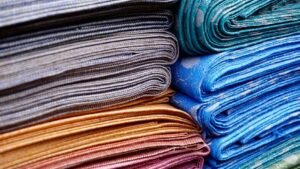
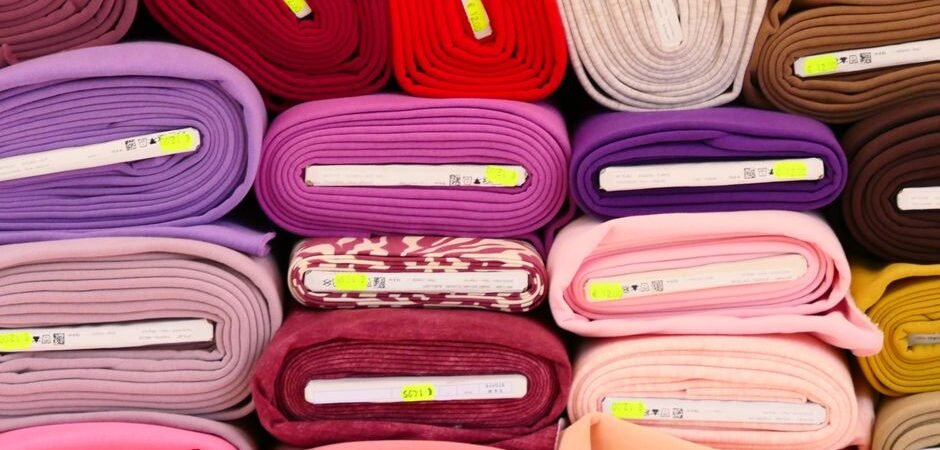
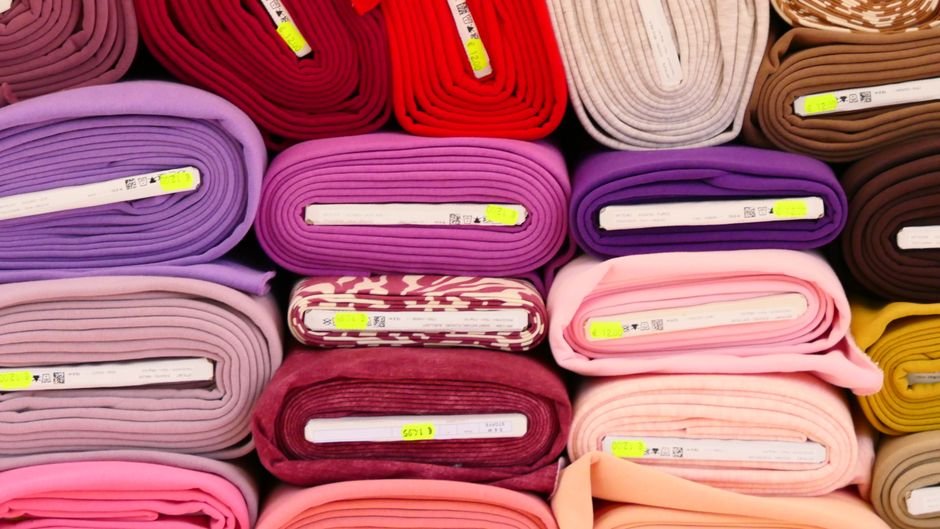
Weight and weave differences within the broad category of “cotton fabric” matter more than shoppers sometimes realize when standing in front of a wall of visually similar bolts. Standard quilting-weight cotton sits in a specific middle ground, lighter than home decor weight cotton but noticeably sturdier than lightweight options like lawn or voile that drape too softly for reliable piecing across small pieces. Weave tightness also affects how a fabric behaves once cut, with a tighter weave generally resisting fraying better along raw edges during handling, cutting, and the repeated pressing every quilt top demands throughout construction. Learning to feel the difference between these weight categories by touch, rather than relying entirely on labels that aren’t always present on every bolt, becomes a genuinely useful skill the more fabric you handle over time and across more completed projects. Rubbing a corner of fabric gently between your fingers and gauging how much it wants to fray tells you a surprising amount before you’ve even measured or cut anything from the bolt.
Matching Fabric Weight To Your Pattern
Matching fabric weight to your specific pattern makes a real difference in how the finished quilt looks and behaves once it’s off your sewing table and in actual everyday use. A traditional pieced pattern with many small units generally calls for standard quilting-weight cotton, since it holds a crisp seam without adding unnecessary bulk at busy seam intersections where several pieces meet at once during assembly. A pattern using larger, simpler pieces has a bit more flexibility to incorporate slightly heavier home decor weight cotton for a specific design element, like a durable border or a bag-style project component, without causing piecing problems elsewhere in the quilt’s overall construction. When in doubt, sticking with standard quilting weight throughout an entire project is the safest choice, since mixing noticeably different weights within the same pieced blocks can create uneven bulk at the seams that’s difficult to press flat later.
Mixing Prints, Solids, And Blenders
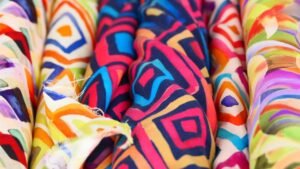
Mixing prints, solids, and blender fabrics thoughtfully is often what separates a visually cohesive quilt from one that feels chaotic or mismatched once every fabric is finally sewn together into a finished top. A common and reliable approach involves selecting one or two focal prints that anchor the overall color palette, then filling out the rest of the design with coordinating solids and smaller-scale blender prints that support rather than compete with the focal fabric for visual attention. Stepping back periodically during the fabric selection process, squinting slightly to blur the details, helps you judge overall balance the way the finished quilt will actually read from across a room rather than up close on a cutting table under bright lighting. Laying candidate fabrics out together in daylight, rather than under a shop’s artificial lighting alone, also helps you judge how the colors will actually look once the quilt is finished and in use at home in natural light.
Estimating Yardage Before You Shop
Estimating yardage accurately before you shop prevents both the frustration of running short mid-project and the waste of buying significantly more fabric than you’ll ever actually use for that specific quilt. Most published patterns include specific yardage requirements per fabric, but adding a modest cushion of an extra quarter to half yard per fabric covers cutting mistakes, pattern-matching adjustments, and the general reality that cutting rarely goes exactly according to plan on the very first attempt through a pattern. This small cushion is inexpensive insurance against the far more frustrating alternative of a fabric shop no longer carrying the exact print you need for a follow-up shopping trip weeks later after your first cut runs short. For scrap-heavy or improvisational designs without a formal pattern, rounding your rough estimate up generously is worth the modest extra cost involved.
Prewashing And Prepping Cotton Fabric
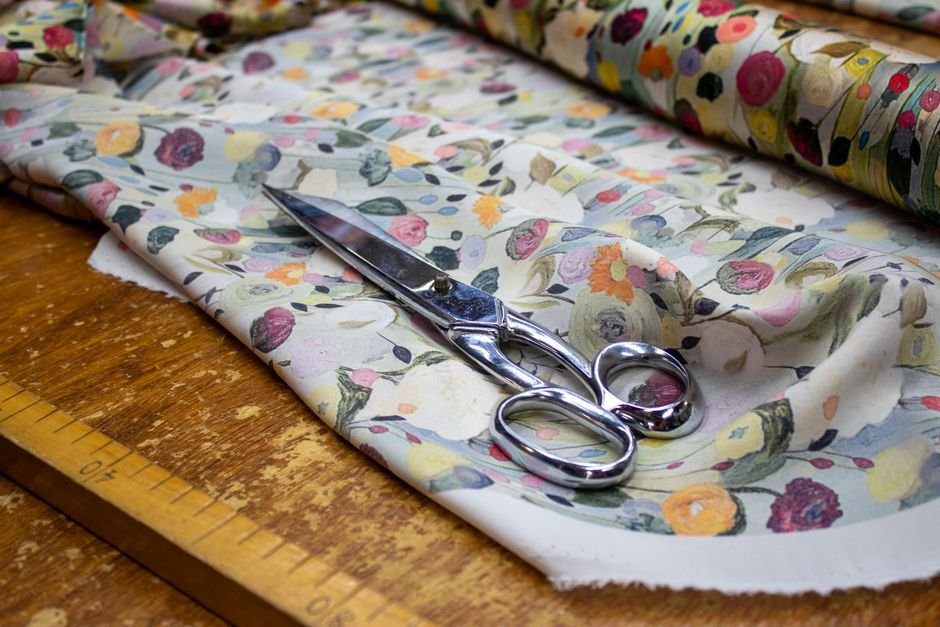
Prepping cotton fabric properly before cutting sets up everything that follows for noticeably better results down the line, from the very first cut to the final binding stitch. Many quilters choose to prewash their fabric to remove excess dye and preshrink it before it becomes part of a finished quilt, though this is genuinely a matter of personal preference and pattern instructions rather than a universal rule every quilter follows the same way across every project. Pressing fabric completely flat, and squaring it up along the grain line before your first cut, both help ensure pieces come out accurate and your finished blocks lie flat once assembled, rather than developing the subtle waviness that comes from cutting off-grain fabric without realizing it until much later in the project. Taking the extra few minutes to square up a fresh piece of fabric before your very first cut of a project pays for itself many times over across the rest of the cutting session that follows. Keeping your rotary blade fresh and sharp throughout the cutting process matters just as much as fabric prep, since a dull blade drags and distorts fabric in ways that undo even the most careful pressing and squaring beforehand. Replacing a blade at the first sign of skipped threads or ragged edges, rather than pushing it well past its useful life, protects both your accuracy and your fabric investment across the whole project. A dedicated cutting mat kept flat and away from heat also holds its surface longer, which in turn helps your blade last through more cutting sessions before it needs replacing. Small, consistent habits like these add up to noticeably cleaner cuts across an entire project from the very first strip to the last.
Ready to shop with confidence for your next quilt? Browse our Fabric Types and Guides for more buying tips, or explore our Fabric collection to see what’s currently available.
Frequently Asked Questions
Why is cotton still the standard fabric for quilting?
Cotton presses crisply, holds a seam well, is widely available in countless prints, and is forgiving to work with for both hand and machine piecing.
How do I know how much yardage to buy?
Most patterns list required yardage per fabric, but adding an extra quarter to half yard per fabric covers cutting mistakes and pattern-matching needs.
How should I mix prints, solids, and blenders?
A common approach is picking one or two focal prints, then filling out the rest of the quilt with coordinating solids and smaller-scale blender prints.
Should I prewash quilt cotton before cutting?
Many quilters prewash to prevent future shrinkage and remove excess dye, though it can slightly change the fabric’s hand, so test on a scrap first if unsure.
What weight of cotton works best for piecing?
Standard quilting-weight cotton, generally lighter than home decor cotton but sturdier than lawn or voile, works best for most traditional pieced quilt patterns.
This article is intended for general educational and informational purposes only, based on common quilting practices. Yardage needs vary by pattern and personal cutting style. Bee’s Quilt Shop shares this guide as part of our ongoing library of quilting and sewing resources.