Quick answer: Quilted cotton is a pre-quilted fabric made by stitching a cotton top layer to thin batting, and sometimes a backing, so it arrives already layered and padded. It’s different from quilting cotton, which is a weight of plain woven cotton used for piecing, and it’s popular for jackets, bags, placemats, and baby accessories.
Quilted cotton is one of those fabrics that sounds like quilting cotton but is actually something quite different. Shoppers often mix up the two, and that confusion can lead to buying the wrong fabric for a project. Once you understand what pre-quilted fabric is and how it behaves, it opens up a world of quick, cozy projects that would take much longer if you had to layer and quilt everything yourself.
This guide explains what quilted cotton fabric is, clears up the naming confusion with quilting cotton, and suggests common uses. We’ll share sewing tips for working with pre-quilted fabric, explain how to finish raw edges neatly, and cover something many guides skip: the difference between single-faced and double-faced quilted cotton, which affects what you can make. We’ll finish with care tips. At Bee’s Quilt Shop, pre-quilted fabric was a favorite for quick gifts and practical projects, and it always sparked questions about how it differs from regular quilting fabric.
What Quilted Cotton Fabric Is
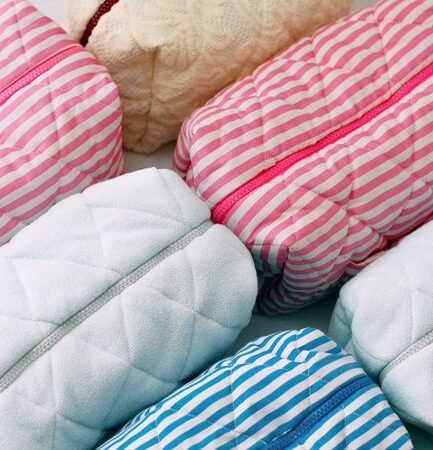
Quilted cotton fabric is a layered fabric that comes already quilted. A cotton top fabric is stitched to a thin layer of batting, and often to a backing fabric as well, in a repeating pattern such as diamonds, channels, or a decorative design. The result is a padded, stable fabric with built-in texture.
Because the layering and quilting are already done, you can cut and sew it like a single fabric, skipping the steps of basting and quilting your own sandwich. That makes it a big time saver for projects that need padding or insulation. The batting adds warmth and structure, while the quilting holds everything together and adds visual interest. Pre-quilted fabric comes in solids and prints and is sold by the yard like other fabrics, usually in standard widths. Its thickness varies, so some versions are thin and flexible while others are puffy and stiff. Checking the thickness before buying helps you match it to your project. Many sewists keep a little on hand for quick projects, since a yard or two can become several small gifts in an afternoon. It’s also a handy way to try quilted textures before committing to quilting a large piece of fabric yourself.
Quilted Cotton Vs Quilting Cotton
The names are close, but quilted cotton and quilting cotton are very different. Quilting cotton is a plain-woven, medium-weight cotton fabric, the kind you buy by the yard and cut into pieces for patchwork. It’s a single layer, smooth and crisp, and it’s the standard fabric for quilt tops and many sewing projects. Our guide to 100% cotton fabric for quilting covers it in detail.
Quilted cotton, on the other hand, is a finished, layered fabric. It already contains batting and stitching, so it’s thicker, padded, and textured. You wouldn’t piece it into a patchwork quilt top, because it’s too bulky. Instead, you’d use it whole for projects that need padding. If a pattern calls for quilting cotton and you buy quilted cotton, it won’t work the way you expect, and the reverse is also true. When shopping, check the product description for words like pre-quilted, double-faced, or padded, which indicate the layered version. If you’re buying in person, the difference is obvious the moment you pick up the bolt, since quilted cotton is noticeably thicker and softer.
Common Uses For Quilted Cotton
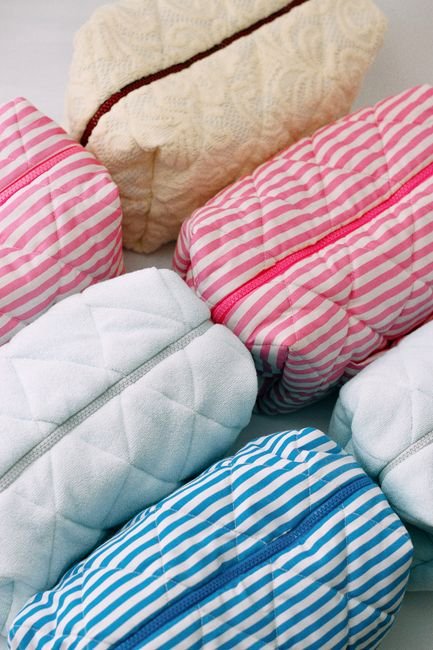
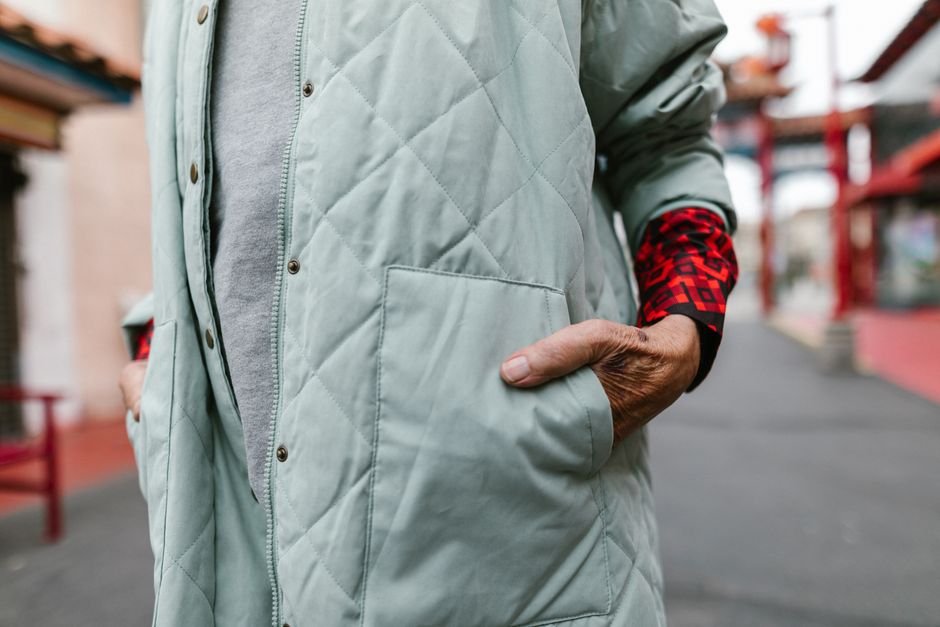
Quilted cotton is popular for projects that benefit from padding, structure, or warmth. Jackets and vests are a common choice, especially the trendy quilted coats many sewists love. The fabric gives them body and warmth without needing a separate lining in some designs. Bags and totes are another favorite, since the padding gives them shape and protects their contents.
Around the house, quilted cotton works well for placemats, table runners, pot holders, and appliance covers. For pot holders and anything that touches heat, check the fabric’s fiber content and consider adding a heat-resistant layer, since some battings aren’t designed for heat. Baby accessories like bibs, changing pads, and car seat canopies are also popular, as the padding adds comfort. Other ideas include pouches, laptop sleeves, pet beds, and sewing machine covers. Because quilted cotton is ready to use, it’s great for quick gifts. Think about the project’s needs, such as warmth, structure, or softness, and choose a thickness that matches.
Sewing Tips For Working With Pre-Quilted Fabric
Sewing pre-quilted fabric is a little different from sewing single-layer cotton. Start with the right needle. Many sewists use a universal needle in a medium to larger size, such as a 90/14, to get through the layers without skipped stitches. A fresh needle helps, since dull needles struggle with thickness.
A walking foot is very helpful because it feeds the top and bottom layers evenly, preventing the fabric from shifting or stretching. Increase your stitch length slightly, since short stitches can make thick fabric pucker. Thickness at seams is the biggest challenge. Where several layers meet, the seam can become bulky. Trimming batting out of the seam allowance, pressing seams open, or using a seam finish that flattens the bulk all help. Some sewists cut fabric slightly larger than needed and trim after sewing, since quilted fabric can shift during cutting. Test your settings on a scrap first so you can adjust needle, stitch length, and tension before sewing your actual project.
Finishing Raw Edges Neatly
Raw edges of quilted cotton show the batting inside, so they need to be finished neatly. Binding is the most common approach. Bias binding or a double-fold binding wraps around the edge, enclosing the layers for a clean, durable finish. This works well for placemats, bags, and garments. Our guide to bias binding covers this technique.
Other options depend on the project. For seams inside a garment or bag, many sewists finish edges with a zigzag stitch or serger to prevent fraying, then press them flat. For a lined project, the raw edges can be enclosed by the lining. Some sewists trim the batting back slightly from the edge before binding to reduce bulk. Whatever method you choose, aim for a finish that encloses the batting completely so it doesn’t fray or migrate over time. Keeping it simple and consistent usually gives the neatest result, especially on a first quilted cotton project.
Single-Faced Vs Double-Faced Quilted Cotton
Here’s a detail many guides skip: quilted cotton comes in single-faced and double-faced versions. Single-faced quilted fabric has a printed or solid cotton top, batting, and a plain or thin backing, sometimes a lightweight scrim or muslin. The back isn’t meant to be seen, so it usually needs a lining for projects where the inside shows.
Double-faced quilted cotton has a finished fabric on both sides, often coordinating prints or a print with a solid. It’s reversible, so you can make projects like placemats, reversible vests, or unlined bags without adding a lining. That saves time and fabric. When buying, check the description or look at both sides of the fabric to see which type you’re getting. Double-faced is often more versatile, while single-faced may be lighter or less expensive depending on the source. Knowing the difference before you buy helps you plan whether your project needs a lining and how much fabric you’ll need overall.
Caring For Projects Made With Quilted Cotton
Caring for projects made with quilted cotton is usually straightforward, but it helps to follow a few general guidelines. Check the fabric’s care instructions when you buy it, since fiber content and batting type affect washing. Many quilted cottons can be machine washed in cool or warm water on a gentle cycle, then tumble dried on low or laid flat to dry.
Prewashing the fabric before sewing can help, since the cotton and batting may shrink slightly, and shrinkage after sewing could affect fit, especially for garments. Some sewists prefer to wash and dry the fabric once before cutting. Avoid high heat, which can shrink cotton more and may affect some battings. Press gently on the cotton side with a moderate iron, avoiding too much pressure that could flatten the quilting texture. With a little care, projects made from quilted cotton can stay soft, padded, and attractive through many washes and years of use.
Pre-quilted fabric makes cozy projects quick and fun, and Bee’s Quilt Shop has more guides to help. Explore our Fabric Types and Guides section, read about making a quilt jacket, or browse the Cotton collection for fabrics to pair with your projects.
Frequently Asked Questions
What is quilted cotton fabric?
Quilted cotton is a pre-quilted fabric with a cotton top stitched to thin batting and sometimes a backing. It arrives padded and ready to cut and sew.
Is quilted cotton the same as quilting cotton?
No, quilting cotton is a single layer of plain woven cotton used for piecing, while quilted cotton is already layered and padded. They’re used for very different projects.
What needle should I use for quilted fabric?
Many sewists use a fresh universal needle in a medium to larger size, such as a 90/14, to get through the layers. Test on a scrap to check for skipped stitches.
Do I need to line a quilted cotton project?
It depends on whether the fabric is single-faced or double-faced. Double-faced quilted cotton is reversible, so many projects don’t need a lining.
How do I finish the edges of pre-quilted fabric?
Binding is the most common finish, wrapping the edge to enclose the batting. Bee’s Quilt Shop always suggested bias binding for curved edges, since it bends smoothly around corners.
This article is intended for general educational and informational purposes only and reflects common sewing practices. Fabric construction, fiber content, and care vary by manufacturer, and results vary by skill level, fabric, and equipment. Bee’s Quilt Shop shares this guide as part of our ongoing library of quilting and sewing resources.