Quick answer: A quilt jacket is a wearable garment built from quilted fabric, either pieced fresh for the project or cut from an existing quilt, giving quilting technique a genuinely wearable, everyday form. Choosing a lower loft batting and a boxy, unstructured silhouette makes the transition from flat quilting to garment construction considerably more manageable for a first attempt.
A quilt jacket takes the warmth and texture of a quilted piece and turns it into a genuinely wearable garment, and it’s become one of the more exciting crossover projects between quilting and garment sewing in recent years. Whether you’re piecing a jacket from scratch using quilting techniques or repurposing an existing quilt into new wearable life, this style of project brings together two crafts that don’t always overlap as much as you’d expect. This guide covers what a quilt jacket actually is, the two main approaches to making one, choosing a pattern for your skill level, fabric and batting considerations specific to garments, managing bulky seams, and caring for a finished piece. Bee’s Quilt Shop has seen quilt jacket interest grow steadily, and the short version is that this project rewards quilters willing to think a bit differently about construction than they’re used to with flat quilts. Once the basic bulk-management habits click, the rest of the process leans heavily on garment construction skills you can absolutely pick up along the way even without a deep sewing background.
What A Quilt Jacket Is
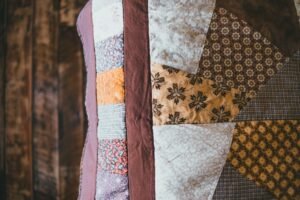
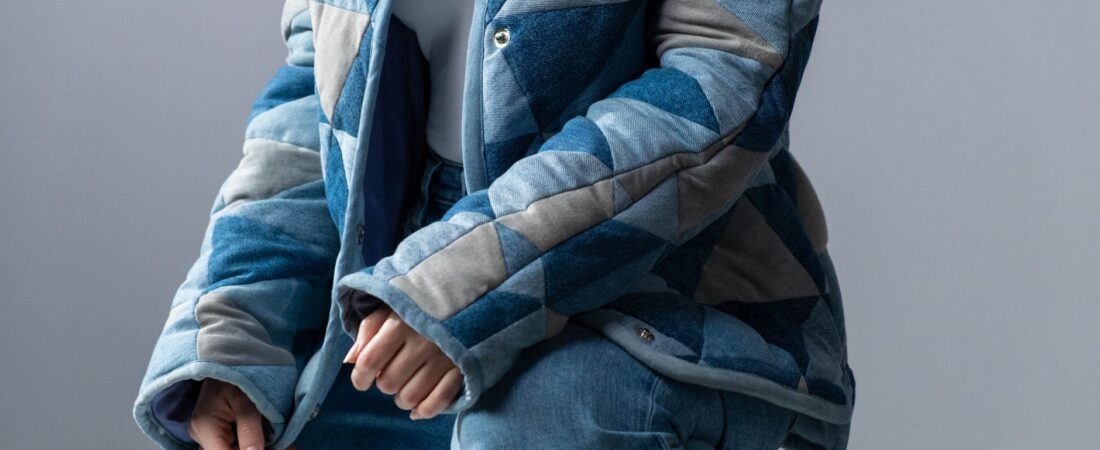
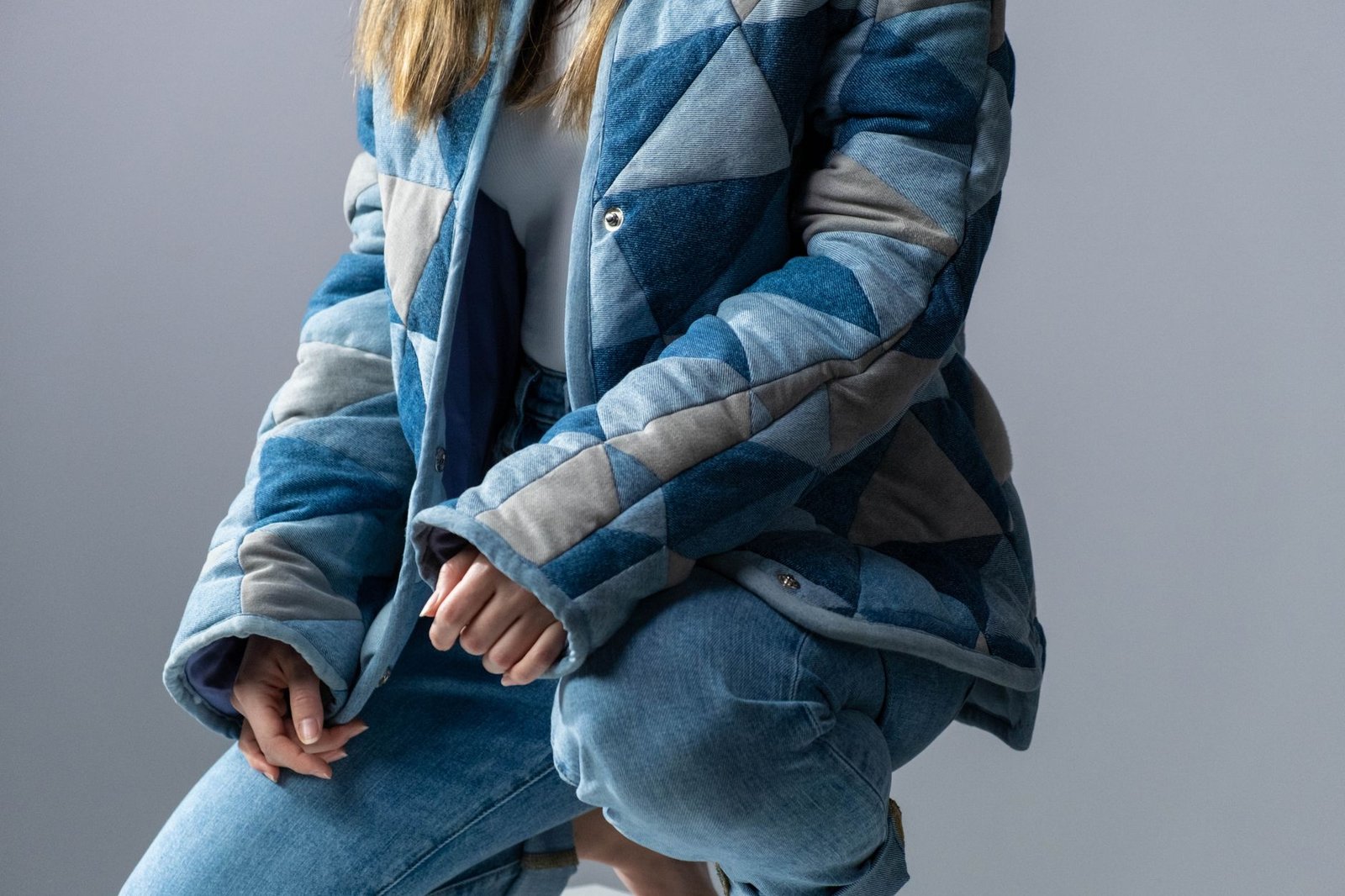
A quilt jacket is a garment, typically a lightweight coat or jacket style, constructed from quilted fabric, meaning fabric with a top layer, batting, and backing already sewn together with quilting stitches before being cut and sewn into a wearable shape. This differs meaningfully from a standard garment, which is built from single-layer fabric without any quilted structure, and it also differs from simply adding a quilted lining, since a true quilt jacket’s outer visible fabric itself carries the quilted texture and stitching as a visible design feature. The quilted construction gives these jackets a distinctive look and genuine warmth that a standard lined jacket doesn’t quite replicate, along with a soft, substantial hand that feels noticeably different to wear than a typical outerwear piece. Quilt jackets have become particularly popular as a way to showcase favorite fabric combinations or a personal color palette in a wearable, everyday form, rather than confining that creative expression to a quilt that mostly stays folded on a shelf or bed.
Making A Quilt Jacket From Scratch Vs Repurposing A Quilt
There are two genuinely distinct approaches to making a quilt jacket, and picking between them shapes the entire project from the start. Making a jacket from scratch involves piecing or quilting your own fabric specifically sized and shaped for the jacket pattern, giving complete control over color placement, block design, and overall look, tailored precisely to the garment’s pattern pieces. Repurposing an existing quilt, whether a vintage piece found secondhand or a quilt with sentimental value, means cutting jacket pattern pieces directly from the quilt’s existing surface, which requires planning pattern piece placement carefully around the quilt’s existing block layout and any areas of wear or damage. Repurposing tends to appeal more to sewists drawn to a specific vintage aesthetic or working with a meaningful existing quilt, while building from scratch gives more design control for someone with a specific new look in mind, and neither approach is inherently better, they simply serve different starting points and goals. A third middle-ground option worth mentioning too, piecing new blocks specifically designed to coordinate with a few salvaged sections from an older, damaged quilt, blends both approaches for sewists who want to preserve a meaningful piece without being limited entirely by its existing layout.
Choosing A Pattern For Your Quilt Jacket
Choosing a pattern for your first quilt jacket comes down to honestly assessing garment sewing complexity, since even simple-looking quilt jacket patterns involve genuine garment construction skills that pure quilting doesn’t require. A boxy, relatively unstructured jacket silhouette, without darts, set-in sleeves, or a fitted waist, is considerably more forgiving for a first attempt than a tailored, fitted style, since simpler silhouettes are more tolerant of the bulk that quilted fabric inevitably adds to a garment. Checking whether a pattern was specifically designed for quilted or heavier fabric, rather than a standard garment pattern not accounting for that extra bulk, matters quite a bit too, since patterns designed for quilted fabric typically build in a bit of extra ease to accommodate the thickness. For quilters newer to garment construction generally, starting with a simplified vest or a cropped, boxy jacket style offers a genuinely more approachable entry point than a full-length, more tailored coat.
Fabric And Batting Considerations For Wearable Quilting
Fabric and batting choices for a wearable quilt jacket differ somewhat from what works well in a flat bed quilt, since drape and weight now matter in a way they simply don’t for something that just lies on a bed. A lower loft batting is almost always the better choice for garments, since a high loft batting designed for warmth and puffiness on a bed quilt adds excessive bulk and stiffness to a wearable piece, making it harder to move comfortably in and more difficult to sew through cleanly. Cotton batting tends to drape more naturally for garment use than some higher-loft polyester options, though a thin, garment-specific batting, sometimes marketed specifically for quilted clothing, is worth seeking out since it’s engineered with wearability in mind rather than bedding. Lighter weight quilting cotton for the jacket’s outer fabric, rather than a heavier home decor weight cotton, also keeps the finished garment more comfortable and less stiff to actually wear throughout a day.
Sewing Tips For Bulky Seams
Managing the extra seam bulk that comes with sewing quilted fabric into a garment is one of the more genuinely new skills quilt jacket construction demands compared to flat quilting. Trimming seam allowances down slightly narrower than a pattern’s stated allowance, once a seam is sewn and pressed, reduces some of the bulk that would otherwise build up, especially at points where multiple seams intersect. Grading seam allowances, trimming each layer within a seam to a slightly different width rather than cutting them all to the same length, helps seams lie flatter by preventing a sharp, stacked edge from showing through on the garment’s outer surface. Pressing seams open rather than to one side, where the pattern allows it, generally reduces visible bulk more effectively for quilted fabric specifically, since pressing to one side stacks multiple thick layers together rather than distributing that thickness across both sides of the seam.
Styling And Caring For A Finished Quilt Jacket
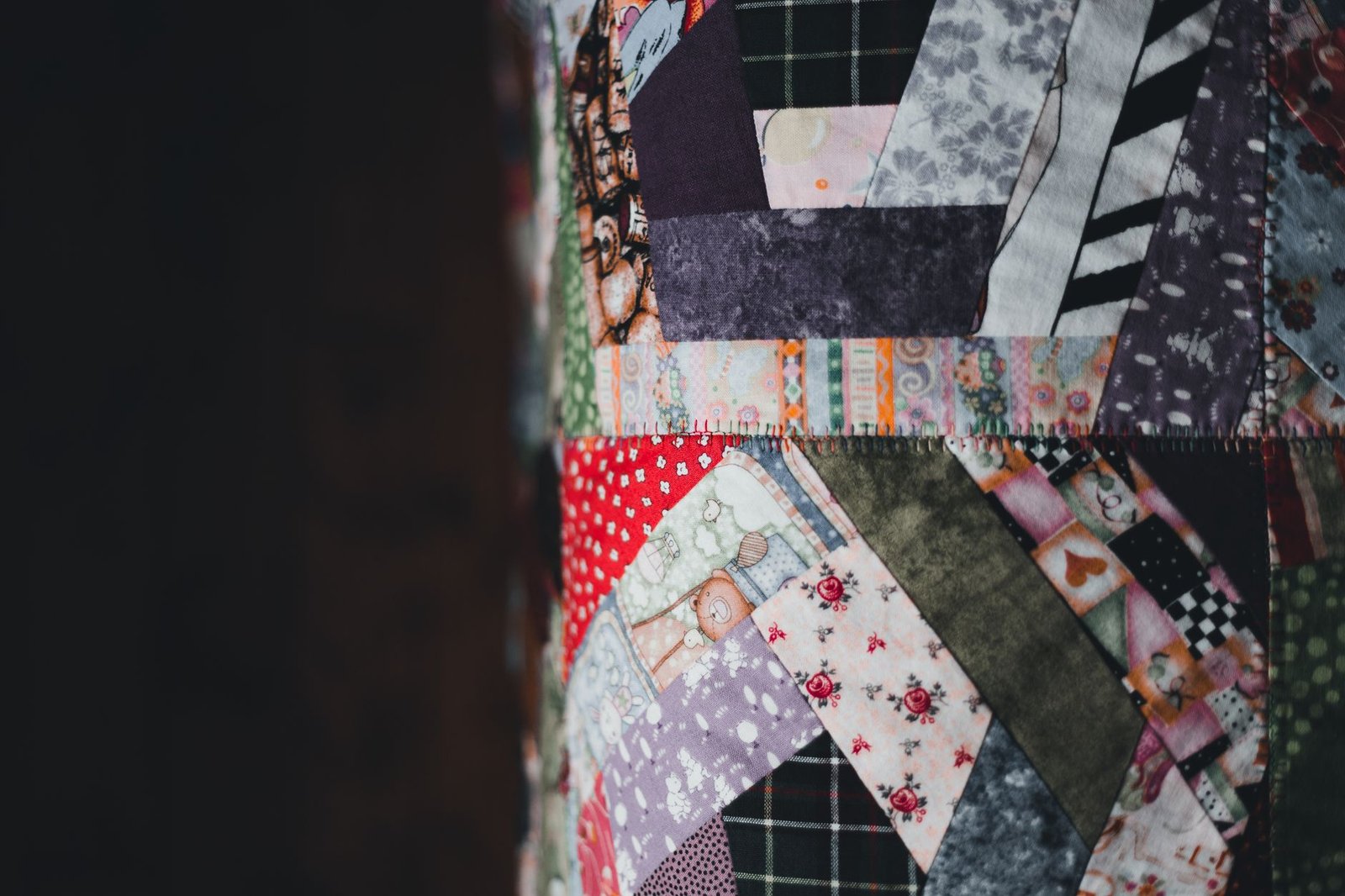
Caring for a finished quilt jacket comes down to gentle, quilt-appropriate washing and thoughtful everyday wear, since it’s a genuinely more delicate garment than typical ready-to-wear outerwear. Hand washing or using a gentle cycle with cold water helps preserve both the quilted stitching and the fabric’s color over repeated wears, and air drying flat rather than machine drying prevents the kind of shrinkage or distortion that can throw off a carefully fitted garment. Styling a quilt jacket is genuinely part of its appeal, since the piece tends to work as a statement layer on its own, and many wearers find it pairs best with simpler, more neutral pieces underneath, letting the jacket’s pieced or quilted design stay the clear visual focal point of an outfit rather than competing with other bold patterns. Saving leftover batting and fabric scraps specifically for future jacket-scale projects is worth considering too, since a quilt jacket rarely needs anywhere near the yardage a full bed quilt requires, and a well-stocked scrap bin often turns out to hold everything a next jacket needs. Even scraps too small for a bed quilt border or block often work perfectly well pieced into a jacket’s sleeve or collar section, giving otherwise-unusable fabric a genuinely satisfying second life. Sketching a rough color layout on paper before cutting into precious scraps also helps avoid an uneven distribution of favorite fabrics across the finished garment, so the most meaningful pieces end up somewhere visible rather than buried in a seam allowance. That small bit of planning tends to make a scrap-based jacket feel far more intentional than one pieced together at random, and it turns a purely practical fabric-saving exercise into something that feels much closer to a genuine keepsake worth wearing.
Ready to start your own quilt jacket? Browse our Fabric Guides here at Bee’s Quilt Shop for more garment sewing advice, and check out our batting guide to choose the right loft for a wearable piece. Explore more Quilt Patterns & Blocks guides on the blog, or browse our Patterns collection to see what is currently available.
Frequently Asked Questions
What is the difference between building a quilt jacket from scratch and repurposing a quilt?
Building from scratch gives complete control over color placement and design, tailored precisely to the jacket’s pattern pieces. Repurposing an existing quilt means cutting pattern pieces around the quilt’s existing block layout, which appeals more to sewists working with a meaningful vintage piece.
What batting should I use for a quilt jacket?
A lower loft batting is almost always the better choice for garments, since a high loft batting designed for bed quilts adds excessive bulk and stiffness that makes the jacket harder to move in and sew through cleanly.
How do I reduce bulk at quilt jacket seams?
Trimming seam allowances down slightly narrower than the pattern’s stated allowance and grading seam layers to different widths both help seams lie flatter. Pressing seams open, where the pattern allows it, generally reduces visible bulk more effectively than pressing to one side.
What pattern style is easiest for a first quilt jacket?
A boxy, relatively unstructured jacket silhouette without darts, set-in sleeves, or a fitted waist is considerably more forgiving for a first attempt than a tailored style, since simpler silhouettes tolerate the extra bulk quilted fabric adds.
How do I wash a finished quilt jacket?
Hand washing or using a gentle cycle with cold water helps preserve both the quilted stitching and the fabric’s color. At Bee’s Quilt Shop, we recommend air drying flat rather than machine drying to prevent shrinkage or distortion in a carefully fitted garment.
This article is intended for general educational and informational purposes only, based on common garment sewing and quilting practices. Results vary by pattern, fabric, and batting choice, so checking your specific pattern’s instructions is always recommended. Bee’s Quilt Shop shares this guide as part of our ongoing library of quilting and sewing resources.