Quick answer: Light green plaid pairs plaid’s classic crossed-stripe woven pattern with a soft, pale green base, reading as fresher and more contemporary than traditional darker plaid. It suits spring garments, home decor, and farmhouse-style quilting.
Light green plaid brings a fresh, versatile take on a classic woven pattern, softening the bold, often heavy look traditional plaid can carry into something that reads as clean, contemporary, and genuinely easy to work into a wide range of projects. Whether you’re drawn to it for a spring garment, a farmhouse-style quilt, or simple home decor, this particular color and pattern combination offers real versatility without sacrificing plaid’s distinctive, structured visual interest. This guide covers what actually defines a light green plaid, the common variations you’re likely to encounter while shopping, the best uses for this fabric across garment, decor, and quilting applications, how to pair it thoughtfully with other fabrics, the seasons and contexts where it shines, and how to care for it properly once a project is finished. Whether you’re new to working with plaid or simply exploring this specific lighter, greener colorway for the first time, this guide covers the practical basics. At Bee’s Quilt Shop, plaid remains a steady favorite across garment sewing and quilting alike, and lighter, fresher colorways like this one see real interest heading into spring. It’s a pattern that seems to appeal across generations too, showing up equally often in requests from quilters working on classic farmhouse-style projects and sewists chasing a more current, fashion-forward garment look.
What Defines A Light Green Plaid
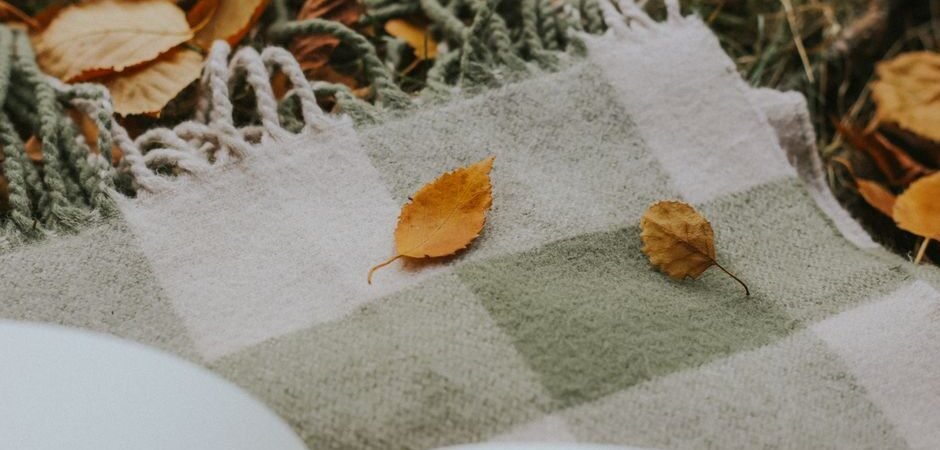
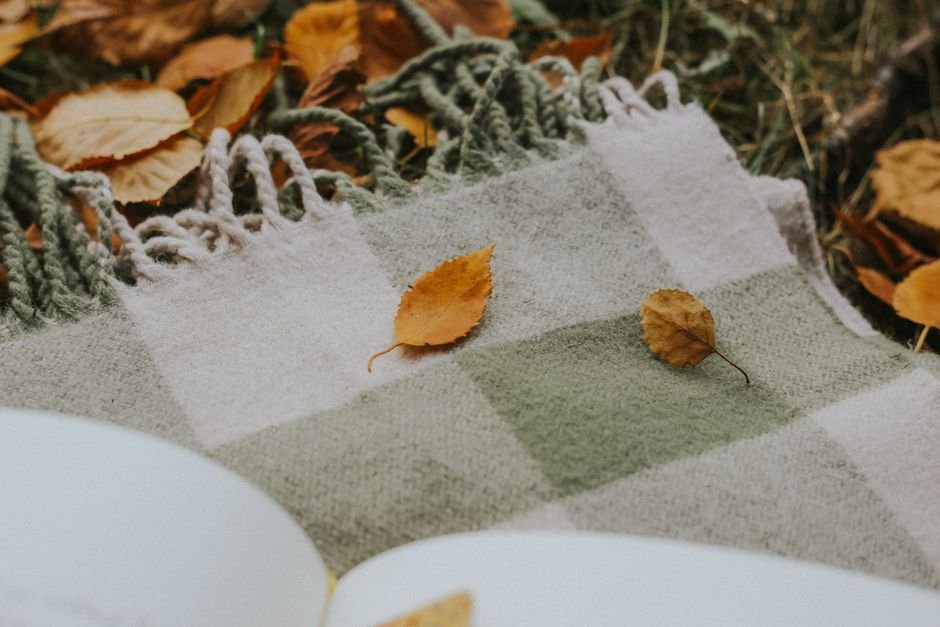
A light green plaid is defined by combining plaid’s characteristic crossed-stripe woven pattern with a soft, pale green base color rather than the deeper hunter or forest greens more commonly associated with traditional plaid, or the reds and blues of classic tartan styles. Structurally, plaid involves multiple stripes of varying widths and often multiple colors woven in both directions, crossing to create a grid of rectangles rather than the simpler, more uniform squares found in gingham. The lighter green base gives this particular plaid a fresher, softer overall impression compared to the deep, saturated tones often associated with traditional Scottish tartan patterns, making it read as more contemporary and versatile for a broader range of projects and settings than heavier, more formal plaid typically suits. The lighter base also tends to photograph and display beautifully in bright, naturally lit spaces, which is part of why this colorway shows up so often in home decor mood boards and styled photo shoots aimed at a fresh, airy aesthetic.
Common Light Green Plaid Variations
Light green plaid comes in a few common variations worth knowing about while shopping, since the specific style within this general colorway affects both look and best use considerably. Tartan-style versions follow the traditional multi-stripe, multi-width woven pattern associated with classic plaid, just executed in this lighter, fresher green palette rather than traditional darker tones. Buffalo check, featuring bold, evenly sized squares in just two contrasting colors, offers a simpler, more graphic take on plaid that happens to work beautifully in a light green and white or cream combination for a clean, modern look. Tonal plaid, where the entire pattern is worked in various shades of green rather than contrasting with a second distinct color, produces a much more subtle, textural effect that reads almost as a solid from a distance while still offering pattern interest up close. Each variation suits a somewhat different aesthetic, so it’s worth considering which specific look you’re after before settling on a particular light green plaid fabric. Windowpane plaid, featuring a simple, widely spaced grid of thin lines against a solid ground, offers yet another variation worth knowing about, delivering the softest, most understated take on the pattern for anyone who wants just a hint of plaid structure without much visual boldness at all.
Best Uses For Light Green Plaid
This versatile fabric suits an impressively wide range of uses across garment sewing, home decor, and quilting. In garment sewing, light green plaid works beautifully for shirts, dresses, and lighter-weight spring or summer jackets, where the fresh color keeps the traditionally heavier-feeling plaid pattern appropriate for warmer weather wear. Home decor applications, including curtains, table linens, and pillow covers, take advantage of the color’s versatility, since light green pairs easily with both traditional and more modern interior styles without clashing the way a bolder plaid colorway sometimes can. Even a single accent pillow or table runner in this fabric can noticeably freshen up a room without requiring a full redecorating commitment, which is part of why it’s such a popular choice for smaller seasonal decor refreshes. In quilting, this fabric works well as a background or sashing option in farmhouse-style or cottage-inspired projects, letting busier focal prints stand out while still contributing genuine pattern interest of its own rather than disappearing into a plain solid. Quilters working on nature or garden-themed projects also frequently reach for this colorway specifically, since the fresh green tone naturally complements floral and leaf motifs without needing to match them exactly. Even simple accessories, like tote bags, zippered pouches, or fabric-covered notebooks, benefit from this fabric’s approachable, everyday versatility, giving a small project real personality without requiring much yardage at all.
Pairing Light Green Plaid With Other Fabrics
Pairing light green plaid with other fabrics is refreshingly straightforward given how versatile this particular colorway tends to be. Cream and white solids provide clean, classic contrast that lets the plaid pattern remain clearly visible without competing elements pulling focus. Other soft, muted colors, including blush pink, soft yellow, or pale blue, coordinate beautifully with light green for a gentle, spring-appropriate palette that feels cohesive without being matchy. For quilters and sewists wanting a bit more contrast, pairing light green plaid with a deeper solid green from the same general color family creates visual interest while staying within a single cohesive color story rather than introducing a completely unrelated accent color. Natural, unbleached linen also pairs surprisingly well with this fabric, lending a relaxed, organic texture that echoes the fresh, outdoorsy feeling the green tone already carries on its own.
Seasonal Uses For Light Green Plaid
While light green plaid carries an obvious association with spring given its fresh, bright coloring, it’s genuinely versatile enough to work well across a broader range of everyday and seasonal projects too. Spring and early summer projects are an obvious natural fit, from garden-party table linens to lightweight spring garments that benefit from the color’s inherently fresh, seasonal feel. Beyond specifically spring-themed uses, light green plaid also works well as a year-round neutral-adjacent choice for anyone who simply loves the color and pattern combination regardless of season, since its softer tone reads as more versatile and less overtly seasonal than a brighter or more saturated green plaid might. It also holds up well in transitional pieces meant to move between seasons, such as a lightweight jacket or a quilt kept out year-round rather than swapped seasonally with the household’s other linens.
Caring For Light Green Plaid Fabric
Caring for light green plaid fabric properly helps preserve both its color and its crisp woven texture over years of use. Washing in cool to warm water rather than hot water helps protect the lighter green dye from gradually fading or dulling with repeated laundering, which matters especially for a paler colorway where any fading tends to show more noticeably than it would on a darker fabric. A hot iron generally works well on plaid’s typically cotton or cotton-blend weave, helping it hold a crisp, tailored look, though starting with a slightly lower heat setting is a reasonable precaution for any new fabric until you’ve confirmed how a specific bolt responds. Line drying or a lower dryer heat setting also tends to be gentler on the weave over the long run, helping this fresh, versatile plaid stay looking clean and vibrant through many seasons of use. Storing finished pieces folded loosely rather than tightly, and away from direct sunlight, similarly helps preserve both the crisp weave and the fresh green coloring between uses. Refolding stored items along slightly different lines every so often also helps prevent the same crease from setting permanently into the fabric over months or years of storage.
Ready to start a fresh spring sewing project? Explore our Fabric Types and Guides library here at Bee’s Quilt Shop for more fabric-specific advice, and browse our current fabric collection to see what’s in stock right now. Explore more Fabric Types & Guides guides on the blog, or browse our Fabric collection to see what is currently available.
Frequently Asked Questions
What makes a plaid count as light green specifically?
It’s plaid’s characteristic crossed-stripe woven pattern combined with a soft, pale green base color rather than deeper hunter or forest greens. This lighter base gives it a fresher, more contemporary overall impression.
What variations of light green plaid are commonly available?
Tartan-style versions follow the traditional multi-stripe pattern, buffalo check offers bold, evenly sized squares, and tonal plaid uses various shades of green for a more subtle textural effect. Each suits a different aesthetic.
What projects work best with light green plaid?
Spring garments, home decor like curtains and table linens, and farmhouse or cottage-style quilting backgrounds all take advantage of this fabric’s fresh, versatile color. It pairs easily with many interior styles too.
What colors pair well with light green plaid?
Cream and white solids provide classic contrast, while soft blush pink, yellow, or pale blue coordinate for a gentle, spring-appropriate palette. A deeper green from the same family also adds interest while staying cohesive.
How do I care for light green plaid fabric?
Washing in cool to warm water rather than hot helps protect the lighter dye from fading with repeated laundering. Bee’s Quilt Shop suggests a slightly lower iron heat setting until you’ve confirmed how a specific bolt responds.
This article is intended for general educational and informational purposes only, based on common sewing and quilting practices. Results vary by fabric weight, project type, and care routine, so testing a small swatch first is always a good idea. Bee’s Quilt Shop shares this guide as part of our ongoing library of quilting and sewing resources.