Quick answer: Quilters Dream Batting is a well-known batting brand offering multiple lofts and fiber blends, from low-loft cotton for machine quilting to high-loft poly for tied comforters. Choosing the right one depends on your project type and desired finished drape.
Quilters Dream Batting has built a strong reputation among both home sewists and professional long-arm quilters, largely because of how clearly its product line is organized by loft and fiber content across a genuinely wide catalog. Rather than guessing at a generic “batting” purchase, shoppers can choose specifically based on how much loft, warmth, and drape a project calls for, which takes a lot of the guesswork out of an otherwise confusing shopping decision that can feel surprisingly high-stakes once you consider how much a wrong batting choice can affect a finished quilt’s overall feel and drape for years to come. If you’ve ever stood in front of a wall of batting options unsure which one actually fits your project, understanding how this particular brand organizes its lineup can make future batting purchases, regardless of brand, feel much more approachable and far less like a coin flip made under time pressure. This guide covers what the brand is generally known for, the different loft and fiber combinations available, how request loft compares to poly options, how to choose weight by project type, how it stacks up against other batting brands, and how to store and prep batting properly before basting it into a finished sandwich. At Bee’s Quilt Shop, batting questions come up constantly from quilters planning their first full-size quilt who aren’t sure how loft actually translates into a finished look once the quilt is complete and washed for the first time. Getting this one decision right early tends to save a lot of second-guessing later in the project.
What Quilters Dream Batting Is Known For
This brand is best known for offering a genuinely wide range of loft levels and fiber blends within one consistent, well-labeled product line that makes comparison shopping considerably easier than it would be across several less organized competitors selling similar products. Rather than a single generic batting option, the lineup spans very thin, low-loft battings suited to flat machine quilting all the way up to thicker, high-loft options that create noticeable dimensional texture once quilted and washed a few times over the life of the piece. This range means quilters working on very different project types, from a flat modern quilt meant to hang on a wall to a puffy, cozy comforter meant for snuggling under on a cold night, can find an appropriately matched option within the same trusted brand rather than switching brands based purely on project type and hoping the quality holds up consistently. The labeling itself also tends to be clearer than average, spelling out loft thickness and fiber content directly on the packaging rather than leaving shoppers to guess from a product name alone.
The Different Loft And Fiber Options
The fiber and loft combinations available span cotton, wool, polyester, and blended options, each suited to slightly different finished results and each genuinely worth understanding on its own terms before you buy. Cotton battings tend to offer a flatter, more traditional quilted look with excellent breathability, making them popular for warm-climate quilts or anyone who prefers a classic, slightly crinkled finish after the first few washes, mimicking the antique quilts many quilters grew up admiring in a grandmother’s linen closet. Wool battings offer impressive warmth for their weight along with excellent loft retention over time, resisting the flattening that heavier daily use can cause in lesser materials over just a few seasons. Polyester battings hold their loft more aggressively and resist the flattening that natural fibers can experience with repeated washing, which makes them a popular choice for comforters that see heavy daily use across many years of a household’s life. Blended options, combining two fibers such as cotton and polyester, try to split the difference, offering some of cotton’s traditional drape alongside some of polyester’s loft retention. Understanding which fiber matches your priorities, whether that’s warmth, drape, breathability, or long-term loft retention, narrows the decision considerably before you even start comparing specific individual products side by side.
Request Loft Vs Poly Options Explained
Within these fiber categories, “request loft” style cotton battings and standard poly battings serve genuinely different purposes worth understanding clearly before you commit to buying either one for a specific upcoming project. Request loft cotton battings are typically thinner and denser, designed specifically for machine quilters who want minimal bulk under the needle and a flatter finished drape reminiscent of antique quilts passed down through several generations of a family. Standard poly battings, by contrast, are usually thicker and springier, holding their shape well in tied comforters where dense machine quilting isn’t part of the plan and where loft itself is part of the finished appeal rather than something to minimize. Neither option is universally better, and the right choice really depends on whether your project calls for a flat, densely quilted look or a puffier, less structured finish that emphasizes coziness over crisp, defined stitch texture. Many long-arm quilters keep both types on hand specifically so they can match whichever a given client’s project actually calls for.
Choosing Batting Weight By Project Type
Choosing the right weight ultimately comes down to matching loft to your specific project type rather than picking based on price or shelf availability alone, which is a mistake many first-time buyers make simply because it’s the easiest decision to reach for in the moment. A wall hanging or table runner generally benefits from a thinner, lower-loft batting that won’t add unwanted bulk to a small-scale piece, letting the piecing and quilting design itself remain the clear visual focus rather than the batting underneath it. A bed quilt intended for genuine warmth benefits from a mid to higher loft option, balancing everyday coziness against how easy the finished quilt will be to machine quilt without excessive strain on your machine’s motor and feed dogs. A tied comforter, since it skips dense machine quilting entirely, can handle the highest loft options without worrying about needle strain or excessive bulk under the presser foot, making it the ideal home for the puffiest options in the entire lineup. Even within a single project type, personal preference around how “puffy” a finished quilt should feel is worth factoring in alongside these general guidelines.
How This Batting Compares To Other Brands
Compared to other batting brands on the market, this one is widely regarded for consistency across its product line, which matters more than it might initially seem to a shopper comparing prices alone at first glance. Loft and density can vary noticeably between batches from less consistent manufacturers, which creates unpredictable results when a quilter tries to replicate a technique or finished look from a previous, successful project they were happy with. This consistency is part of why professional long-arm quilters frequently request this specific brand by name for client projects, since predictable behavior under the needle reduces the chances of an unexpected quilting problem partway through a large, expensive project they can’t easily redo without real cost to the client relationship. That reputation for reliability also tends to carry a modest price premium compared to generic, unbranded batting rolls, which most regular buyers consider a fair tradeoff for the predictability it buys them.
Storing And Prepping Batting Before Basting
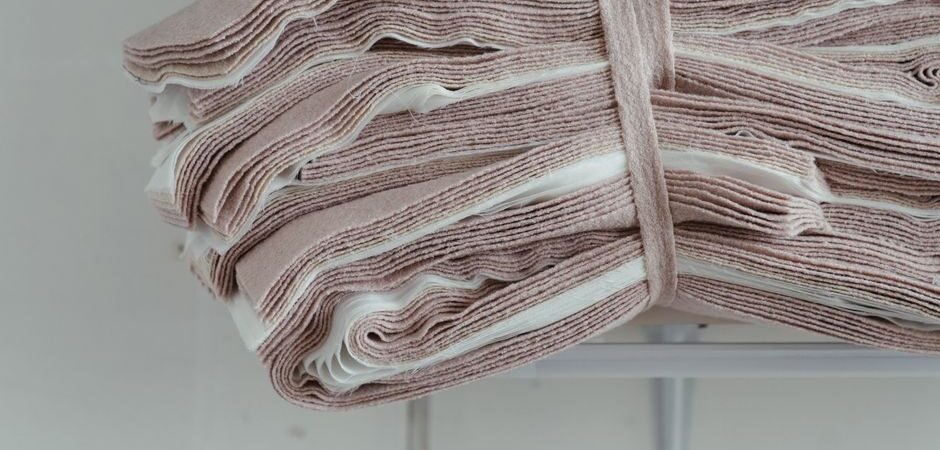
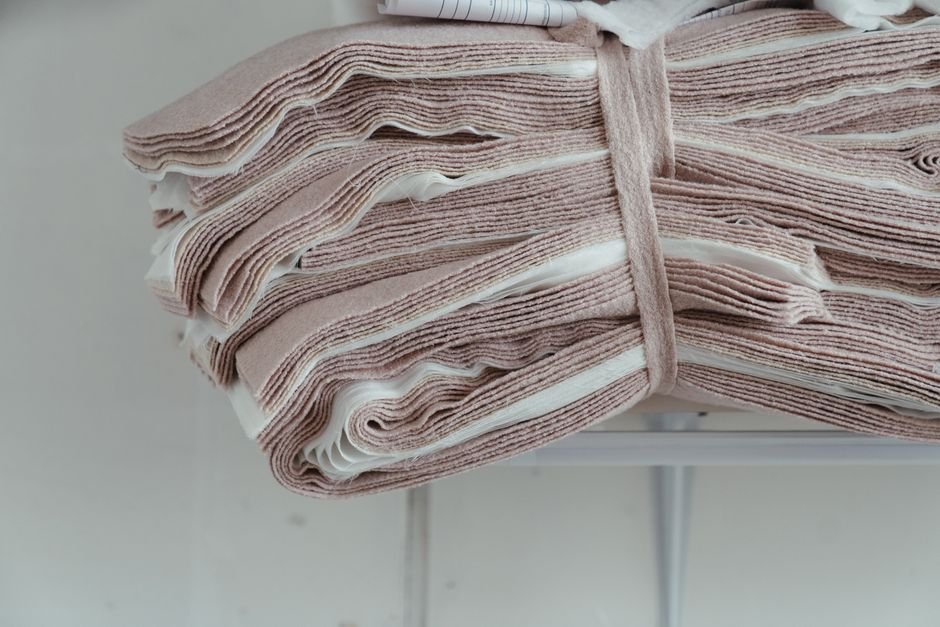
Storing and prepping batting properly before you baste it into a quilt sandwich makes a noticeable difference in your finished results, and it’s a step many newer quilters skip entirely without realizing the real consequences down the line. Batting should be stored loosely rolled or folded in a dust-free area, away from anything that could compress or crush its loft over time, such as heavy boxes stacked directly on top of it in a closet or storage bin. Before basting, letting batting relax out of its packaging for a full day or more helps it regain its natural loft and reduces the chance of unexpected shrinkage surprising you after the quilt is finished and washed for the first time by its new owner. Taking this simple prep step seriously, rather than basting straight out of tightly compressed packaging, helps ensure the finished quilt behaves the way you expected when you originally chose that particular loft for the project months earlier.
Ready to choose the right loft for your next project? Browse our Fabric Buying and Precuts guides for more on planning a quilt, or explore our Notions collection to see what’s currently available.
Frequently Asked Questions
What loft options does Quilters Dream Batting offer?
The line ranges from low-loft options suited to flat machine quilting to mid and high-loft options that give more visible texture and warmth, plus specialty blends for wool and poly needs.
What’s the difference between their cotton and poly batting?
Cotton battings offer a flatter, more traditional look and breathe well, while poly battings hold loft longer, resist shifting less during quilting, and work well in tied comforters.
Which loft works best for machine quilting?
Lower loft options are generally easier to machine quilt through since they create less bulk under the needle, especially on a home sewing machine rather than a long-arm.
How does this brand compare to other batting brands?
It’s widely regarded for consistent loft and quality across its product line, which is part of why many long-arm quilters specifically request it for client projects.
How should I store batting before I’m ready to use it?
Keep batting rolled or folded loosely in a dust-free area away from moisture. Letting it relax out of its packaging for a day before basting helps reduce shrinkage surprises.
This article is intended for general educational and informational purposes only, based on common quilting practices. Batting specifications can change by manufacturer, so checking current packaging details is recommended. Bee’s Quilt Shop shares this guide as part of our ongoing library of quilting and sewing resources.