Quick answer: A kit quilting purchase typically bundles precut fabric, a pattern, and sometimes batting or backing into one package built around a single project. Choosing the right one comes down to matching the piecing complexity and precut format to your own skill level and budget.
Kit quilting has become a popular entry point for anyone who wants to start a project without first learning to calculate yardage or match dozens of prints on their own. A quilting kit bundles precut fabric, a pattern, and often batting or backing into a single package built around one specific project, taking most of the planning decisions off your plate before you even sit down at your sewing machine. If you’ve browsed a quilt shop and felt overwhelmed by the sheer number of individual fabric bolts, a kit can feel like a genuine relief, since someone else has already done the coordinating work for you, pulling together a color palette that’s been tested to work well as a finished piece rather than leaving that judgment call entirely up to a first-time shopper standing in an aisle full of unfamiliar options. This guide covers what’s typically included in a kit, how precut format affects piecing complexity, the difference between single-pattern kits and sampler kits, how to match a kit to your actual skill level, and an honest look at the budget tradeoffs compared to buying fabric separately from scratch. At Bee’s Quilt Shop, kit questions come up constantly from newer quilters who want a guaranteed-to-match project without the guesswork, and from experienced quilters who simply want to save time on a gift project with a deadline attached, since even a confident quilter can appreciate skipping the fabric-pulling stage occasionally when time is tight.
What’s Actually Inside A Quilting Kit
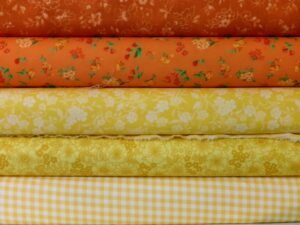
Most quilting kits follow a fairly predictable formula, even though contents vary somewhat by manufacturer, collection, and price point across the market. At minimum, a kit includes precut fabric pieces sized and cut specifically for the pattern it’s built around, along with either a printed instruction booklet or a link to digital instructions you can print or reference on a tablet or phone while you sew. Many kits go further, including batting cut to the finished quilt size and backing fabric as well, which removes two more shopping decisions from your list and ensures the batting loft and backing color have already been chosen to complement the pieced top rather than left for you to figure out separately. Higher-end kits sometimes include binding fabric already cut into strips, and occasionally even coordinating thread, though this varies quite a bit by brand and price tier, so it’s genuinely worth comparing more than one kit before deciding. It’s worth reading a kit’s product description closely before buying, since two kits at similar price points can differ significantly in what’s actually included, and assuming batting or backing is included when it isn’t can leave you scrambling to match colors at the last minute, often after the exact fabric collection the kit used has already sold out elsewhere entirely.
Precut Format And Piecing Complexity
The precut format a kit uses has a direct effect on how complicated the piecing process will feel once you sit down to actually sew the pieces together. Kits built around simple squares or strips, similar to charm packs or jelly rolls, tend to involve straightforward straight-line piecing that beginners can manage without much prior experience, since the pieces are already cut to size and mostly just need to be arranged and sewn together in a fairly forgiving, repeatable order. Kits built around more elaborate cuts, like triangles, diamonds, or curved pieces, require more precision and often benefit from at least some prior piecing experience before you start, since inaccuracies compound more visibly across angled seams than they do across simple straight ones sewn edge to edge. Reading the pattern’s difficulty rating alongside the type of precut included gives you a much clearer picture of what you’re actually signing up for than the finished photo alone ever could on its own. A gorgeous finished quilt photo can be genuinely misleading if the piecing techniques required to get there are well beyond your current comfort level, so it pays to look past the marketing image toward the actual construction steps described further down in the pattern itself before deciding.
Kits Built Around A Single Pattern Vs Sampler Kits
Kits generally fall into two broad categories: those built around a single repeating pattern throughout, and those structured as sampler kits featuring a different block in each section of the finished quilt top. Single-pattern kits are usually the simpler choice, since you’re repeating the same piecing steps throughout the entire project, which builds confidence and speed as you go and lets you get genuinely efficient by the time you’re piecing your last few blocks compared to your first attempt. Sampler kits introduce more variety and teach a wider range of techniques within one project, but they also demand more attention since each section may call for a different piecing approach, meaning you’re constantly relearning a new set of steps rather than settling comfortably into a steady rhythm. If you’re kit quilting for the first time, a single-pattern kit is usually the more forgiving choice, letting you master one technique thoroughly rather than juggling several new skills across a single project and potentially getting frustrated when a later section proves considerably harder than the first one you completed.
Matching A Kit To Your Skill Level
Matching a kit to your actual skill level, rather than the skill level you aspire to reach someday, makes a real difference in whether the project stays enjoyable from start to finish rather than becoming a source of frustration and abandoned fabric in a closet. Kits labeled as beginner-friendly typically rely on straight seams, larger pieces, and forgiving piecing tolerances that hide minor inconsistencies well, meaning a slightly imperfect quarter-inch seam won’t throw off the whole block dramatically the way it might in a more advanced design. Intermediate and advanced kits introduce techniques like partial seams, set-in pieces, or curved piecing that require more practice to execute cleanly, and attempting these before you’re genuinely ready can turn what should be an enjoyable project into a stressful, discouraging one instead. If you’re unsure where you land skill-wise, it’s worth choosing a kit one level below where you think you are, since finishing a slightly easier project successfully tends to build more momentum and confidence than getting stuck partway through something too ambitious for where you currently stand.
Budgeting: Kits Vs Buying Fabric Separately
Budget is one of the biggest factors in the kit-versus-separate-fabric decision, and being honest with yourself about the tradeoff helps you choose wisely for your specific situation and priorities as a quilter. Kits almost always cost more per project than buying the same amount of fabric individually, since you’re paying for the convenience of precut, coordinated pieces and the time saved not hunting through bolts yourself, comparing prints against each other, and doing your own yardage math from scratch. For a first project, a gift with a tight deadline, or a pattern using fabric combinations you couldn’t easily source on your own, that added cost is often genuinely worth paying, since the time and stress saved carries real value of its own that’s easy to underestimate. For an experienced quilter with a well-stocked fabric stash and the confidence to coordinate prints independently, buying fabric separately and following a pattern on its own usually stretches your budget further across more projects, letting you make more quilts overall for the same total amount spent.
What To Check Before You Buy A Kit
Before adding any kit to your cart, a short mental checklist can save you from a frustrating surprise after it arrives at your door weeks later. Confirm the finished quilt size actually matches what you need, whether that’s a lap quilt, throw, or bed-size project, since kit descriptions sometimes bury this important detail further down the page than you’d expect while shopping quickly. Check explicitly whether batting and backing are included, since their absence changes your total cost meaningfully and might mean an unplanned second purchase before you can even begin the actual quilting stage of the project. Look at the piecing techniques the pattern requires against your own comfort level honestly, and if photos of the finished project are available from other buyers, they’re often more honest about the true difficulty than the marketing copy alone, since customers tend to mention exactly which steps gave them trouble along the way. Taking a few extra minutes on these checks before purchasing helps ensure the kit you choose actually sets you up for a satisfying finish rather than an abandoned project shoved into the back of a closet.
Curious what a kit could look like for your next project? Browse our Quilt Patterns and Blocks guides for more on choosing a pattern, or explore our Kits collection to see what’s currently available.
Frequently Asked Questions
What’s typically included in a quilting kit?
Most kits bundle precut fabric matched to a specific pattern, printed or digital instructions, and sometimes batting or backing fabric. Higher-end kits may also include binding fabric and thread.
Are quilting kits good for beginners?
Yes, kits are often ideal for beginners since the fabric is already cut and coordinated, removing the guesswork of matching prints and calculating yardage on your own.
Do kits cost more than buying fabric separately?
Sometimes, since you’re paying for convenience and curation. For a first project or a design you couldn’t easily source fabric for yourself, the added cost is often worth it.
Can I substitute fabric in a kit I’ve purchased?
Usually yes, as long as you keep piece counts and sizes consistent with the pattern. Just double-check yardage before substituting a full section of the kit.
What should I check before buying a kit?
Confirm the finished size, skill level listed, and whether batting and backing are included, since those add-ons vary a lot between kits and affect the total cost.
This article is intended for general educational and informational purposes only, based on common quilting practices. Kit contents and pricing vary by manufacturer and retailer. Bee’s Quilt Shop shares this guide as part of our ongoing library of quilting and sewing resources.