Quick answer: Quilting cotton fabrics are tightly woven, medium-weight cottons specifically finished for piecing durability and print clarity. They differ from apparel cotton in thread count, weight, and how well they hold a crisp seam.
Quilting cotton fabrics occupy a very specific niche within the broader world of cotton textiles, and understanding what actually sets them apart helps explain why quilt shops stock a dedicated section for them rather than pointing you toward the general apparel fabric aisle down the same store. These fabrics are woven and finished specifically with piecing durability, print clarity, and a crisp hand in mind, qualities that matter enormously once you start sewing dozens of small pieces together into a finished quilt top that needs to hold its shape for decades of regular use and repeated washing. If you’ve ever wondered why a pattern specifically calls for “quilting-weight cotton” rather than just “cotton,” the distinction is genuinely meaningful rather than just marketing language dreamed up to sell more fabric off the same bolt. This guide covers what defines quilting-weight cotton, how thread count and hand factor into the equation, how quilting cotton differs from apparel cotton, what to look for on a bolt label, how to prepare fabric before cutting, and how to care for a finished cotton quilt over time. At Bee’s Quilt Shop, understanding these distinctions is one of the most valuable things a newer quilter can learn before investing real money in fabric for a big project, and it’s a question we happily walk through with shoppers of every experience level who stop by the counter unsure where to begin.
What Defines A Quilting-Weight Cotton
A fabric earns the “quilting weight” label based on a fairly specific combination of thread count, weave tightness, and finishing process, typically landing around 68 to 70 threads per inch in a plain weave that balances durability against a workable hand for both cutting and stitching. This particular combination gives the fabric enough body to hold a crisp seam under piecing tension without becoming so stiff that it’s difficult to work with by hand or machine, which matters just as much for a beginner’s first quilt as for a seasoned quilter’s fiftieth project years into the craft. The finishing process also matters, since quilting cotton is typically treated to resist excessive fraying along cut edges, which becomes especially important when you’re working with small pieces and narrow seam allowances throughout an entire quilt top rather than a single large panel or garment piece. Manufacturers generally test this specific balance carefully before releasing a new fabric line, since a weave that’s too loose or too dense both create real problems once quilters start cutting and piecing it at home on their own machines. Even within quilting-weight cotton, subtle differences between manufacturers can affect how a specific print behaves once it reaches your cutting table.
Thread Count And Hand Explained
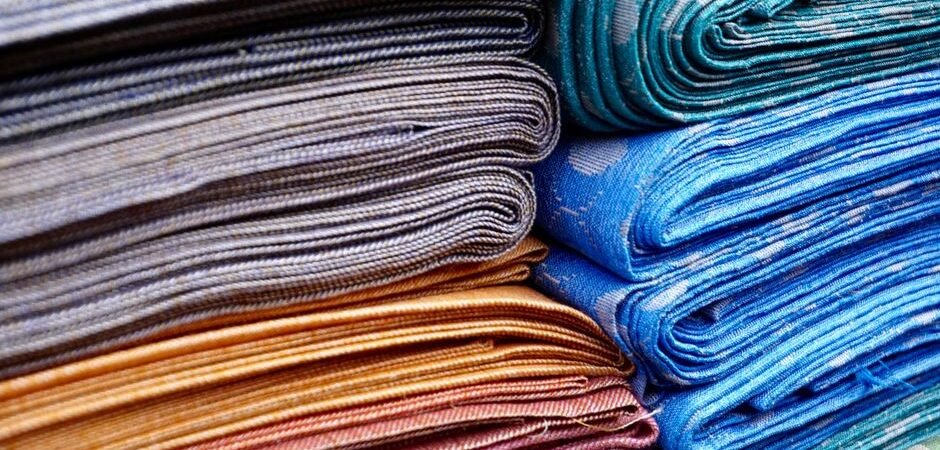
Thread count and hand, meaning how the fabric actually feels to the touch, work together to determine how a fabric behaves once it’s cut into pieces and sewn together into a finished block for your quilt top. Higher thread counts generally produce a finer, smoother weave that shows printed detail more clearly and resists fraying better along raw edges during handling, cutting, and repeated pressing throughout the piecing process. The resulting hand tends to feel crisp rather than soft or drapey, which might seem like a downside in other sewing contexts but is actually an advantage for piecing, since crisper fabric holds its shape better through cutting, pinning, and pressing without stretching out of alignment along the way as you work. A fabric with too low a thread count, by contrast, can feel thin and slightly see-through once pieced, which is worth checking for by holding a bolt up to the light before committing to a full yardage purchase you’ll need for the whole project.
Quilting Cotton Vs Apparel Cotton
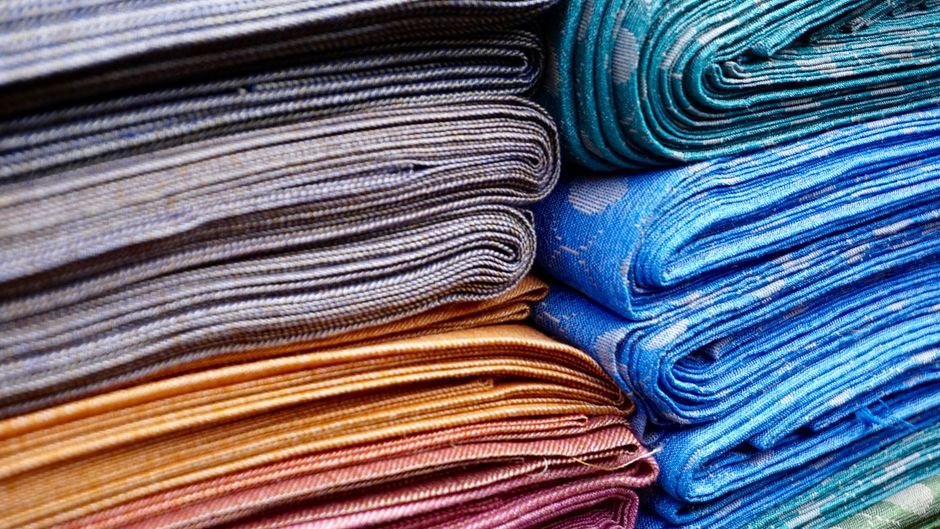
Quilting cotton and apparel cotton, despite sharing the same base fiber, are generally engineered for different purposes entirely and it shows clearly in how they behave once you start working with them at your sewing machine. Apparel cotton is often woven more loosely or blended with a bit of stretch for wearer comfort, prioritizing drape and softness against skin over the structural crispness a quilt top demands from its fabric choices. Quilting cotton skips those comfort-driven considerations entirely in favor of a tighter weave that holds a pressed seam and resists distortion during piecing, even across a project with hundreds of individual pieces sewn together over many sessions. Using apparel-weight cotton in a quilt isn’t impossible, but seams tend to be less crisp and the fabric can behave less predictably when cut into small pieces compared to fabric specifically finished with quilting in mind from the very start. Some quilters do intentionally mix in a small amount of apparel cotton for a specific texture effect, but it’s worth doing so knowingly rather than by accident from an unlabeled remnant pulled from a scrap bin.
Reading A Bolt Label Before You Buy
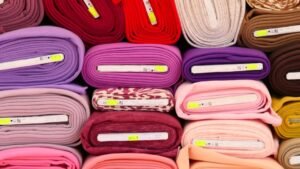
Reading a fabric bolt’s label before buying gives you useful information beyond just the printed design itself staring back at you from the shelf display. Quilting cotton bolts are typically labeled with thread count, fiber content, and often the specific collection and manufacturer name, all of which help you judge quality and consistency before committing to a purchase you’ll be living with for the life of the finished quilt you’re planning. If a bolt lacks any of this information or is labeled simply as “cotton” without further detail, it’s worth asking a shop associate directly whether it’s genuinely quilting-weight, since assuming based on appearance alone can lead to disappointing results once you start piecing and pressing your chosen fabric. Comparing the feel of an unlabeled remnant against a known quilting-weight bolt side by side is also a genuinely useful way to judge it in the moment, right there in the shop before you buy.
Preparing Quilting Cotton Before Cutting
Preparing quilting cotton properly before you start cutting can meaningfully affect your finished project’s outcome in ways that are hard to fix after the fact once the quilt is assembled. Many quilters choose to prewash fabric to remove excess dye and preshrink it ahead of time, preventing an unpleasant surprise after the finished quilt’s very first wash reveals uneven shrinkage between different fabrics used in the same top. Pressing fabric flat before cutting, and cutting on a properly squared grain line, both help ensure your pieces come out accurate and your finished blocks lie flat rather than puckering or twisting once sewn together into rows and columns across the top. Skipping prewashing is also a valid, common choice for many quilters, particularly on scrappy projects where slight shrinkage differences add a bit of pleasant texture to the finished quilt after its first wash and dry cycle.
Caring For Finished Cotton Quilts
Caring for a finished cotton quilt over the years it will be used and loved comes down to a few consistent habits worth building into your regular laundry and storage routine. Washing in cold water with a gentle detergent helps preserve both color vibrancy and the fabric’s structural integrity over repeated washes across many years of everyday use and handling. Air drying or using a low-heat dryer setting reduces stress on both the fabric and the stitching holding the quilt together, extending its usable life considerably compared to high-heat drying that can weaken fibers over time. Storing a finished quilt folded loosely in a breathable cotton bag, rather than airtight plastic, helps prevent the kind of trapped moisture and mildew that plastic storage can sometimes cause over long periods of storage between uses or seasons. Refolding a stored quilt along slightly different lines every so often also helps prevent permanent creasing from developing along the same fold over many years of careful storage between seasonal uses. A gentle stain treatment applied promptly, rather than left to set in over weeks, also goes a long way toward keeping a well-loved cotton quilt looking its best for decades of continued use, gift-giving, and display around the home for years to come. Spot testing any cleaning product on a hidden corner first, before applying it to a visible stain, protects both the printed colors and the surrounding stitching from unexpected damage. Rotating which side of a reversible or double-sided quilt faces up during storage also helps even out fading from light exposure over many years of display.
Ready to choose the right cotton for your next quilt? Browse our Fabric Types and Guides for more comparisons, or explore our Cotton collection to see what’s currently available.
Frequently Asked Questions
What makes a fabric “quilting weight” cotton?
Quilting weight cotton is a medium-weight, tightly woven fabric typically around 68 to 70 threads per inch, finished specifically to hold a crisp seam and press well.
Is quilting cotton the same as fabric used for clothing?
Not exactly. Apparel cotton often has a looser weave or added stretch for comfort, while quilting cotton is woven tighter for piecing durability and print sharpness.
How can I tell quilting cotton apart in a shop?
Quilting cotton typically feels crisp rather than soft and drapey, and bolts are usually labeled with thread count or explicitly marketed as quilting-weight fabric.
Do I need to prewash quilting cotton before cutting?
Many quilters do prewash to remove excess dye and preshrink the fabric, though some patterns specifically call for unwashed fabric for a crisper finished quilt.
Does thread count really affect the finished quilt?
Yes, higher thread count generally means a finer weave that holds detailed prints more clearly and resists fraying better along seam allowances during piecing.
This article is intended for general educational and informational purposes only, based on common quilting practices. Fabric specifications can vary between manufacturers and collections. Bee’s Quilt Shop shares this guide as part of our ongoing library of quilting and sewing resources.