Quick answer: A quilting ruler is a clear, thick acrylic ruler marked with precise measurement lines used with a rotary cutter for accurate cutting. Choosing the right size and shape depends on the cuts you make most often.
A quilting ruler might look like a simple piece of clear plastic at first glance, but it’s genuinely one of the most important tools in a quilter’s kit, directly responsible for how accurate and consistent your cutting turns out to be across an entire project from the very first cut to the last. Unlike a standard household ruler, a quilting ruler is thick enough to resist a rotary cutter’s blade catching its edge, marked with precise measurement lines designed specifically for fabric cutting, and available in a range of shapes suited to different cutting tasks across many different patterns. Choosing the right ruler, especially your very first one, sets the foundation for accurate piecing throughout your quilting journey, since small cutting errors made early in a project tend to compound noticeably by the time all your blocks come together at the very end. This guide covers what a quilting ruler is actually used for, common shapes and sizes available, how to choose your first all-purpose ruler, specialty rulers worth adding later, why grip and non-slip features matter, and how to care for acrylic rulers so they last for many years. At Bee’s Quilt Shop, ruler questions are some of the most common we field from quilters just building out their first cutting toolkit, and it’s a purchase worth taking seriously rather than grabbing whatever happens to be cheapest on the shelf that particular day. Getting this one purchase right early on tends to prevent frustration across many future projects.
What A Quilting Ruler Is Used For
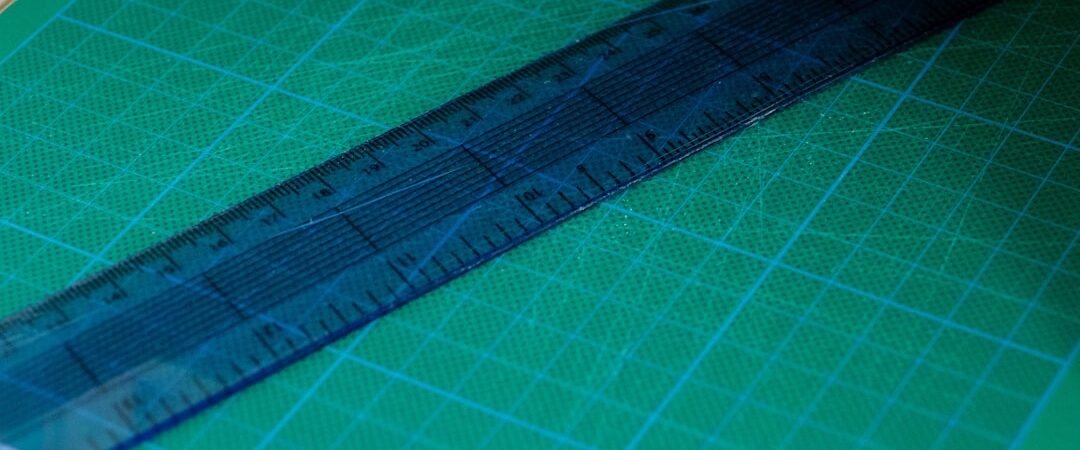
A quilting ruler’s primary job is guiding a rotary cutter along a precise, straight line, ensuring fabric pieces come out consistently sized across an entire project regardless of how many total pieces the pattern actually calls for. The ruler’s thickness matters here, since a standard flat ruler would let the rotary blade climb up onto its edge, resulting in an inaccurate cut or, worse, a dangerous slip that could send the blade off its intended path entirely and toward your fingers holding the ruler steady. The printed measurement grid, typically marked in both whole and fractional inches, lets you measure and cut simultaneously without needing to mark fabric with a pencil first, which speeds up the cutting process considerably once you’re comfortable with the tool and its many printed markings. Many rulers also include 45 and 60 degree angle lines printed directly into the grid, letting you cut common angled pieces without needing a separate specialty tool for every angled cut a pattern might call for during its construction and assembly.
Common Ruler Shapes And Sizes
Quilting rulers come in a range of shapes and sizes, each suited to particular cutting tasks you’ll encounter across different patterns and projects throughout your quilting life. Long rectangular rulers, often in sizes like 6.5 by 24 inches, handle long straight cuts efficiently, like cutting strips from a full width of fabric in a single confident pass across the mat. Square rulers, ranging from small 4.5-inch squares up to large 20-inch or bigger squares, are ideal for squaring up blocks and cutting individual squares accurately without needing to reposition a long ruler awkwardly across the fabric repeatedly. Specialty shapes, including triangles and rulers with angled edges, handle specific cuts that a standard rectangular or square ruler can’t manage as precisely, and many are designed around a single, specific block pattern or technique used in traditional and modern quilting alike. Some manufacturers also produce rulers in tinted acrylic specifically to reduce glare under bright cutting-table lighting, which some quilters find genuinely easier on the eyes during long, focused cutting sessions that stretch into the evening.
Choosing Your First All-Purpose Ruler
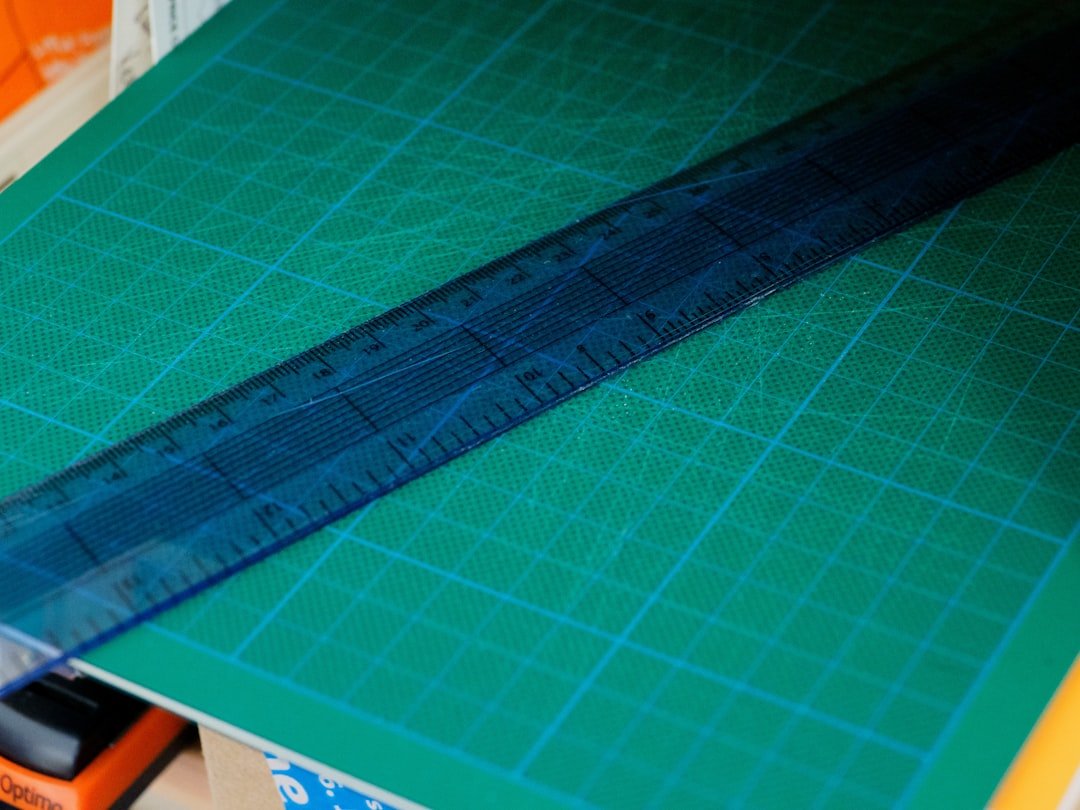
For a first purchase, a versatile all-purpose ruler serves you better than jumping straight to specialty shapes you may not need yet as a newer quilter still learning the basics. A 6.5 by 24 inch rectangular ruler is a popular first choice, since it comfortably handles long strip cuts, block squaring for moderately sized pieces, and general precision cutting across most beginner-friendly patterns you’re likely to try first as you’re getting started. Pairing that with a smaller square ruler, somewhere in the 6.5 to 12.5 inch range, rounds out a genuinely functional starter set capable of handling the vast majority of early quilting projects without needing anything more specialized right away as a beginner. Many beginner ruler sets sold together at quilt shops bundle exactly this combination, which is worth looking for specifically if you’d rather buy one starter package than choose several individual rulers on your own without any guidance from a shop associate.
Specialty Rulers Worth Adding Later
Specialty rulers become worth adding to your collection once a specific pattern calls for a cut your basic rulers can’t handle efficiently or accurately on their own without extra fuss. Triangle rulers simplify cutting accurate half-square or quarter-square triangles without the extra math required to cut them from squares by hand every single time you need one. Curved rulers assist with patterns using curved piecing, like Drunkard’s Path blocks, that would be genuinely difficult to cut accurately freehand without a purpose-built guide to follow along the curve. Rather than buying every specialty shape upfront, waiting until a pattern specifically requires one keeps your investment focused on tools you’ll actually use regularly, since specialty rulers can otherwise accumulate in a drawer without ever seeing real use on an actual finished project you complete.
Ruler Grip And Non-Slip Features
Grip and non-slip features, while sometimes seen as a minor detail, genuinely affect cutting accuracy and safety in practical, everyday use at the cutting table each session. A ruler that shifts even slightly mid-cut can throw off measurements across an entire strip or block, compounding small errors across a full project in a way that’s genuinely hard to trace back to its original cause later on. Textured grip strips embedded into a ruler’s underside help it stay firmly in place against fabric, especially useful on slippery fabrics or when applying more pressure during a longer cut across a full width of fabric at once on your mat. This feature becomes more valuable the more cutting volume a project involves, particularly for quilters who cut in long, focused sessions rather than short bursts spread across a busy week.
Caring For Acrylic Rulers Over Time
Caring for acrylic quilting rulers properly helps them stay accurate and functional for years of regular use across many future quilting projects to come. Storing rulers flat, rather than stacked with weight pressing down on them, prevents the gradual warping that can throw off measurement accuracy over time in ways that aren’t always obvious just by looking at the ruler itself closely. Keeping rulers away from extreme heat, including hot cars or direct sunlight through a window, protects the acrylic from softening or distorting into a shape that no longer lies perfectly flat against your cutting mat when you need it to. Cleaning with mild soap and water, rather than harsh solvents that can degrade printed measurement lines, keeps your rulers readable and reliable for the long haul across many years of regular, everyday quilting use and enjoyment. A small dedicated storage rack or a simple labeled drawer keeps your growing ruler collection organized and easy to reach for during a busy cutting session, rather than digging through a cluttered drawer full of mixed tools. Writing your name or initials on the back of shared shop or guild rulers with a permanent marker also prevents mix-ups during group sewing days and workshops, where identical rulers from the same popular brand can easily get swapped between quilters without anyone noticing right away. Replacing a ruler once its printed lines have visibly faded from years of use is a worthwhile investment rather than a wasteful one, since accuracy quietly suffers long before a worn ruler looks obviously unusable to the naked eye. Testing a ruler’s accuracy occasionally against a known-good ruler or a tape measure is a simple habit that catches this kind of gradual, hard-to-notice wear before it affects an entire finished project.
Ready to choose your first quilting ruler? Browse our Notions and Tools guides for more cutting tips, or explore our Rulers collection to see what’s currently available.
Frequently Asked Questions
What is a quilting ruler actually used for?
A quilting ruler is a thick, clear acrylic ruler with printed measurement lines, used alongside a rotary cutter to make straight, accurate, repeatable fabric cuts.
What size ruler should I buy first?
A 6.5 by 24 inch ruler is a popular first choice since it handles most straight cuts and squaring tasks, with a smaller square ruler as a useful second purchase.
Do I need specialty shaped rulers right away?
Not right away. Specialty shapes like triangle or curved rulers are worth adding once a specific pattern calls for a cut your basic rulers can’t easily handle.
Why do some rulers have a non-slip grip?
A grippy underside helps prevent the ruler from shifting mid-cut, which improves accuracy, especially on slippery fabric or when applying more cutting pressure.
How do I care for an acrylic quilting ruler?
Keep rulers flat rather than stacked with pressure on them, avoid extreme heat that can warp acrylic, and wipe with mild soap and water rather than harsh solvents.
This article is intended for general educational and informational purposes only, based on common quilting practices. Ruler sizing and markings can vary by brand. Bee’s Quilt Shop shares this guide as part of our ongoing library of quilting and sewing resources.