Latest posts
-
Creative Grids Rulers: What Sets Them Apart
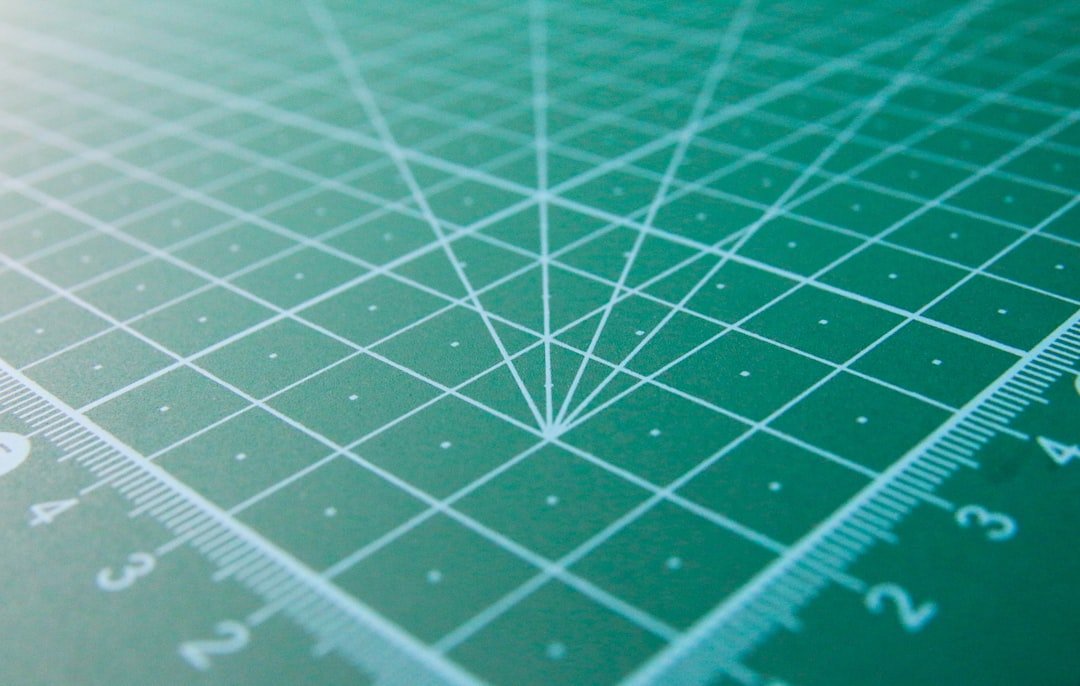
Quick answer: Creative Grids is a quilting ruler brand best known for its patented non-slip grip technology, which helps rulers stay put on fabric during cutting. The line includes a wide range of specialty shapes and sizes. Creative Grids has carved out a distinct reputation within the crowded field of quilting ruler manufacturers, and…
-
Quilting Rulers: How To Choose The Right One
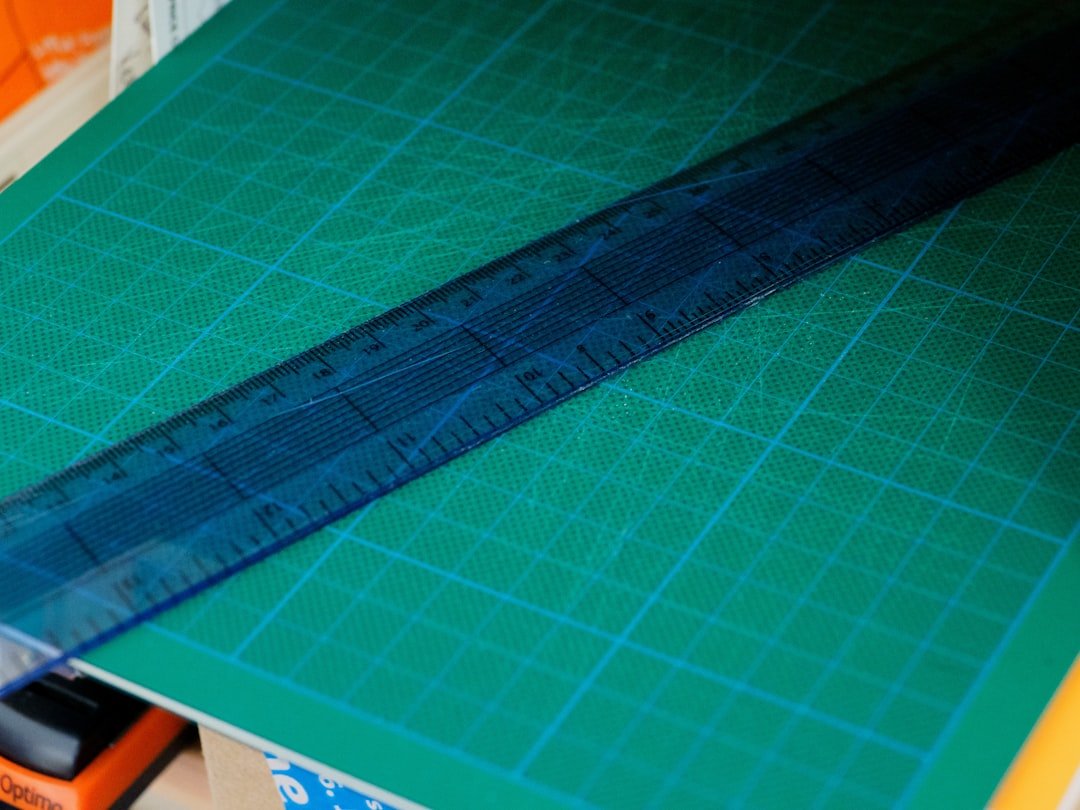
Quick answer: A quilting ruler is a clear, thick acrylic ruler marked with precise measurement lines used with a rotary cutter for accurate cutting. Choosing the right size and shape depends on the cuts you make most often. A quilting ruler might look like a simple piece of clear plastic at first glance, but…
-
Silk Sewing Thread: The Complete Guide
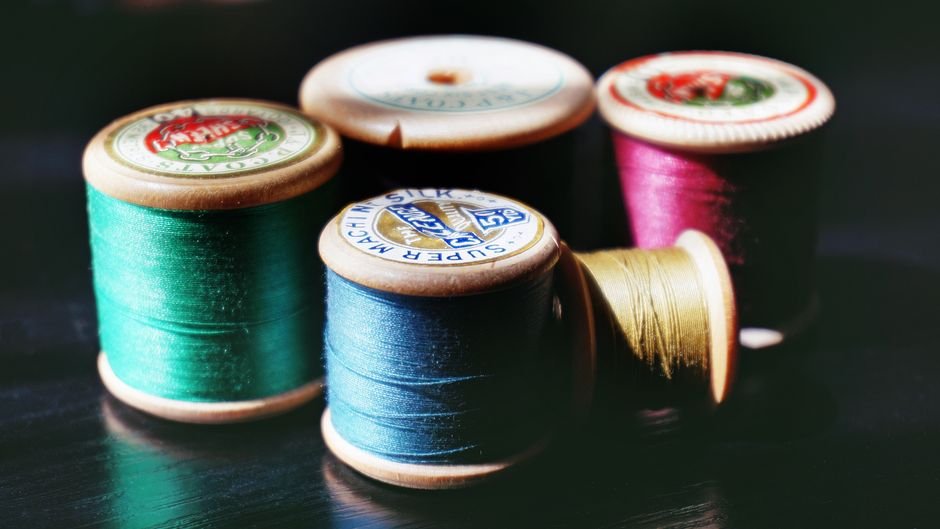
Quick answer: Silk sewing thread offers a natural sheen, fine diameter, and genuine strength that make it well suited to applique, hand piecing, and fine garment construction. It costs more than cotton or polyester but excels in visible detail work. Silk sewing thread occupies a distinctive, somewhat luxurious niche within the world of sewing…
-
45 Degree Triangle Ruler: Tips, Types, And What To Know
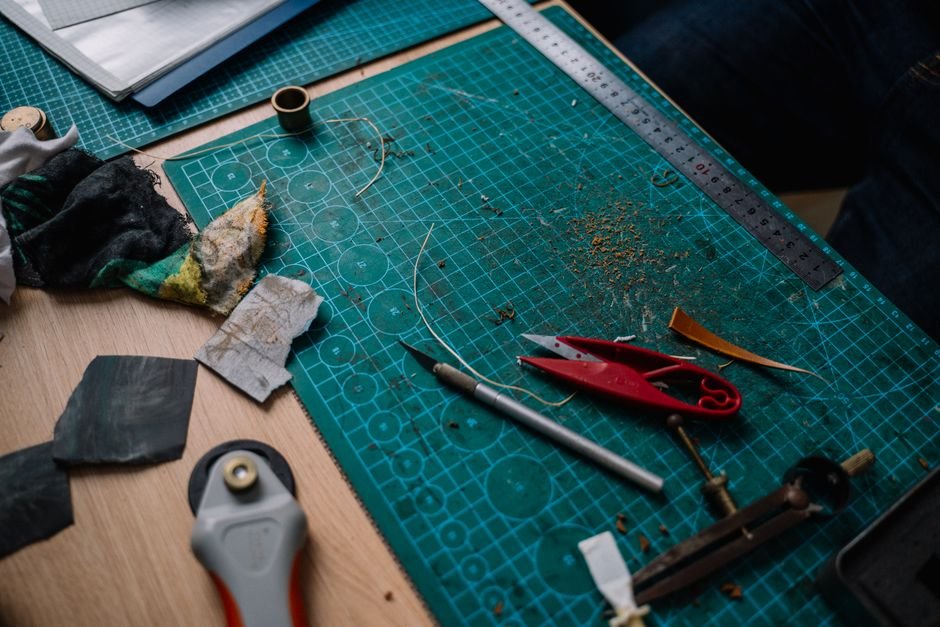
Quick answer: A 45 degree triangle ruler helps quilters cut accurate half-square and quarter-square triangles for classic block patterns. It’s calibrated to a specific finished block size, removing guesswork from angled piecing. A 45 degree triangle ruler is one of those specialty quilting tools that seems narrow in purpose until you realize just how…
-
Amanda Murphy Rulers: Tips, Types, And What To Know
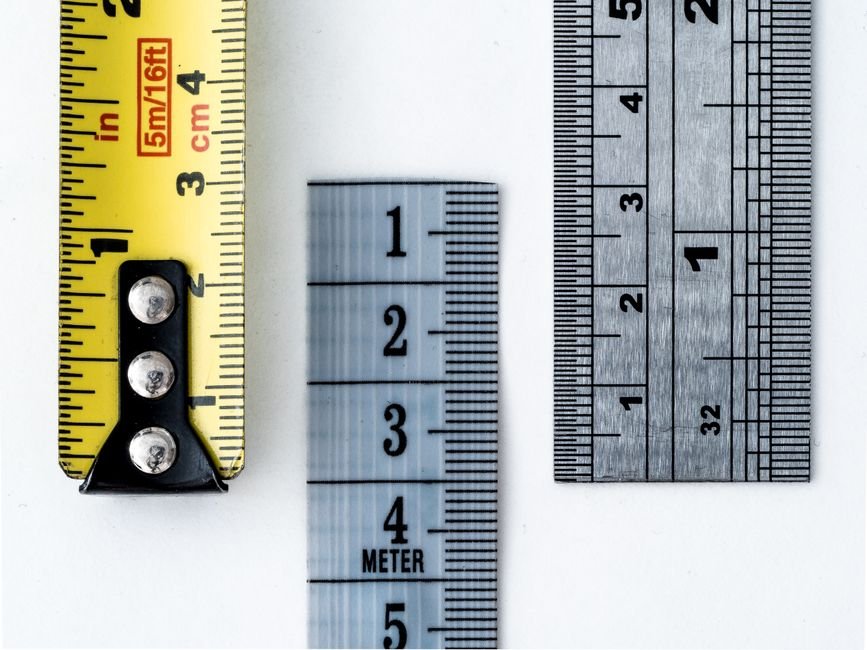
Quick answer: Amanda Murphy rulers are purpose-built quilting tools designed for free motion motifs and precision piecing techniques. They help quilters achieve consistent, repeatable results that are difficult to replicate freehand alone. Amanda Murphy rulers have earned a strong reputation among quilters looking to level up their free motion and precision piecing work, known…
-
The Ultimate Guide To Zipper By The Yard
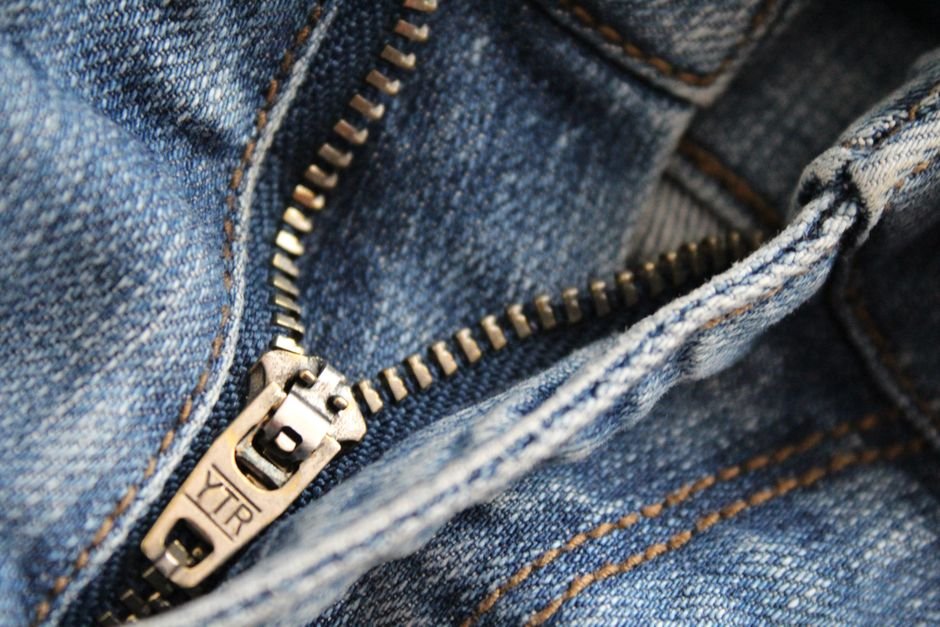
Quick answer: Zipper by the yard is continuous zipper tape sold without pre-attached pulls, letting sewists cut exactly the length a project calls for. Pulls and stops get added afterward to complete a fully functional custom-length zipper. Zipper by the yard opens up a level of customization that precut, packaged zippers simply can’t match,…
-
Straight Pins Explained: A Beginner’s Guide
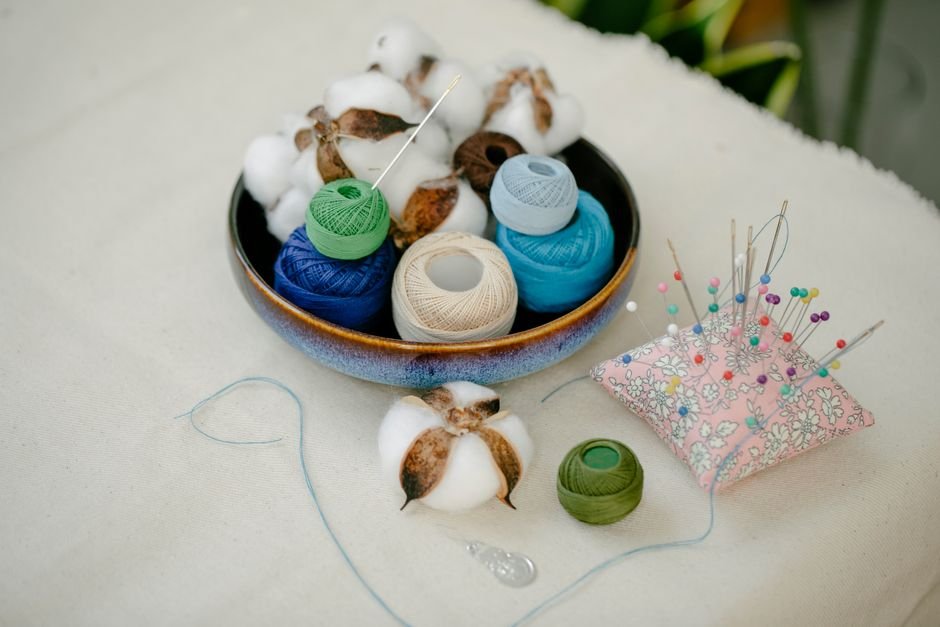
Quick answer: Straight pins are single-point pins with a straight, unbent shaft, used to hold fabric layers together temporarily before sewing. They differ from safety pins, which lock closed, and ball point pins, which are designed specifically for stretchy knit fabric. Straight pins are so common in a sewing room that it’s easy to…
-
The Ultimate Guide To Sewing Thimble
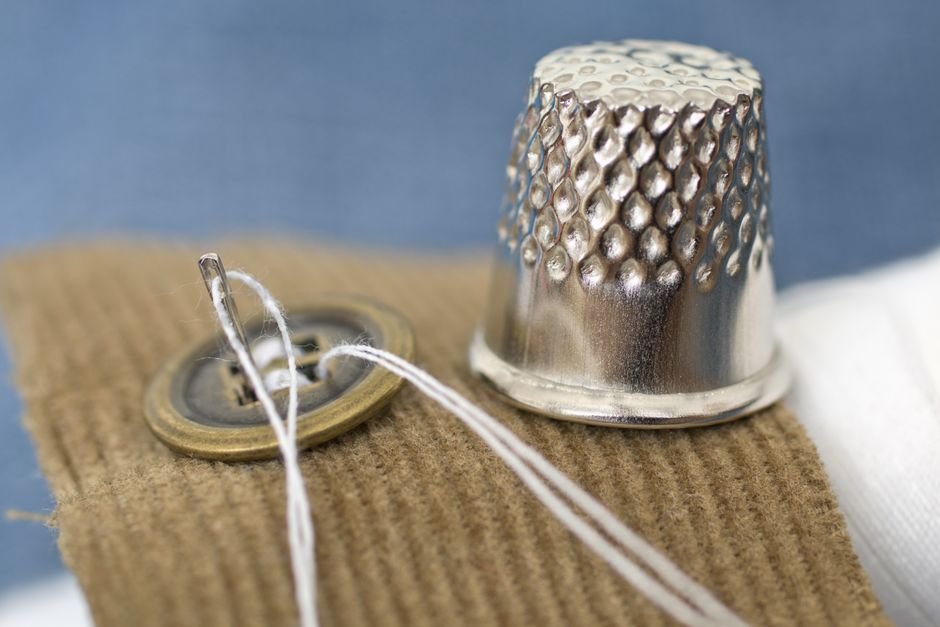
Quick answer: A sewing thimble is a small protective cap worn while hand sewing or hand quilting to shield the fingertip that pushes the needle. It comes in metal, leather, and adjustable coil styles, each offering a different balance of protection and comfort. Anyone who’s pushed a needle through several layers of fabric by…
-
Sewing Tape Explained: A Beginner’s Guide
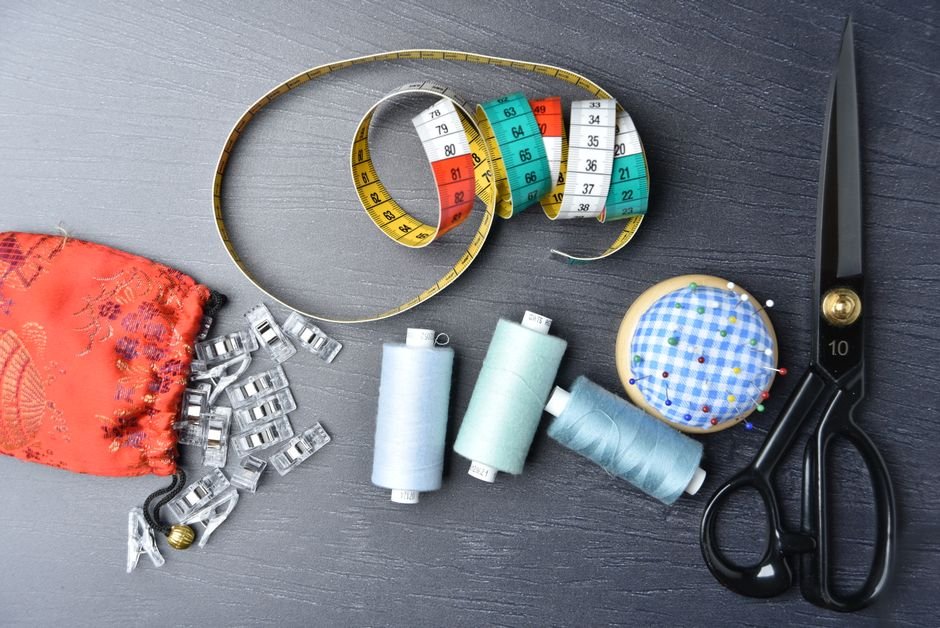
Quick answer: Sewing tape covers fusible hem tape, water-soluble basting tape, and specialty seam tapes, all designed to hold or finish fabric using adhesive instead of stitches alone. Each type suits a different task, from no-sew hems to holding zippers in place before stitching. There’s a whole category of sewing notions that don’t involve…
-
Sewing Pin: The Complete Guide
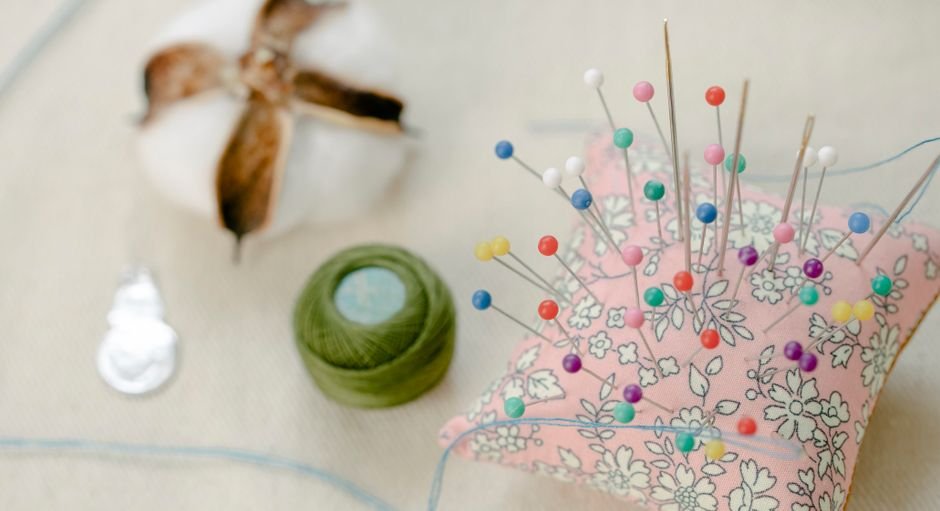
Quick answer: A sewing pin is a thin, pointed metal tool used to hold fabric layers together before stitching, coming in glass head, plastic head, and extra fine varieties suited to different fabric weights. Choosing the right type and using proper technique both matter for accurate results. A sewing pin might be the single…