Quick answer: Zipper by the yard is continuous zipper tape sold without pre-attached pulls, letting sewists cut exactly the length a project calls for. Pulls and stops get added afterward to complete a fully functional custom-length zipper.
Zipper by the yard opens up a level of customization that precut, packaged zippers simply can’t match, letting sewists specify exactly the length they need for a project rather than working backward from whatever standard sizes happen to be available at the store. If you’ve ever struggled to find a zipper in the exact length a pattern calls for, or found yourself trimming down a longer zipper and hoping the modification held up, continuous zipper tape solves that problem directly by letting you cut precisely the length you actually need. This guide covers what zipper by the yard actually is, how it compares to precut zippers, what to consider when choosing tape width and style, how zipper pulls actually get added to a cut length, the best projects suited to this format, and practical tips for storing and cutting the tape cleanly. Whether you’re a bag-making enthusiast or simply tired of compromising on zipper length, this guide covers the practical basics. At Bee’s Quilt Shop, zipper by the yard is a genuine favorite among sewists who make bags, pouches, and other zipper-heavy projects regularly. Once a sewist gets comfortable measuring and assembling their own zippers from continuous tape, many find they rarely reach for individually packaged zippers again, simply because the flexibility of cutting exactly what a project calls for outweighs the small extra assembly step involved. It’s one of those notions that feels like a bigger commitment at first than it actually turns out to be in practice.
What Zipper By The Yard Is
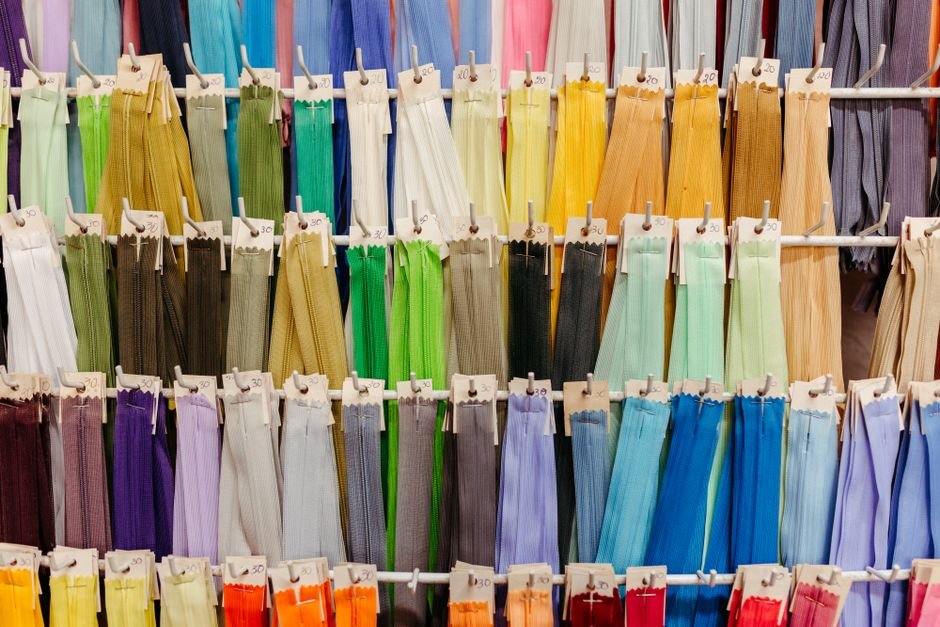
Zipper by the yard refers to continuous zipper tape sold by length, typically off a spool or in a coiled length, without pre-attached pulls or stops at either end, unlike the finished, ready-to-use zippers found packaged individually at most fabric stores. This format essentially delivers the raw components of a zipper, the toothed or coiled tape itself, in bulk continuous form, leaving the sewist to cut it to a specific length and add the necessary hardware to complete a functional zipper. Because it’s sold continuously rather than in fixed pre-cut lengths, zipper by the yard gives sewists complete control over exactly how long a finished zipper ends up being, which matters enormously for projects with unusual or highly specific length requirements that standard packaged zippers simply don’t accommodate. This format is especially popular among bag makers and sewists who work on a lot of different projects requiring many different zipper lengths, since buying one long spool eliminates the need to stock dozens of individually packaged zippers in every conceivable length. It also solves a genuinely common frustration where a pattern calls for an odd length, like a nine or eleven inch zipper, that rarely shows up as a standard packaged size at most retailers, forcing sewists to either special order or awkwardly adjust their project to fit whatever length happened to be available instead.
Zipper By The Yard Vs Precut Zippers
Comparing zipper by the yard to precut, packaged zippers really comes down to a tradeoff between customization and convenience. Precut zippers arrive ready to use straight out of the package, with pulls and stops already attached, requiring no additional assembly before sewing them into a project, which makes them the simpler, faster choice for straightforward projects using a standard, commonly available length. Zipper by the yard requires the extra step of cutting to length and adding pulls yourself, but in exchange offers precise length customization and, for sewists working through a lot of zipper yardage over time, often works out more cost-effective per zipper than buying numerous individual packaged zippers. For a single simple project needing a common length, a precut zipper is usually the more practical choice, while zipper by the yard shines for unusual lengths, bulk projects, or sewists who want to eliminate guesswork around length availability entirely. Many sewists eventually land on using both formats side by side, reaching for a quick precut zipper on a simple, standard-sized project and pulling out the spool of continuous tape whenever a pattern calls for something more particular.
Choosing Zipper Tape Width And Style
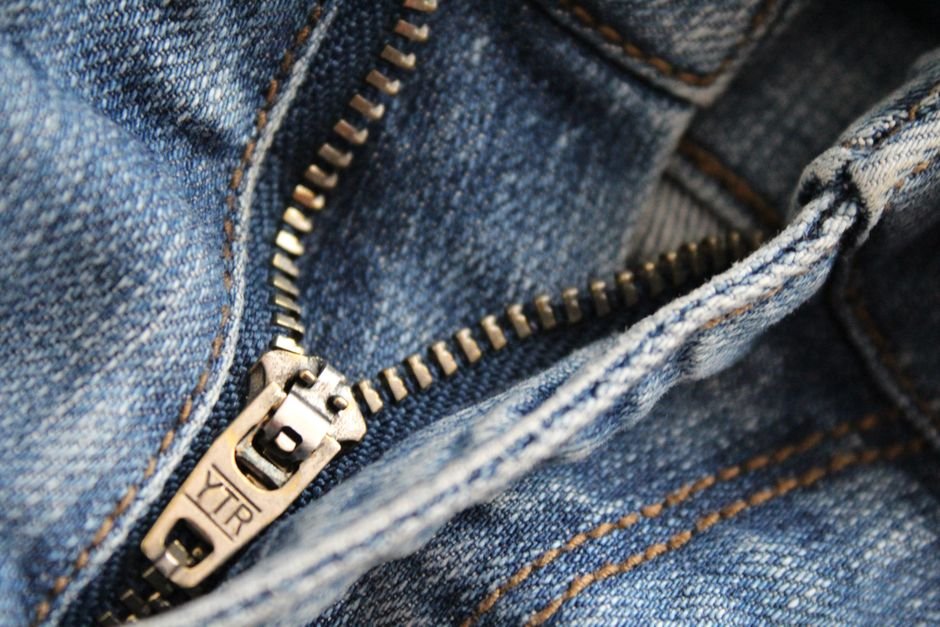
Choosing the right zipper tape width and coil style matters for both function and appearance in your finished project. Zipper tape comes in a range of coil sizes, with smaller, finer coils suited to lightweight garments and delicate bags, while larger, more substantial coils handle heavier-duty applications like luggage, outdoor gear, or bags meant to carry real weight. Tape width and color also vary considerably, letting sewists match or intentionally contrast the zipper against their project’s main fabric depending on the desired look. Metal-look and plastic coil options each carry a different aesthetic and functional profile, with metal-look coil zippers often chosen for a more structured, durable feel on bags and heavier accessories, while standard plastic coil remains the versatile, widely available default for most general sewing applications. Invisible or concealed zipper tape is also available in continuous form for garment sewists who want that seamless, hidden-zipper look in a custom length rather than relying on a precut invisible zipper’s fixed sizing options.
Adding Zipper Pulls To Continuous Tape
Adding pulls to a cut length of continuous zipper tape is a straightforward process once you understand the basic concept, even though it looks a little intimidating the first time. After cutting your tape to the desired length, a zipper pull slides onto the coil from one end, threading the two halves of the tape together the same way a finished zipper’s pull already would. Zipper stops, small metal or plastic pieces crimped onto the tape at both ends, prevent the pull from sliding completely off the track and also close off the raw cut edges of the tape for a clean, finished look. Many sewists find that the technique takes a little practice to get comfortable with, particularly positioning the stops securely, but it becomes routine fairly quickly once you’ve assembled a handful of zippers this way, and plenty of video tutorials walk through the exact hand positioning if written instructions alone don’t quite click. Keeping a small dedicated tool, like needle-nose pliers, on hand specifically for gently crimping stops into place also makes this step noticeably easier and more consistent than trying to press them on with fingers alone.
Best Projects For Zipper By The Yard
Zipper by the yard shows up constantly in bag making, where projects frequently call for unusual lengths that don’t correspond neatly to standard packaged zipper sizes. Pouches and small accessory bags benefit from the ability to cut a zipper to the exact width of the project rather than working around whatever length happens to be available packaged. Garments occasionally call for continuous zipper tape too, particularly for custom or alteration work where a precise, non-standard length is genuinely necessary. Home decor projects, like cushion covers or storage bins with a zippered closure, also take advantage of this format’s flexibility, especially for larger dimensions that would otherwise require special-ordering an unusually long packaged zipper. Craft and organizational projects, like fabric storage bins or pencil cases, round out the common applications, giving crafters a genuinely practical, budget-friendly way to add functional closures to almost any handmade project.
Storing And Cutting Zipper Tape Cleanly
Storing zipper tape properly and cutting it cleanly both matter for getting good results from this format. Keeping tape rolled or coiled on its original spool, rather than loose and tangled, prevents kinks and makes measuring out a specific length far easier when you’re ready to use it. Using sharp fabric scissors dedicated to this purpose, rather than dull or multipurpose scissors, produces a cleaner cut that won’t fray or catch when you add stops afterward. Cutting slightly longer than your calculated finished length, then trimming to the exact size once stops are in place, gives a little margin for error and helps ensure the stops end up positioned exactly where you want them rather than needing a second, more stressful attempt at an already-cut piece of tape. Labeling each spool with its coil size and color, if you keep more than one on hand, also saves real time down the road when you’re trying to match a new project’s needs to your existing zipper tape supply without unrolling every option first.
Ready to try custom-length zippers? Explore our Notions and Tools guides here at Bee’s Quilt Shop for more sewing supply advice, and browse our current notions collection to see what’s available right now. Explore more Notions & Tools guides on the blog, or browse our Notions collection to see what is currently available.
Frequently Asked Questions
What’s the difference between zipper by the yard and a regular zipper?
Zipper by the yard is continuous tape sold without pre-attached pulls or stops, letting you cut a precise custom length, while a regular zipper arrives ready to use in a fixed size. Both have their place depending on the project.
How do I add a pull to zipper tape I’ve cut to length?
A zipper pull slides onto the coil from one end, and stops get crimped onto the tape at both ends to keep the pull from sliding off and close the raw edges. It takes a little practice but becomes routine quickly.
What coil size should I choose for a bag project?
Larger, more substantial coils suit heavier-duty applications like bags meant to carry real weight, while smaller, finer coils work well for lightweight garments. Matching coil size to your project’s demands matters most.
Is zipper by the yard cheaper than buying individual zippers?
For sewists working through a lot of zipper yardage over time, buying one long spool often works out more cost-effective than purchasing numerous individually packaged zippers. For a single project, precut zippers may be simpler.
How should I store zipper tape between projects?
Keeping tape rolled or coiled on its original spool, rather than loose and tangled, prevents kinks and makes measuring out a length much easier. Bee’s Quilt Shop suggests labeling spools by coil size and color too.
This article is intended for general educational and informational purposes only, based on common sewing practices. Results vary by tape brand, coil size, and project type, so testing on scrap fabric first is always a good idea. Bee’s Quilt Shop shares this guide as part of our ongoing library of quilting and sewing resources.