
Latest posts
-
Poly Fill: The Complete Guide
Quick answer: Poly fill is polyester fiberfill, a lightweight, washable synthetic stuffing used for pillows, stuffed animals, and quilted projects. It resists clumping better than many natural fibers and remains a popular default for its affordability and consistent availability. Poly fill is one of those craft materials you don’t think much about until you’re…
-
Bias Binding: Tips, Types, And What To Know
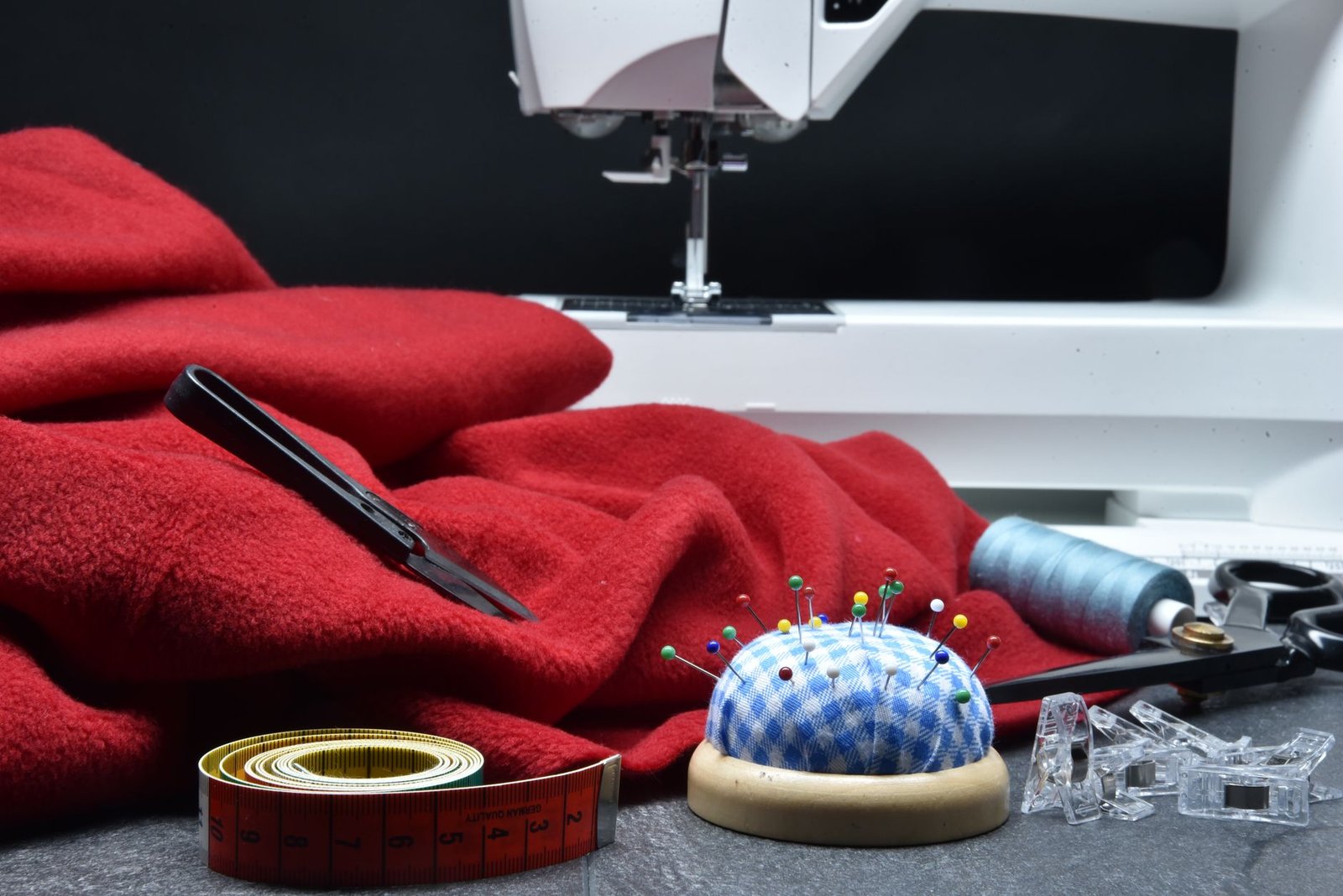
Quick answer: Bias binding is cut at a forty five degree angle to fabric grain, giving it the stretch needed to wrap smoothly around curves and corners without puckering. Single fold works well for lighter projects, while double fold is the standard for finishing a quilt’s outer edge with extra durability. Bias binding shows…
-
Everything You Need To Know About Fabric Marker
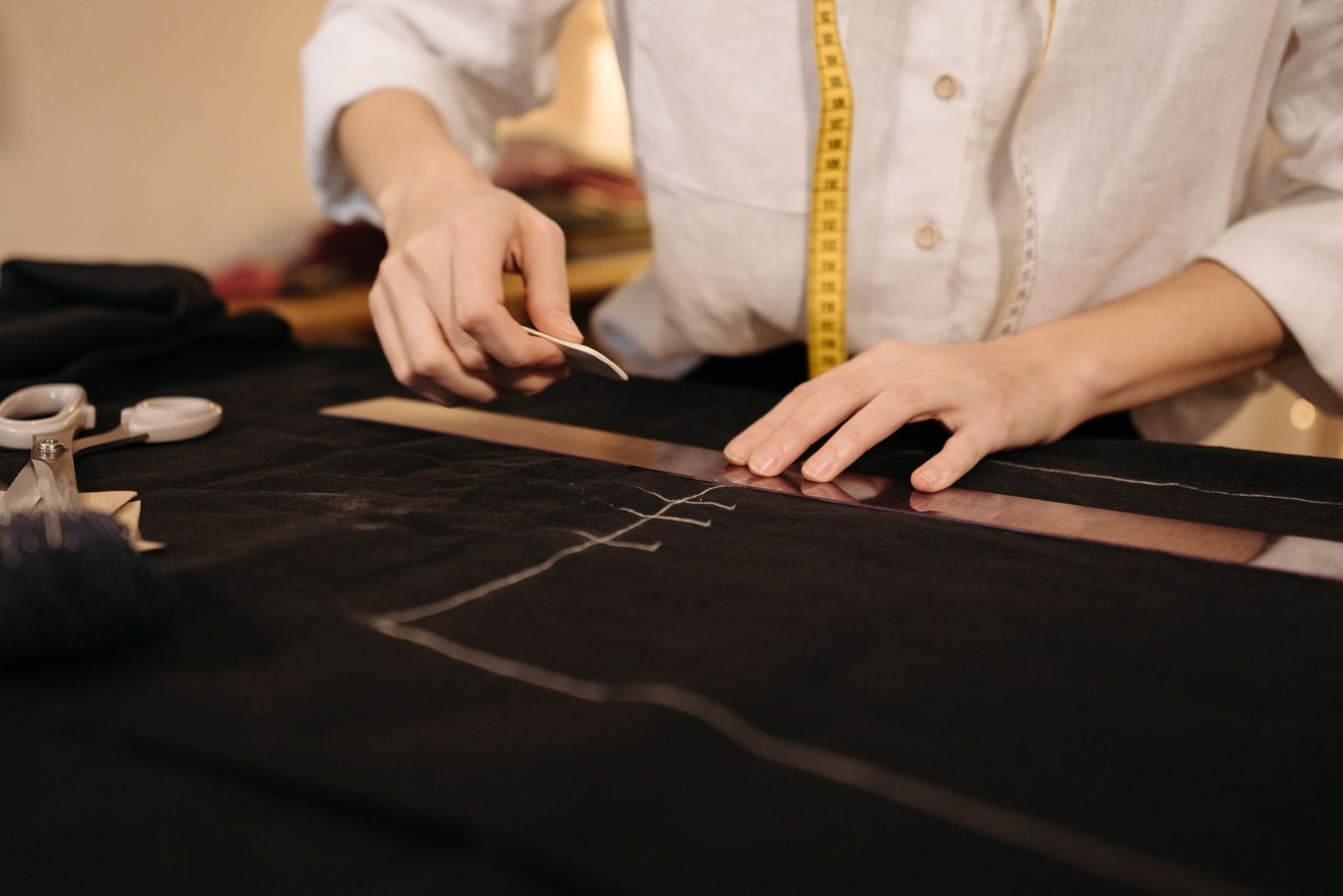
Quick answer: A fabric marker comes in several types, including water soluble, air erasable, chalk, and heat erasable, each removed a different way once marking is done. Choosing the right one depends on your fabric’s color and whether you need it for quick marks or a project that might sit unfinished for a while.…
-
The Best Steam Iron: A Buyer’s Guide
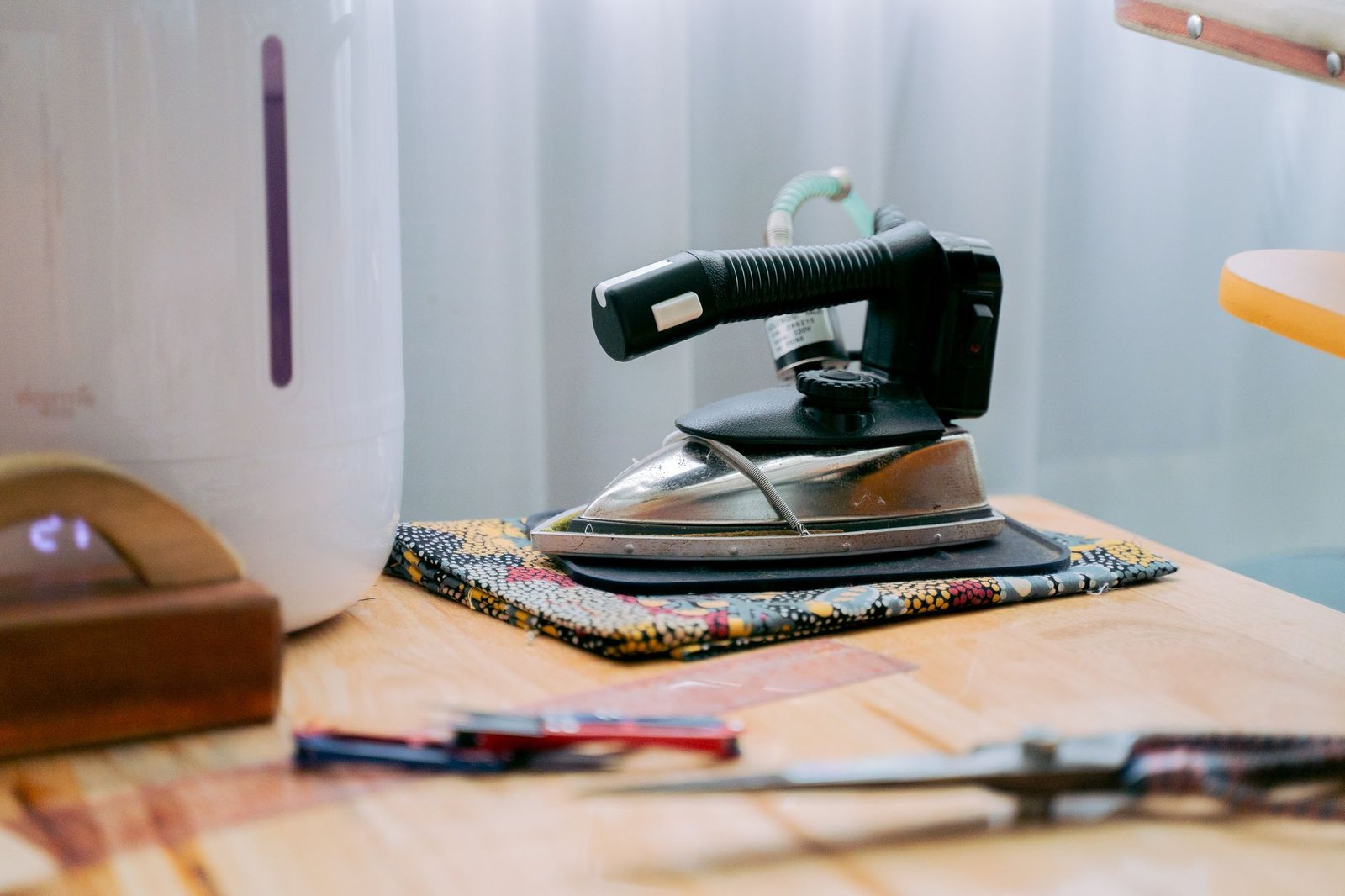
Quick answer: The best steam iron for sewing and quilting offers adjustable steam output, precise temperature control, and a smooth-gliding soleplate to handle repeated pressing sessions well. Standard steam irons suit most home sewists, while steam generator irons appeal more to those doing frequent, extended pressing on heavier fabrics. Finding the best steam iron…
-
The Ultimate Guide To Self Healing Cutting Mat
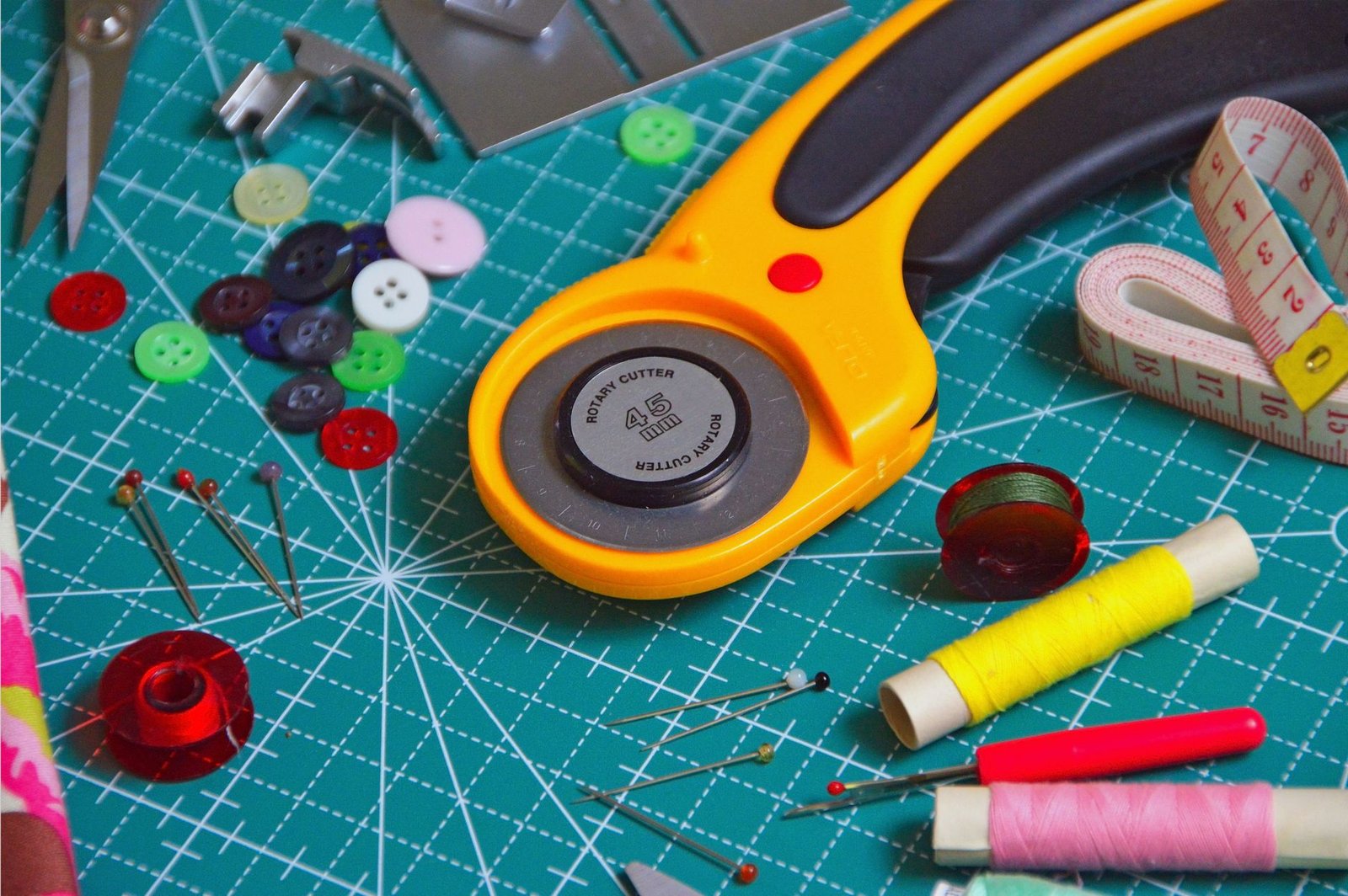
Quick answer: A self healing cutting mat is made from layered, flexible material that closes back over rotary cutter marks instead of scarring permanently like a hard surface would. Choosing the right size, watching for grid and angle markings, and proper flat storage all help a mat stay accurate and last for years. A…
-
Everything You Need To Know About Safety Pin
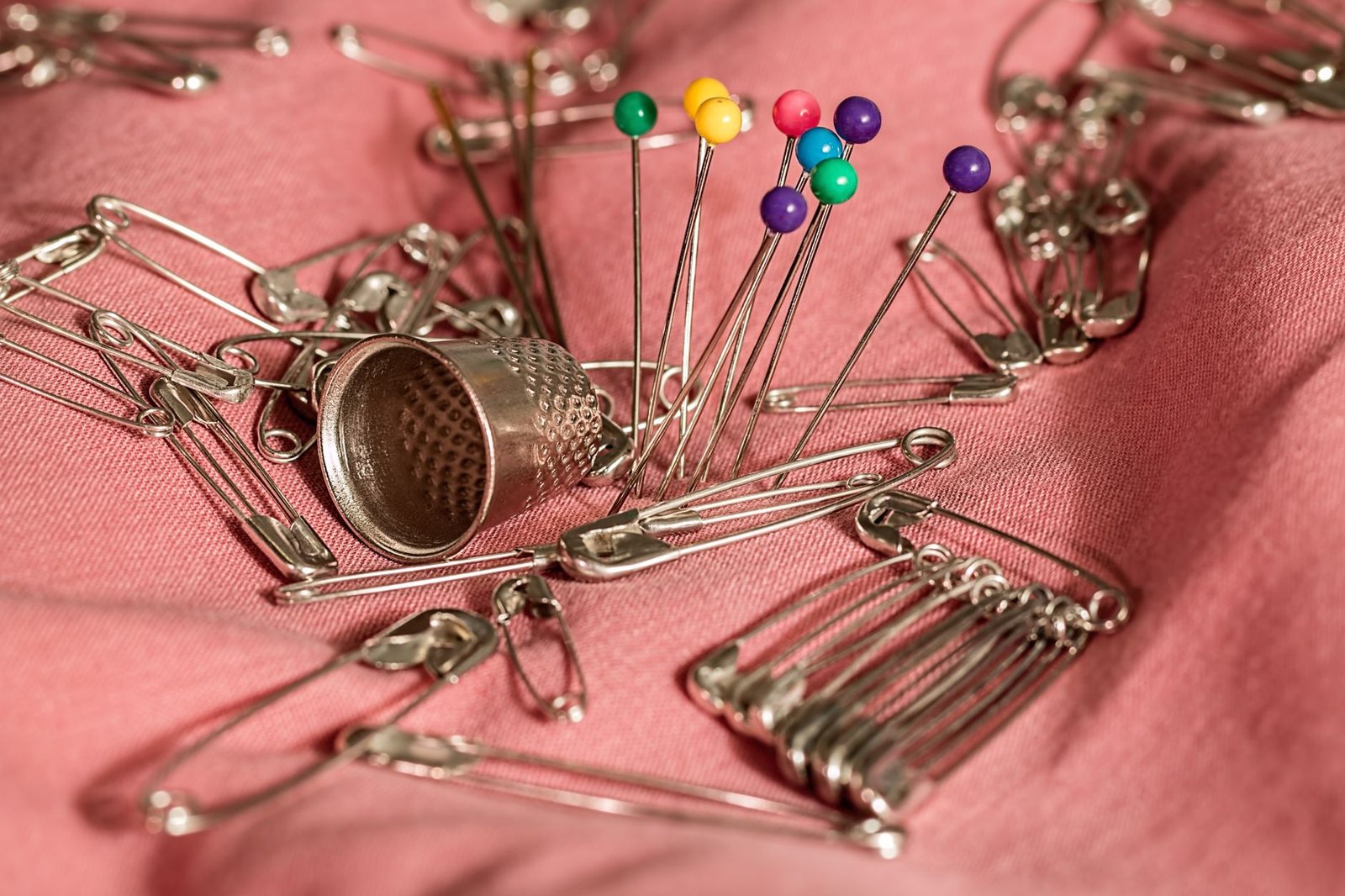
Quick answer: A safety pin uses a coiled spring and a covered clasp to hold fabric securely while protecting its point, making it a go-to tool for quilt basting, marking, and quick repairs. Sizes range from small pins for delicate fabric to larger curved basting pins built for pinning through a full quilt sandwich.…
-
Iron: How To Choose The Right One
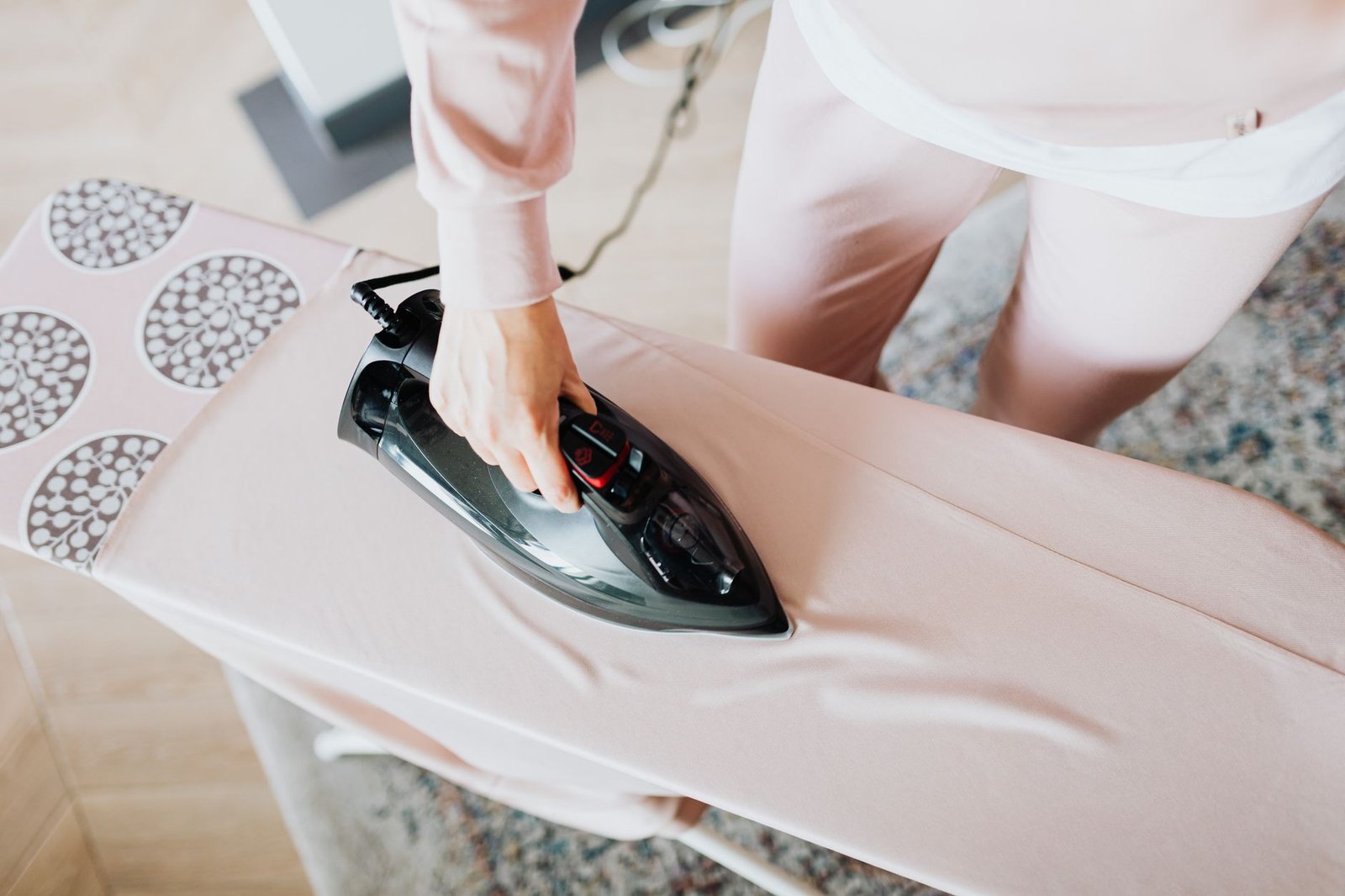
Quick answer: The best iron for sewing and quilting balances heat range, weight, and soleplate material to your typical fabric and pressing style, since preferences vary by project and budget. Steam helps relax stubborn wrinkles while dry heat protects bias edges from stretching, so most quilters end up using both depending on the task.…
-
The Ultimate Guide To Fabric Tape
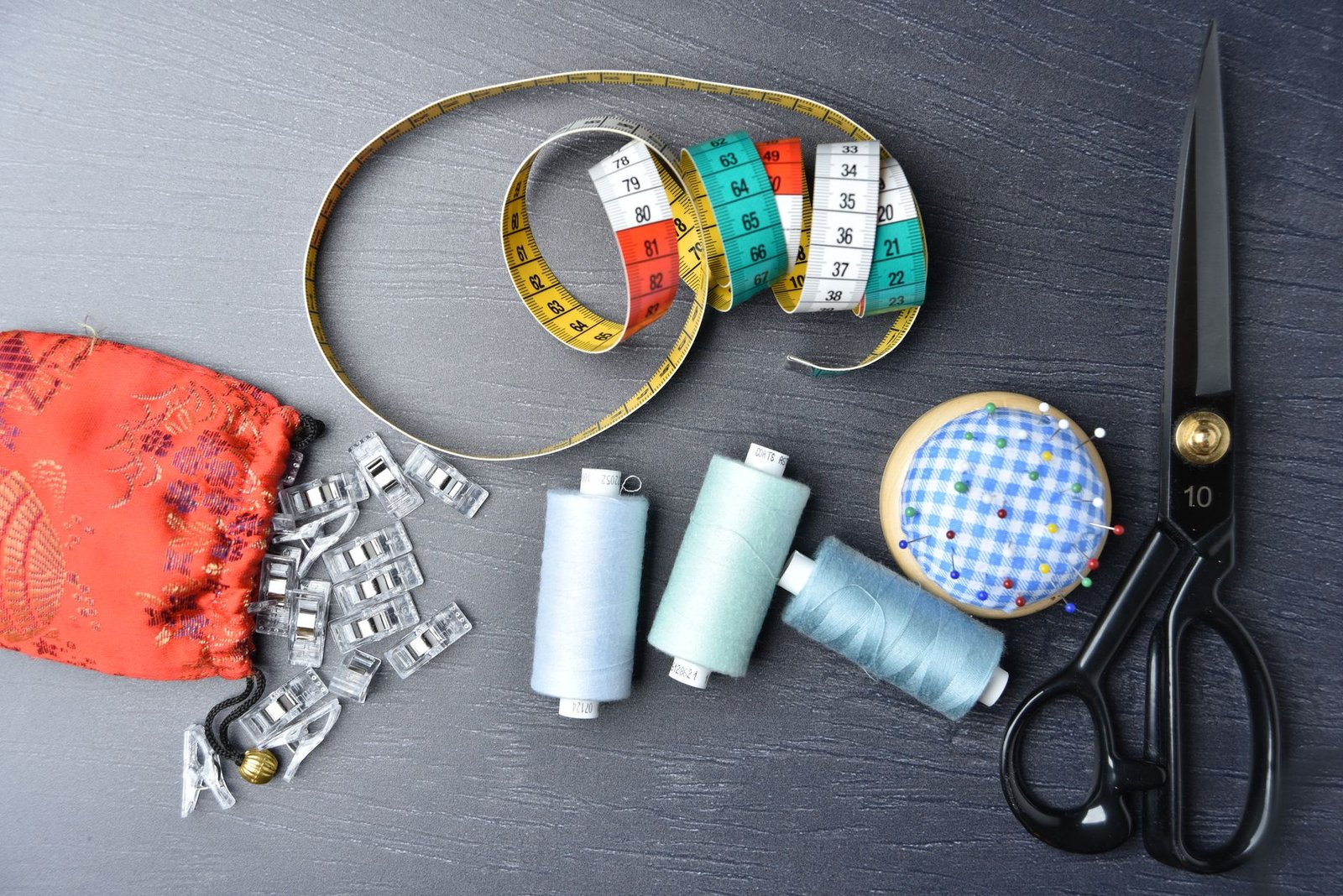
Quick answer: Fabric tape temporarily holds fabric in place for basting, hemming, and quilting alignment, with types ranging from heat-set fusible web tape to water soluble tape that dissolves completely after stitching. It’s a helpful shortcut for positioning fabric, but it works best alongside sewing rather than as a permanent replacement for it. Fabric…
-
Pin Cushion: The Complete Guide
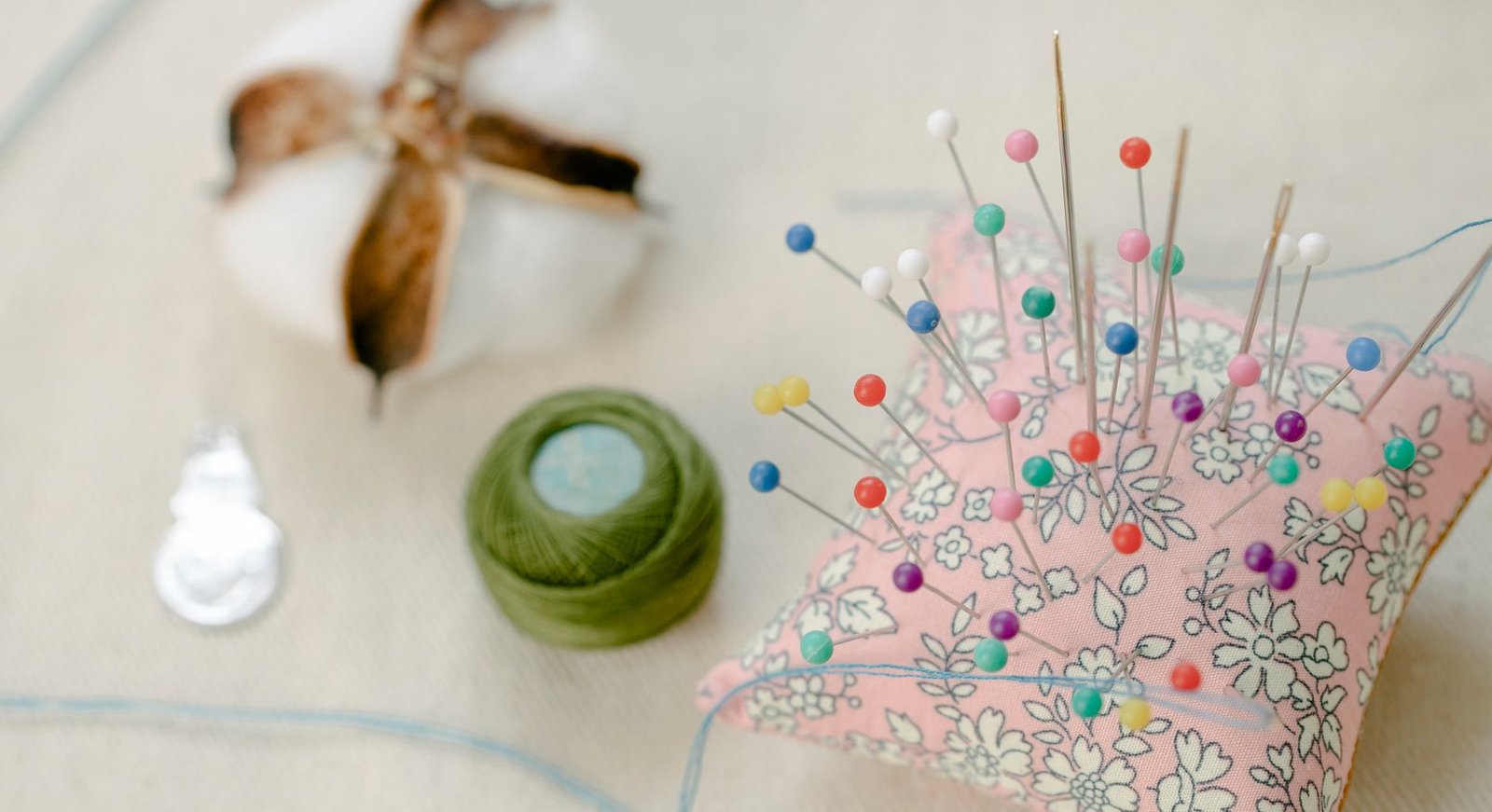
Quick answer: A pin cushion keeps pins organized, sharp, and within easy reach, whether it’s a wrist cushion, a magnetic holder, or a traditional stuffed style. The filling matters too, sawdust helps sharpen pin points while wool roving helps prevent rust, so choosing the right type depends on how and where you sew. A…