Quick answer: A self healing cutting mat is made from layered, flexible material that closes back over rotary cutter marks instead of scarring permanently like a hard surface would. Choosing the right size, watching for grid and angle markings, and proper flat storage all help a mat stay accurate and last for years.
A self healing cutting mat is one of those tools that quietly transforms how accurately and safely you can cut fabric once you switch to using one, and it’s become close to standard equipment in most quilting rooms for good reason. Before rotary cutters and self healing mats became widely available, cutting fabric accurately with scissors alone was a genuinely slow and imprecise process compared to what quilters take for granted today. This guide covers what actually makes a cutting mat self healing, how to choose the right size, and how to keep one performing well for years. Whether you’re setting up a sewing space for the first time or finally replacing a mat that’s been through years of hard use, understanding what actually makes one of these mats worth the investment helps you shop with real confidence.
What Makes A Cutting Mat Self Healing
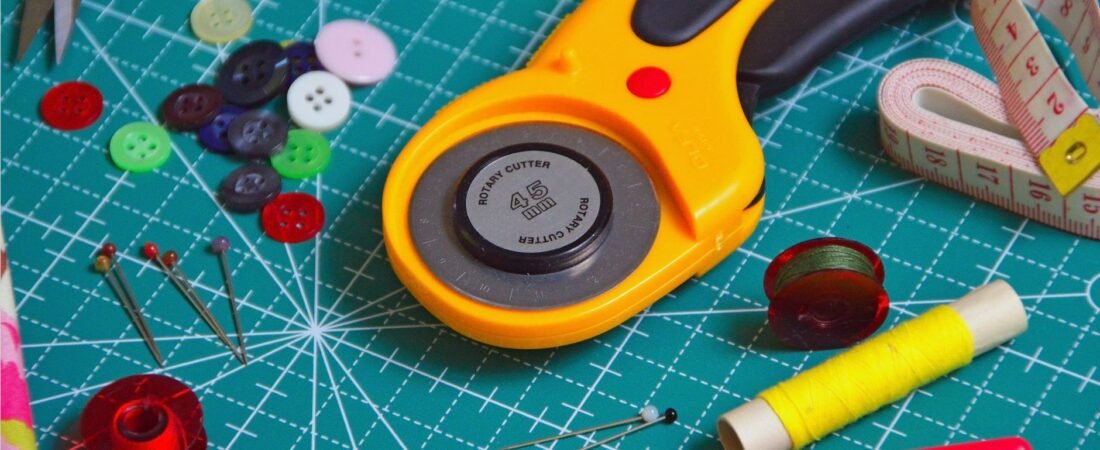
What makes a cutting mat self healing comes down to its layered material construction, which is engineered specifically to close back over rotary cutter marks rather than staying permanently scored. These mats are typically made from multiple thin layers of a dense, flexible material, often a type of PVC or similar polymer, compressed together in a way that allows the surface to flex slightly under a blade’s pressure and then spring back into place once the blade passes through. This is different from a hard cutting surface like glass or a wooden board, where every cut leaves a permanent groove that deepens with repeated use over the same spot. Self healing doesn’t mean indestructible, though, and heavy repeated cutting in the exact same line, or using an old, dull blade that drags rather than slices cleanly, will eventually create visible wear even on a genuinely well-made mat. Double-sided mats, printed with a different grid or color on each face, are worth considering too, since flipping to a fresh surface once one side shows heavy wear effectively doubles the useful life of a single mat before replacement becomes necessary.
Choosing The Right Mat Size
Choosing the right mat size depends heavily on your typical project scale and how much workspace you have available, and this is a decision worth thinking through rather than just grabbing whatever’s on sale. Smaller mats, often around twelve by eighteen inches, work well for detail cutting, small projects, or anyone with limited workspace, and they’re genuinely convenient for travel or classes where portability matters. Larger mats, commonly twenty four by thirty six inches or bigger, let you cut long strips of fabric in a single pass without repositioning partway through, which matters a lot for quilters cutting yardage for larger projects and saves real time and improves accuracy compared to constantly shifting a smaller mat. Many quilters end up owning both a large mat as their primary cutting surface and a smaller one for portability or quick tasks at a machine, rather than trying to make one size handle every situation. It’s also worth measuring your actual cutting table or desk before buying a larger mat, since an oversized mat that hangs off the edge of your workspace can be just as inconvenient as one that’s genuinely too small for the projects you tend to cut.
Grid Lines And Markings To Look For
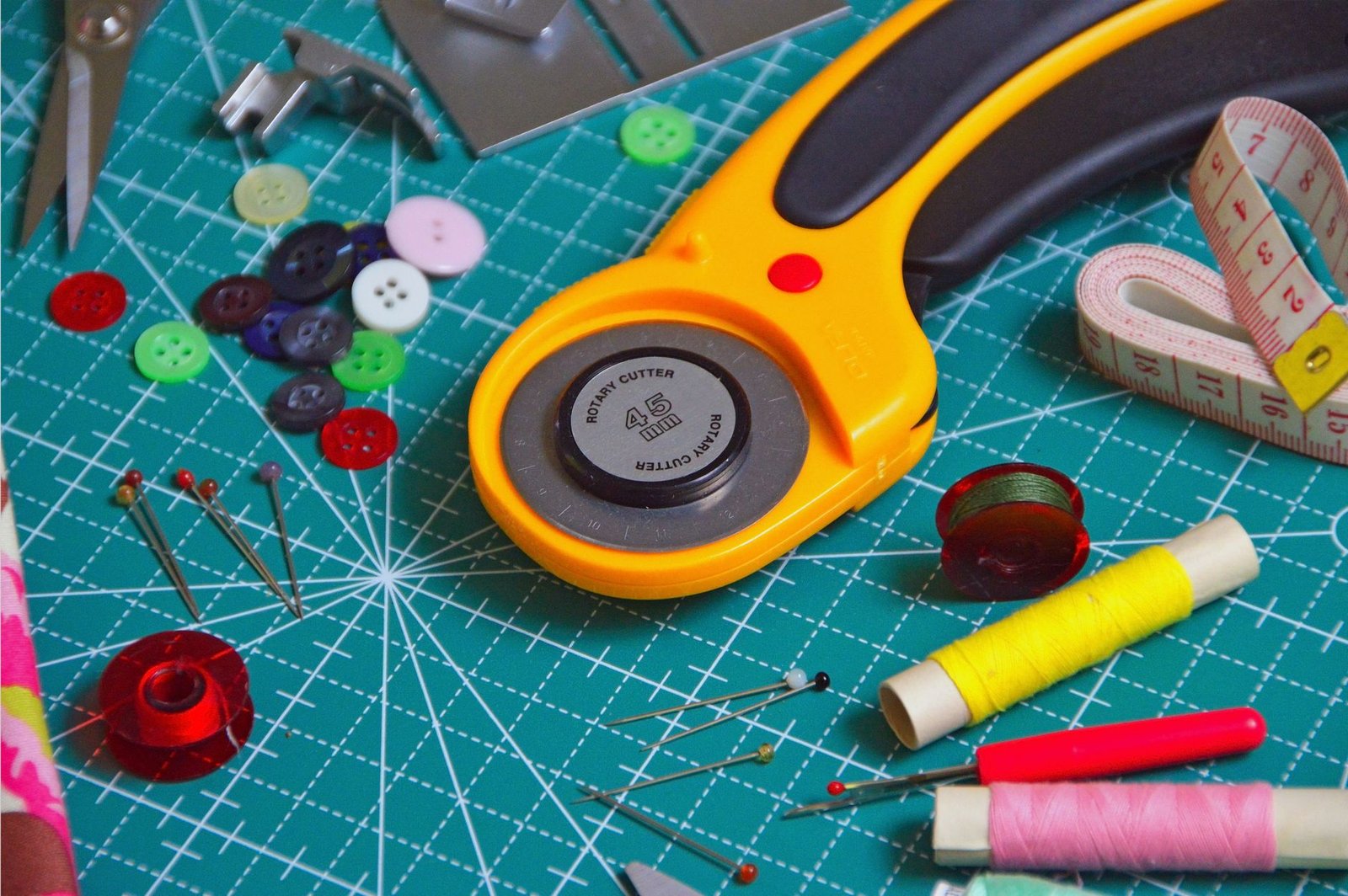
Grid lines and other markings printed on the mat surface add real functionality beyond just providing a cutting surface, and it’s worth paying attention to what’s actually printed on a mat before buying. Standard grid lines, usually marked in one inch increments with finer marks in between, let you measure and align fabric directly on the cutting surface without needing a separate ruler for basic measurements, though most quilters still use a rotary ruler alongside the mat’s grid for precision cuts. Angle guides, commonly marked at forty five and sixty degree angles, are genuinely useful for cutting binding strips on the bias or piecing patterns that call for angled cuts, saving the extra step of calculating and marking those angles by hand each time. Some mats also include specialty markings for specific techniques, like circle templates or seam allowance guides, which can be a nice bonus depending on what kind of projects you tend to work on most. Color contrast matters more than it might seem too, since a mat printed in a color that stands out clearly against your typical fabric choices makes both the grid lines and the fabric edges easier to see accurately during a long cutting session.
Caring For A Self Healing Mat
Caring for a self healing mat properly extends its usable life considerably, and the habits involved are simple enough to build into a regular cutting routine without much effort. Storing the mat flat rather than rolled or leaned against a wall for extended periods helps prevent warping, since these mats can develop a permanent curve if stored improperly for too long, which then makes accurate cutting difficult since the surface no longer sits flush against a table, throwing off every measurement taken against it. Avoiding excessive heat exposure matters too, leaving a mat in a hot car or too close to a heat source can cause warping or even melting in extreme cases, since these mats are made from a heat-sensitive polymer material. Wiping the surface clean periodically with a mild soap and water, then drying thoroughly before storage, helps remove fabric lint and small debris that can otherwise work into blade grooves over time. Keeping the mat out of direct sunlight during storage is another small precaution worth taking, since prolonged UV exposure can gradually fade the printed grid lines and make precise measuring noticeably harder over time.
Signs It’s Time To Replace Your Mat
Signs that it’s time to replace your mat usually show up gradually rather than all at once, and paying attention to a few specific indicators helps you know when accuracy is actually starting to suffer. Deep grooves that no longer close back up after cutting, especially in your most frequently used cutting lines, mean the mat’s self healing capacity has genuinely been exhausted in that area, which can start to catch or deflect your rotary blade during a cut. A warped or no longer flat mat surface throws off measurement accuracy across your entire cutting process, since a mat that doesn’t sit flush against your table changes how fabric lies and how a ruler measures against it. Visible surface debris embedded permanently into the material, or a mat that’s developed a strong chemical or plastic odor over time, are also signs worth taking seriously, since continuing to cut on a genuinely worn out mat tends to produce less accurate cuts than most quilters realize until they switch to a fresh one. Comparing a fresh cut on a new or lightly used section of the mat against one made on a heavily worn area is often the clearest way to actually notice how much accuracy has quietly been lost over time.
Pairing Your Mat With The Right Rotary Cutter And Ruler
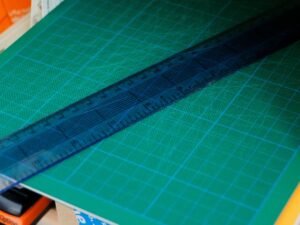
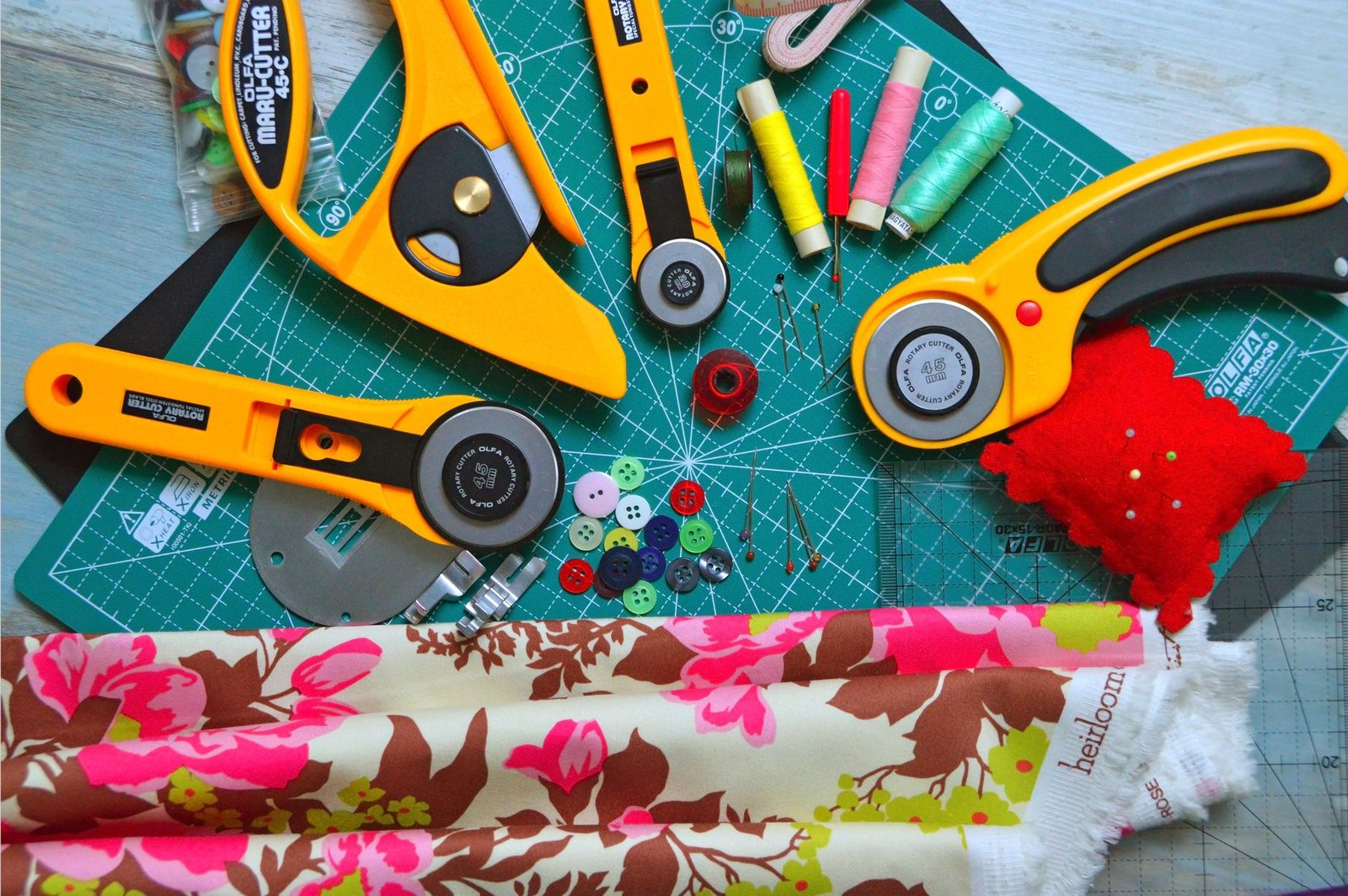
Pairing your mat with the right rotary cutter and ruler rounds out a complete cutting setup, since these three tools genuinely work best as a coordinated system rather than in isolation. A sharp rotary cutter blade, replaced regularly rather than pushed well past its useful life, cuts more cleanly and puts less strain on your mat’s self healing surface than a dull blade dragging and tearing through fabric. A quality acrylic ruler with clear, accurate markings, used alongside your mat’s grid lines rather than instead of them, gives you the precision most piecing patterns actually require. Many quilters at Bee’s Quilt Shop find that investing reasonably in all three pieces of this cutting system together, rather than skimping heavily on one to spend more on another, produces noticeably better and more consistent cutting results overall. Replacing all three components at roughly the same time, rather than letting one lag years behind the others, also keeps the whole cutting system performing at a consistent, predictable level project after project, season after season, for as long as you keep quilting.
Ready to upgrade your cutting setup? Explore our Notions and Tools library here at Bee’s Quilt Shop for more sewing room advice, and browse our current notions collection to see what’s currently available. Explore more Notions & Tools guides on the blog, or browse our Notions collection to see what is currently available.
Frequently Asked Questions
How does a self healing cutting mat actually heal itself?
It’s made from multiple compressed layers of flexible material that flex slightly under a rotary blade and spring back into place afterward. This is different from a hard surface, which stays permanently grooved with repeated cutting.
What size cutting mat should I buy as a beginner?
It depends on your typical project size, though many quilters find a larger mat, around twenty four by thirty six inches, saves time by letting you cut long strips without repositioning. Bee’s Quilt Shop suggests pairing that with a smaller mat for portability if space allows.
Can a self healing cutting mat actually wear out?
Yes, heavy repeated cutting along the same lines or using a dull blade can eventually create visible grooves that no longer close back up. At that point, cutting accuracy usually starts to suffer noticeably.
Is it okay to roll up my cutting mat for storage?
Rolling or leaning a mat for extended periods can cause it to warp, so storing it flat is generally the safer habit. A warped mat no longer sits flush against your table, which can throw off measurement accuracy.
Do I still need a separate ruler if my mat has a printed grid?
Most quilters still use a rotary ruler for precision cuts, since the mat’s grid is mainly useful for general alignment and measuring. Using both together tends to give the most accurate results.
This article is intended for general educational and informational purposes only, based on common quilting and sewing practices. Results vary by mat brand, blade sharpness, and storage habits, and normal common-sense handling of rotary cutters is always recommended. Bee’s Quilt Shop shares this guide as part of our ongoing library of quilting and sewing resources.