Quick answer: A pin cushion keeps pins organized, sharp, and within easy reach, whether it’s a wrist cushion, a magnetic holder, or a traditional stuffed style. The filling matters too, sawdust helps sharpen pin points while wool roving helps prevent rust, so choosing the right type depends on how and where you sew.
A pin cushion is one of those small, unglamorous tools that every sewing room ends up with, and it’s easy to overlook just how much a good one actually improves your workflow until you’ve tried working without one for a while. Beyond simply keeping pins from rolling off the table and disappearing into the carpet, the right pin cushion genuinely speeds up hand sewing, quilting, and garment construction by keeping pins organized, sharp, and within easy reach. This guide covers what a pin cushion is really for, the different types available, and how to choose or even make one that fits your specific sewing habits. Whether you’ve been using the same old cushion for years without a second thought or you’re setting up a sewing space for the very first time, taking a closer look at this small tool is genuinely worth the few minutes it takes.
What A Pin Cushion Is For
A pin cushion’s job goes well beyond just holding pins in one place, even though that’s the most obvious function. It keeps pins organized and accessible during a project, letting you grab and replace pins quickly without fumbling through a loose pile or a flat tin, which genuinely speeds up repetitive tasks like pinning a pattern or basting a quilt sandwich. A good pin cushion also protects pin points from dulling against a hard surface, since many are filled with materials specifically chosen to keep needle and pin tips sharp between uses rather than just cushioning them passively. There’s also a safety element worth mentioning at a common-sense level, keeping loose pins corralled in a dedicated spot rather than scattered across a work surface reduces the chance of an accidental prick or a pin ending up somewhere it shouldn’t, like tracked into carpet or furniture. This matters even more in households with young kids or pets around a sewing space, where a stray pin left on a table or chair poses a bigger risk than it would in a solo, dedicated studio setup. Even in a quieter, adult-only space, a dedicated pin cushion simply reduces the everyday friction of a project, since fumbling for a dropped pin mid-seam is a small but constant interruption most sewists would rather avoid.
Types Of Pin Cushions
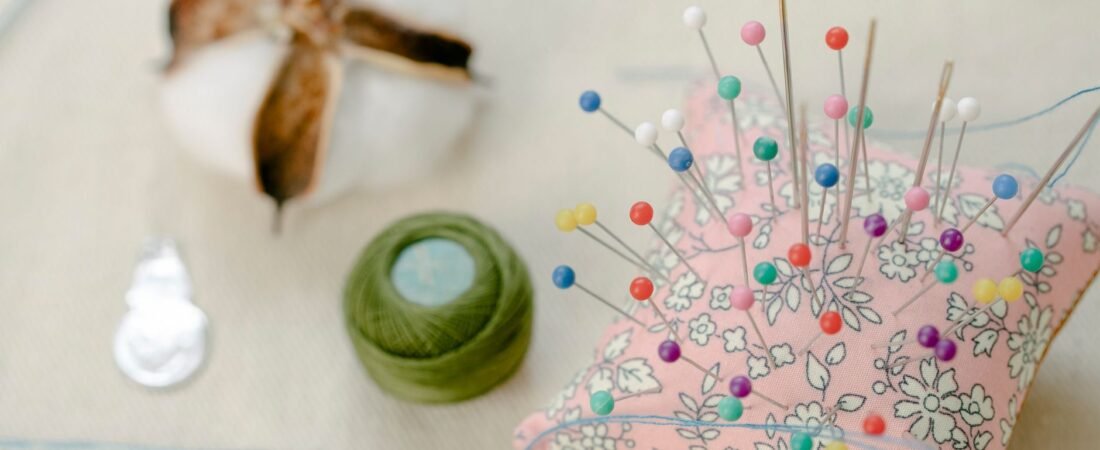
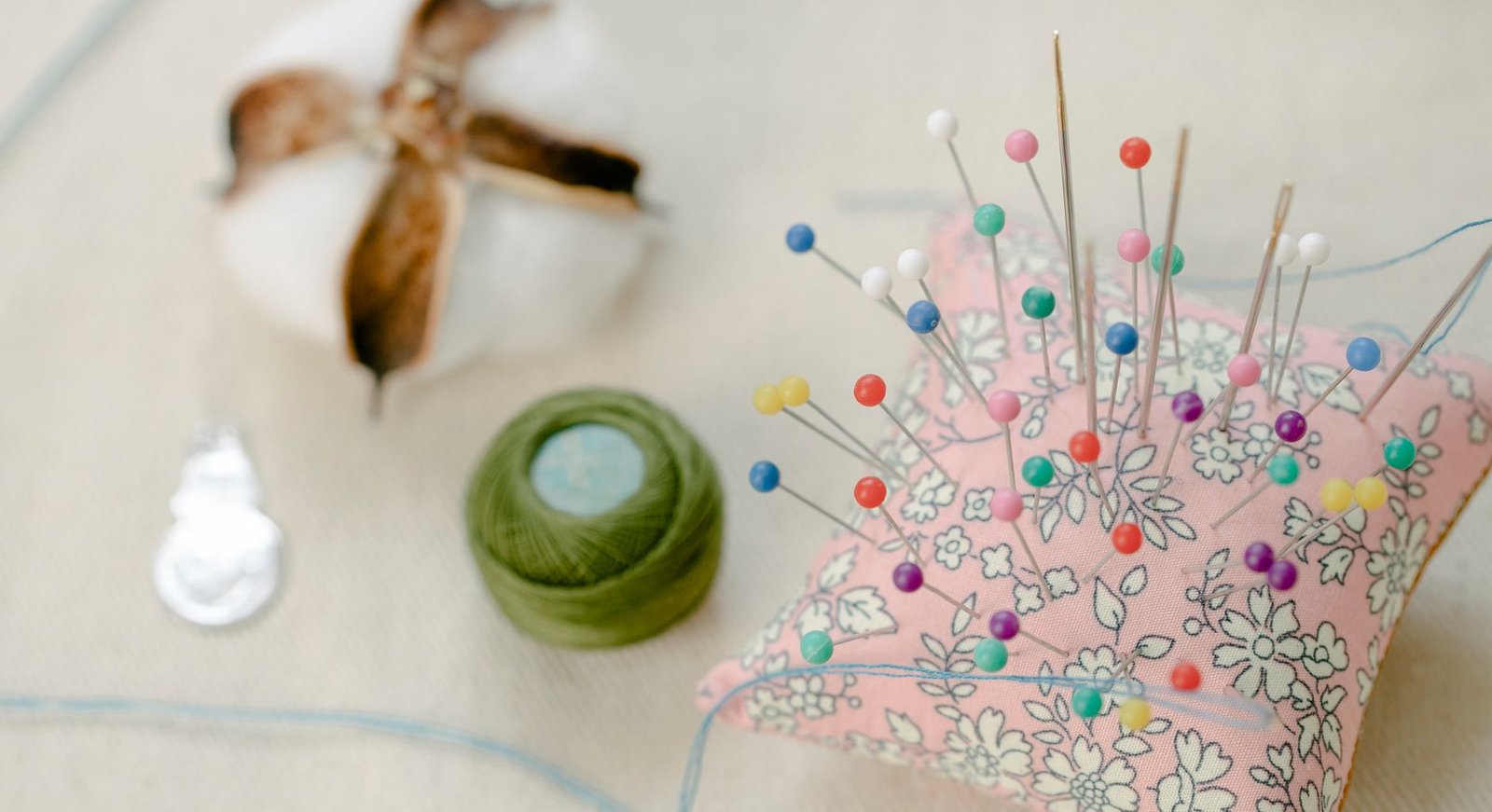
Pin cushions come in a range of styles, and most sewing rooms end up with more than one type since each suits a slightly different situation. Wrist cushions strap directly onto your hand or wrist, keeping pins literally within reach while you’re actively sewing or cutting, which is especially handy for garment construction where you’re moving around fabric on a table rather than sitting still at a machine. Magnetic pin holders use a strong magnet instead of a cushion filling, letting you toss pins toward the dish and have them snap into place rather than needing careful aim, a feature a lot of sewists genuinely love once they’ve tried it. Traditional stuffed cushions, whether the classic tomato shape or a simple round or square design, remain the most common style, sitting on a table or sewing machine and offering a stable, always-available spot to stick pins during a project. Some traditional cushions also come weighted or attached to a small clamp designed to grip a table edge or machine bed, keeping the cushion from sliding around during fast-paced pinning the way a lighter, unweighted cushion sometimes does.
What Pin Cushions Are Stuffed With
What a pin cushion is stuffed with actually matters more than most beginners expect, since the filling affects how well it keeps pins sharp over time. Sawdust, particularly from certain woods, has long been a traditional filling specifically because its slightly abrasive texture helps clean and sharpen pin points with each use, which is part of why the little strawberry-shaped attachment on many tomato pin cushions is filled with sawdust or emery rather than the same soft fiberfill as the rest of the cushion. Wool roving is another traditional filling favored by many quilters, since wool’s natural lanolin content helps prevent pin and needle rust over time, a genuinely useful property in humid climates or for anyone storing pins for extended periods. Synthetic fill, like polyester fiberfill, is the softest and most common option in mass-produced pin cushions, offering a comfortable cushion for pins without the sharpening properties of sawdust or the rust prevention of wool, so it works fine for everyday use but doesn’t offer those extra benefits. Some crafters blend fillings intentionally, using a soft synthetic base with a small sawdust or emery pocket sewn in specifically for point-sharpening, getting a bit of both worlds without committing entirely to one filling type.
Choosing A Pin Cushion For Your Workflow
Choosing a pin cushion really comes down to matching the style to how and where you actually sew. If you do a lot of hand sewing or garment construction that involves standing and moving around a cutting table, a wrist cushion keeps pins with you rather than requiring a trip back to a stationary dish each time. If you sew primarily at a machine, a magnetic pin holder or a traditional cushion sitting right next to your machine works well, keeping pins close without needing to be worn. Quilters who do a lot of basting or pinning large quilt sandwiches often appreciate a larger, more stable traditional cushion or even a magnetic dish, since the volume of pins involved in basting benefits from quick, low-effort placement and retrieval. Some quilters keep two cushions on hand for exactly this reason, a wrist cushion for mobile pinning tasks and a larger stationary one back at the cutting table, switching between them depending on which stage of a project they’re working through.
Making Your Own Pin Cushion
Making your own pin cushion is a genuinely popular beginner project, and it’s easy to see why once you consider how simple the basic concept is, just a small fabric shape stuffed with a filling of your choice. It’s a great way to use up small fabric scraps, practice basic hand or machine sewing skills on a low-stakes project, and end up with a genuinely useful tool at the end rather than just a practice piece destined for a drawer. Many beginner sewing classes and quilting guilds use a simple pin cushion as an introductory project specifically because it teaches basic seam allowances and turning techniques without requiring a large fabric investment or complex pattern. Bee’s Quilt Shop has seen plenty of first-time sewists find real confidence through a simple pin cushion project before moving on to something more ambitious. A finished pin cushion also makes a genuinely thoughtful handmade gift for a fellow sewist or a beginner just starting to build their own sewing kit, since it’s practical, personal, and doesn’t require guessing at anyone’s exact taste in fabric. A themed pin cushion, made in a friend’s favorite color or built around scraps from a shared quilting project, adds an extra personal touch that a store-bought version simply can’t offer, which is part of why these small handmade gifts tend to get so much genuine use rather than being tucked away in a drawer.
Keeping Pins Organized And Easy To Find
Keeping pins organized and easy to find matters just as much once your pin cushion is in regular use, since a jumbled cushion full of mixed pin types can slow you down just as much as no cushion at all. Many sewists find it helpful to dedicate separate cushions or sections to different pin types, like fine silk pins for delicate fabric versus sturdier quilting pins, so you’re not hunting through a mixed pile mid-project. Periodically running a magnet through a fabric-filled cushion can also help catch and remove any pins that have worked their way deep into the filling and out of easy reach. Keeping your pin cushion in a consistent, dedicated spot in your sewing space, rather than letting it wander between the cutting table and the machine, also saves a surprising amount of time over the course of a project. A quick visual check every so often, counting or scanning the cushion for pins that look dulled, bent, or corroded, helps catch a damaged pin before it snags fine fabric or leaves an unwanted mark on a nearly finished piece.
Ready to add a new pin cushion to your sewing space? Explore our Notions and Tools library here at Bee’s Quilt Shop for more sewing room advice, and browse our current notions collection to see what’s currently available. Explore more Notions & Tools guides on the blog, or browse our Notions collection to see what is currently available.
Frequently Asked Questions
What is the little strawberry on a tomato pin cushion actually for?
That small attachment is usually filled with sawdust or emery specifically to help clean and sharpen pin and needle points as you use it. It’s not just decorative, it’s one of the more functional parts of a classic tomato pin cushion.
What’s the best pin cushion filling to prevent rust?
Wool roving is the traditional choice here, since its natural lanolin content helps prevent pins and needles from rusting over time. This makes it especially useful in humid climates or for pins stored for long periods.
Is a magnetic pin holder better than a traditional cushion?
It comes down to personal preference more than one being objectively better, though many sewists find magnetic holders faster since pins snap into place without careful aim. Bee’s Quilt Shop finds traditional cushions remain popular for their portability and classic feel.
Can I make my own pin cushion as a beginner project?
Yes, it’s a genuinely popular first sewing project since it uses minimal fabric and teaches basic seam and turning techniques. Many beginner sewing classes and quilting guilds use it as an introductory project for exactly this reason.
Should I use a different pin cushion for different pin types?
Many sewists find it helpful to separate fine silk pins from sturdier quilting pins so you’re not searching through a mixed pile mid-project. It’s not required, but it does speed up a project once you get used to the habit.
This article is intended for general educational and informational purposes only, based on common sewing room practices. Results vary by filling material, pin type, and personal workflow, and normal common-sense handling around pins is always recommended. Bee’s Quilt Shop shares this guide as part of our ongoing library of quilting and sewing resources.