Quick answer: Fabric tape temporarily holds fabric in place for basting, hemming, and quilting alignment, with types ranging from heat-set fusible web tape to water soluble tape that dissolves completely after stitching. It’s a helpful shortcut for positioning fabric, but it works best alongside sewing rather than as a permanent replacement for it.
Fabric tape has quietly become one of the handiest problem solvers in a lot of sewing rooms, filling the gap between “I need this fabric to stay put for just a minute” and pulling out a needle and thread for a full stitch. It’s not a replacement for sewing, but as a temporary helper for alignment, basting, and quick fixes, fabric tape earns its spot in a well-stocked notions drawer. It’s a small, inexpensive tool, but the right roll on hand at the right moment has saved plenty of quilters from an awkward pinning situation or a zipper that just won’t sit straight no matter how carefully it’s held by hand. This guide covers what fabric tape is actually used for, the different types available, and when it makes sense to reach for tape instead of a needle.
What Fabric Tape Is Used For
Fabric tape serves a handful of genuinely useful purposes, most of them centered around holding fabric temporarily in place without the commitment of pins or stitches. Temporary basting is probably its most common use, holding two pieces of fabric together just long enough to sew a permanent seam, which is especially handy in spots where pins would get in the way of the machine or where hand basting would simply take too long. Hemming is another popular application, particularly for a quick, no-sew hem on a garment that needs a fast fix rather than a full tailored repair. Quilting alignment is a use that a lot of quilters discover almost by accident, using fabric tape to hold binding, applique pieces, or a zipper in place before stitching, which can genuinely improve accuracy compared to trying to hold everything steady by hand while sewing. Zipper installation is another area where fabric tape shines, letting you position a zipper precisely along a seam edge and check the alignment before committing to a line of stitching, which tends to produce a noticeably straighter, more professional-looking result than eyeballing a pinned zipper.
Types Of Fabric Tape
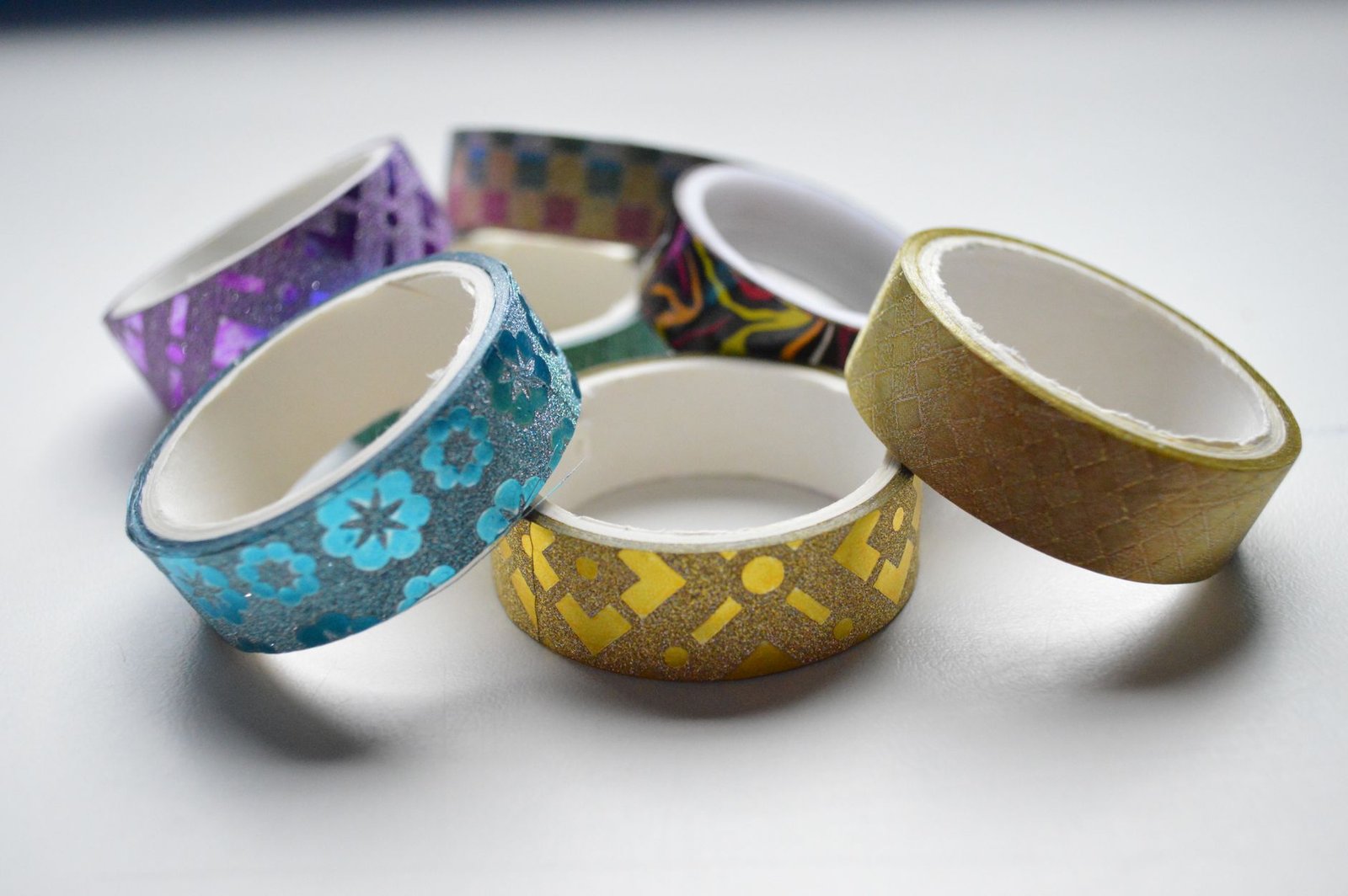
Different types of fabric tape suit different jobs, and knowing the distinctions helps you pick the right one instead of grabbing whatever’s closest. Fusible web tape uses heat from an iron to bond two layers of fabric together semi-permanently, and it’s a popular choice for hemming and applique specifically because the bond, once set, holds through normal washing rather than being purely temporary. Water soluble tape, sometimes called wash-away tape, holds fabric in place during stitching and then dissolves completely in water afterward, making it especially popular for quilting and applique where you don’t want any tape residue left behind in the finished piece. Washi-style decorative tape, the colorful paper tape popular in crafting and journaling, occasionally gets used in sewing rooms too, mostly for marking or labeling rather than actually holding fabric layers together, since it doesn’t have the same adhesive strength or heat resistance as true fabric tapes. Double-sided fabric tape, sold specifically for temporary basting rather than a permanent bond, is worth knowing about as a fourth option, since it grips fabric on both sides without heat or moisture, making it a genuinely convenient middle ground between the fully temporary washi tape and the semi-permanent fusible web. Checking the width and adhesive strength listed on the packaging before buying helps too, since a narrow, low-tack tape suited to delicate applique work behaves quite differently from a wider, stronger tape meant for holding heavier layers in place during basting.
Fabric Tape Vs Fabric Glue
Comparing fabric tape to fabric glue comes up a lot for anyone trying to figure out which temporary or semi-permanent bonding method fits a specific task better. Fabric tape tends to offer more precision and cleaner application, since you can position and reposition it fairly easily before committing, and it doesn’t require drying time the way liquid glue does. Fabric glue, on the other hand, can bond a wider range of surface shapes and textures, including edges and curves where tape might not adhere as evenly, and some fabric glues are formulated to be more permanent and washable than most tapes. For most quick alignment or basting tasks, tape tends to be the more convenient choice simply because there’s no waiting for it to set, while glue often makes more sense for a genuinely permanent bond on trims, appliques, or embellishments that won’t be stitched down separately. Cost and mess are worth factoring in too, since tape tends to be less messy for quick jobs, while a small bottle of fabric glue often stretches further across a larger number of projects if permanence matters more than convenience.
Using Fabric Tape For Quilting Alignment
Using fabric tape for quilting alignment is one of its more specialized but genuinely valuable roles, particularly for binding and applique placement. When applying binding to a finished quilt, a strip of fabric tape can hold the binding in place along the edge before stitching, keeping it from shifting the way pins sometimes allow, especially around corners where precise folding matters. For applique, water soluble tape or a light fusible tape can temporarily secure a shape exactly where you want it before you stitch it down permanently, which is especially useful for intricate or curved shapes that are hard to pin accurately without distorting the fabric underneath. Many quilters find that once they try fabric tape for these specific tasks, it becomes a regular part of their process rather than an occasional tool. Marking straight lines for topstitching or quilting is another handy use, since a strip of narrow tape laid along a planned stitch line gives your machine’s presser foot a visible edge to follow without needing to draw directly on the fabric with a marker.
Removing Fabric Tape Without Damage
Removing fabric tape without damaging the fabric underneath depends a lot on which type you used and how long it’s been in place. Water soluble tape is by far the easiest to deal with since it simply dissolves in water, leaving no residue to worry about at all, which is exactly why it’s so popular for quilting projects where a clean finish matters. Fusible web tape, once set with heat, is meant to be permanent, so removing it typically means reheating the bond with an iron and gently peeling while warm, though this doesn’t always leave the fabric looking pristine afterward. For any tape residue that does linger, a gentle rubbing with a bit of rubbing alcohol on a cloth, tested first on a hidden area of the fabric, often helps lift sticky residue without damaging most quilting cotton. Acting sooner rather than later also makes removal considerably easier across every tape type, since adhesive that’s had time to fully cure or set tends to bond more stubbornly than tape that’s only been in place for a short working session.
When Sewing Beats Taping For A Finished Project
Sewing beats taping for a finished, lasting project every time, and it’s worth setting that expectation clearly since fabric tape is genuinely meant as a helper rather than a permanent solution. A taped hem or seam might hold up fine for a single wear or a quick fix, but it won’t withstand repeated washing and wear the way a properly stitched seam will, so treating tape as a temporary bridge rather than a final answer helps avoid disappointment down the road. Many sewists at Bee’s Quilt Shop reach for fabric tape specifically to hold something in place while they sew it properly, using tape and stitching together rather than choosing one over the other, which tends to give the best combination of speed during construction and durability in the finished piece. Keeping a small assortment of fabric tape types on hand, rather than just one, means you’re always ready to reach for the right tool the moment a project calls for it, instead of making do with whatever happens to be closest. Trying a small roll of each major type over the course of a few projects is a low-cost way to figure out which ones genuinely earn a permanent spot in your own sewing kit versus which ones you can comfortably skip.
Ready to add fabric tape to your sewing toolkit? Explore our Notions and Tools library here at Bee’s Quilt Shop for more sewing room advice, and browse our current notions collection to see what’s currently available. Explore more Notions & Tools guides on the blog, or browse our Notions collection to see what is currently available.
Frequently Asked Questions
What is fabric tape actually used for?
It’s mainly used for temporary basting, quick no-sew hemming, and holding binding or applique pieces in place before stitching. It saves time compared to pinning or hand basting in a lot of situations.
Is fabric tape the same as fusible web?
Fusible web tape is one specific type of fabric tape that uses heat to create a semi-permanent bond, but there are other types like water soluble tape that work differently. Bee’s Quilt Shop suggests picking the type based on whether you want a temporary or lasting hold.
Does fabric tape leave residue on fabric?
It depends on the type, water soluble tape dissolves completely in water and leaves nothing behind, while fusible web is meant to be permanent once set with an iron. Testing removal on a hidden area of fabric first is always a smart habit.
Can I use fabric tape instead of pins for quilting?
For some tasks like binding or applique placement, tape can actually work better than pins since it holds fabric flat without adding bulk or shifting the layers. Many quilters use both, tape for precise spots and pins for general basting.
Is fabric tape strong enough to skip sewing altogether?
Not for anything meant to last, tape works well as a temporary helper but won’t hold up to repeated washing and wear the way a properly stitched seam will. It’s best used to hold fabric in place while you sew it properly, not as a final finish.
This article is intended for general educational and informational purposes only, based on common sewing practices. Results vary by tape brand, fabric type, and how the tape is used, so testing on a scrap piece before starting a full project is always a good idea. Bee’s Quilt Shop shares this guide as part of our ongoing library of quilting and sewing resources.