Quick answer: Silk sewing thread offers a natural sheen, fine diameter, and genuine strength that make it well suited to applique, hand piecing, and fine garment construction. It costs more than cotton or polyester but excels in visible detail work.
Silk sewing thread occupies a distinctive, somewhat luxurious niche within the world of sewing notions, prized by quilters and garment sewists alike for qualities that cotton and polyester thread simply can’t fully replicate. If you’ve ever handled a spool of true silk thread, you probably noticed the subtle sheen and remarkable strength immediately, even before threading it through a needle for the first time. This guide covers what actually makes silk thread different from more common alternatives, how it compares directly to cotton and polyester thread, the best applications where silk genuinely earns its higher price tag, an honest look at when the added cost is actually worth it, practical tension and machine considerations for working with this finer, slipperier thread, and how to store it properly so it lasts. Whether you’re curious about trying silk thread for the first time or you already reach for it regularly, this guide covers the practical basics. At Bee’s Quilt Shop, silk thread questions come up most often from quilters and sewists working on especially fine applique or heirloom-quality projects. It’s one of those notions that most sewists don’t think much about until a specific project’s detail level genuinely calls for it, at which point the difference silk makes becomes obvious almost immediately.
What Makes Silk Sewing Thread Different
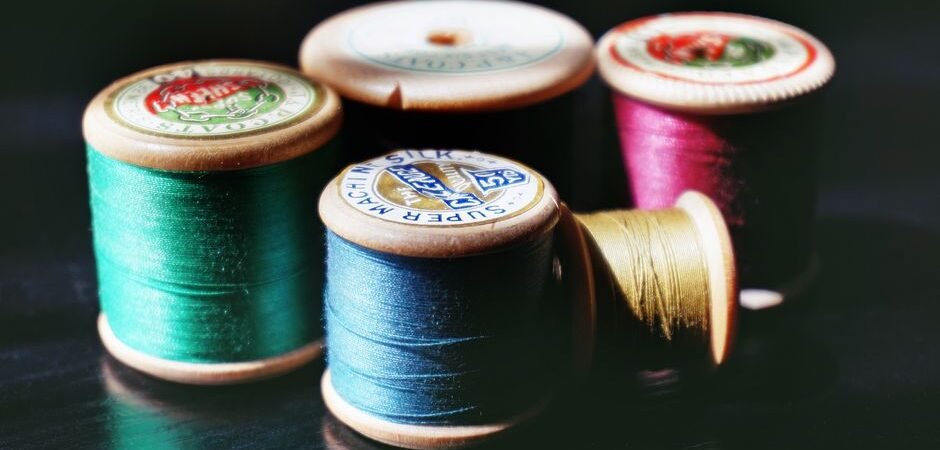
Silk sewing thread is spun from natural silk fibers, giving it a combination of characteristics that set it apart clearly from both cotton and synthetic thread options. The most immediately noticeable quality is its natural sheen, a subtle luster that catches light differently than the flatter, more matte finish typical of cotton thread, lending visible stitching a refined, almost jewelry-like quality in the right light. Beyond appearance, silk thread offers genuinely impressive strength relative to its fine diameter, allowing it to disappear visually into a seam or applique edge while still holding up to real structural demands. Silk also has a small amount of natural elasticity that neither cotton nor most polyester threads quite replicate, letting stitches flex slightly with fabric movement rather than staying perfectly rigid, which can reduce stress on both the thread and the surrounding fabric over time. Silk thread also comes in a range of weights, from very fine threads suited to delicate applique work to slightly heavier options used for hand quilting, so it’s worth understanding that not all silk thread serves the exact same purpose despite sharing the same base fiber.
Silk Thread Vs Cotton And Polyester Thread
Comparing silk to cotton and polyester thread really comes down to understanding what each fiber does particularly well. Cotton thread offers excellent stitch definition and a classic, traditional look well suited to quilting specifically, along with good heat tolerance for pressing, but it lacks silk’s fine sheen and natural give. Polyester thread brings excellent overall strength and superior colorfastness at a genuinely affordable price point, making it the practical default for a huge range of everyday sewing, though it doesn’t offer silk’s particular combination of fine diameter and natural luster. Silk thread’s distinguishing advantage really comes down to its unique combination of extreme fineness, genuine strength, and that natural sheen, letting it essentially disappear into a seam while still performing reliably, which is a combination neither cotton nor polyester quite matches in the same way. That said, neither cotton nor polyester should be thought of as inferior thread overall, since each fiber genuinely excels within its own typical use case, and the right choice really depends on matching thread type to the specific demands of the project at hand rather than assuming one fiber is universally superior.
Best Uses For Silk Thread
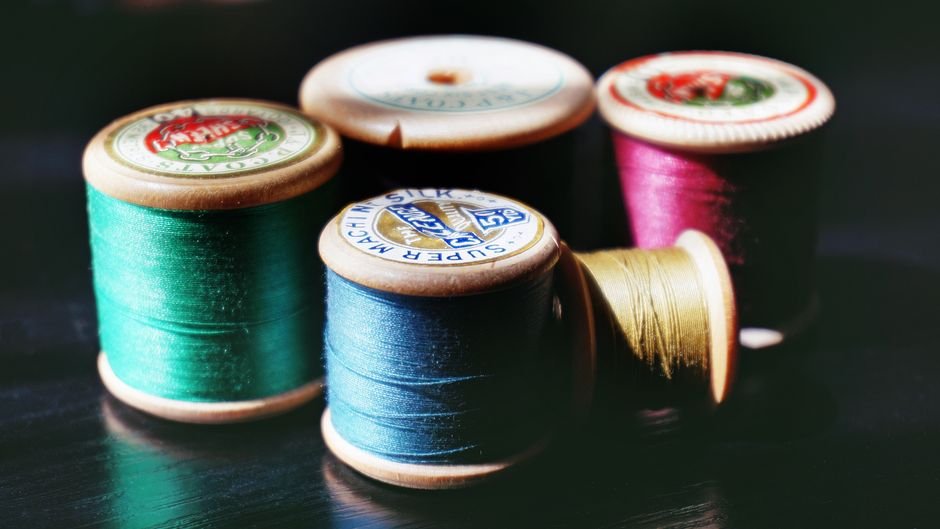
Silk thread earns its keep in a handful of specific applications where its particular qualities genuinely matter to the finished result. Applique work is probably the single most common use, since silk’s fine diameter and natural sheen let stitches blend almost invisibly into the applique edge, producing that coveted “disappearing stitch” look skilled appliquers are often going for. Hand piecing, particularly for heirloom or exhibition-quality quilts, benefits from silk’s combination of strength and fineness, holding pieced seams securely without adding visible bulk. Fine garment construction, especially with delicate fabrics like silk yardage itself, wool suiting, or other refined materials, also suits silk thread well, since its natural give complements the drape and hand of similarly fine, higher-end fabrics better than a stiffer synthetic thread might. Basting delicate fabric layers together is another lesser-known application where silk thread genuinely shines, since its fine diameter leaves minimal visible holes behind once the basting stitches are removed, a real concern when working with fabric that shows needle marks easily.
Why Silk Thread Costs More And When It’s Worth It
Being honest about cost is important here, since silk thread runs noticeably more expensive per spool than cotton or polyester alternatives, and that added cost isn’t equally justified across every project. For everyday quilting cotton piecing, general garment construction, or utility sewing where stitches won’t be highly visible or where the fabric itself isn’t especially fine or delicate, polyester or cotton thread performs perfectly well and doesn’t leave much practical benefit on the table by skipping silk. Where silk genuinely earns its price is in visible, detail-focused work, like fine applique, hand piecing on an heirloom project, or garment construction using comparably fine, high-end fabric, where the specific qualities silk offers make a real, visible difference in the finished result. Many experienced sewists reserve silk thread specifically for these detail-focused applications rather than using it as an everyday default, treating it as a specialty tool for specific situations rather than a wholesale upgrade to their everyday thread supply. Thinking of silk thread as one specialty tool among many in a well-stocked sewing room, rather than a universal upgrade, tends to lead to the most satisfying and cost-effective results over the long run.
Tension And Machine Considerations For Silk Thread
Working with silk thread does require a few tension and handling adjustments compared to more common thread types, mostly because of its fine diameter and naturally slippery hand. Machine tension often needs slight adjustment when switching to silk, since its finer diameter and smoother surface behave differently than cotton or polyester under a machine’s standard tension settings, and testing on a scrap of your actual project fabric before committing to a full seam helps catch any needed adjustment early. A finer needle, sized appropriately to the thread’s delicate diameter, also helps prevent skipped stitches or unnecessary strain on the thread as it passes through the fabric. Because silk thread can be genuinely slippery to work with by hand as well as by machine, some sewists find it helpful to work in shorter thread lengths for hand sewing specifically, since a very long working thread increases the chances of tangling or knotting mid-project. Running the thread lightly through a bit of beeswax or a commercial thread conditioner before hand sewing can also help tame some of that natural slipperiness, making silk noticeably easier to control during longer hand-stitching sessions.
Storing Silk Thread Properly
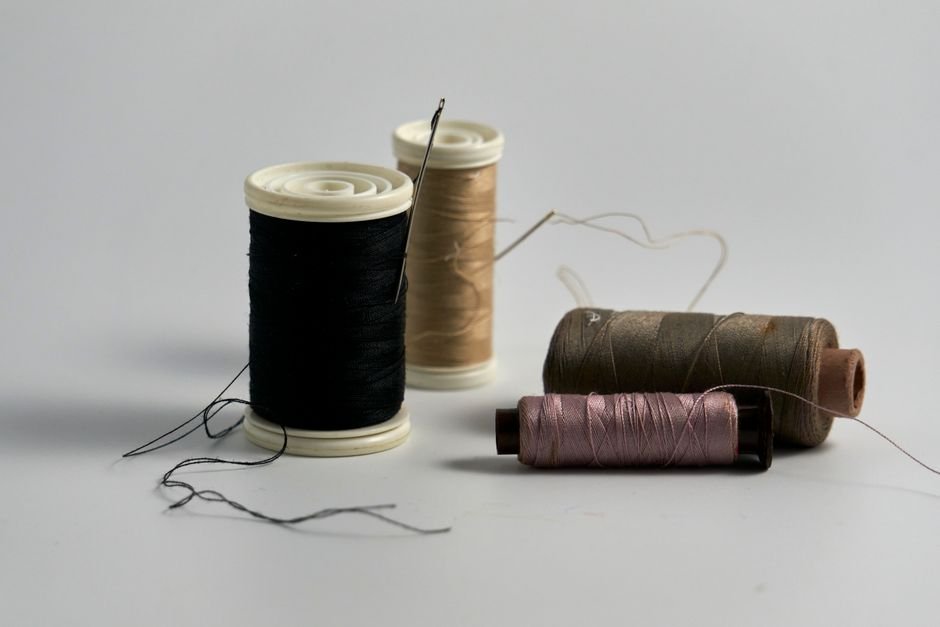
Storing silk thread properly helps preserve both its strength and its natural sheen over years of occasional or infrequent use. Keeping spools away from direct sunlight prevents the kind of gradual fading and fiber weakening that UV exposure causes in silk more noticeably than it does in synthetic thread. A cool, dry storage location, away from humidity extremes, also helps protect natural fiber thread from the kind of degradation that can affect any natural material over time in poor storage conditions. Keeping silk thread in a dedicated case or container, separate from thread you use daily, both protects it from dust and handling wear and makes it easier to locate when a project specifically calls for it, rather than losing track of a specialty spool among a much larger everyday thread collection. Labeling silk spools clearly by weight and color, since fewer sewists keep a large personal stock of this specialty thread compared to everyday cotton or polyester, also helps you find exactly the right spool quickly the next time a detail-focused project calls for it.
Ready to try silk thread for detail work? Explore our Notions and Tools guides here at Bee’s Quilt Shop for more sewing supply advice, and browse our current sewing thread collection to see what’s available right now. Explore more Notions & Tools guides on the blog, or browse our Sewing Thread collection to see what is currently available.
Frequently Asked Questions
What makes silk sewing thread different from cotton or polyester?
Silk offers a natural sheen, genuine strength relative to its fine diameter, and a small amount of natural elasticity that neither cotton nor most polyester thread quite replicates. It lets stitches nearly disappear into a seam.
Is silk thread worth the extra cost for everyday sewing?
For everyday quilting cotton piecing or general garment construction, polyester or cotton performs perfectly well. Silk earns its price specifically in visible, detail-focused work like fine applique or heirloom hand piecing.
Do I need to adjust my machine tension for silk thread?
Often yes, since silk’s finer diameter and smoother surface behave differently than cotton or polyester under standard tension settings. Testing on a scrap of your project fabric first helps catch any needed adjustment.
What needle size works best with silk thread?
A finer needle, sized appropriately to the thread’s delicate diameter, helps prevent skipped stitches or unnecessary strain as it passes through fabric. This matters more with silk than with heavier thread types.
How should I store silk thread to keep it in good condition?
Keeping spools away from direct sunlight and in a cool, dry location protects both strength and sheen over time. Bee’s Quilt Shop recommends a dedicated case separate from everyday thread so specialty spools stay easy to find.
This article is intended for general educational and informational purposes only, based on common sewing practices. Results vary by thread weight, fabric type, and machine settings, so testing on scrap fabric first is always a good idea. Bee’s Quilt Shop shares this guide as part of our ongoing library of quilting and sewing resources.