
Quick answer: Making a quilt moves through distinct stages, from initial planning through piecing, sandwiching, quilting, and binding, and many quilters keep several projects moving through different stages at once.
Rather than walking through how to actually construct a specific quilt, this guide steps back to look at the bigger picture: the full arc a quilt moves through from initial idea to finished, bound project, and how experienced quilters often manage multiple projects moving through different parts of that arc simultaneously without any real confusion. Understanding this roadmap helps you set realistic expectations for how long a quilt genuinely takes, and it explains why many quilters comfortably juggle several unfinished projects at once rather than seeing that as a sign of poor planning or a lack of genuine follow-through on their part. If you’ve ever wondered why quilters talk about having “several projects going” at once, this bigger-picture view explains exactly why that’s such a common and genuinely sustainable way to work rather than a chaotic exception to the norm. This guide covers deciding whether you’re ready to start a quilt, the planning stage before any cutting begins, piecing as typically the longest stage, the quilt sandwich and quilting middle stretch, binding and finishing as the final stage, and running multiple quilts at different stages simultaneously. At Bee’s Quilt Shop, we find this roadmap view genuinely reassuring for quilters worried they’re not progressing “correctly” through their own projects at their own individual pace and rhythm.
Deciding Whether You’re Ready To Start A Quilt
Deciding you’re ready to start a new quilt doesn’t require having every single detail nailed down in advance, contrary to what a perfectionist instinct might suggest before you even pull out a single piece of fabric to begin cutting. If you have a reasonably clear sense of your intended size, general color direction, and chosen pattern or block style, you have enough to begin gathering fabric and start planning confidently without waiting for absolute certainty on every single point along the way. Waiting for complete certainty on every decision before starting often just delays a project indefinitely, when many of those remaining details naturally resolve themselves once you’re actually working with fabric in hand and can see how choices genuinely play out in reality rather than just in your head beforehand.
Planning And Design: The Stage Before Any Cutting
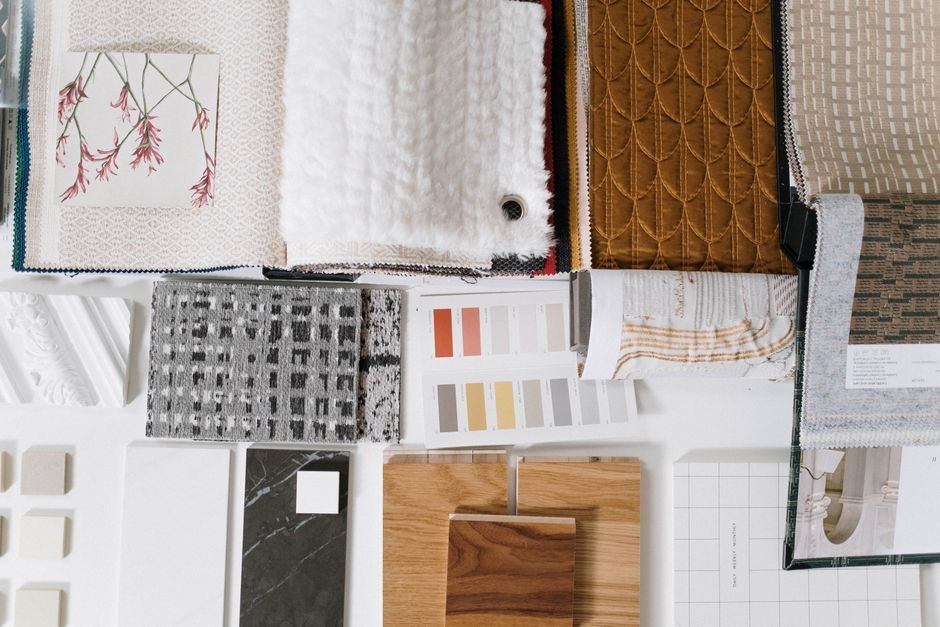
The planning and design stage happens entirely before any fabric gets cut, and it’s tempting to rush through it in your excitement to start sewing, but time spent here genuinely pays off later in the overall project timeline and outcome. This stage involves finalizing your pattern choice, selecting and purchasing fabric, and doing any necessary math around yardage and block sizing before a single cut is ever made on your cutting mat at home. Skipping ahead to cutting before this planning feels solid often leads to running short on a key fabric or realizing partway through piecing that your color plan isn’t working the way you’d originally imagined it would once the fabrics were actually laid out side by side together.
Piecing: The Stage That Takes The Longest
Piecing is, for most pieced quilt patterns, genuinely the longest stage in the entire process, and setting realistic expectations here prevents unnecessary frustration partway through a project that’s taking longer than you initially hoped it might. Cutting fabric, assembling individual blocks, and sewing those blocks together into a complete top all fall within this stage, and larger quilts with more blocks naturally stretch this stage out considerably compared to smaller, simpler projects with fewer total pieces overall. Breaking piecing into smaller sessions, rather than trying to power through it all at once in a single marathon sitting at your sewing machine, tends to keep the process enjoyable rather than genuinely exhausting and helps preserve your accuracy across the whole project from beginning to end.
Quilt Sandwich And Quilting: The Middle Stretch
The quilt sandwich and quilting stage forms the middle stretch of the overall process, transforming your finished flat top into an actual layered, textured quilt with real dimension and genuine warmth. This stage includes layering your top with batting and backing, basting the layers securely together, and then completing the actual quilting stitches, whether by hand or machine, across the entire surface of the piece. This stage often moves faster than piecing did, especially with machine quilting on a home machine or through a long-arm service booked well in advance, but it demands its own kind of careful attention to avoid puckering or shifting layers partway through the stitching process.
Binding And Finishing: The Final Stage
Binding and finishing represents the final stage, transforming a quilted piece into a genuinely complete, usable quilt with clean, durable edges that will hold up to years of regular handling and repeated washing. This stage involves trimming the quilted layers evenly, attaching binding strips around the perimeter, and stitching the binding down securely on the back by hand or machine, whichever method you personally prefer for the finish. Though it’s often one of the quicker stages time-wise compared to piecing, it’s also one where rushing tends to show clearly in the finished result, so taking your time here is worth it for the polished final impression the quilt will leave with anyone who sees or uses it in the years ahead.
Running Multiple Quilts At Different Stages At Once
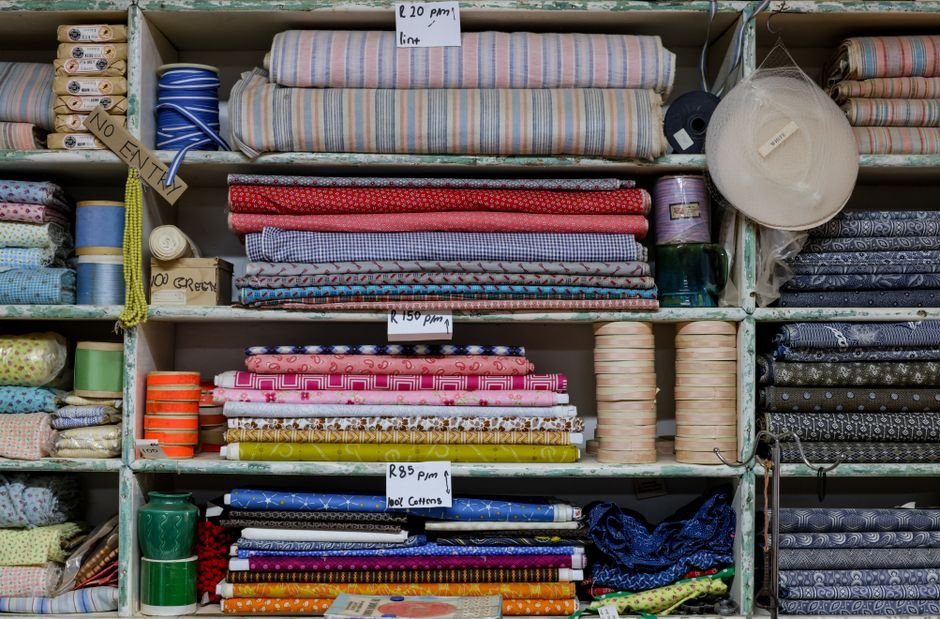
Running multiple quilts at different stages simultaneously is extremely common among experienced quilters, and understanding why can help newer quilters feel less pressure to finish one project entirely before starting another they’re genuinely excited about beginning. A quilter might have one project still in the piecing stage, another finished top waiting for its turn at quilting, and a third quilt already quilted and simply waiting on binding, all moving forward in parallel across different pockets of available free time scattered throughout the week. This approach lets a quilter always have something appropriate to work on regardless of mood, available time, or which specific stage feels most appealing on a given day, rather than feeling stuck if one particular stage isn’t holding their interest at that particular moment in time. Keeping a simple written or mental list of exactly where each active project currently stands also prevents the common frustration of picking up an unfinished top months later and having to puzzle out what step comes next before continuing. Many long-time quilters keep a dedicated project basket or labeled bin for each quilt in progress specifically to make this kind of quick check easier at a glance without digging through a pile of half-finished work. A small sticky note pinned to each project noting the last completed step, and the very next one planned, takes almost no time to maintain but saves real mental effort every time you sit back down after a break. Over a full quilting career, this kind of light organizational habit tends to matter more than any single tool or technique in actually finishing the growing pile of projects a quilter naturally accumulates over the years. Giving yourself genuine permission to move a stalled project to the back of the queue for a while, rather than feeling obligated to push through when the interest genuinely isn’t there, often makes it easier to return to that same project later with real enthusiasm. Many quilters find their most successful finishes come from projects they picked back up voluntarily rather than ones they forced themselves through out of guilt or obligation to finish something already started. This same permission also applies to entirely abandoning a project that no longer feels meaningful, whether because tastes have changed or the original occasion has simply passed, and salvaging the fabric for a future, more inspired project instead. There’s no failure in redirecting materials this way, only a practical recognition that not every started project genuinely needs to become a finished quilt in the end. Being honest with yourself about which projects still spark real enthusiasm, versus which ones have simply become an obligation, tends to make for a far more sustainable, realistic, and genuinely enjoyable quilting practice over many years of active, ongoing, and genuinely rewarding creative work spent regularly at the sewing machine, ironing board, and cutting table alike, project after project.
Ready to map out your next quilting project? Browse our General Sewing and Quilting guides for more planning tips, or explore our Patterns collection to see what’s currently available.
Frequently Asked Questions
What are the main stages a quilt goes through?
Broadly: planning and design, piecing the top, layering and basting the quilt sandwich, quilting, and finally binding and finishing the edges.
How do I know if I’m ready to start a new quilt?
If you have a clear enough idea of size, colors, and pattern to gather fabric confidently, you’re generally ready, even if every detail isn’t fully decided yet.
Which stage tends to take the longest?
Piecing the quilt top usually takes the longest for pieced patterns, especially for larger quilts or designs with many small pieces per block.
Is it normal to have quilts at different stages at once?
Very common. Many quilters keep a piecing project, a project ready for quilting, and a finished top waiting on binding all moving forward simultaneously.
Does project size change how the stages play out?
Yes, larger quilts stretch out the piecing and quilting stages considerably, while smaller projects like table runners can move through every stage quickly.
This article is intended for general educational and informational purposes only, based on common quilting practices. Individual workflow and pacing vary between quilters. Bee’s Quilt Shop shares this guide as part of our ongoing library of quilting and sewing resources.