Quick answer: A t-shirt blanket typically skips the layered batting and detailed quilting of a true quilt, instead using a tied or fleece-backed construction that’s faster to finish but less durable over the long term.
Nearly every quilter who has ever inherited a box of sentimental shirts eventually asks this exact question before starting. If you’ve been researching ways to repurpose a collection of meaningful t-shirts, you’ve probably noticed both “t-shirt quilt” and “t-shirt blanket” come up frequently, sometimes used almost interchangeably and sometimes clearly describing two genuinely different finished products with different construction methods, different time commitments, and different tools required to complete them properly and successfully. Understanding what actually separates a blanket from a true quilt helps you choose the right project for your goals, your available time, and your current sewing skill level, rather than starting one type of project only to realize partway through that you actually wanted the other one instead all along and now have to change course midway. This guide compares what makes something a blanket rather than a quilt, tied versus quilted construction, fleece-backed blanket construction specifically, why someone might choose a blanket over a full quilt, durability differences between the two, and how to decide which option fits your particular shirts and skills best for your situation. At Bee’s Quilt Shop, this exact distinction comes up regularly with quilters deciding how to approach their t-shirt project before they’ve cut a single piece of fabric or committed to a specific plan for the whole thing. Taking a few minutes to understand both options before you start almost always saves time, fabric, and frustration later in the project once you’re deep into cutting and sewing. Many quilters wish someone had explained this distinction to them clearly before their very first t-shirt project rather than after.
What Makes Something A Blanket Rather Than A Quilt
The core distinction between a blanket and a true quilt comes down to construction method rather than appearance alone, since both can look quite similar from the front once finished and displayed proudly on a bed, couch, or the back of a favorite chair. A true quilt layers a pieced top, batting, and backing together, then secures all three layers with dense, distributed quilting stitches across the entire surface from edge to edge without any significant gaps left unstitched anywhere across the piece. A blanket, in the context of t-shirt projects, typically skips that dense quilting step, instead using a simpler construction like tying or a single backing layer that doesn’t require the same continuous stitching commitment a true quilt demands from start to finish across the whole surface. Both approaches ultimately produce a usable, washable finished item that will genuinely get used and loved, but the amount of time and machine work required to get there differs enormously between the two paths you could choose. Understanding this distinction up front, before buying any backing fabric or batting, helps you shop for exactly the right materials the first time around.
Tied Vs Quilted Construction
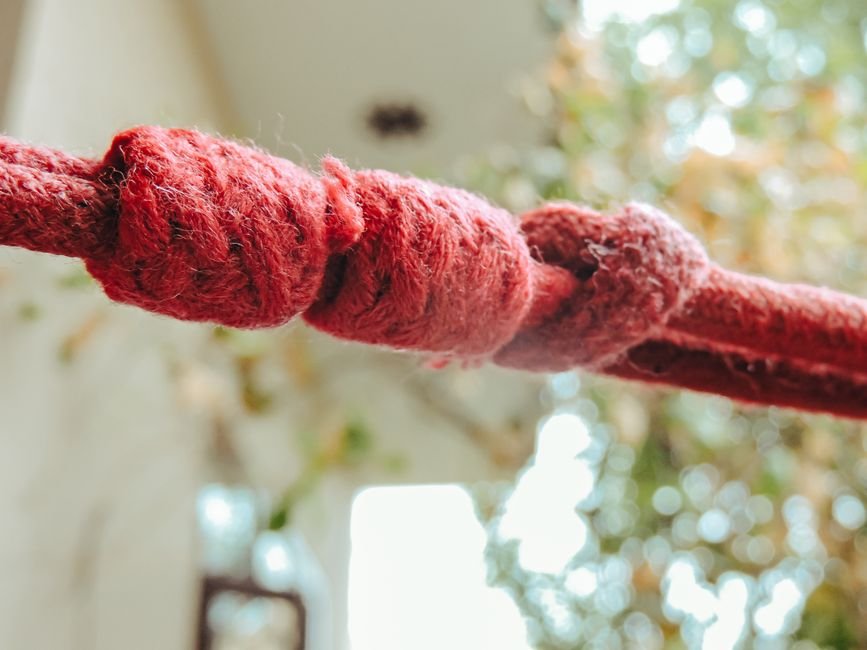
Tied construction is one of the most common approaches for a t-shirt blanket, involving securing the pieced top to its backing at regular intervals using short lengths of yarn or thick thread, rather than continuous quilting lines running across the whole surface of the finished piece from corner to corner. This method is considerably faster than machine or hand quilting, since you’re securing the layers at specific points rather than stitching continuously across the entire top, making it an appealing option for a quicker project or for someone not yet confident in their machine quilting skills at this particular stage of their sewing journey and development. The tied dots also add a distinct decorative element of their own, giving the finished piece a slightly different visual character than a fully quilted surface would have, and many makers actually choose colored yarn specifically to make the ties a deliberate design feature rather than a purely functional, hidden detail. Ties are typically spaced anywhere from four to six inches apart across the surface, close enough to keep the batting or fleece from bunching up unevenly after repeated washing over the years.
Fleece-Backed T-Shirt Blankets Explained
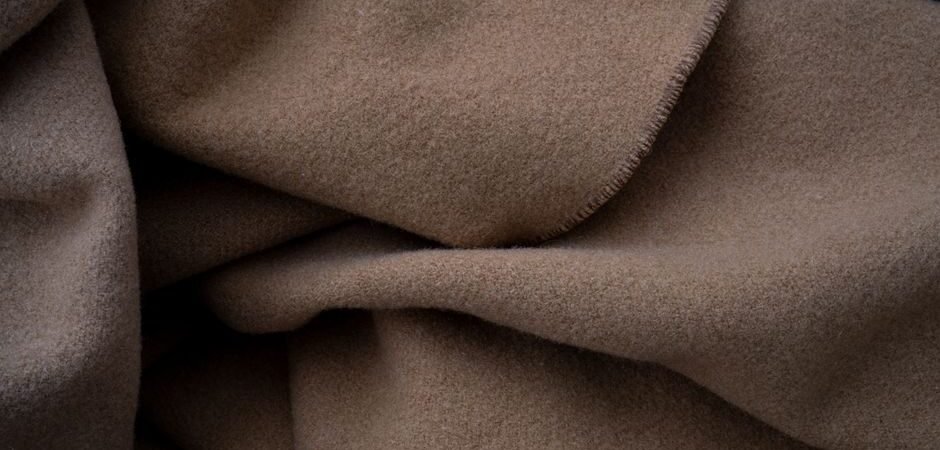
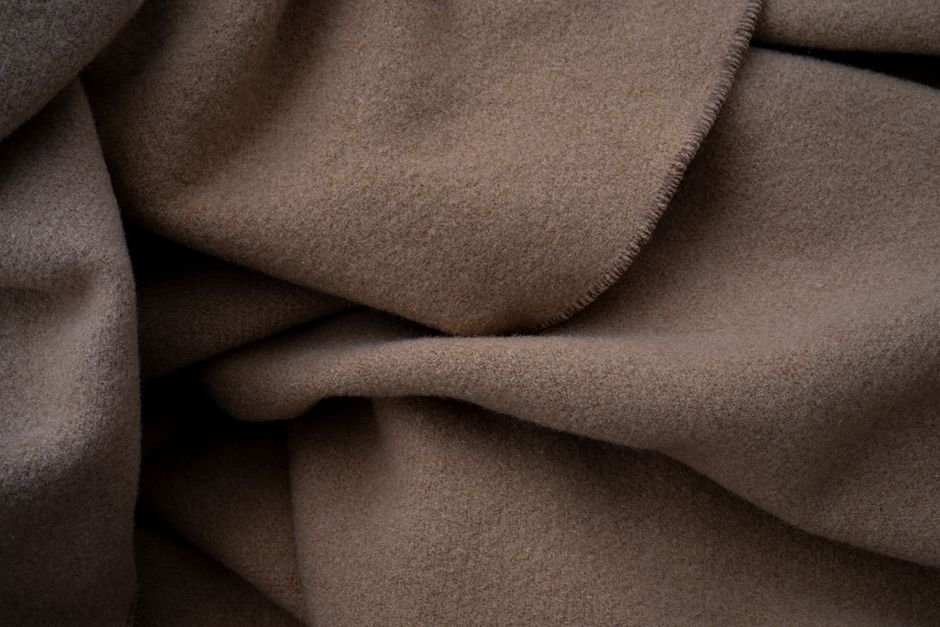
A fleece-backed t-shirt blanket represents another popular blanket-style approach, pairing the pieced t-shirt top directly with soft fleece fabric instead of the batting and separate backing a true quilt would use for its overall construction and warmth. This construction skips the middle batting layer entirely, relying on the fleece itself to provide warmth and softness, which considerably simplifies the assembly process and shortens the overall project timeline from start to finish by a fairly wide margin compared to a fully layered and quilted piece. The resulting blanket tends to be lighter and less bulky than a fully batted quilt, while still delivering genuine coziness thanks to the fleece backing doing double duty as both warmth and structural support for the pieced top at once. Many makers finish a fleece-backed blanket with a simple straight-stitched or serged edge rather than traditional mitered binding, which further speeds up the finishing stage considerably and suits a more casual, everyday finished piece well.
Why Some People Choose A Blanket Over A Quilt
People choose a blanket-style construction over a full quilt for a range of practical reasons beyond simply preferring the look of a tied or fleece-backed finish over a fully quilted one. The considerably faster construction timeline appeals to anyone working under a gift deadline or simply eager to see their shirts transformed into something usable sooner rather than later after months of planning and slowly collecting shirts from a closet, drawer, or memory box. Newer sewists not yet comfortable with quilting a full layered sandwich often find tied or fleece-backed construction a more approachable entry point into working with t-shirt fabric specifically, saving the more involved quilting techniques for a future project once their confidence has grown considerably through this first, simpler attempt at the craft. Cost can also factor into the decision, since skipping batting in favor of a single fleece layer sometimes works out to a more economical choice depending on current fabric prices and what’s already on hand in your stash.
Durability Differences Between The Two
Durability differences between the two approaches are worth understanding honestly before you commit to one over the other for a project you’re hoping will last for many years of regular, everyday household use. A true quilt’s dense, distributed quilting stitches secure the layers at many points across the entire surface, distributing stress evenly and generally holding up better to years of regular washing and everyday handling around the house and on the go. A tied or fleece-backed blanket, with fewer securing points spread across the surface, is somewhat more prone to shifting or bunching over time with repeated washing and use, though it still holds up perfectly well for typical everyday, casual use rather than heirloom-level, generational durability passed down for decades as a treasured family keepsake. Reinforcing the ties or seams with a few extra stitches at high-stress points, like the corners and center, can meaningfully extend a blanket’s usable lifespan well beyond what you might initially expect from a simpler construction method built around fewer securing points overall.
Which Option Fits Your Shirts And Skill Level
Deciding which option fits your particular project comes down to weighing your available time, current skill level, and how the finished piece will actually be used against these tradeoffs honestly and realistically before you begin cutting into your collected shirts. If you’re working with especially stretchy or delicate shirt fabric, a full quilt’s more secure construction may serve those shirts better over years of regular use and repeated washing cycles that could otherwise stress a looser tied construction over time. If you’re working under a tight timeline, or simply want a cozier, quicker project without a full quilting commitment, a tied or fleece-backed blanket delivers a genuinely satisfying finished result without demanding the same time investment a full quilt requires from start to finish on your personal calendar and schedule this season. There’s no single universally correct answer here, and plenty of experienced makers switch between both approaches from one t-shirt project to the next depending entirely on the shirts involved, the intended recipient, and how much time they genuinely have available that particular month.
Ready to decide between a blanket and a full quilt? Browse our General Sewing and Quilting guides for more comparisons, or explore our Fabric collection to see what’s currently available.
Frequently Asked Questions
What makes something a blanket rather than a quilt?
A blanket typically skips the layered batting and detailed quilting stitches of a true quilt, often using a single backing layer tied or lightly stitched together instead.
What does “tied” construction mean for a t-shirt blanket?
Tying involves securing the layers together at intervals with short lengths of yarn or thread, rather than stitching continuous quilting lines across the whole surface.
What is a fleece-backed t-shirt blanket?
This style backs the pieced t-shirt top with soft fleece fabric instead of batting and backing, creating a cozy, no-batting alternative to a traditional quilt.
Why would someone choose a blanket over a full quilt?
A blanket is generally faster and simpler to finish, making it appealing for gift deadlines or for sewists not ready to tackle full quilting techniques yet.
Is a t-shirt blanket less durable than a quilted version?
Generally yes, since tied or unquilted construction has fewer stitching points holding the layers together, though it still holds up fine for everyday casual use.
This article is intended for general educational and informational purposes only, based on common sewing practices. Terminology for blankets versus quilts can vary between makers. Bee’s Quilt Shop shares this guide as part of our ongoing library of quilting and sewing resources.