Quick answer: Quilting is the process of stitching together a fabric top, batting, and backing into one layered textile, either by hand or machine, to create a warm, decorative piece like a bed quilt or wall hanging.
If you’re brand new to the craft, the word “quilting” can feel like it covers a lot of ground at once, from the fabric shopping and cutting to the actual stitching and everything in between, without a clear sense of where one part ends and another begins for someone approaching it for the very first time in their life without any prior sewing background. At its core, quilting is the process of stitching together a decorative fabric top, a middle layer of batting, and a backing fabric into one finished, layered textile, whether that ends up as a bed quilt, a wall hanging, or something smaller like a table runner for a holiday table setting. Understanding this basic structure, and how the pieces fit together, gives you a solid foundation before diving into any specific pattern or technique you might come across later on in your own quilting journey and skill development. This guide covers the basic definition of quilting, the three layers that make a quilt a quilt, hand versus machine quilting at a glance, common quilting styles, the tools you actually need to start, and where quilting fits among other forms of needlework you may already be familiar with from other crafts you’ve tried. At Bee’s Quilt Shop, helping total beginners build this foundational understanding is something we care about just as much as helping experienced quilters refine advanced techniques, since every experienced quilter started out exactly where you are now, unsure where to begin or what to buy first.
The Basic Definition Of Quilting
In the simplest possible terms, quilting means stitching through multiple layers of fabric and batting to hold them together while also creating a decorative stitched pattern across the entire surface of the finished piece. This stitching serves two purposes simultaneously: it physically secures the layers so the batting doesn’t shift or bunch up unevenly over time and repeated washing, and it adds a visual and textural design element that becomes part of the finished piece’s overall look and feel to anyone who sees or touches it afterward. Whether that stitching is done by hand with a needle and thread or by machine using a home sewing machine or specialized equipment, the underlying goal remains the same across both approaches to the craft and its long, shared history. The word “quilting” is also sometimes used loosely to describe the entire process of making a quilt from start to finish, including piecing, even though technically it refers specifically to this final stitching step alone rather than the whole process.
The Three Layers That Make A Quilt A Quilt
Every true quilt is built from three distinct layers, and understanding each one’s role clarifies why quilting requires more than simply sewing two pieces of fabric together edge to edge like a simple seam. The top layer is typically the pieced or printed design, the visually decorative element most people picture immediately when they imagine a finished quilt hanging on a wall or covering a bed in a guest room. The middle layer is batting, providing warmth, loft, and structure between the top and back that gives the finished piece its characteristic dimensional quality and cozy feel to the touch. The bottom layer is backing fabric, a single piece or pieced-together fabric that covers the underside of the finished piece and is often overlooked despite being just as important to the overall construction and durability. Stitching through all three layers together, rather than just the top fabric alone, is what technically distinguishes a genuine quilt from a simple pieced fabric top without any batting or backing attached to it yet at all. A finished quilt top that hasn’t yet been layered and quilted is sometimes simply called a “quilt top” rather than a quilt for exactly this reason, since the defining stitching step hasn’t happened yet.
Hand Quilting Vs Machine Quilting At A Glance
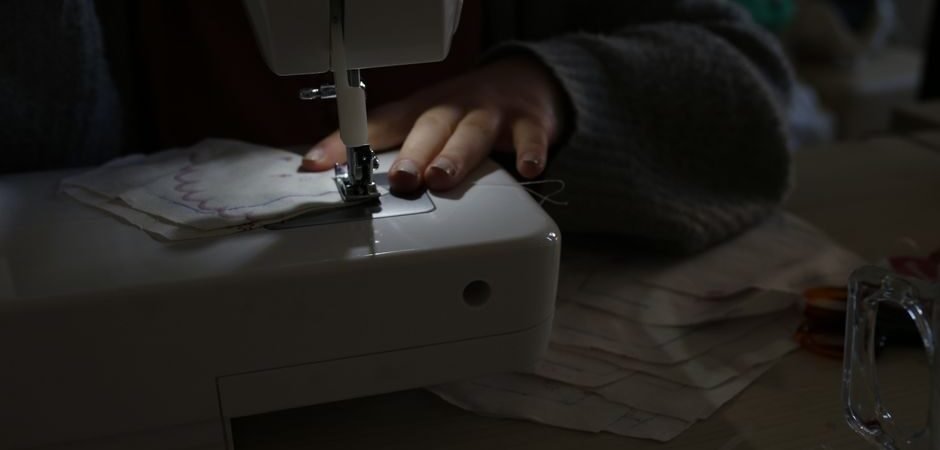
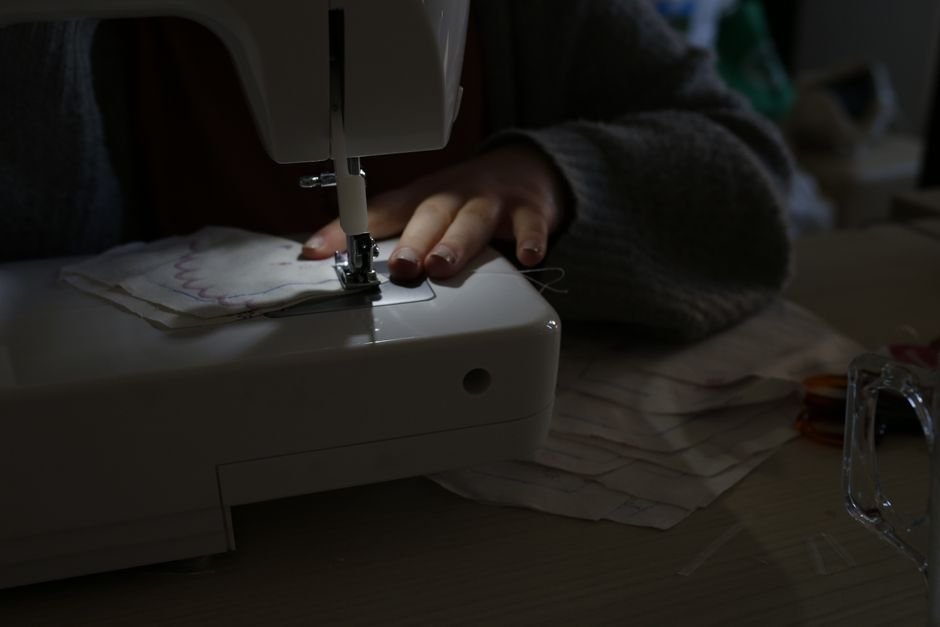
Hand quilting and machine quilting represent the two primary methods for completing that final stitching step, each with its own distinct character and appeal to different kinds of makers with different available time. Hand quilting uses a needle and thread worked manually through all three layers, producing a soft, slightly irregular stitch texture that many quilters and collectors specifically prize for its traditional, handmade appearance built up stitch by careful stitch over many patient hours. Machine quilting uses a sewing machine, either a standard home machine or a specialized long-arm machine designed for the task, to complete the same stitching process considerably faster, with a more uniform, even stitch appearance across the entire surface of the finished piece. Neither method is inherently more correct, and many quilters choose between them based on the specific project, the time available, and their own personal preference for how a finished piece should look and feel to the touch once complete.
Common Quilting Styles And Patterns
Quilting styles and patterns vary enormously, offering plenty of room for personal expression once you understand the basic three-layer structure underlying every single one of them regardless of style chosen. Pieced quilts assemble the top from many individually cut and sewn fabric pieces, creating patterns through careful color and shape placement across the overall finished design. Applique quilts instead stitch fabric shapes on top of a background fabric to build up a design element by element rather than piecing edge to edge against one another directly. Whole cloth quilts skip piecing and applique entirely, relying on dense, decorative quilting stitches worked into a single piece of fabric to create the visual design through texture alone rather than color or shape variation. Each approach demands different skills and appeals to different creative instincts depending on your personal taste and interests, and many quilters happily move between all three styles across different projects over the years as their own interests naturally evolve.
Tools You Need To Get Started
Getting started with quilting doesn’t require an overwhelming amount of specialized equipment, contrary to what a fully stocked quilt shop displaying every possible gadget might initially suggest to a newcomer walking through the door for the first time. A rotary cutter, a self-healing cutting mat, and a clear acrylic ruler cover your basic cutting needs for most beginner patterns you’re likely to encounter early on in your first few completed projects. A reliable sewing machine capable of a simple straight stitch handles both piecing and basic machine quilting without needing any special features or expensive attachments right away when you’re just starting out. Good quality thread, pins or clips, and a seam ripper for the inevitable mistake round out the essential beginner toolkit, with more specialized tools worth adding only once a specific pattern or technique genuinely calls for them down the road as your skills grow. Many beginners are pleasantly surprised to learn they can complete a genuinely satisfying first project using tools they already own or can borrow before investing in anything new or expensive right away.
Where Quilting Fits Among Other Needlework
Within the broader world of needlework, quilting occupies a distinct niche defined specifically by its layered, structural nature rather than purely decorative stitching applied to a single surface alone without batting. Embroidery, by comparison, focuses on decorative stitching worked into a single layer of fabric, without the batting and backing that define a true quilt’s construction and give it real dimension. Cross stitch similarly works on a single counted fabric surface rather than layering multiple fabrics together into a finished sandwich of top, batting, and backing sewn as one. Understanding this distinction helps clarify why quilting supplies, patterns, and communities often exist somewhat separately from other needlework traditions, even though there’s plenty of overlap in skills, tools, and enthusiasm between them for anyone drawn to needlework generally as a lifelong, rewarding hobby. Many makers eventually pick up more than one of these related crafts over the years, borrowing color and design instincts from one to inform the other. Recognizing quilting as its own distinct discipline, rather than just “sewing with extra steps,” helps set realistic expectations for a newcomer’s very first project.
Ready to start your first quilting project? Browse our General Sewing and Quilting guides for more beginner tips, or explore our Patterns collection to see what’s currently available.
Frequently Asked Questions
What is quilting, in simple terms?
Quilting is stitching together a decorative fabric top, a layer of batting, and a backing fabric into one finished layered textile, either by hand or machine.
What are the three layers that make up a quilt?
A quilt consists of the pieced or printed top, a middle layer of batting for warmth and loft, and a backing fabric, all stitched together through all three layers.
What’s the difference between hand and machine quilting?
Hand quilting uses a needle and thread worked by hand for a soft, traditional stitch texture, while machine quilting uses a sewing machine and is generally faster.
Do I need special tools to start quilting?
A rotary cutter, cutting mat, clear acrylic ruler, sewing machine, and basic thread cover most beginner needs before you add specialty tools later on.
How is quilting different from other needlework like embroidery?
Quilting specifically involves layering and stitching fabric with batting for structure and warmth, while embroidery focuses on decorative stitching onto a single fabric layer.
This article is intended for general educational and informational purposes only, based on common quilting practices. Terminology and techniques can vary by region and tradition. Bee’s Quilt Shop shares this guide as part of our ongoing library of quilting and sewing resources.