
Quick answer: Good quilters batting is stable, evenly dense, and resistant to bearding, which is when fibers poke through the quilt top. When shopping, check the fiber content, how the batting is constructed, the recommended quilting distance, and the care instructions on the label before choosing a roll or package size.
Quilters batting can look nearly identical from one package to the next, but it doesn’t behave that way once it’s inside a quilt. Some batting needles like butter, some holds its shape through dozens of washes, and some sheds fibers through the top in a way that drives quilters a little crazy. Knowing what to look for makes shopping much less of a guessing game.
This guide focuses on the qualities quilters value, how batting is constructed, what the package label is telling you, the most common complaints and what causes them, and the different ways batting is sold. We’ll also cover something many guides skip: how to store batting and relax those stubborn fold lines before you use it. If you’re choosing batting for a specific quilt, our companion guide on choosing the right batting for your quilt walks through that decision step by step. At Bee’s Quilt Shop, we always found that quilters who understood a few batting basics felt far more confident at the cutting table.
What Makes Quilters Batting Quilter-Friendly
When experienced quilters describe batting they love, a few qualities come up again and again. Stability is one. Good batting holds together when you handle it, doesn’t stretch out of shape when you lift it, and stays put between the layers while you quilt. Even density is another. If you hold a piece up to the light, quality batting tends to look fairly uniform, without thin spots or clumps that could show through the finished quilt.
Resistance to bearding is the third big one. Bearding happens when batting fibers migrate through the quilt top or backing, leaving a fuzzy haze on the surface, especially noticeable on dark fabrics. Batting that resists bearding saves a lot of frustration. Beyond those basics, quilters also care about how easily the needle passes through, how the batting feels in the finished quilt, and how it washes. Different projects put different weight on each quality, which is why many quilters keep more than one type on hand. Over time, you’ll notice which qualities matter most to you.
Needle-Punched, Bonded, And Scrim-Backed Batting
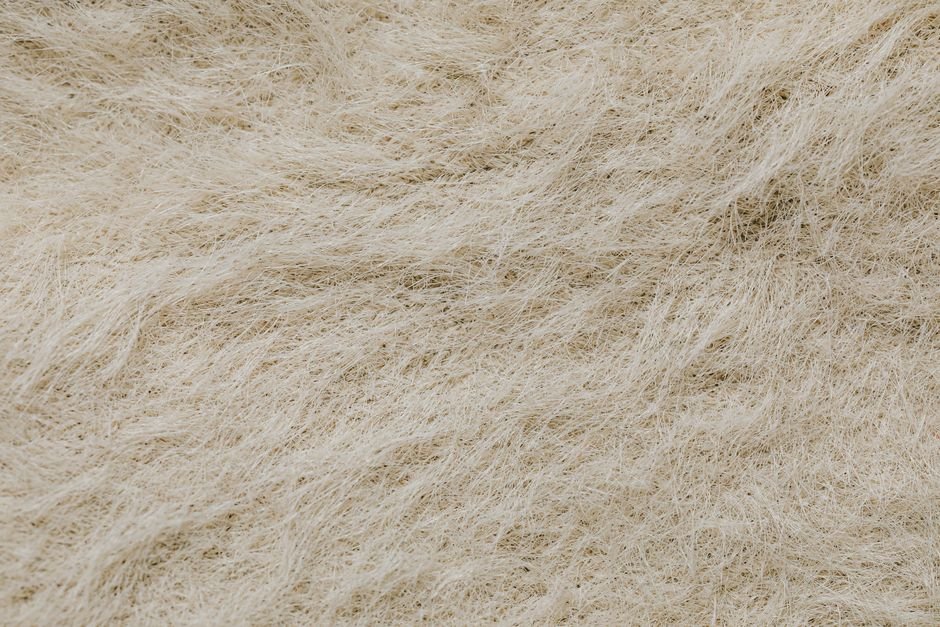
Batting construction terms can sound technical, but the ideas are simple. Needle-punched batting is made by pushing thousands of barbed needles through a web of fibers, tangling them together mechanically. This creates a dense, stable batting that holds up well to handling and machine quilting, and it’s common in cotton and blended battings.
Bonded batting uses heat, resin, or another process to hold fibers together, often on the surface. It tends to be lighter and loftier, and bonding helps keep polyester fibers from migrating. Scrim-backed batting adds a thin, lightweight stabilizer layer, called a scrim, that’s needled into the fibers. The scrim gives extra strength and stability, which can allow wider quilting spacing and helps prevent stretching. Some quilters notice a slight difference in how scrim batting needles by hand, so it’s worth testing if you hand quilt. Many battings combine methods, such as a needle-punched cotton with a scrim, so read the label for details. Understanding these terms helps you predict how a batting will behave before you buy it.
Reading The Label And Package Details
The batting package holds more useful information than most quilters realize. Fiber content comes first, telling you whether it’s cotton, polyester, wool, a blend, or something else. That alone gives you a sense of warmth, loft, and shrinkage. Next, look for the recommended quilting distance, which is the maximum space you can leave between quilting lines without the batting shifting or breaking apart over time. Distances vary widely, so this number matters if you love open quilting.
Care instructions are the third piece. They’ll tell you whether prewashing is recommended, how much shrinkage to expect, and how to wash the finished quilt. Some labels also mention whether the batting has a right side or a direction to place it, which can matter for needle-punched products. Finally, check the dimensions carefully, since package sizes don’t always match the bed size names you might expect. Keeping a photo of a label you liked makes it easy to buy the same product again.
Bearding, Shifting, And Other Common Batting Complaints
Bearding is one of the most common batting complaints. It’s often linked to loosely bonded fibers, certain polyester battings, or very loosely woven quilt fabrics that let fibers slip through. Using quality quilting cotton with a tighter weave, choosing batting known for resisting bearding, and using a fresh, sharp needle can all help. If fibers do come through, many quilters gently snip them rather than pulling them, which can draw out more.
Shifting is another frustration. Batting that’s too slippery or too loosely constructed can move between layers, leading to lumps, puckers, or thin spots. Needle-punched and scrim-backed battings tend to resist shifting, and good basting helps no matter which batting you use. Other complaints include batting that’s too stiff for the finished feel you wanted, or batting that bunches after washing because the quilting lines were spaced too far apart. Most of these trace back to a mismatch between batting construction and how the quilt was made, which is why reading the label carefully matters. A small test can reveal these problems early.
Roll, Package, Or Crib Size: Choosing How To Buy
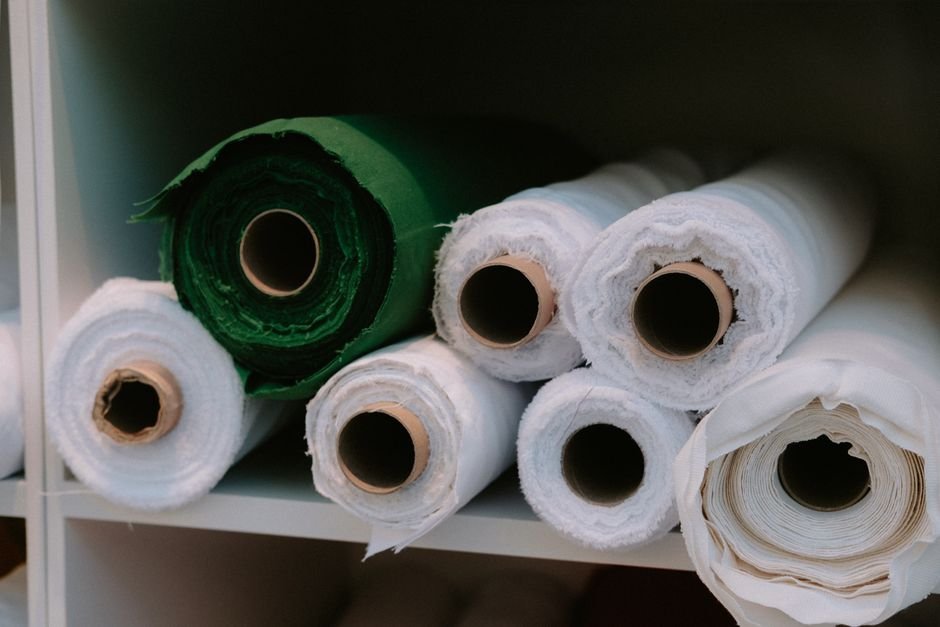
Batting is usually sold in three ways. Packaged batting comes folded in standard sizes like crib, twin, queen, and king, and it’s convenient when your quilt matches one of those sizes closely. Batting by the yard or from a roll lets you cut exactly what you need, which is handy for odd sizes or for quilters who make lots of small projects. To see which package covers your quilt top, try our batting size calculator.
Crib size packages are popular for baby quilts, wall hangings, and practice pieces, and many quilters keep one around for testing new techniques. Larger rolls are common among quilters who make many quilts in a year or who quilt for others. Which format works best depends on how often you quilt, how much storage space you have, and whether you prefer having the right size on hand or cutting to order. There’s no single right answer, and whether buying in bulk saves anything depends on pricing where you shop and how much you’ll actually use. Many quilters mix formats, keeping a roll of a favorite batting alongside a few packages of specialty types.
Storing Quilters Batting And Relaxing The Fold Lines
Packaged batting comes folded tightly, and those fold lines can be surprisingly stubborn. Laying the batting out flat for a day before using it lets many creases relax on their own. Some quilters toss it in a dryer on low or no heat for a few minutes, or give it a light mist of water and let it air dry flat, though it’s wise to check the manufacturer’s advice first since some battings respond differently to heat and moisture.
Storage matters too. Keep batting in a clean, dry place where it won’t be crushed, ideally rolled or loosely folded rather than compressed under heavy items. Breathable bags or cotton pillowcases protect it from dust while still letting air circulate, and avoiding plastic for long-term storage can help prevent musty smells. Label leftover pieces with the brand and fiber so you remember what they are later. Scraps of quilters batting are perfect for test sandwiches, small projects, or piecing together for a placemat or mug rug.
Building Confidence With A Batting You Trust
Before committing a new batting to a big project, make a test sandwich. Layer a small piece of batting between two scraps of the fabric you plan to use, baste it, and quilt a few lines in the style you have in mind. Then wash and dry it the way you’d care for the finished quilt.
Look at the results carefully. Did the needle move easily? Did the batting shift or beard? How did it shrink, and do you like the texture afterward? How does it feel in your hands? A test sandwich only takes a little time, and it tells you more than any package description can. Many quilters keep their tested samples labeled in a notebook or box, building a personal reference library over time. Once you find a batting you trust, you can use it with confidence and save experimenting for projects where you want a different effect.
Understanding batting makes every quilt a little easier, and Bee’s Quilt Shop has more guides to help you choose. Explore our Fabric Buying and Precuts guides, see how sizes compare in our twin size batting guide, or browse the Notions collection for basting and finishing tools.
Frequently Asked Questions
What does bearding mean in quilt batting?
Bearding is when batting fibers work their way through the quilt top or backing, leaving a fuzzy look on the surface. It’s most noticeable on dark fabrics and is often linked to batting construction and fabric weave.
Is scrim batting good for machine quilting?
Many machine quilters like scrim-backed batting because the scrim adds stability and helps prevent stretching. Some hand quilters find it a little harder to needle, so it’s worth testing if you work by hand.
How far apart can I quilt on my batting?
Check the package for the recommended quilting distance, since it varies a lot between battings. Staying within that distance helps the batting hold together over years of use and washing.
Should I buy batting on a roll or in a package?
Packages are convenient when your quilt matches a standard size, while rolls let you cut exactly what you need. Many quilters use both, depending on how often they quilt and how much storage space they have.
How do I get fold lines out of new batting?
Lay it flat for a day, or follow the manufacturer’s advice about a short tumble in the dryer on low heat. Bee’s Quilt Shop always suggested checking the label first, since different battings respond differently to heat and moisture.
This article is intended for general educational and informational purposes only and reflects common quilting practices. Batting construction, care, and performance vary by manufacturer, and results vary by skill level, fabric, and equipment. Bee’s Quilt Shop shares this guide as part of our ongoing library of quilting and sewing resources.