Quick answer: Quilting patterns squares are built from the simplest shape in quilting, and they include four-patch and nine-patch blocks, checkerboards, charm square layouts, and disappearing block designs. They’re popular because squares are easy to cut and sew, yet clever fabric and value placement can make them look surprisingly complex.
Squares are where many quilting journeys begin, and quilting patterns squares remain some of the most popular designs for good reason. A square is easy to cut, easy to sew, and easy to arrange, yet squares can create an astonishing variety of quilts. From cheerful checkerboards to dramatic disappearing blocks, square-based patterns suit every skill level and style.
This guide is a survey of square-based patterns, exploring why squares are the foundation of so many quilts and introducing classic designs like four-patch and nine-patch variations, checkerboard layouts, charm square patterns, and disappearing blocks. We’ll also cover a topic many guides skip: using value to make simple squares look complex. Finally, we’ll help you choose among square-based patterns. If you’d like a step-by-step walkthrough of one simple design, our guide to a simple square quilt pattern for beginners covers that. At Bee’s Quilt Shop, square-based quilts were often the first projects new quilters made.
Why Squares Are The Foundation Of So Many Quilting Patterns
Squares are the foundation of countless quilt designs because they’re the simplest shape to work with. They have four equal sides and four right angles, which makes them easy to cut accurately with a rotary cutter and ruler. They sew together in straight lines without tricky angles, and seams line up predictably when blocks are joined.
Squares are also the building blocks of more complex shapes. Cut a square diagonally and you get triangles. Sew squares together and you get rectangles and larger blocks. Many traditional blocks, from stars to pinwheels, start as squares that are cut and rearranged. That makes square-based patterns a great way to learn skills you’ll use in nearly every quilt, like accurate cutting, consistent seam allowances, and matching seams. Squares also work with any fabric, from bold prints to soft solids, and they suit traditional, modern, and scrappy styles. For quilters at any level, squares offer endless possibilities with minimal fuss. That flexibility is why they never go out of style, and why so many quilters keep a stack of cut squares ready for whenever inspiration strikes.
Four-Patch And Nine-Patch Variations
Four-patch and nine-patch blocks are classic square-based designs. A four-patch block is made from four squares arranged in two rows of two. Alternating light and dark squares creates a mini checkerboard, while using four different prints creates a scrappy look. Four-patch blocks are quick to make and can be combined with plain squares or other blocks.
A nine-patch block uses nine squares in three rows of three. Classic nine-patch blocks alternate dark and light squares, creating a balanced, cross-like design. Variations include double nine-patch, where some of the squares are themselves nine-patch blocks, and Irish chain designs, which create diagonal chains across the quilt. Both four-patch and nine-patch blocks can be set side by side, alternated with plain blocks, or framed with sashing. They’re versatile, beginner-friendly, and endlessly adaptable. Our guide to nine patch quilt patterns explores that family in more depth. Many quilters return to these classics again and again because they always look good.
Checkerboard And Chessboard Layouts
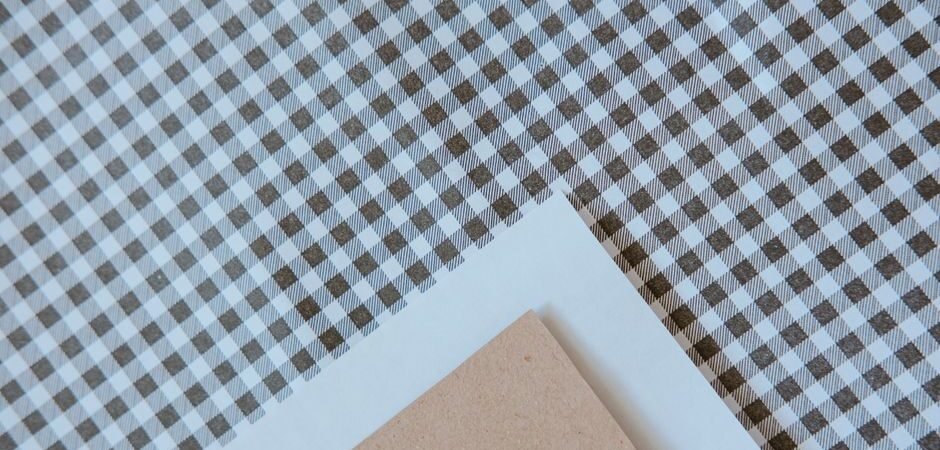
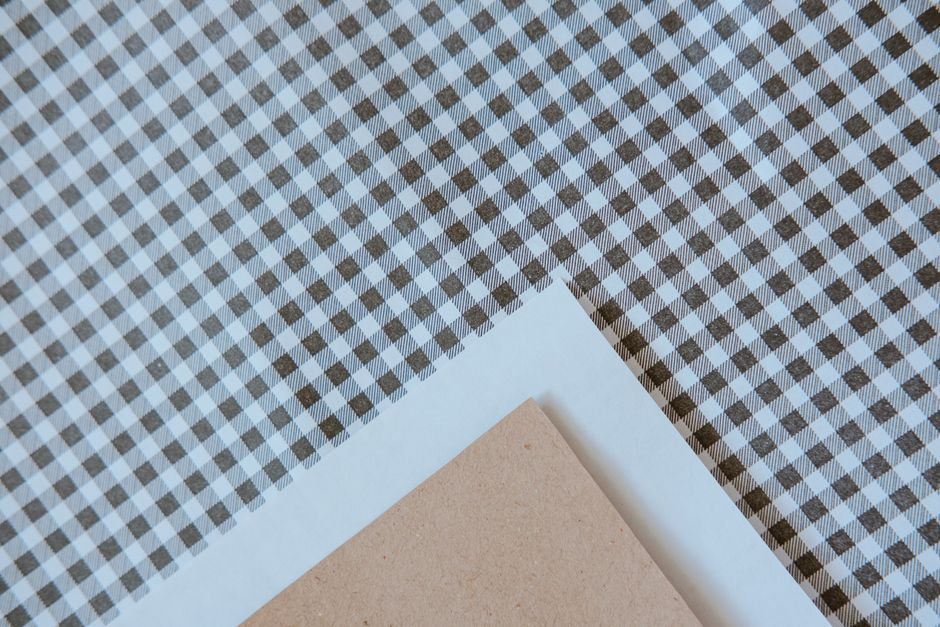
Checkerboard and chessboard layouts use alternating squares to create high-contrast designs. In a classic checkerboard, light and dark squares alternate in every row, creating a bold grid pattern. It’s one of the simplest quilt designs, yet it has a crisp, graphic look that suits modern and traditional quilts alike.
Variations add interest. Using two colors creates a classic look, while using many prints in light and dark values creates a scrappy checkerboard. Changing the size of the squares changes the feel, with large squares looking bold and small squares looking intricate. Some quilters create a checkerboard border around a center design, or use a checkerboard as a background for appliqué. Strip piecing can speed up checkerboard construction, with strips sewn together and then cut into segments. Because the design relies on contrast, choosing fabrics with strong value differences is important. A checkerboard is a great choice for a first quilt or a quick gift, and it always looks clean and cheerful. It’s also a good way to show off two fabrics you love side by side.
Charm Square Patterns
Charm square patterns use precut charm squares, which are typically 5 inch squares cut from a fabric collection. A charm pack usually contains a few dozen squares, though the exact number varies by manufacturer. Because the squares are already cut and coordinated, charm square patterns are quick and convenient.
Many charm square patterns sew the squares together in simple grids, creating a patchwork quilt. Others cut the squares into smaller units, like half square triangles or rectangles, for more complex blocks. Adding background fabric is a common way to stretch a charm pack, alternating print squares with solid squares or setting blocks with sashing. Charm squares are also great for baby quilts, table runners, and pillows. When choosing a pattern, check how many charm squares it requires and whether you’ll need more than one pack. Our guide comparing layer cakes, charm packs, and jelly rolls explains precut formats in more detail. Charm squares make square-based quilting even easier.
Disappearing Block Patterns
Disappearing block patterns are a fun way to turn simple squares into designs that look much more complex. The idea is simple: sew a basic block, like a nine-patch, then cut it apart and rearrange the pieces. The original block disappears, replaced by a new, more intricate design.
The disappearing nine-patch is the most famous example. You sew a nine-patch, cut it in half vertically and horizontally through the center, then rotate and rearrange the four resulting pieces. The new block has a mix of large and small squares and rectangles, creating a design that looks complicated but is easy to make. Other disappearing patterns include disappearing four-patch, disappearing pinwheel, and disappearing hourglass blocks. Each starts with a simple block and transforms it with a few cuts. These patterns are a great way to add visual interest without difficult piecing. They’re also forgiving, since small inaccuracies in the original block often get hidden in the new arrangement, which many quilters find encouraging.
Quilting Patterns With Squares: Using Value To Look Complex
Here’s something many square pattern guides skip: value, how light or dark a fabric is, can make simple squares look far more complex than they are. The same arrangement of squares can create completely different designs depending on where you place light, medium, and dark fabrics.
For example, arranging squares in diagonal bands of light to dark can create a sense of movement, like a wave or a sunrise. Placing dark squares in a diamond shape surrounded by light squares can create a medallion effect. Grouping squares by color and value can create the illusion of larger shapes, like stars or hearts, emerging from a simple grid. This technique is used in designs like trip around the world, where concentric rings of color radiate from the center, all made from simple squares. Planning value placement on graph paper or with a design wall helps you see the effect before sewing. Using value thoughtfully is one of the most powerful tools in quilting patterns squares, and it costs nothing extra.
Choosing Among Square-Based Quilting Patterns
With so many square-based patterns to choose from, it helps to think about fabric, skill, and the look you want. If you have a precut charm pack or layer cake, choose a pattern designed for that format. If you have a stash of scraps, a scrappy checkerboard or four-patch quilt can use them beautifully.
Consider your skill level too. Simple grids, checkerboards, and four-patch blocks are great for beginners. Nine-patch variations and disappearing blocks add a little more complexity, while value-based designs require careful planning. Think about the look you want. Bold, graphic quilts suit checkerboards and high-contrast designs, while soft, scrappy quilts suit charm square layouts. Finally, consider time. Some square patterns come together very quickly, making them great for gifts. Whatever you choose, square-based quilting patterns are a rewarding way to create beautiful quilts while building skills you’ll use for a lifetime of quilting.
Squares are endlessly versatile, and Bee’s Quilt Shop has more guides to help you choose your next pattern. Explore our Quilt Patterns and Blocks section, read about 5 inch charm packs, or browse the Patterns collection for square-based designs.
Frequently Asked Questions
What is the easiest square quilt pattern?
A simple grid of squares sewn into rows is one of the easiest quilt patterns, followed by checkerboards and four-patch blocks. These use straight seams and simple cutting.
What is a disappearing nine patch?
A disappearing nine patch is a nine-patch block that’s cut into four pieces and rearranged into a new design. It looks complex but is easy to make.
How many charm squares do I need for a quilt?
It depends on the pattern and quilt size, so check the pattern’s requirements. Many patterns use one or two charm packs plus background fabric.
How do I make a square quilt look more interesting?
Playing with value placement, such as arranging light and dark squares in bands or shapes, can make a simple grid look complex. Adding sashing or borders also adds interest.
Are square quilts good for beginners?
Yes, square quilts are often recommended for beginners because they teach accurate cutting and consistent seams. Bee’s Quilt Shop always encouraged new quilters to start with squares and build from there.
This article is intended for general educational and informational purposes only and reflects common quilting practices. Precut sizes and counts vary by manufacturer, and results vary by skill level, fabric, and equipment. Bee’s Quilt Shop shares this guide as part of our ongoing library of quilting and sewing resources.